Safed Castle
Safed Castle, also known as Safed Fortress or the Citadel of Safed, stands as a monumental relic atop the highest city in Israel, Safed, perched nearly 1,000 meters above sea level. This hill castle commands sweeping views over the Sea of Galilee, the Upper Galilee mountains including Mount Meron, and the Golan Heights, making it a site of immense strategic and historical significance. The castle's location atop a prominent hill allowed it to serve both military and communicative functions throughout its long history.
Originally occupied during the Canaanite Bronze and Iron Ages, the site evolved through multiple civilizations and epochs. The fortress as it is known today was largely shaped during the high medieval period, particularly by the Crusaders and later the Mamluks. Its layered history reflects the complex political and military struggles of the region. Today, the castle ruins and the surrounding park serve as a poignant memorial and a popular tourist destination, offering visitors a glimpse into the past alongside stunning panoramic vistas.
Early history and strategic importance
The earliest known occupation of the Safed Castle site dates back to the Canaanite period, with archaeological evidence indicating fortifications during the Second Temple period. The Jewish historian Josephus fortified the stronghold during the First Jewish–Roman War to defend against Roman advances. This early military use established Safed as a key defensive position overlooking vital trade routes and fertile lands.
During the early Muslim period, the site was marked by a single tower known as "Burj al-Yatim," emphasizing its continued strategic relevance. The castle's elevated position made it an ideal lookout and signaling point, a function that persisted into later periods, including its use by early Jewish kingdoms to announce the new month to distant communities.
The crusader fortress: construction and expansion
In 1102, the Crusaders built a substantial fortress on the remains of earlier structures, establishing Safed as a major military stronghold in the region. The fortress underwent significant expansion in 1140 under King Fulk of Jerusalem, who enhanced its defenses to withstand increasing threats from Muslim forces.
By 1168, the fortress came under the control of the Knights Templar, who fortified it further with robust walls, towers, and defensive features typical of Crusader military architecture. The fortress was designed with a double line of defensive walls, a deep moat, and multiple towers to provide overlapping fields of fire and protection.
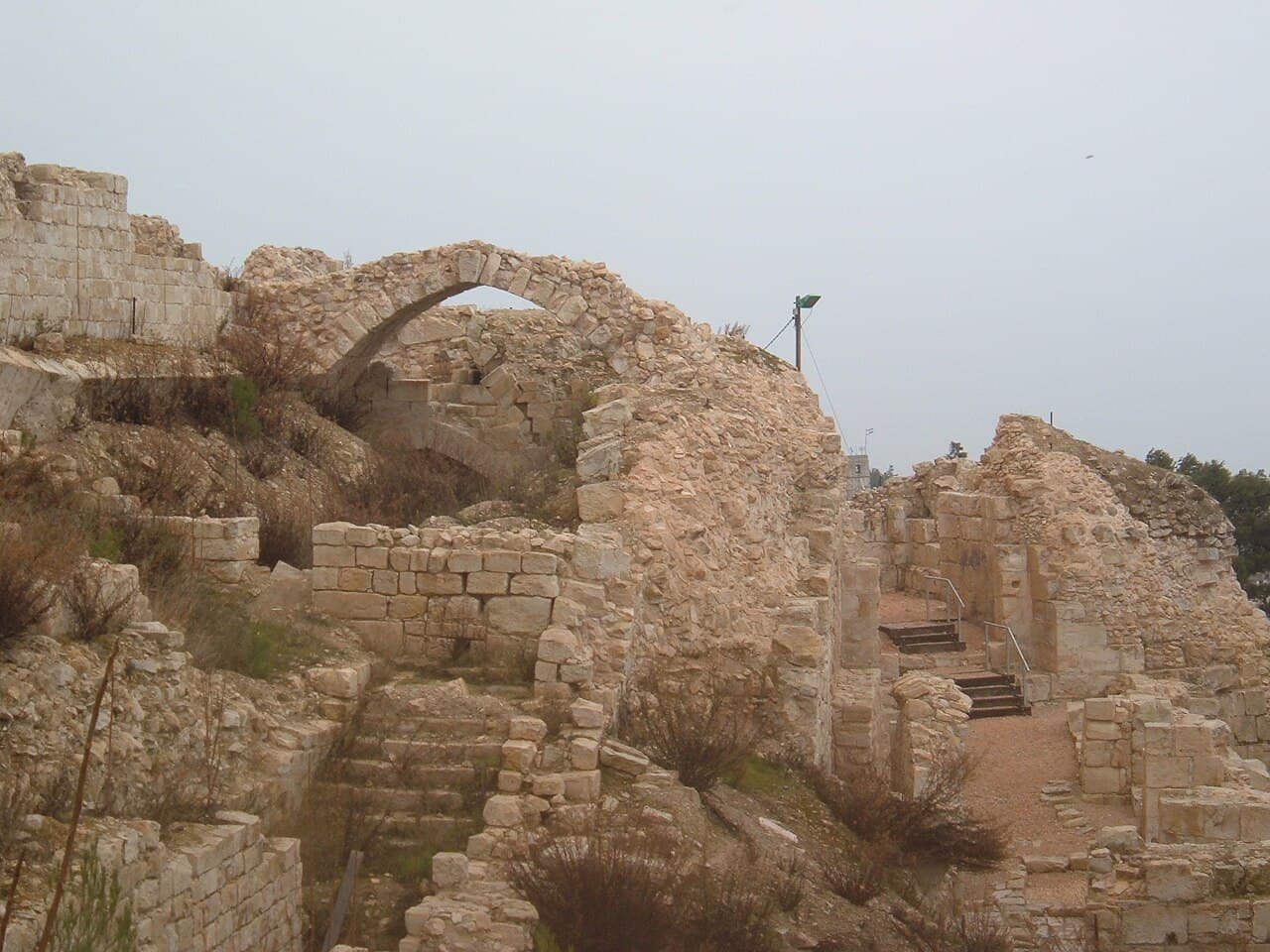
The Crusader period left a lasting architectural legacy visible in the fortress's vaulted halls with characteristic pointed Gothic arches and the imposing gate towers. The fortress was not only a military bastion but also a symbol of Crusader presence in the Holy Land.
Sieges and changes in control
Following the decisive Battle of Hattin in 1187, Muslim forces led by Salah ad-Din (Saladin) besieged Safed Castle, capturing it in 1188. The fortress then passed to the Ayyubid dynasty, who ruled it for nearly fifty years, with a brief period under the Teutonic Order.
In the early 13th century, the Ayyubid emir al-Mu’azzam Isa partially dismantled the fortress to prevent its recapture by Crusaders. However, the Crusaders regained Safed in 1240 through negotiations and undertook extensive rebuilding, making it one of the largest and most formidable Crusader fortresses in the region.
Mamluk reconstruction and architectural enhancements
The fortress fell to the Mamluk Sultan Baibars in 1266 after a six-week siege. Baibars ordered the execution of most defenders and established Safed as the administrative center for the Galilee district. The Mamluks undertook major reconstruction efforts, adding two massive towers: a round victory tower approximately 60 meters tall and a gate tower at the southwest corner.
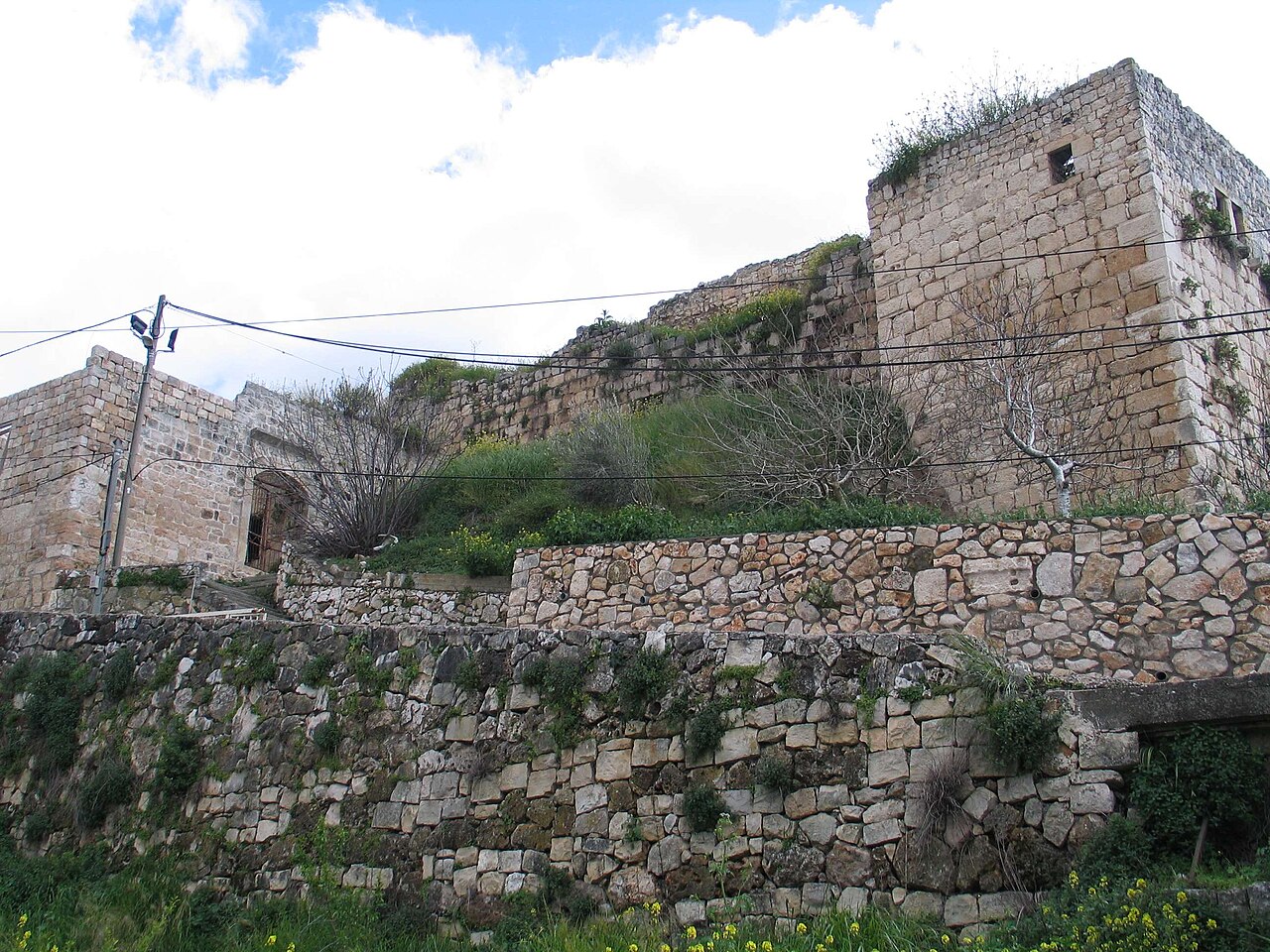
The round victory tower was notable for its large rock-carved water cistern at its base, essential for sustaining the garrison during prolonged sieges. The gate tower, measuring about 15 by 20 meters, served as a formidable entrance defense. Mamluk architects also added utility buildings, paved access ramps, and finely carved stonework, including arches and archivolts adorned with floral motifs and symbolic carvings such as a roaring lion representing Sultan Baibars.
Defensive features and layout
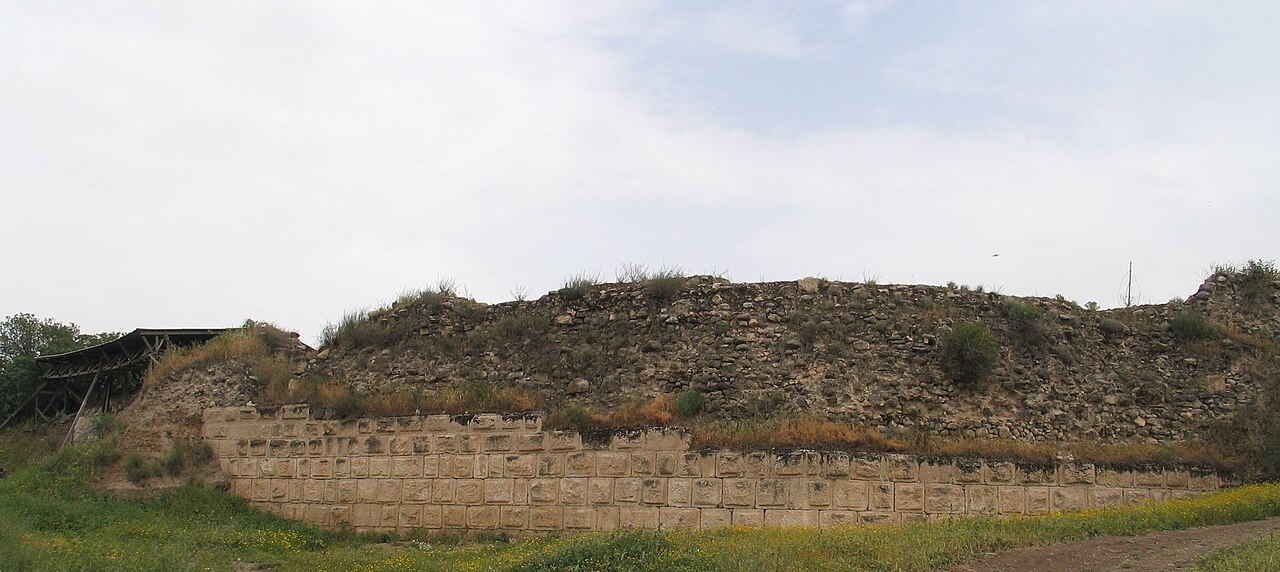
The fortress encompassed an area of roughly four hectares, enclosed by a double line of walls approximately 28 meters high. The inner wall measured about 580 meters in circumference, while the outer wall extended around 850 meters, separated by a deep moat up to 18 meters deep and 13 meters wide. Seven heavily fortified towers along the outer wall rose to about 26 meters, providing comprehensive defensive coverage.
Within the walls, vaulted halls with pointed Gothic arches reflected the Crusader architectural influence, while Mamluk additions enhanced the fortress's resilience and functionality. The moat and walls created a formidable obstacle for any attackers, demonstrating advanced medieval military engineering.
Damage, decline, and archaeological rediscovery
The fortress suffered significant damage from major earthquakes in 1303 and 1837. The 1837 earthquake was particularly devastating, leading to the fortress's abandonment and the removal of many stones by locals for other building projects. Despite restoration efforts by the Mamluks in 1475 and limited repairs in the 18th century under Daher al-Omar, the fortress gradually lost its strategic importance during the Ottoman period.
In 1799, Napoleon's troops briefly occupied the fortress during their campaign in the region. Archaeological excavations began in 1875 and have continued intermittently since 1961, uncovering layers of the fortress's complex history, including Crusader and Mamluk architectural remains.
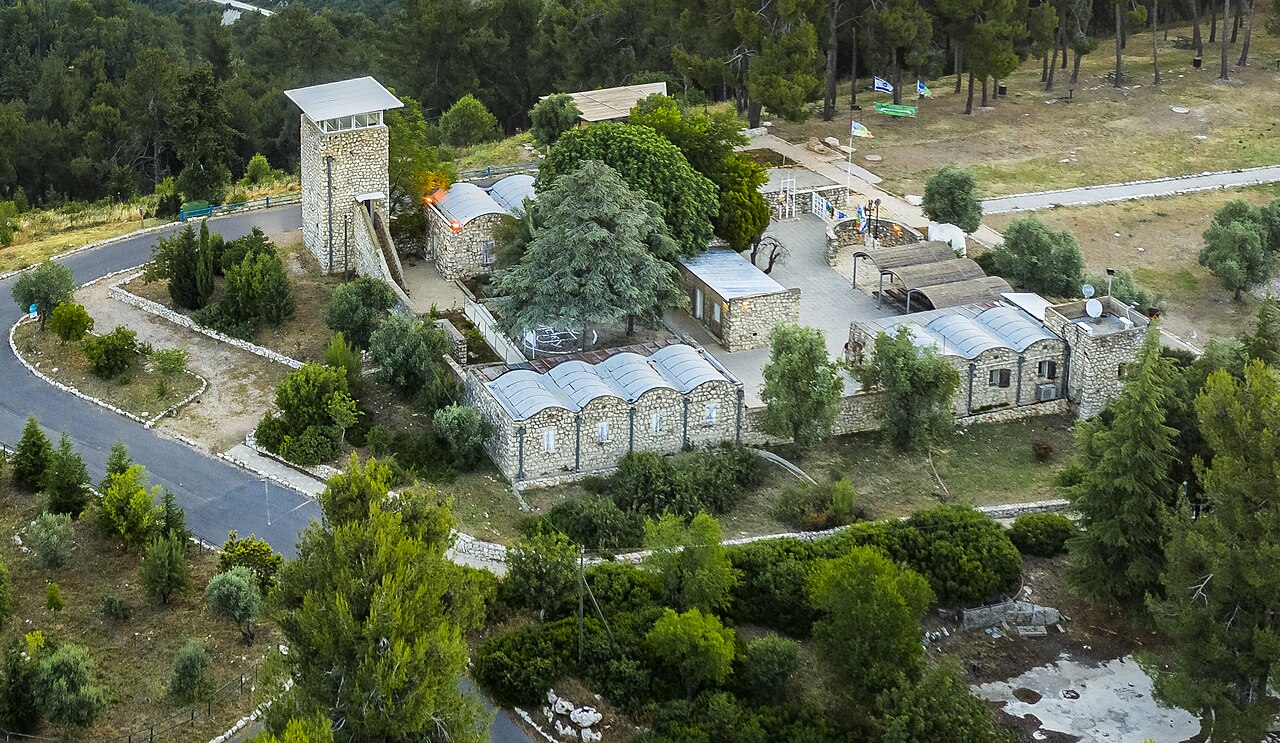
Today, the site includes a visitor path that navigates the exposed ruins, a layered garden that protects archaeological features, and a memorial garden honoring local individuals who died in war. The fortress's ruins, combined with the natural beauty of the surrounding park, offer a compelling destination for history enthusiasts and tourists alike.
Role in the 1948 arab-israeli war and modern significance
During the 1948 Arab-Israeli War, Safed Castle played a critical role. Fierce fighting culminated in Jewish forces capturing the fortress on May 10, 1948. The castle's commanding position had been used by local Arab forces to bombard the Jewish Quarter below, making its capture a strategic military victory. This event contributed to the subsequent departure of much of Safed's Arab population.
In 1951, the Israeli government established a national memorial at the site, including a spire monument and a surrounding park, commemorating the battle and the soldiers who fought there. The castle remains a symbol of resilience and historical continuity, attracting visitors who come to explore its ruins, enjoy the panoramic views, and connect with the layered history of the Galilee region.
Visitor experience and cultural context
The castle's elevated vantage point offers breathtaking views of the Safed Artists’ Quarter, renowned for its galleries and art exhibits. Visitors can explore the excavated Crusader fortress sections, picnic within the ruins, and enjoy the wooded park that surrounds the site. The combination of natural beauty, historical depth, and cultural vibrancy makes Safed Castle a unique destination in northern Israel.
Frequently asked questions (FAQ)
- How do I get to Safed Castle?
- Safed Castle is located on a hill in the city of Safed, Northern District, Israel. It is accessible by car or local bus, with parking available nearby. The site is well signposted within the city.
- What is the historical significance of Safed Castle?
- Safed Castle was a major Crusader fortress and later a key Mamluk stronghold, playing important roles in medieval military history and the 1948 Arab-Israeli War.
- Can I explore the ruins of Safed Castle?
- Yes, visitors can walk through the excavated ruins, including Crusader walls, towers, and the Mamluk victory tower. There are paths and picnic areas within the park surrounding the castle.
- When is the best time to visit Safed Castle?
- The castle is open daily from 8:00 to 17:00. Spring and autumn offer pleasant weather for exploring the ruins and enjoying the panoramic views.
- Is there an entrance fee to visit Safed Castle?
- No, entry to Safed Castle and the surrounding park is free of charge.
- What architectural styles are visible at Safed Castle?
- The castle features prominent Gothic Crusader architecture, including pointed arches and vaulted halls, alongside Mamluk military additions such as massive towers and stone carvings.
Photo gallery

Photo by Almog•Public domain
Information
Opening hours
8:00-17:00, daily
Ticket prices
Free
Current owner
State museum
Loading map...
Visitor reviews
No reviews yet. Been here? Write the first review and help other travelers!
Write the first reviewVisited this castle? Share your experience
Your review helps other travelers and adds first-hand knowledge to our encyclopedia.