Birya Fortress
Birya Fortress is a significant military stronghold constructed by the Jewish Palmach paramilitary forces during the period of the British Mandate in Palestine, specifically in the mid-20th century. Located near the Jewish village of Birya and the Arab village of Biriyya in northern Israel, the fortress played a key role in the Jewish struggle for settlement and defense during a turbulent historical era. Today, it serves as a museum dedicated to preserving the memory of these events and the broader history of the region.
Historical background and the British Mandate context
The fortress was built in the 1940s, a time marked by escalating tensions between Jewish and Arab communities and the British authorities who governed Palestine under the Mandate system established after World War I. The Jewish Palmach, the elite strike force of the Haganah, the main Jewish paramilitary organization, constructed Birya Fortress as a strategic defensive position. Its purpose was to protect the Jewish settlements in the Upper Galilee region and to assert Jewish presence in contested areas.
The Birya affair of 1946
Birya Fortress is most famously associated with the Birya affair of 1946, a pivotal event in the Jewish resistance against British restrictions on Jewish immigration and settlement. In March 1946, British forces arrested the Jewish inhabitants of Birya village and occupied the fortress, aiming to suppress Jewish settlement activity. In response, thousands of young Jews from across the country mobilized to reoccupy the site in a mass demonstration of determination and defiance. This event became a symbol of Jewish resilience and helped galvanize support for the Zionist cause.
Architectural features and military design
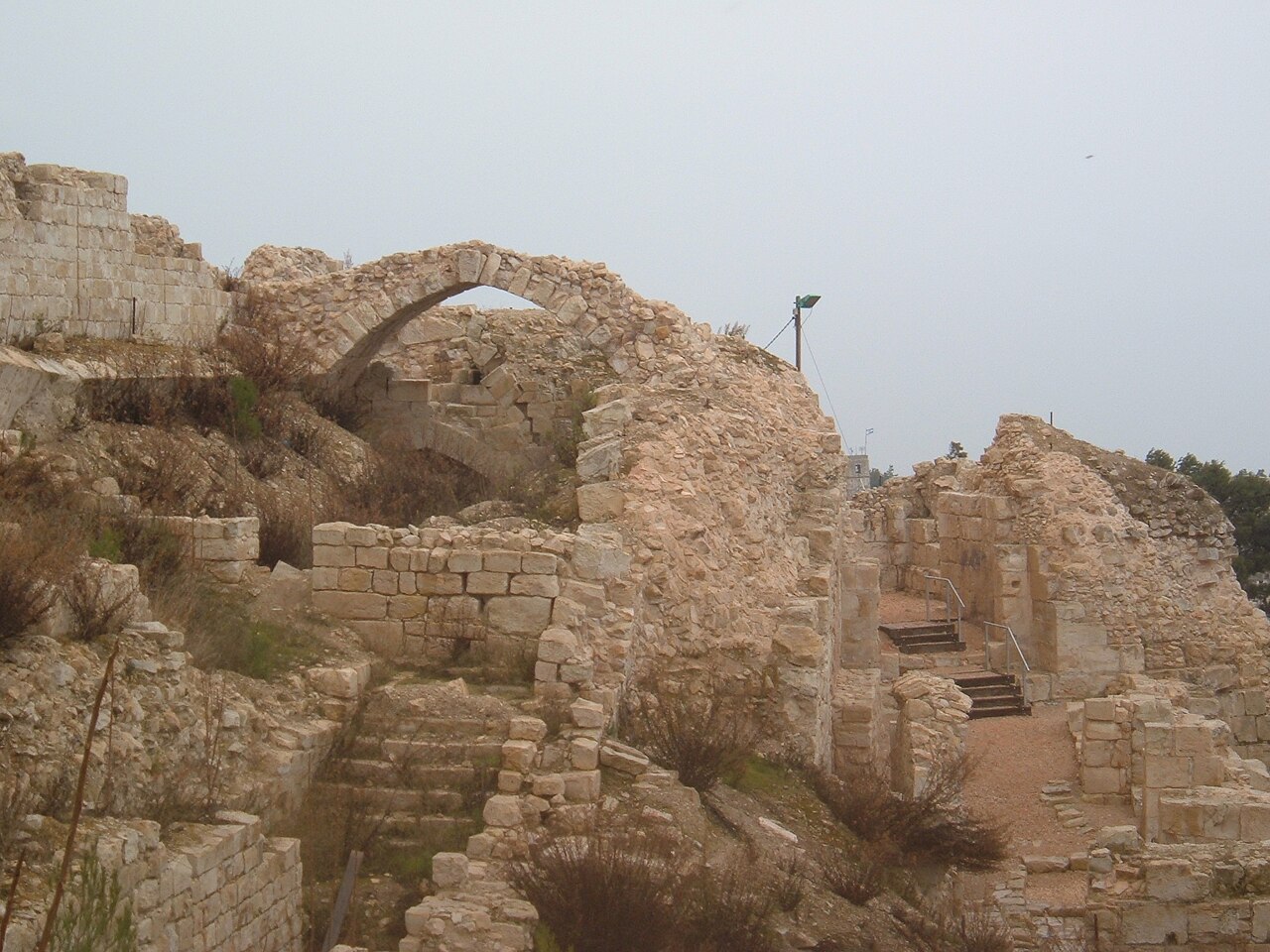
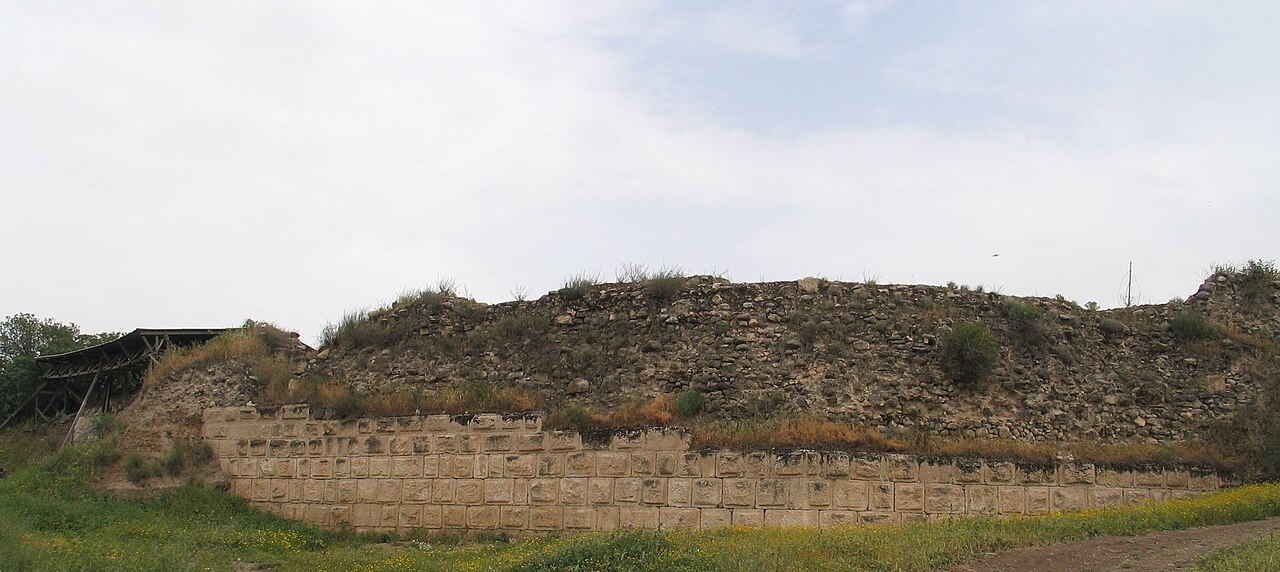
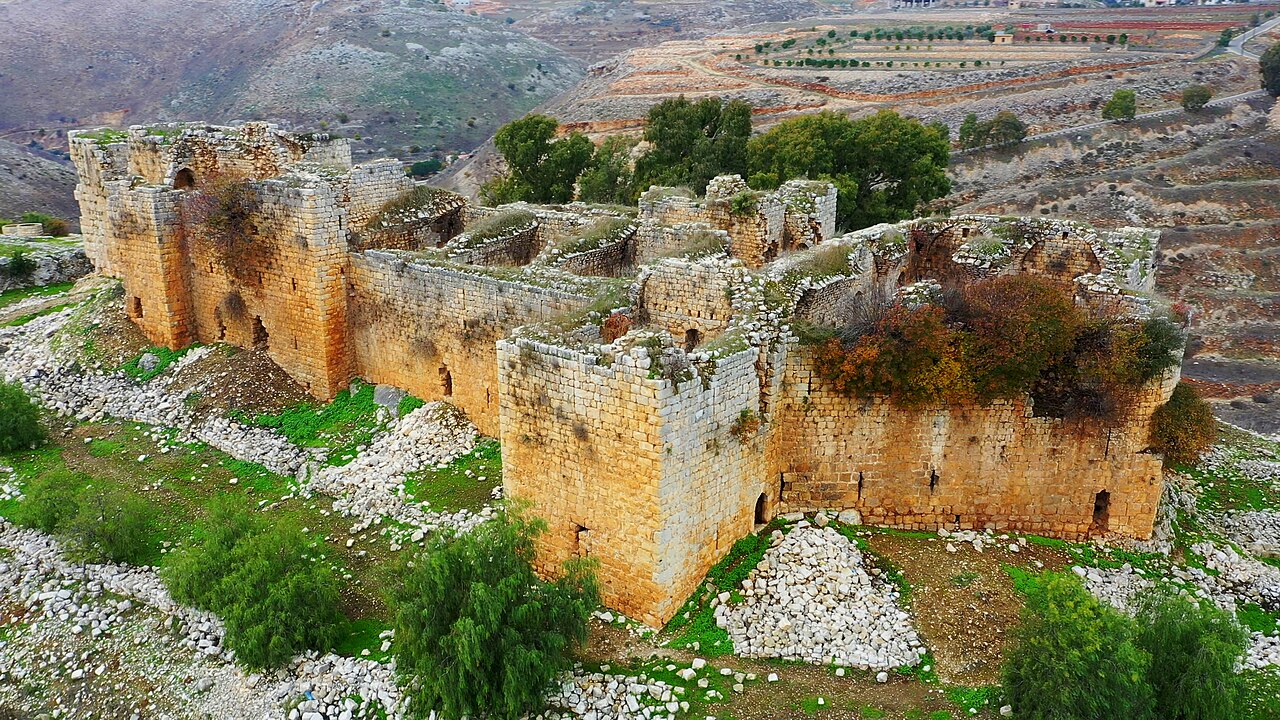
Birya Fortress is classified as a bastioned fortress, a style characterized by angular bastions projecting from the main walls to provide overlapping fields of fire and enhanced defensive capabilities. Although built in the 20th century, the fortress incorporates traditional elements of military architecture adapted to modern needs. Its robust stone walls, defensive towers, and strategic location on elevated terrain allowed it to serve effectively as a defensive outpost.
Construction and layout
The fortress was constructed using local stone and concrete, designed to withstand potential attacks from surrounding hostile forces. The layout includes fortified walls with bastions at key points, internal barracks, storage facilities, and observation posts. The design reflects a blend of practical military engineering and the specific tactical requirements of the Palmach during the British Mandate period.
Post-1948 developments and museum conversion
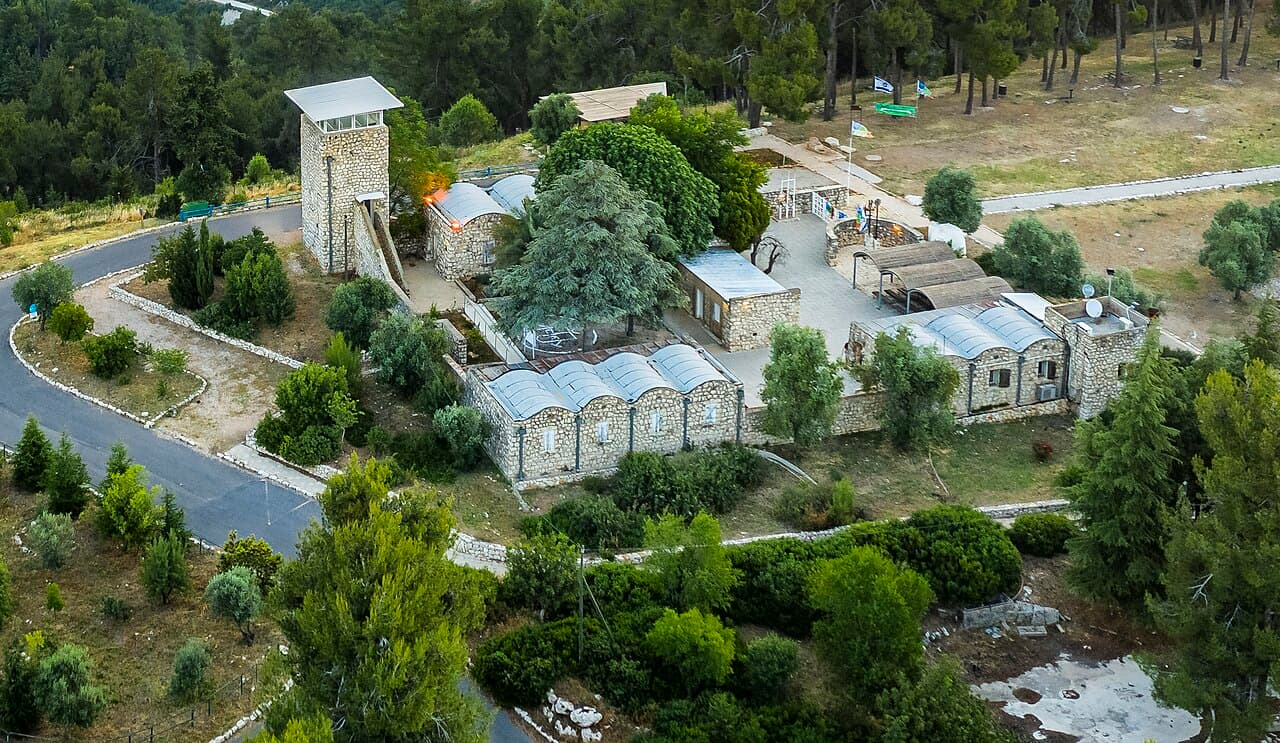
Following the establishment of the State of Israel in 1948, Birya Fortress lost its direct military function but remained a powerful symbol of the pre-state Jewish struggle. In later years, it was preserved and converted into a museum that educates visitors about the Palmach's role, the Birya affair, and the broader history of Jewish settlement in the Galilee. The museum features exhibits on the fortress's construction, the political context of the British Mandate, and personal stories of those involved in the defense of Birya.
Visitor experience and educational role
Today, visitors to Birya Fortress can explore the well-preserved bastioned walls, view historical artifacts, and learn about the complex history of the region through guided tours and interpretive displays. The museum emphasizes the fortress's role in the Jewish resistance and its significance in Israeli heritage. It also provides insight into the architectural and military strategies employed by the Palmach.
Frequently asked questions (FAQ)
- What is the historical significance of Birya Fortress?
- Birya Fortress, located in Israel, is a significant historical site that dates back to the Crusader period. It was strategically built to control the surrounding area and served as a critical military stronghold during various conflicts throughout history.
- When was Birya Fortress built?
- The construction of Birya Fortress began in the 12th century during the Crusader era. It has since undergone various modifications and restorations, reflecting the architectural styles and military needs of different periods.
- What are the opening hours for Birya Fortress?
- Birya Fortress is typically open to visitors from 9 AM to 5 PM, but it's advisable to check for any seasonal changes in hours. Visitors are encouraged to arrive early to fully explore the site and enjoy the scenic views.
- Can I access Birya Fortress by public transportation?
- Yes, Birya Fortress is accessible by public transportation, although services may be limited. It's recommended to check local bus schedules or consider a taxi for a more direct route to the fortress.
- Is it possible to take guided tours at Birya Fortress?
- Yes, guided tours are available at Birya Fortress, offering visitors a deeper understanding of its history and architecture. These tours are led by knowledgeable guides who can provide insights into the fortress's significance and the surrounding landscape.
- What is the best time to visit Birya Fortress?
- The best time to visit Birya Fortress is during the spring and fall when temperatures are mild and the weather is pleasant. These seasons offer ideal conditions for exploring the fortress and enjoying the beautiful views of the Galilee region.
- Are there any nearby attractions to visit after exploring Birya Fortress?
- Yes, nearby attractions include the picturesque town of Safed and the beautiful hiking trails of Mount Meron. These locations offer additional opportunities for sightseeing and enjoying the natural beauty of the area.
- What are the ticket prices for visiting Birya Fortress?
- Entrance to Birya Fortress is typically free, but there may be fees for guided tours or special events. It's best to check the official website or local visitor information for the most current pricing details.
- How do I prepare for my visit to Birya Fortress?
- When preparing for your visit to Birya Fortress, be sure to wear comfortable shoes suitable for walking on uneven terrain. Bringing water, snacks, and sun protection is also advisable, as the site may have limited amenities.
Photo gallery

Information
Loading map...
Visitor reviews
No reviews yet. Been here? Write the first review and help other travelers!
Write the first reviewVisited this castle? Share your experience
Your review helps other travelers and adds first-hand knowledge to our encyclopedia.