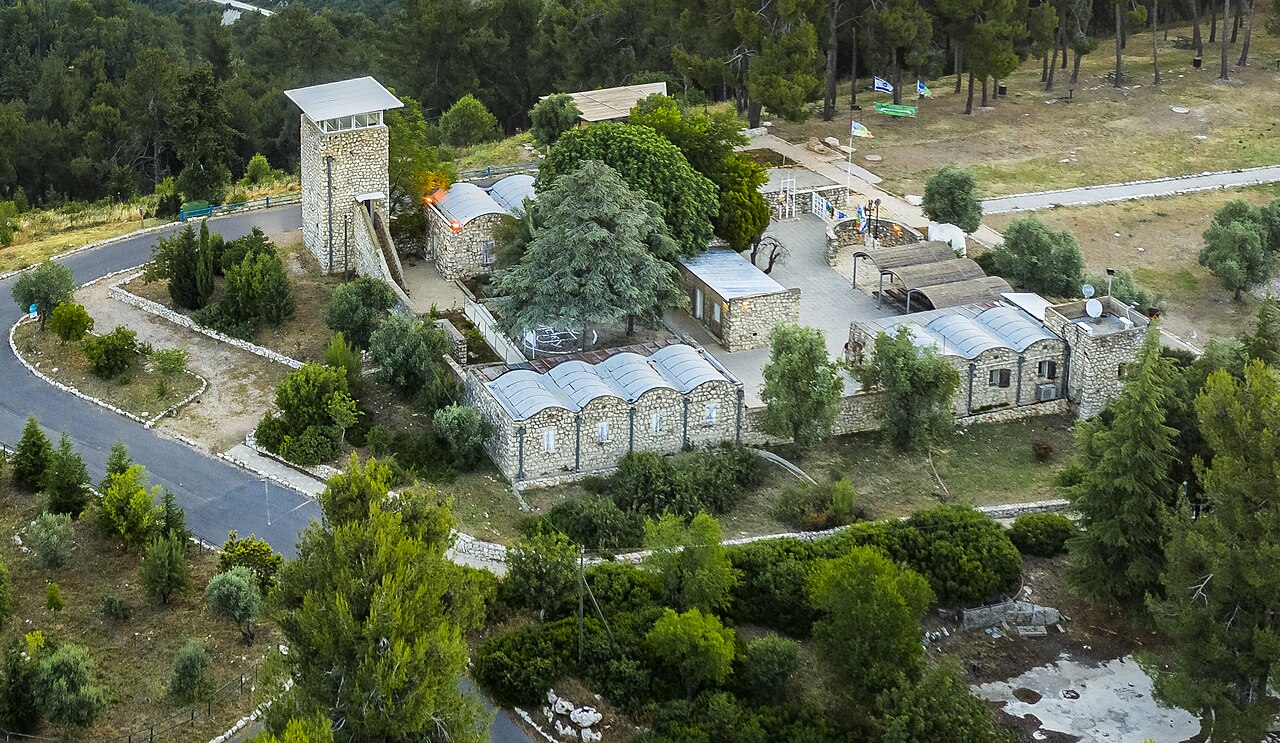
Ateret Fortress, historically known as Chastelet or Beytulahzan, was a significant 12th-century castle situated beside Jacob's Ford on the upper Jordan River in present-day Israel. Constructed during the High Medieval period by the Knights Templar under the authority of the Kingdom of Jerusalem, this fortress played a strategic role in the Crusader states' defense network. Its location at the river crossing was crucial for controlling movement between the Galilee and Damascus regions.
Strategic importance and location
The fortress was built to secure the ford, a vital passage for armies and trade routes during the Crusades. Positioned on the eastern frontier of the Kingdom of Jerusalem, Ateret Fortress was intended to serve as a defensive stronghold against Muslim forces advancing from Syria. The castle's placement at Jacob's Ford allowed the Crusaders to monitor and potentially disrupt enemy movements along the upper Jordan River valley.
Architectural features and construction
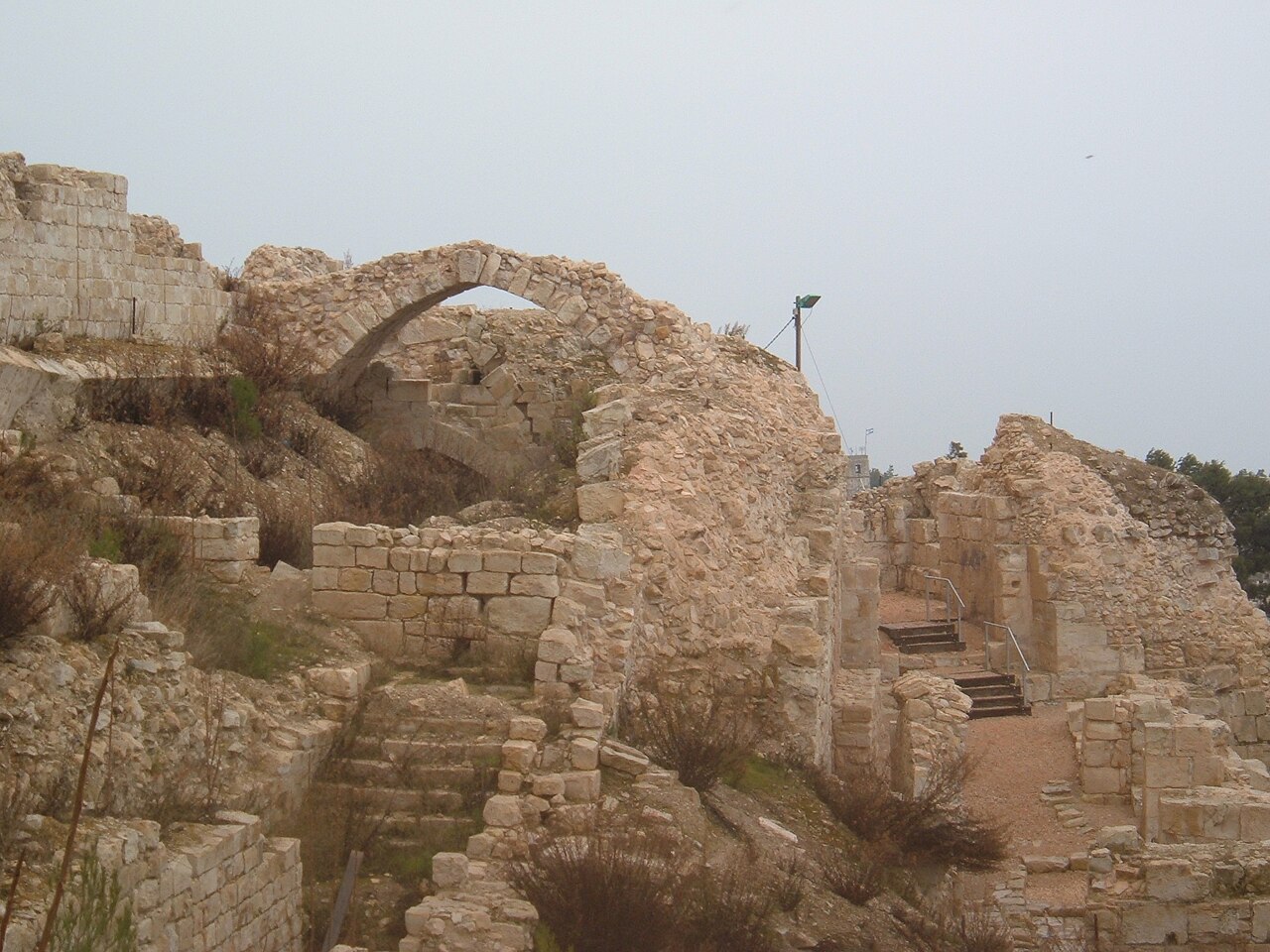
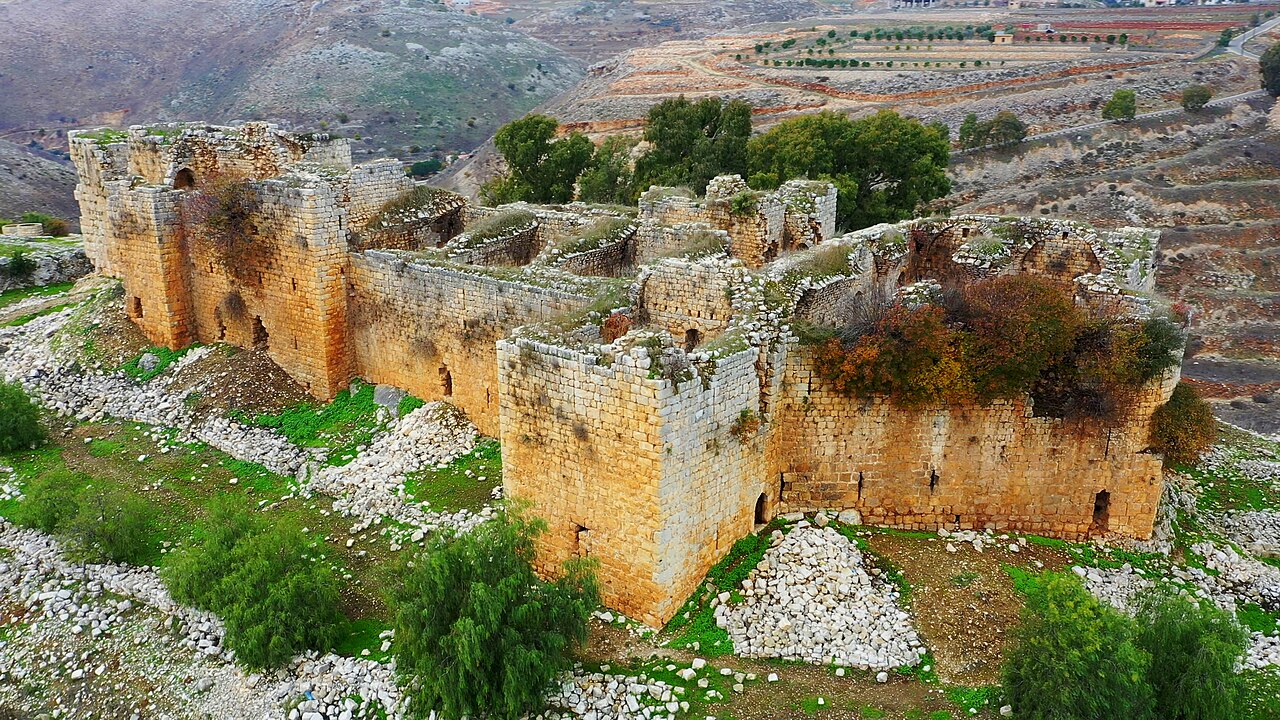
While only ruins remain today, historical records indicate that Ateret Fortress was constructed in the typical High Medieval military architectural style favored by the Knights Templar. The castle likely featured stone curtain walls, defensive towers, and a fortified gatehouse designed to withstand sieges. Its design would have incorporated elements to maximize defense along the riverbank, including battlements and arrow slits.
Castle layout and defenses
The fortress's layout was probably compact, optimized for a garrison of knights and soldiers tasked with guarding the ford. Defensive features would have included a moat or ditch, though the proximity to the river may have served as a natural barrier. The walls would have been thick and reinforced to resist battering and scaling attempts.
Historical context and military significance
Ateret Fortress was constructed during a period of intense conflict between the Crusader states and Muslim powers in the Levant. The castle was part of a network of fortifications established to consolidate Crusader control and protect key routes. However, its strategic value also made it a prime target for Muslim forces seeking to reclaim territory.
In 1179, the fortress was besieged and destroyed by the army of Saladin, the Sultan of Egypt and Syria. Saladin's forces aimed to eliminate Crusader strongholds that threatened Muslim lands. The fall of Ateret Fortress marked a significant setback for the Kingdom of Jerusalem's eastern defenses and demonstrated Saladin's growing dominance in the region.
Archaeological remains and current condition
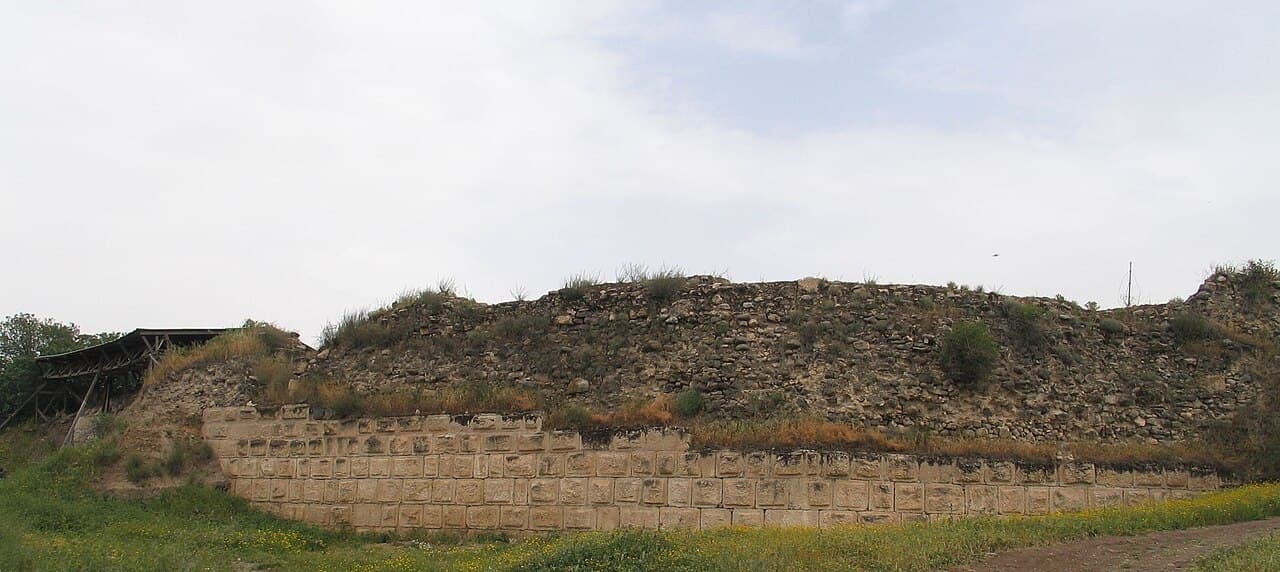
Today, Ateret Fortress exists as archaeological ruins at the site near Jacob's Ford. Excavations have uncovered remnants of the castle's walls and foundations, offering insights into its construction and layout. The ruins reflect the typical features of Crusader military architecture but are limited in extent due to the castle's destruction and subsequent erosion.
The site is of interest to historians and archaeologists studying the Crusader period and the military strategies employed in the Levant. It also holds cultural significance as a testament to the turbulent history of the region during the 12th century.
Legacy and cultural significance
Ateret Fortress symbolizes the intense military and religious conflicts of the Crusades era. Its brief existence and destruction by Saladin's forces highlight the shifting power dynamics between Christian and Muslim rulers in the medieval Near East. The castle's ruins serve as a historical reminder of the Crusader presence and the enduring impact of their fortifications on the landscape of Israel.
Frequently asked questions (FAQ)
- What is the historical significance of Ateret Fortress?
- Ateret Fortress is a significant archaeological site in Israel, known for its strategic location and role during various historical periods, including the Crusader and Ottoman eras. The fortress offers insights into medieval military architecture and the region's tumultuous history. Visitors can explore the remnants of the fortifications and learn about the battles that took place here.
- When was Ateret Fortress built?
- Ateret Fortress was constructed in the late 12th century during the Crusader period. It was a vital stronghold for the Crusaders, serving as a defensive structure against rival forces. The architecture reflects the military needs of the time and the influence of various cultures.
- Can I visit Ateret Fortress year-round?
- Yes, Ateret Fortress is open to visitors throughout the year, although specific opening hours may vary seasonally. It is advisable to check the official website or local tourist information for the most current visiting hours. This allows for flexible planning for your visit.
- What are the opening hours for Ateret Fortress?
- Ateret Fortress typically opens at 9 AM and closes at 5 PM, but hours may vary on holidays and weekends. It's recommended to verify timings before your visit to ensure you have ample time to explore the site. Arriving early in the day can enhance your experience with fewer crowds.
- Is Ateret Fortress accessible for visitors with disabilities?
- While efforts have been made to make Ateret Fortress accessible, some areas may pose challenges due to the historical architecture and terrain. It is best to contact the site in advance to inquire about specific accessibility options and accommodations available for visitors with disabilities. The staff is usually willing to assist with any needs.
- What is the best time to visit Ateret Fortress?
- The best time to visit Ateret Fortress is during the spring (March to May) and fall (September to November) when the weather is milder and more pleasant for outdoor exploration. Summer can be quite hot, while winter may bring rain, making these shoulder seasons ideal for a comfortable visit. Plan your trip accordingly to enjoy your experience fully.
- Are there any nearby attractions to visit after Ateret Fortress?
- Yes, there are several attractions near Ateret Fortress, including the stunning landscapes of the Galilee region and historical sites like the ancient city of Acre. Visitors can also explore local markets and cultural sites in nearby towns. Combining your visit to Ateret Fortress with these attractions can create a rich historical and cultural experience.
- How much does it cost to enter Ateret Fortress?
- The entry fee for Ateret Fortress is generally modest, with discounts available for children, students, and seniors. It's advisable to check the official website for the latest pricing and any special offers or group rates. This makes it an affordable option for families and history enthusiasts alike.
Photo gallery

Information
Loading map...
Visitor reviews
No reviews yet. Been here? Write the first review and help other travelers!
Write the first reviewVisited this castle? Share your experience
Your review helps other travelers and adds first-hand knowledge to our encyclopedia.