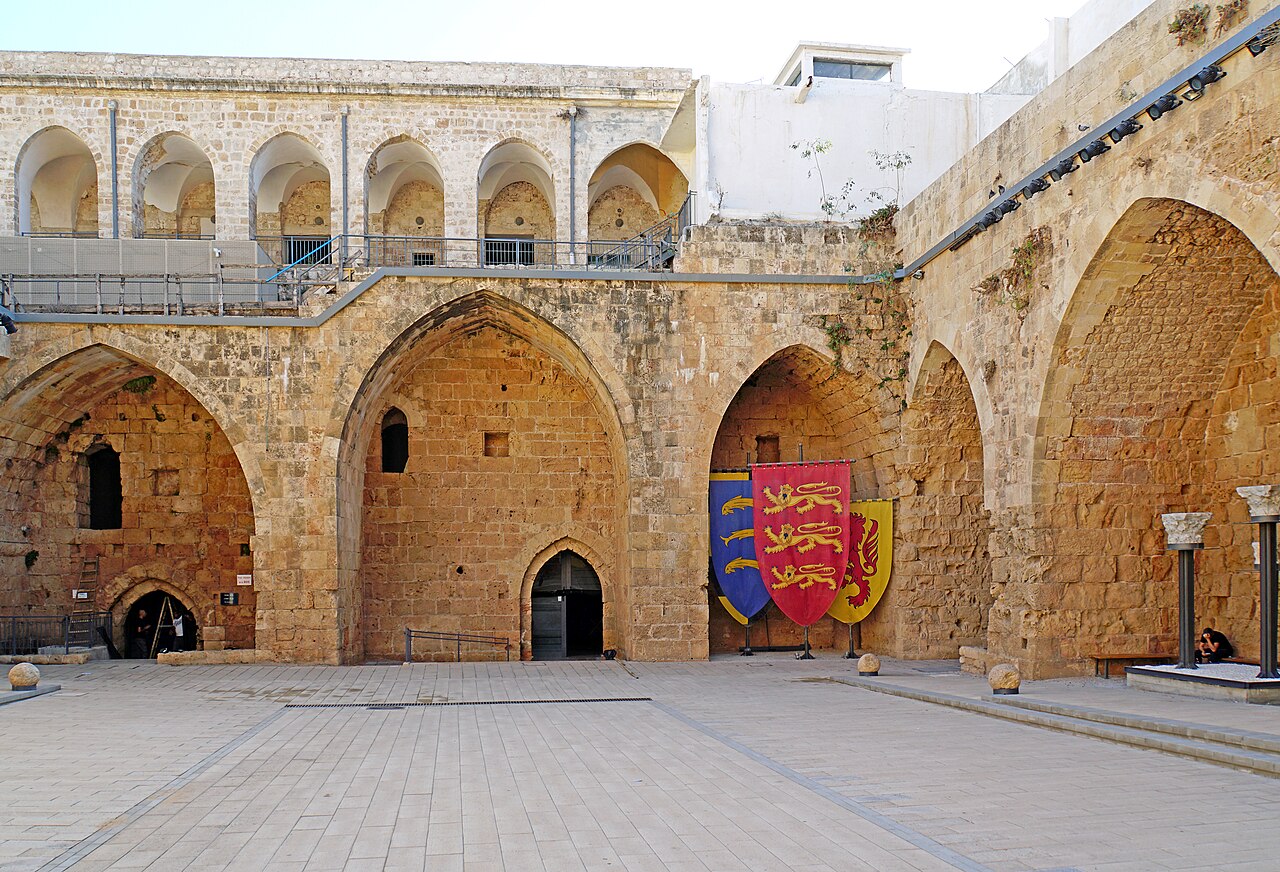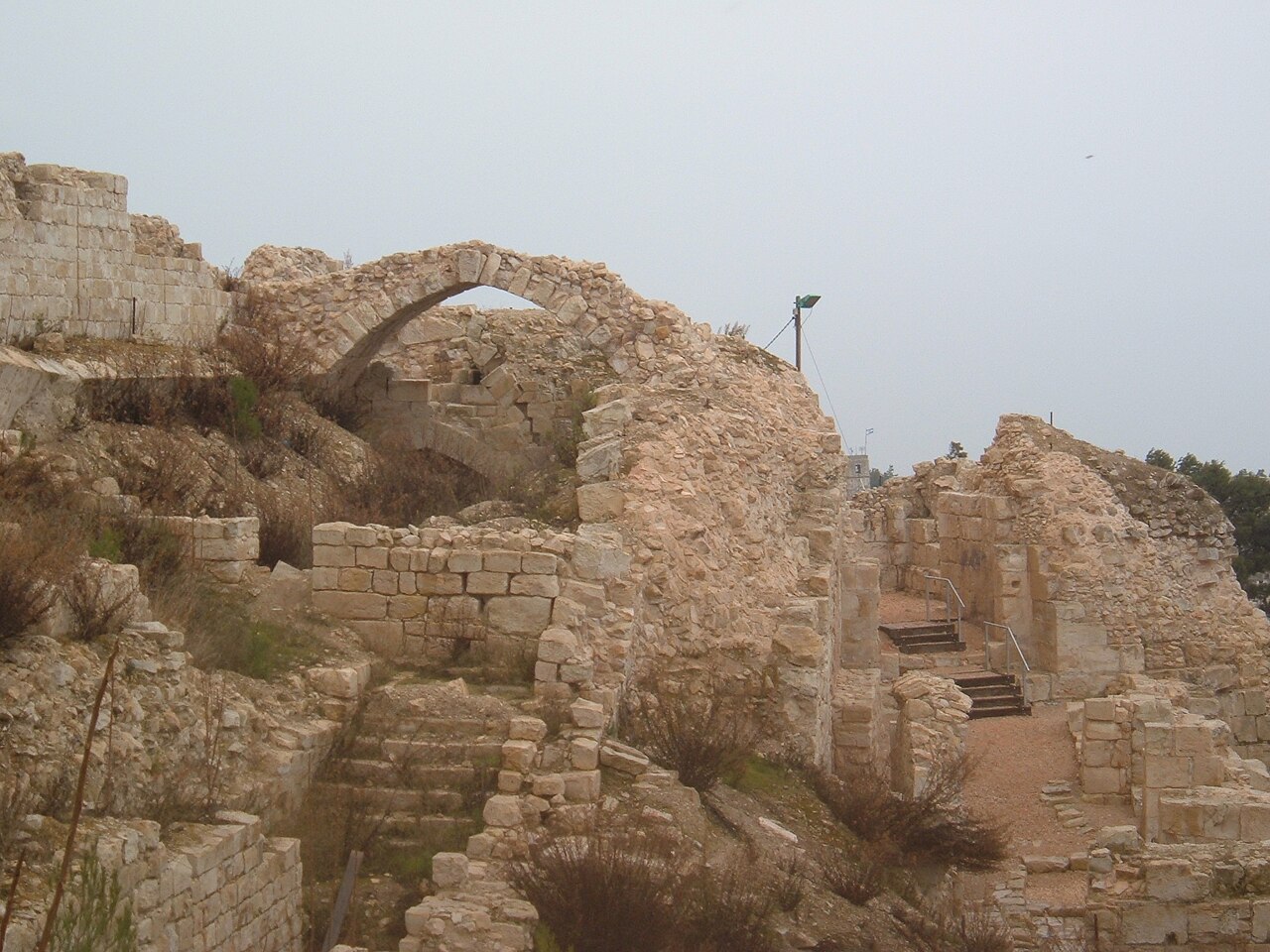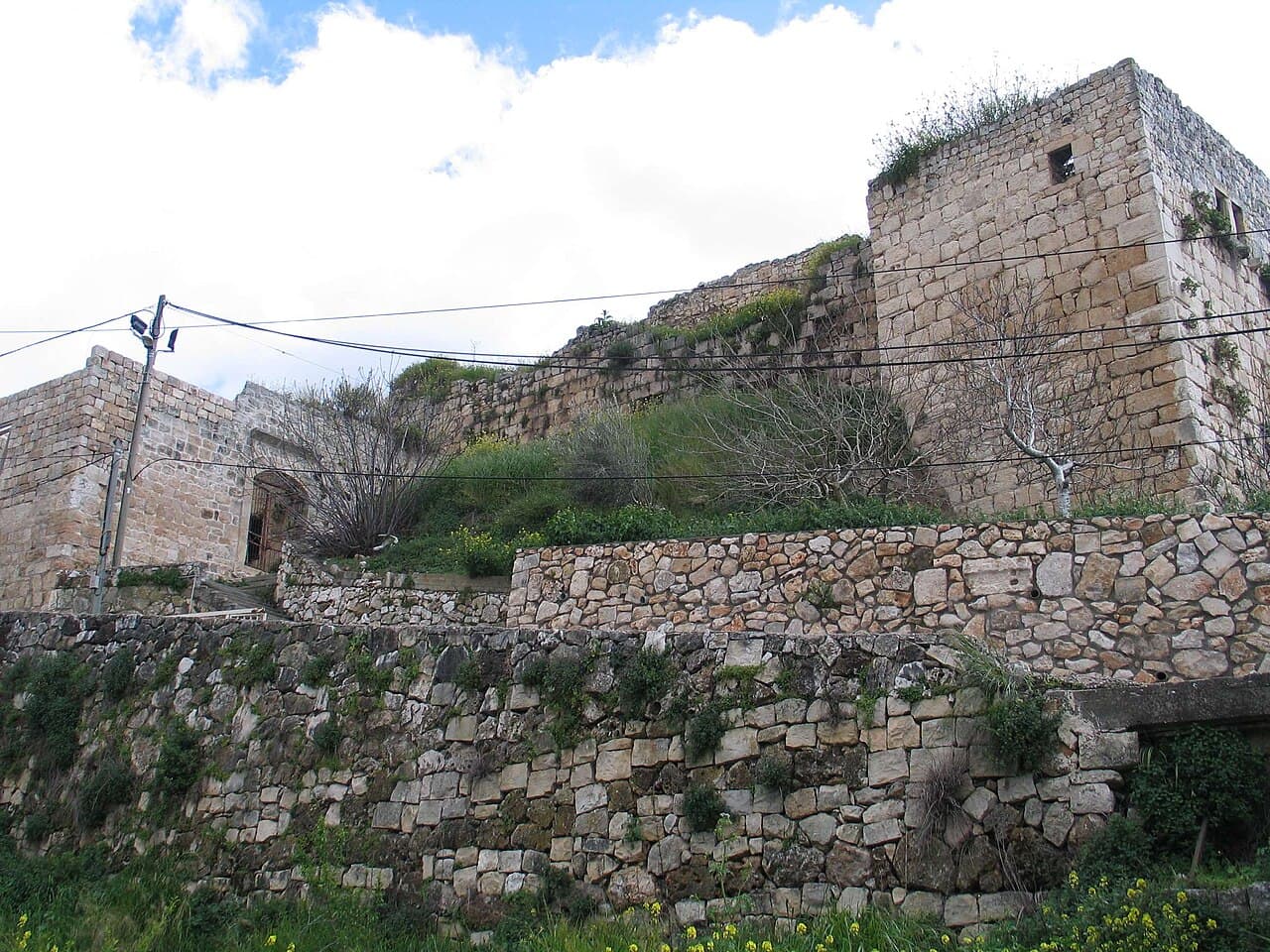
King's Castle — Israel castle

King's Castle

King's Castle archaeological ruins in Israel
Ruins

King's Castle is an important archaeological site located in Israel, known primarily for its extensive ruins that offer insight into the region's ancient fortifications. Although the precise city location remains unidentified, the site provides valuable evidence of historical defensive architecture in the area.

The castle is classified as an archaeological ruin, reflecting its current state of preservation. The remains consist mainly of foundational walls, fragments of towers, and other structural elements that once formed a fortified complex. These ruins are crucial for understanding the military and political history of the region during antiquity and the early medieval period.

Historical significance and context

The site of King's Castle likely dates back to a period when fortifications were essential for controlling strategic routes and protecting settlements. While the exact construction date is uncertain, the castle's ruins suggest a timeline that could span from the late Iron Age through various historical periods in the Levant. The castle's remains indicate it played a role in regional defense and administration, serving as a stronghold for local rulers or military commanders.

Architectural features of the ruins

The ruins at King's Castle reveal a typical layout of ancient fortifications, including remnants of thick defensive walls built from large stone blocks. Portions of towers or bastions are visible, which would have provided vantage points for surveillance and defense. The presence of a possible gatehouse area suggests controlled access to the castle grounds, a common feature in military architecture designed to withstand sieges.

Although much of the superstructure has been lost to time, the foundational elements allow archaeologists to reconstruct the castle's original form and understand its defensive capabilities. The ruins also show evidence of modifications and repairs, indicating that the castle was used and maintained over an extended period.

Archaeological research and preservation efforts

Excavations at King's Castle have uncovered artifacts and structural details that contribute to the broader knowledge of fortification methods in ancient Israel. The site provides an opportunity to study construction techniques, materials, and the strategic importance of castles in the region's history.

Preservation of the ruins is ongoing, with efforts focused on stabilizing the remaining structures to prevent further deterioration. The site is accessible to researchers and, in some cases, visitors interested in exploring the tangible remnants of Israel's historical fortifications.

Visitor information and cultural importance

While the exact location and visitor facilities are limited due to the site's archaeological nature, King's Castle remains a point of interest for historians, archaeologists, and cultural heritage enthusiasts. The ruins offer a glimpse into the past defensive strategies and architectural practices of ancient societies in the Levant.

King's Castle contributes to the understanding of regional history and serves as a reminder of the strategic importance of fortified sites throughout Israel's long and complex past.

Frequently asked questions (FAQ)

How do I get to King's Castle?
You can reach King's Castle by taking public transportation or driving, as it is well-connected to major roads in Israel. The nearest bus stop is just a short walk away, making it accessible for visitors using public transport. Additionally, there are parking facilities available for those who choose to drive.
What is the historical significance of King's Castle?
King's Castle is a significant historical site that dates back to the medieval period, reflecting the architectural styles and military strategies of its time. It served as a stronghold for various rulers and has witnessed many historical events over the centuries. Today, it stands as a testament to the rich cultural heritage of the region.
When was King's Castle built?
King's Castle was constructed in the 12th century during the Crusader period and has undergone several renovations since then. Its strategic location made it an important fortress in the defense against invading forces. The castle's architecture showcases the military ingenuity of its builders.
Can I take guided tours of King's Castle?
Yes, guided tours are available at King's Castle, providing visitors with in-depth insights into its history and architecture. These tours are conducted by knowledgeable guides who can share fascinating stories and facts about the castle. It is advisable to check the schedule and book in advance, especially during peak tourist seasons.
Why is King's Castle considered a popular tourist destination?
King's Castle attracts visitors due to its impressive architecture, rich history, and picturesque views of the surrounding landscape. It offers a unique glimpse into the medieval past of Israel and is a perfect spot for history enthusiasts and photography lovers alike. The castle's well-preserved structures and scenic surroundings create an enchanting experience for all visitors.
Is it possible to visit King's Castle year-round?
Yes, King's Castle is open to visitors year-round, though opening hours may vary by season. It is a good idea to check the official website for the latest information on visiting hours and any seasonal events. This flexibility allows visitors to explore the castle at their convenience throughout the year.
What are the ticket prices for visiting King's Castle?
Ticket prices for King's Castle vary depending on age and type of visit, with discounts available for children, students, and seniors. It's best to purchase tickets online in advance to avoid long queues at the entrance. Group rates may also be available, making it a great option for schools and organizations.
What is the best time to visit King's Castle?
The best time to visit King's Castle is during the spring and fall when the weather is mild and pleasant. These seasons also tend to attract fewer crowds, allowing for a more enjoyable experience. Additionally, visiting during these times lets you enjoy the surrounding natural beauty at its peak.
Are there any nearby attractions to visit after King's Castle?
Yes, there are several attractions near King's Castle, including ancient ruins, local markets, and scenic hiking trails. Visitors can explore the nearby historical sites or enjoy the natural beauty of the region. Many tourists choose to make a day of it by visiting multiple attractions in the area.

Photo gallery

King's Castle
Click to view

Photo by Bukvoed•CC BY 3.0

1 photo • Click any image to view in full screen

Information

Archaeological Site / Ruins

Loading map...

Visitor reviews

No reviews yet. Been here? Write the first review and help other travelers!

Write the first review

Visited this castle? Share your experience

Your review helps other travelers and adds first-hand knowledge to our encyclopedia.
Write a review

(5/5)

0/2000 characters

Your review will be visible after admin approval

Nearby castles

3.7 km
Montfort Castle — Israel castle

Montfort Castle

Eilon, Israel

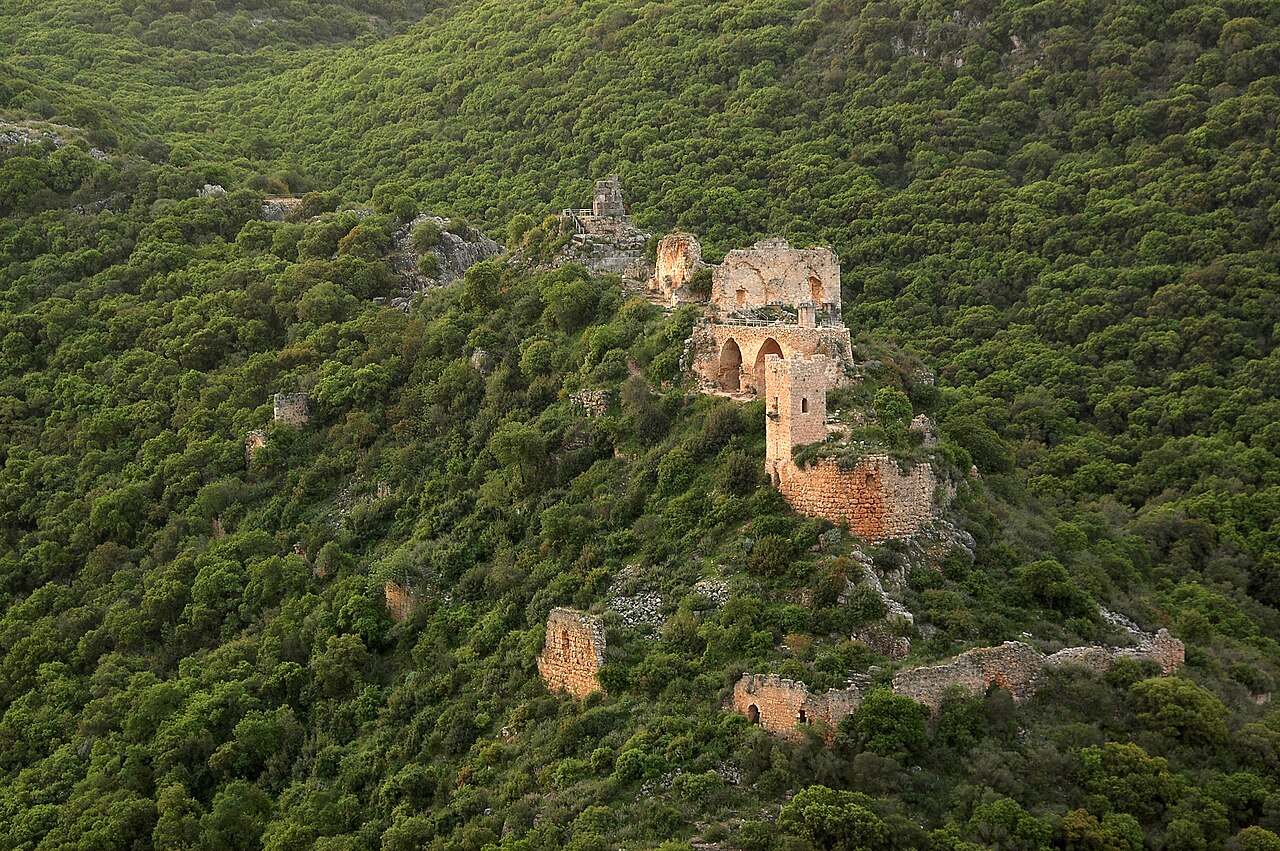
Montfort Castle stands as a remarkable example of a High Medieval hill castle in the Upper Galilee region of northern Israel. Built in the 12th century, it served as the principal fortress of the Teutonic Order in the Holy Land. Today, the castle is a protected ruin within a national park, offering visitors a glimpse into the military, administrative, and religious life of the Crusader period. Its location atop a narrow, steep ridge overlooking the Nahal Kziv stream provided natural defenses that were enhanced by impressive man-made fortifications. Historical background and strategic importance The origins of Montfort Castle trace back to a fortified agricultural estate established by the French noble family de Milly in the mid-12th century. This estate was part of a broader network of Crusader settlements in the Galilee, with the family’s main seat at Mi’ilya. Ownership passed through marriage to Joscelin de Courtenay in 1179, who further fortified the estate, reflecting its growing importance. Montfort's strategic value was unique among Crusader castles. Unlike typical military fortresses built to control key routes or borders, Montfort was primarily intended as a secure administrative center. The Teutonic Knights acquired the property in 1220, transforming it into their main headquarters away from the rival military orders in Acre. The castle housed archives, treasury, and served as a symbol of the Order’s presence in the region. The castle’s history is intertwined with major Crusader and Muslim conflicts. After the devastating Battle of Hattin in 1187, Saladin’s forces captured Montfort, but its inland and isolated location meant it was of limited military interest to the Muslims. Following the Third Crusade (1189–1192), the Crusaders regained control, and the castle became a vital stronghold for the Teutonic Knights. Montfort withstood a siege by Mamluk Sultan Baibars in 1266, but fell after a prolonged siege in 1271. The defenders surrendered with honors, and Baibars ordered the castle’s systematic destruction to prevent its reuse. This marked the end of Montfort as a Crusader fortress, and the Teutonic Order subsequently relocated its headquarters to Venice. Architectural design and defensive features Montfort is a classic example of a spur castle, built on a narrow ridge projecting from a larger hill. This topographical advantage provided natural protection on most sides, with fortifications concentrated on the vulnerable eastern side where the ridge connected to higher ground. Fortifications and layout The castle’s defenses included two dry moats cutting across the eastern approach, supplemented by a massive D-shaped keep tower that served as the final refuge and residence. The keep’s thick walls and elongated windows reflect its dual defensive and residential functions. The main entrance was guarded by a three-story gate tower on the western side, leading into a zwinger or narrow enclosed courtyard designed as a killing ground for attackers. The upper ward, or castle proper, consisted of a linear arrangement of buildings between the eastern keep and western administrative complex. Residential and administrative buildings The western complex housed vaulted halls for administration on the ground floor, a ceremonial hall above, and private quarters on the top floor. Adjacent to these was a church, of which only the southern wall remains, highlighting the integration of religious and secular life within the castle. Below the main buildings, the castle featured storerooms, workshops, and a wine press, indicating a self-sufficient operation. The presence of a water-powered mill near the stream and a dam for irrigation demonstrates advanced water management supporting the castle’s economy. Military history and sieges Montfort’s military history is marked by two significant sieges by the Mamluk Sultan Baibars. The first siege in 1266 was repelled by the defenders, showcasing the strength of the castle’s fortifications and garrison. However, in 1271, Baibars returned with enhanced siege technology and engineering units, breaching the walls after about two weeks. The defenders retreated to the keep but eventually surrendered under negotiated terms allowing safe passage. Following the surrender, Baibars ordered the castle’s demolition over twelve days to ensure it could not be reoccupied by Crusader forces. This destruction left Montfort largely in ruins, with only the keep and some fortifications surviving. The fall of Montfort symbolized the waning Crusader presence in the Holy Land and the rise of Mamluk dominance. Archaeological excavations and preservation Archaeological interest in Montfort began in the early 20th century, with systematic excavations starting in 1926. These investigations have uncovered extensive remains of the castle’s fortifications, residential buildings, and artifacts such as weapons, armor fragments, stained glass, and heraldic items. Recent research has refined understanding of the castle’s layout, construction phases, and the daily life of its inhabitants. The site is now a national park within the Nahal Kziv nature reserve, attracting tourists and scholars alike. Preservation efforts focus on maintaining the structural integrity of the surviving walls, towers, and keep, while providing interpretive materials to educate visitors about the castle’s historical significance and architectural features. Montfort castle’s cultural and heritage significance Montfort Castle remains a powerful symbol of the Crusader era and the Teutonic Order’s role in the medieval Holy Land. Its unique function as an administrative and military center, combined with its dramatic location and well-preserved ruins, make it a key heritage site. The castle’s story reflects the complex interactions between Crusader and Muslim powers, the evolution of military architecture, and the challenges faced by religious military orders in maintaining their foothold far from Europe. Today, Montfort is not only a destination for history enthusiasts but also a site for cultural events and educational programs, ensuring its legacy endures for future generations.

High Medieval (11th–13th c.)
Details
21 km
Citadel of Acre — Israel castle

Citadel of Acre

Acre, Israel

The Citadel of Acre, also known as the Hospitaller commandery of Saint-Jean-d'Acre, is a monumental bastioned fortress located in the historic city of Acre, Israel. This fortress complex was established by the Order of St. John of Jerusalem, commonly referred to as the Knights Hospitaller, during the 13th century. The citadel served as the military and administrative headquarters of the Order until the city's fall in 1291, marking a significant chapter in the Crusader presence in the Holy Land.Historical context and significanceThe Citadel of Acre played a pivotal role during the later Crusades as the principal stronghold of the Knights Hospitaller. Following the loss of Jerusalem, Acre became the de facto capital for the Crusader states, and the citadel was the centerpiece of their defense and governance. The fortress witnessed numerous sieges, most notably the Siege of Acre (1291), which culminated in the fall of the city to the Mamluks and effectively ended Crusader control in the region.The fortress's strategic coastal location on the Mediterranean Sea made it a crucial naval base and a hub for military operations and logistics. Its capture marked a turning point in the history of the Crusades and the balance of power in the eastern Mediterranean.Architectural features and layoutThe Citadel of Acre is a classic example of a bastioned fortress, characterized by its robust defensive walls, angular bastions designed to deflect cannon fire, and thick curtain walls. The complex includes massive towers, fortified gates, and extensive ramparts that provided overlapping fields of fire against attackers.The fortress's design reflects the evolution of military architecture in the late medieval period, integrating both traditional Crusader fortification elements and adaptations to emerging siege technologies such as trebuchets and early gunpowder weapons. Within the citadel, there were numerous chapels, halls, and living quarters for the knights and their retinue, as well as storage facilities for arms and provisions.Defensive structuresThe bastions are positioned to cover all approaches to the fortress, allowing defenders to repel assaults from land and sea. The walls are punctuated by arrow slits and murder holes to maximize defensive capabilities. A deep moat surrounded parts of the citadel, enhancing its impregnability.Internal buildings and facilitiesInside the fortress, the commandery complex included a great hall where the knights convened, a chapel dedicated to St. John, and residential quarters arranged to support the Order's military and religious functions. The layout was designed to facilitate both defense and daily monastic life.The siege and fall of acre in 1291The Siege of Acre in 1291 was a decisive event that ended the Crusader presence in the Holy Land. The Mamluk forces launched a massive assault on the city and its fortifications, including the Citadel of Acre. Despite the fortress's formidable defenses, the Mamluks breached the walls after prolonged fighting.The fall of Acre marked the collapse of the last major Crusader stronghold in the region, forcing the Knights Hospitaller and other Crusader factions to retreat. The event had profound implications for the political and military landscape of the eastern Mediterranean.Preservation and modern significanceToday, the Citadel of Acre stands as a significant archaeological and historical site. Its ruins offer valuable insights into Crusader military architecture and the complex history of the Crusades. The site is part of the Old City of Acre, a UNESCO World Heritage Site, recognized for its outstanding cultural and historical value.Visitors to Acre can explore the extensive remains of the fortress, including its walls, towers, and internal chambers, gaining a vivid understanding of medieval fortification techniques and the life of the Knights Hospitaller. The citadel remains a symbol of the turbulent history of the Crusader period and the enduring legacy of medieval military orders in the Holy Land.

Late Medieval (14th–15th c.)
Details
22.8 km
Safed Castle — Israel castle

Safed Castle

Safed, Israel

Safed Castle, also known as Safed Fortress or the Citadel of Safed, stands as a monumental relic atop the highest city in Israel, Safed, perched nearly 1,000 meters above sea level. This hill castle commands sweeping views over the Sea of Galilee, the Upper Galilee mountains including Mount Meron, and the Golan Heights, making it a site of immense strategic and historical significance. The castle's location atop a prominent hill allowed it to serve both military and communicative functions throughout its long history. Originally occupied during the Canaanite Bronze and Iron Ages, the site evolved through multiple civilizations and epochs. The fortress as it is known today was largely shaped during the high medieval period, particularly by the Crusaders and later the Mamluks. Its layered history reflects the complex political and military struggles of the region. Today, the castle ruins and the surrounding park serve as a poignant memorial and a popular tourist destination, offering visitors a glimpse into the past alongside stunning panoramic vistas. Early history and strategic importance The earliest known occupation of the Safed Castle site dates back to the Canaanite period, with archaeological evidence indicating fortifications during the Second Temple period. The Jewish historian Josephus fortified the stronghold during the First Jewish–Roman War to defend against Roman advances. This early military use established Safed as a key defensive position overlooking vital trade routes and fertile lands. During the early Muslim period, the site was marked by a single tower known as "Burj al-Yatim," emphasizing its continued strategic relevance. The castle's elevated position made it an ideal lookout and signaling point, a function that persisted into later periods, including its use by early Jewish kingdoms to announce the new month to distant communities. The crusader fortress: construction and expansion In 1102, the Crusaders built a substantial fortress on the remains of earlier structures, establishing Safed as a major military stronghold in the region. The fortress underwent significant expansion in 1140 under King Fulk of Jerusalem, who enhanced its defenses to withstand increasing threats from Muslim forces. By 1168, the fortress came under the control of the Knights Templar, who fortified it further with robust walls, towers, and defensive features typical of Crusader military architecture. The fortress was designed with a double line of defensive walls, a deep moat, and multiple towers to provide overlapping fields of fire and protection. The Crusader period left a lasting architectural legacy visible in the fortress's vaulted halls with characteristic pointed Gothic arches and the imposing gate towers. The fortress was not only a military bastion but also a symbol of Crusader presence in the Holy Land. Sieges and changes in control Following the decisive Battle of Hattin in 1187, Muslim forces led by Salah ad-Din (Saladin) besieged Safed Castle, capturing it in 1188. The fortress then passed to the Ayyubid dynasty, who ruled it for nearly fifty years, with a brief period under the Teutonic Order. In the early 13th century, the Ayyubid emir al-Mu’azzam Isa partially dismantled the fortress to prevent its recapture by Crusaders. However, the Crusaders regained Safed in 1240 through negotiations and undertook extensive rebuilding, making it one of the largest and most formidable Crusader fortresses in the region. Mamluk reconstruction and architectural enhancements The fortress fell to the Mamluk Sultan Baibars in 1266 after a six-week siege. Baibars ordered the execution of most defenders and established Safed as the administrative center for the Galilee district. The Mamluks undertook major reconstruction efforts, adding two massive towers: a round victory tower approximately 60 meters tall and a gate tower at the southwest corner. The round victory tower was notable for its large rock-carved water cistern at its base, essential for sustaining the garrison during prolonged sieges. The gate tower, measuring about 15 by 20 meters, served as a formidable entrance defense. Mamluk architects also added utility buildings, paved access ramps, and finely carved stonework, including arches and archivolts adorned with floral motifs and symbolic carvings such as a roaring lion representing Sultan Baibars. Defensive features and layout The fortress encompassed an area of roughly four hectares, enclosed by a double line of walls approximately 28 meters high. The inner wall measured about 580 meters in circumference, while the outer wall extended around 850 meters, separated by a deep moat up to 18 meters deep and 13 meters wide. Seven heavily fortified towers along the outer wall rose to about 26 meters, providing comprehensive defensive coverage. Within the walls, vaulted halls with pointed Gothic arches reflected the Crusader architectural influence, while Mamluk additions enhanced the fortress's resilience and functionality. The moat and walls created a formidable obstacle for any attackers, demonstrating advanced medieval military engineering. Damage, decline, and archaeological rediscovery The fortress suffered significant damage from major earthquakes in 1303 and 1837. The 1837 earthquake was particularly devastating, leading to the fortress's abandonment and the removal of many stones by locals for other building projects. Despite restoration efforts by the Mamluks in 1475 and limited repairs in the 18th century under Daher al-Omar, the fortress gradually lost its strategic importance during the Ottoman period. In 1799, Napoleon's troops briefly occupied the fortress during their campaign in the region. Archaeological excavations began in 1875 and have continued intermittently since 1961, uncovering layers of the fortress's complex history, including Crusader and Mamluk architectural remains. Today, the site includes a visitor path that navigates the exposed ruins, a layered garden that protects archaeological features, and a memorial garden honoring local individuals who died in war. The fortress's ruins, combined with the natural beauty of the surrounding park, offer a compelling destination for history enthusiasts and tourists alike. Role in the 1948 arab-israeli war and modern significance During the 1948 Arab-Israeli War, Safed Castle played a critical role. Fierce fighting culminated in Jewish forces capturing the fortress on May 10, 1948. The castle's commanding position had been used by local Arab forces to bombard the Jewish Quarter below, making its capture a strategic military victory. This event contributed to the subsequent departure of much of Safed's Arab population. In 1951, the Israeli government established a national memorial at the site, including a spire monument and a surrounding park, commemorating the battle and the soldiers who fought there. The castle remains a symbol of resilience and historical continuity, attracting visitors who come to explore its ruins, enjoy the panoramic views, and connect with the layered history of the Galilee region. Visitor experience and cultural context The castle's elevated vantage point offers breathtaking views of the Safed Artists’ Quarter, renowned for its galleries and art exhibits. Visitors can explore the excavated Crusader fortress sections, picnic within the ruins, and enjoy the wooded park that surrounds the site. The combination of natural beauty, historical depth, and cultural vibrancy makes Safed Castle a unique destination in northern Israel.

High Medieval (11th–13th c.)
Details