Sadowara Castle
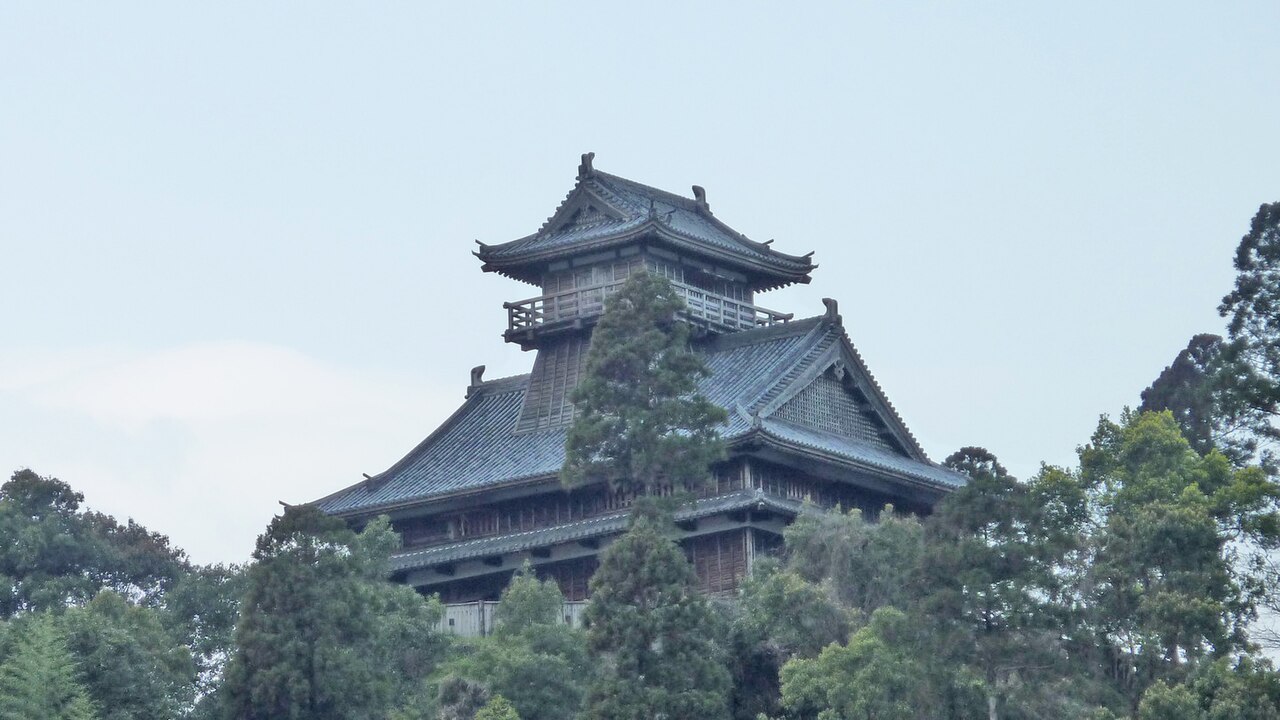
Sadowara Castle (佐土原城, Sadowara-jō), also known historically as Tsurumatsu Castle (鶴松城, Tsurumatsu-jō) and later Shōkaku Castle (松鶴城, Shōkaku-jō), is a significant hill castle located in the Sadowara neighborhood of Miyazaki city, within Miyazaki Prefecture on the island of Kyushu, Japan. This castle is notable for its strategic position and historical importance during Japan's late medieval period, particularly throughout the Sengoku period (1467–1615), a time marked by intense military conflict and political upheaval.
Historical significance and clan ownership
Constructed in the 14th century, Sadowara Castle served as a formidable stronghold for the Itō clan, a powerful samurai family that controlled parts of Hyūga Province (present-day Miyazaki Prefecture). The castle's location on a hill provided a commanding view over the surrounding terrain, making it a critical defensive site during the frequent conflicts of the era.
Later, control of the castle passed to the Shimazu clan, one of the most influential samurai families in southern Japan. The Shimazu were known for their military prowess and extensive domain across Kyushu. Shimazu Toyohisa, a notable warrior of the clan, was appointed commander of the castle, underscoring its importance within the clan's defensive network.
Role during the edo period and sadowara domain
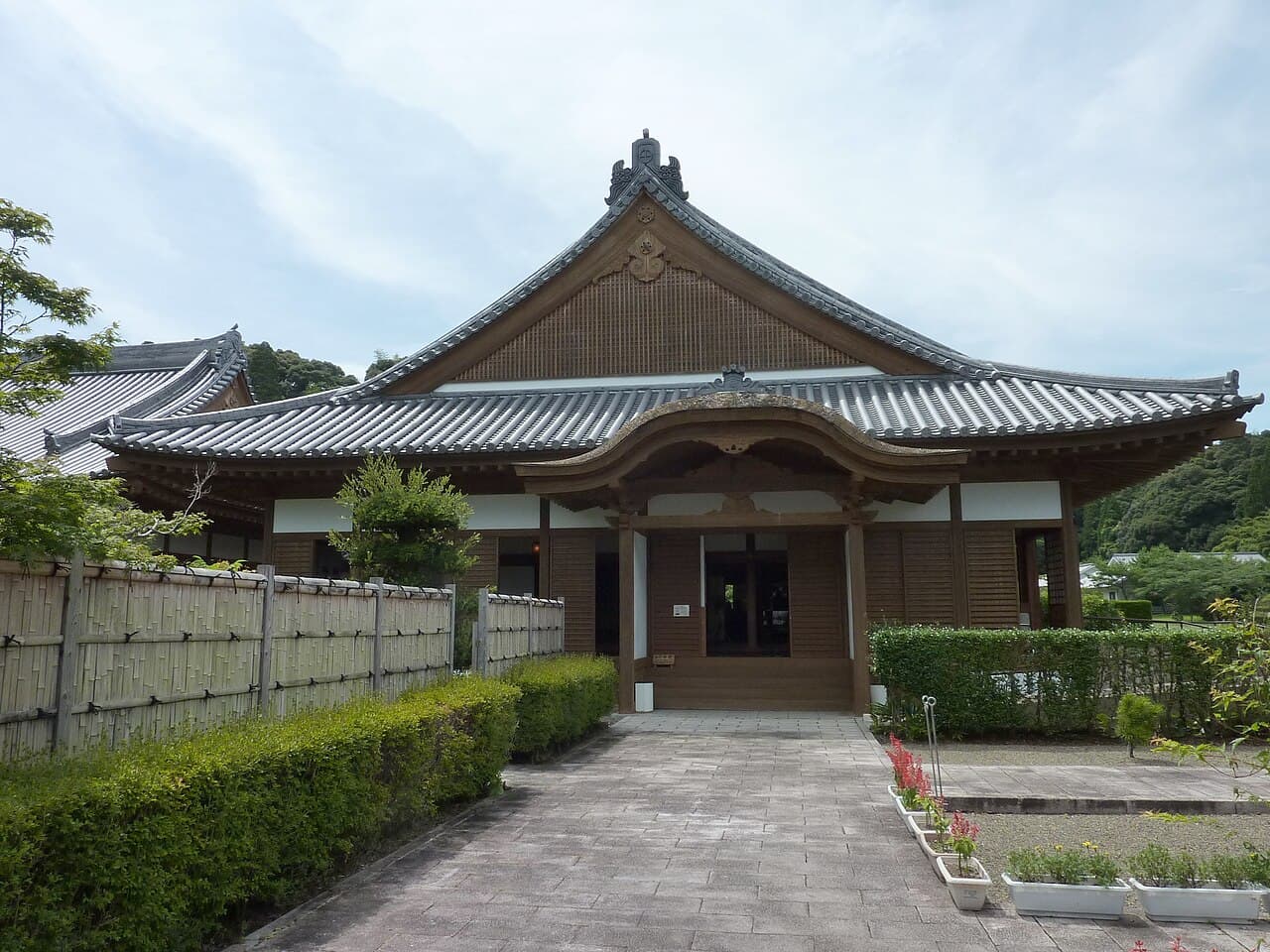
With the establishment of the Edo period under the Tokugawa shogunate in the early 17th century, Sadowara Castle became the administrative center of the Sadowara Domain. This domain governed a portion of Hyūga Province from 1603 until the abolition of the feudal system in 1871. The castle complex was adapted to serve both military and governmental functions, reflecting the relative peace and stability of the Edo era.
During this time, the castle likely underwent renovations to accommodate the changing needs of its occupants, including the construction of residential quarters, administrative offices, and defensive enhancements suited to the period's military technology.
Architectural features and castle layout
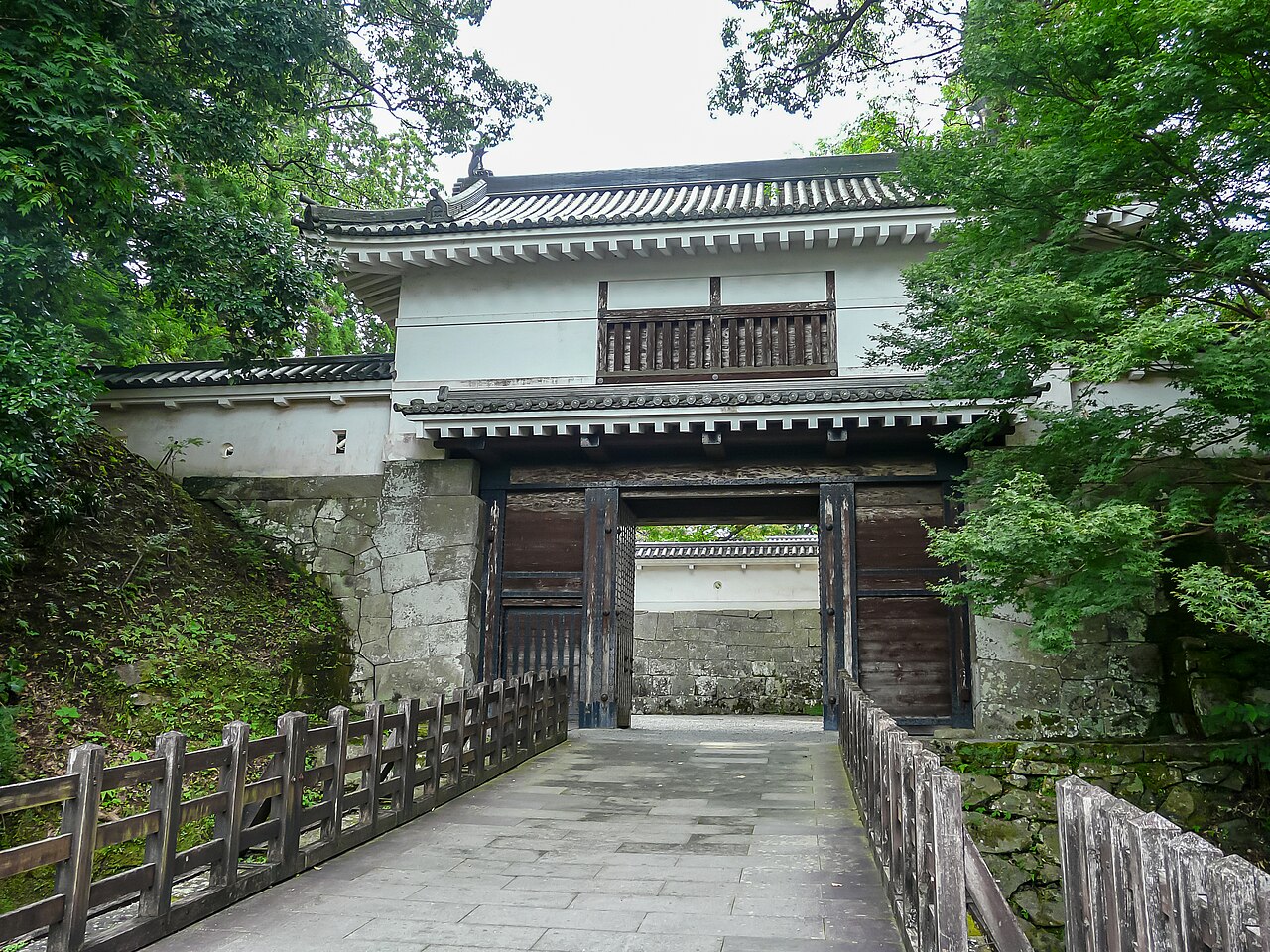
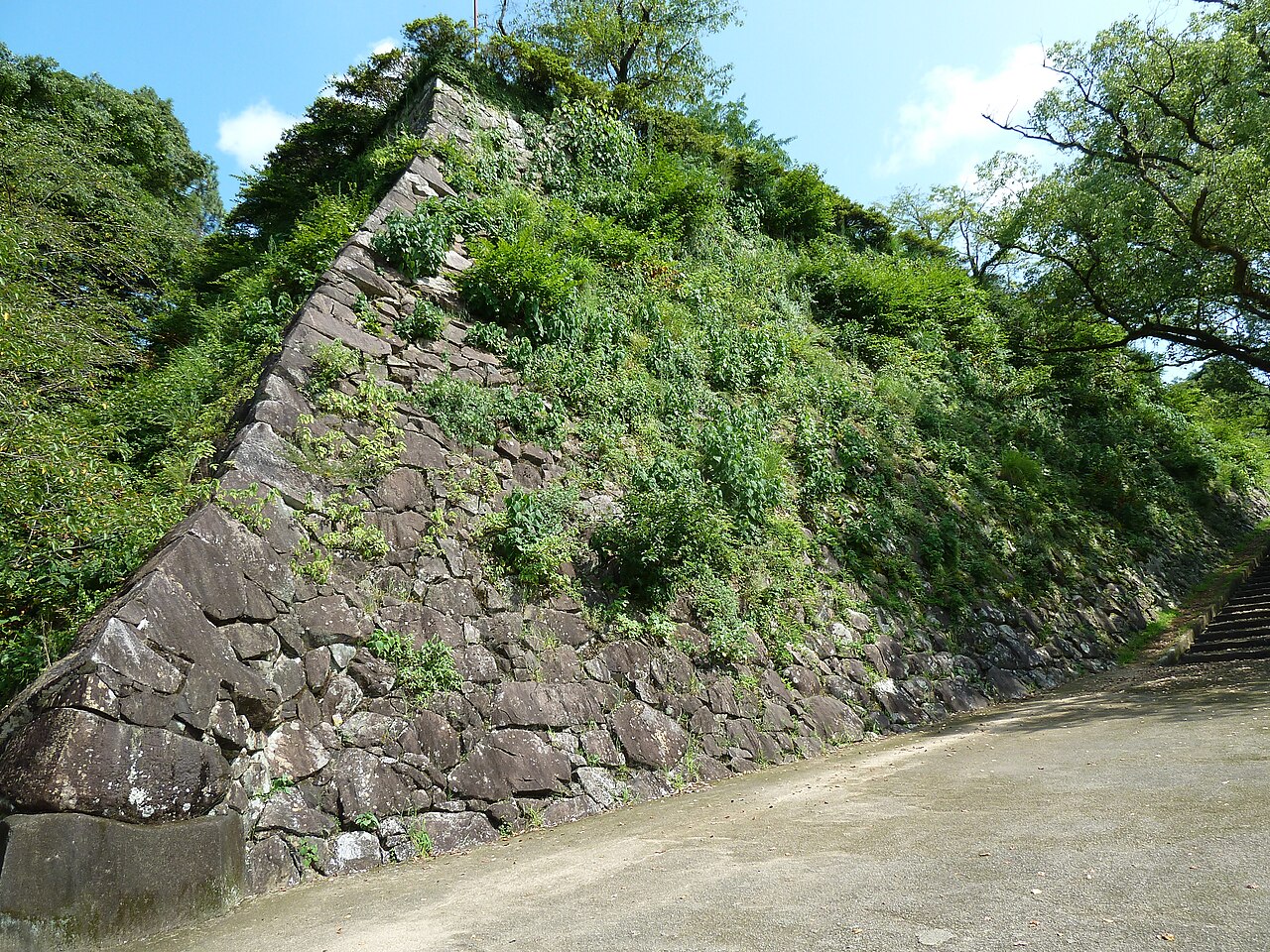
Sadowara Castle exemplifies the characteristics of a Japanese hill castle (yamajiro), utilizing the natural topography for defense. The castle's design incorporated multiple baileys (kuruwa) arranged on terraced hillsides, connected by gates and stone walls. These terraces provided layered defense lines, making direct assaults difficult.
The castle's fortifications included stone walls (ishigaki), earthworks, and wooden palisades. The main enclosure (honmaru) housed the lord's residence and key administrative buildings. Although the castle did not feature a large tenshu (main keep) like some contemporaries, its defensive strategy relied heavily on the natural terrain and well-planned fortifications.
Decline, preservation, and cultural importance
Following the Meiji Restoration and the subsequent abolition of feudal domains in 1871, Sadowara Castle was dismantled as part of the government's efforts to modernize Japan and reduce the power of the samurai class. Much of the original structure was lost, leaving behind ruins that highlight the castle's historical footprint.
In recognition of its cultural and historical value, the castle site was designated a National Historic Site in 2004. Today, visitors can explore the remains of the stone walls, earthworks, and terraces, which provide insight into Japanese castle architecture and the military history of Kyushu.
The site also serves as a place for education and cultural events, preserving the legacy of the Itō and Shimazu clans and their role in shaping the region's history.
Visiting sadowara castle today
While Sadowara Castle stands mostly in ruins, the site offers a scenic and historically rich experience for visitors interested in Japan's feudal past. The castle grounds are accessible year-round, featuring walking trails that follow the original layout of the castle's defensive terraces and baileys.
Interpretive signage and local guides provide context about the castle's construction, strategic importance, and the lives of those who lived there. The surrounding area of Miyazaki also offers additional cultural attractions, making a visit to Sadowara Castle a valuable part of exploring Kyushu's heritage.
Frequently asked questions (FAQ)
- What is the historical significance of Sadowara Castle?
- Sadowara Castle, built in the early 17th century, played a crucial role during the Edo period as a strategic military stronghold. It served as the residence of the Sadowara clan, influencing regional politics and culture in Miyazaki. Today, it stands as a symbol of local heritage and offers insights into Japan's feudal history.
- When was Sadowara Castle built?
- Sadowara Castle was constructed in 1601 under the orders of the Sadowara clan. The castle was completed in 1606 and has since undergone various restorations, preserving its historical architecture while adapting to modern times.
- Can I visit Sadowara Castle?
- Yes, Sadowara Castle is open to visitors year-round, allowing guests to explore its grounds and learn about its history. The site features informational displays and is equipped with walking paths to enhance your visit.
- What are the opening hours for Sadowara Castle?
- Sadowara Castle is typically open from 9 AM to 5 PM, with extended hours during the peak tourist season. It’s recommended to check the official website or local resources for any changes to hours or special events.
- Is it possible to access Sadowara Castle by public transportation?
- Yes, Sadowara Castle is accessible via public transportation, with nearby bus stops and train stations. Local buses frequently run from Miyazaki City to the castle, making it convenient for visitors without a car.
- What is the best time to visit Sadowara Castle?
- The best time to visit Sadowara Castle is during the cherry blossom season in spring or the colorful foliage in autumn. These seasons offer stunning views and a picturesque backdrop for your visit, enhancing the overall experience.
- Are there any nearby attractions to Sadowara Castle?
- Yes, nearby attractions include the scenic Sadowara Onsen, known for its relaxing hot springs, and the beautiful coastline of Miyazaki. Visitors can also explore local parks and historical sites, making it a great day trip destination.
- What are the ticket prices for Sadowara Castle?
- Admission to Sadowara Castle is typically free, allowing everyone to appreciate its historical significance. However, donations are encouraged to help with the maintenance and preservation of the site.
- Is Sadowara Castle accessible for visitors with disabilities?
- Yes, Sadowara Castle is committed to accessibility and provides facilities for visitors with disabilities. There are paved paths and ramps to ensure everyone can enjoy the beautiful surroundings and historical significance of the castle.
Photo gallery

Information
Loading map...
Visitor reviews
No reviews yet. Been here? Write the first review and help other travelers!
Write the first reviewVisited this castle? Share your experience
Your review helps other travelers and adds first-hand knowledge to our encyclopedia.