Nobeoka Castle — Japan castle

Nobeoka Castle

Nobeoka Castle in Miyazaki Prefecture, Japan

Nobeoka Castle (延岡城, Nobeoka-jō) is a historic hill castle located in Nobeoka city, within Miyazaki Prefecture, Japan. Its strategic position on elevated terrain allowed it to serve as a defensive stronghold during the early Edo period. The castle's origins trace back to the aftermath of the Battle of Sekigahara in 1600, a pivotal conflict that reshaped Japan's feudal landscape.

Following this decisive battle, Takahashi Mototane, a prominent daimyo loyal to the Tokugawa shogunate, initiated the construction of Nobeoka Castle. The castle was designed to consolidate control over the region and to serve as a seat of power for the ruling clan. Its initial structures likely included basic fortifications appropriate for the period, emphasizing defensive walls and moats.

Development under the Arima clan

In 1655, the Arima clan took stewardship of the castle and undertook significant enhancements to its fortifications. They constructed a prominent three-story main keep (tenshu), which was a symbol of authority and military strength. This keep would have featured traditional Japanese castle architectural elements such as curved tiled roofs, wooden interiors, and plastered walls designed to resist fire and attacks.

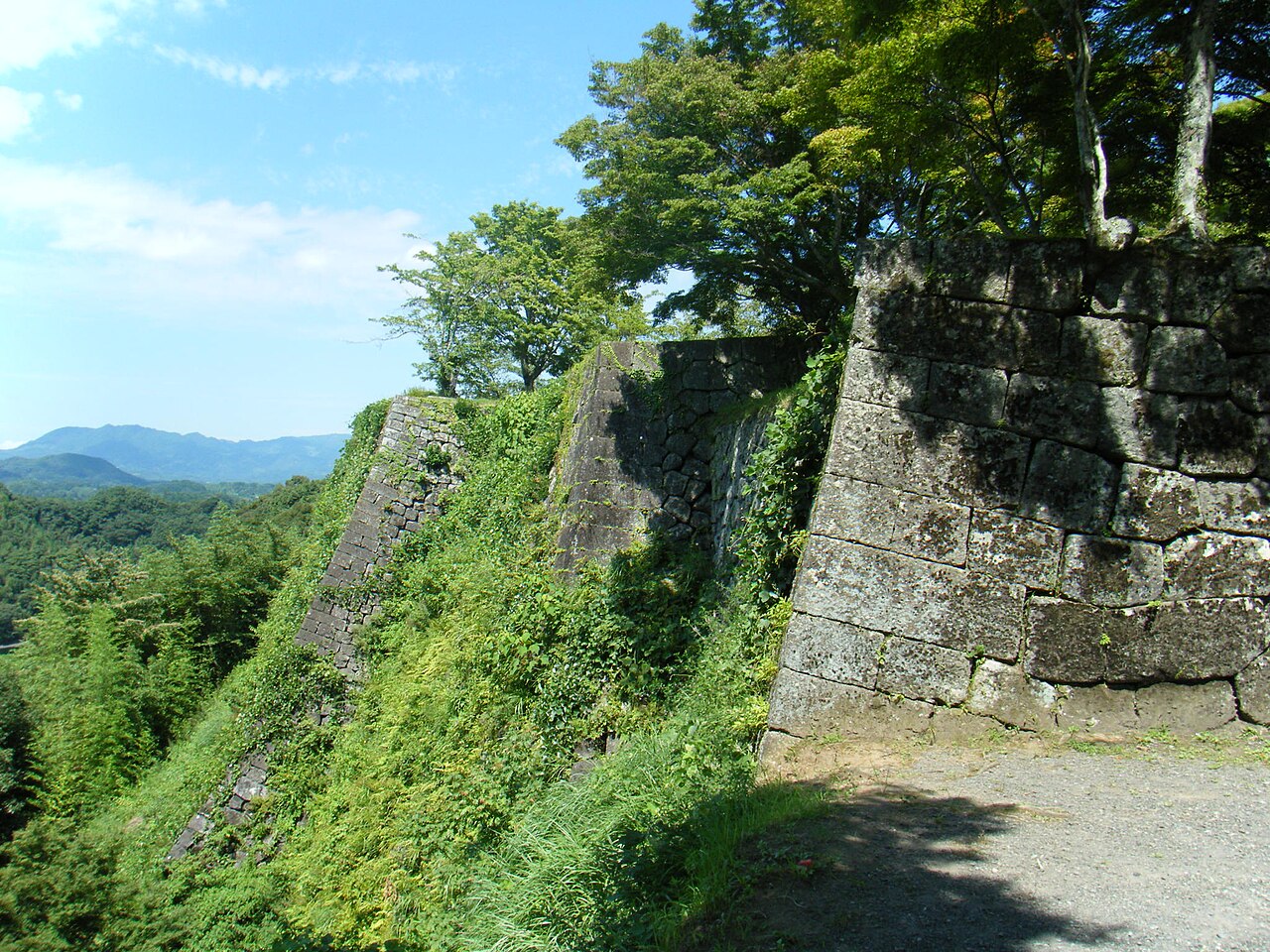
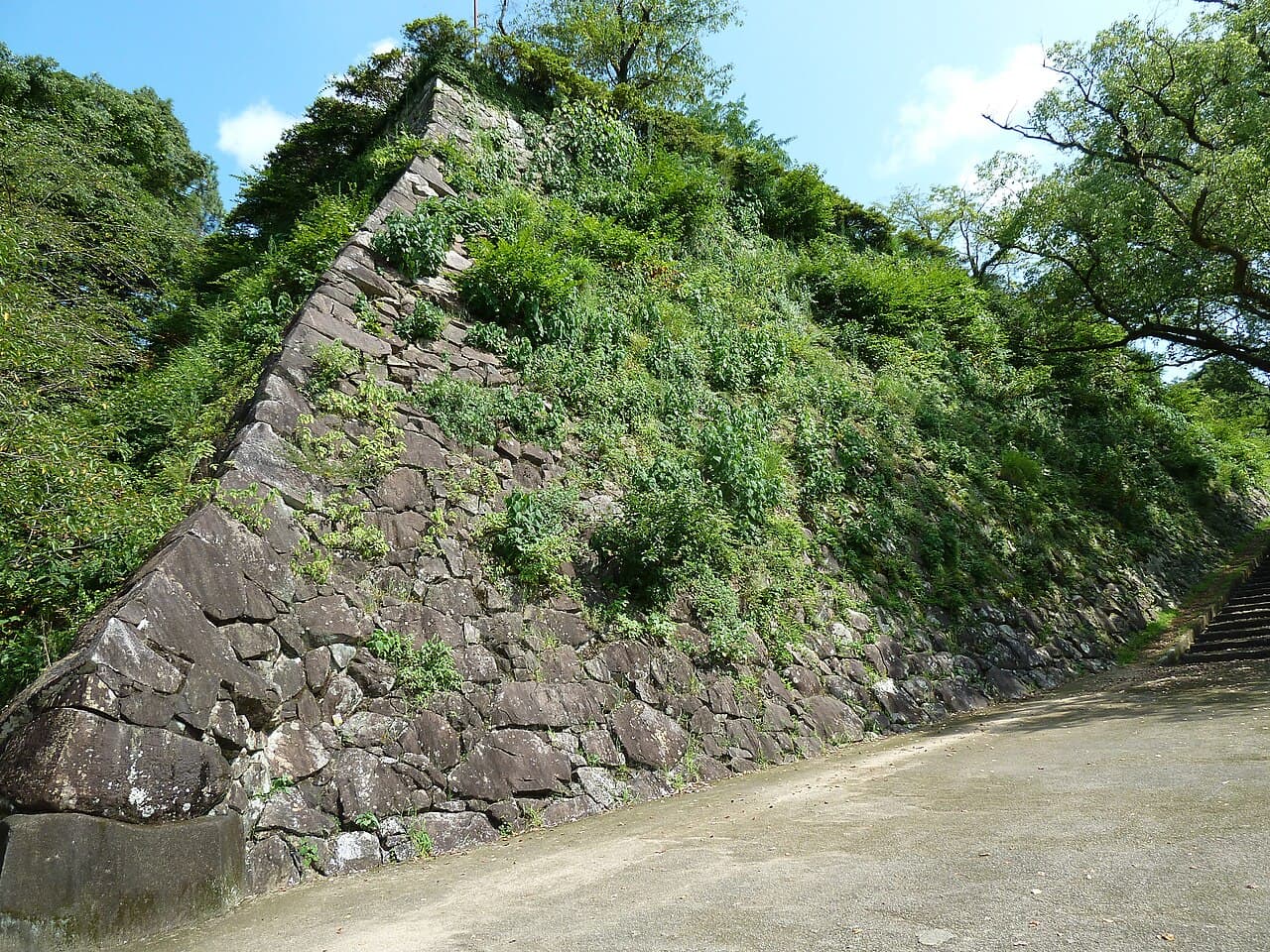
The Arima clan's fortifications also likely included extensive stone walls (ishigaki) and a complex system of water moats that surrounded the castle grounds, serving both defensive and aesthetic purposes. These moats helped prevent enemy advances and controlled access to the main bailey.

Destruction and current state

Unfortunately, the castle's main keep was destroyed by a fire in 1683. The blaze consumed the wooden structures, which were never reconstructed. As a result, the castle gradually fell into disuse and decline, with only the stone foundations, remnants of the moats, and some stone walls surviving to the present day.

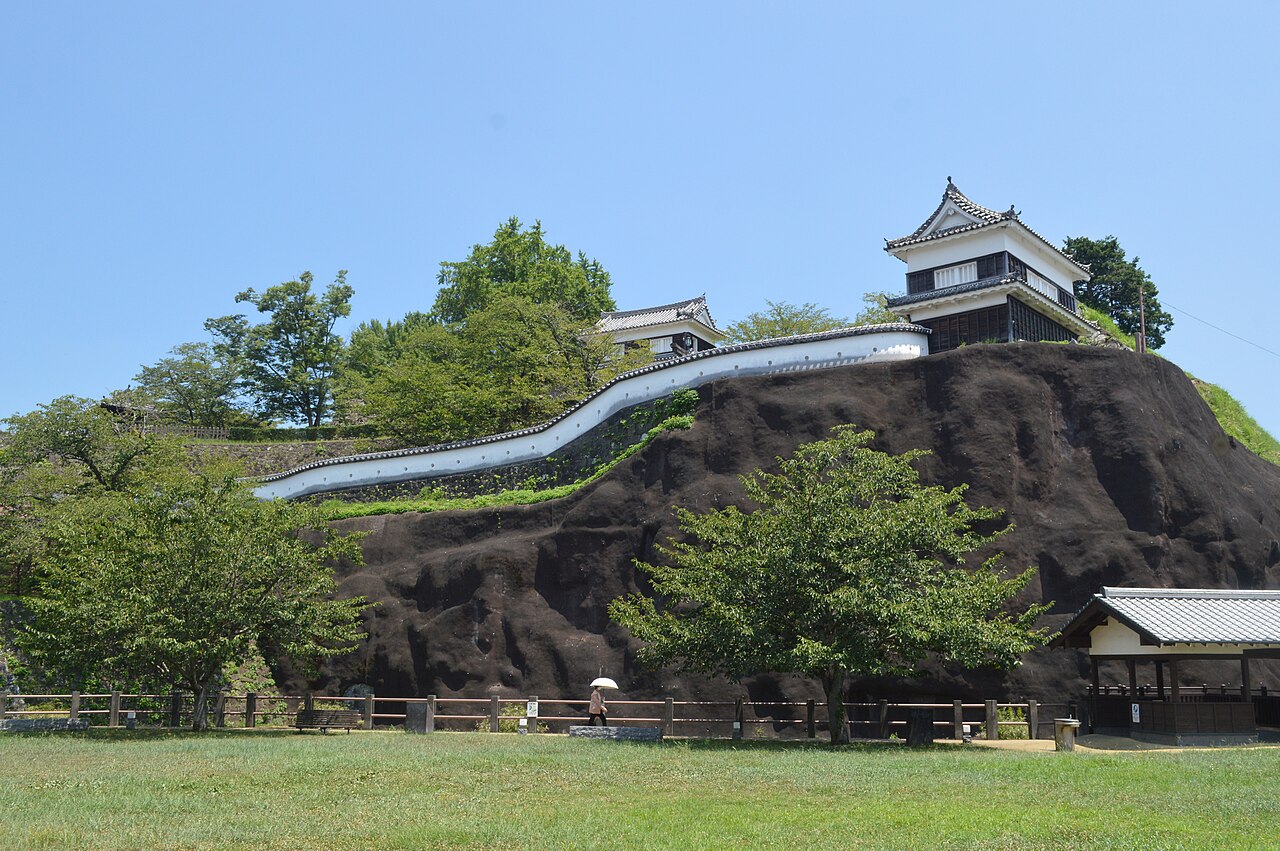
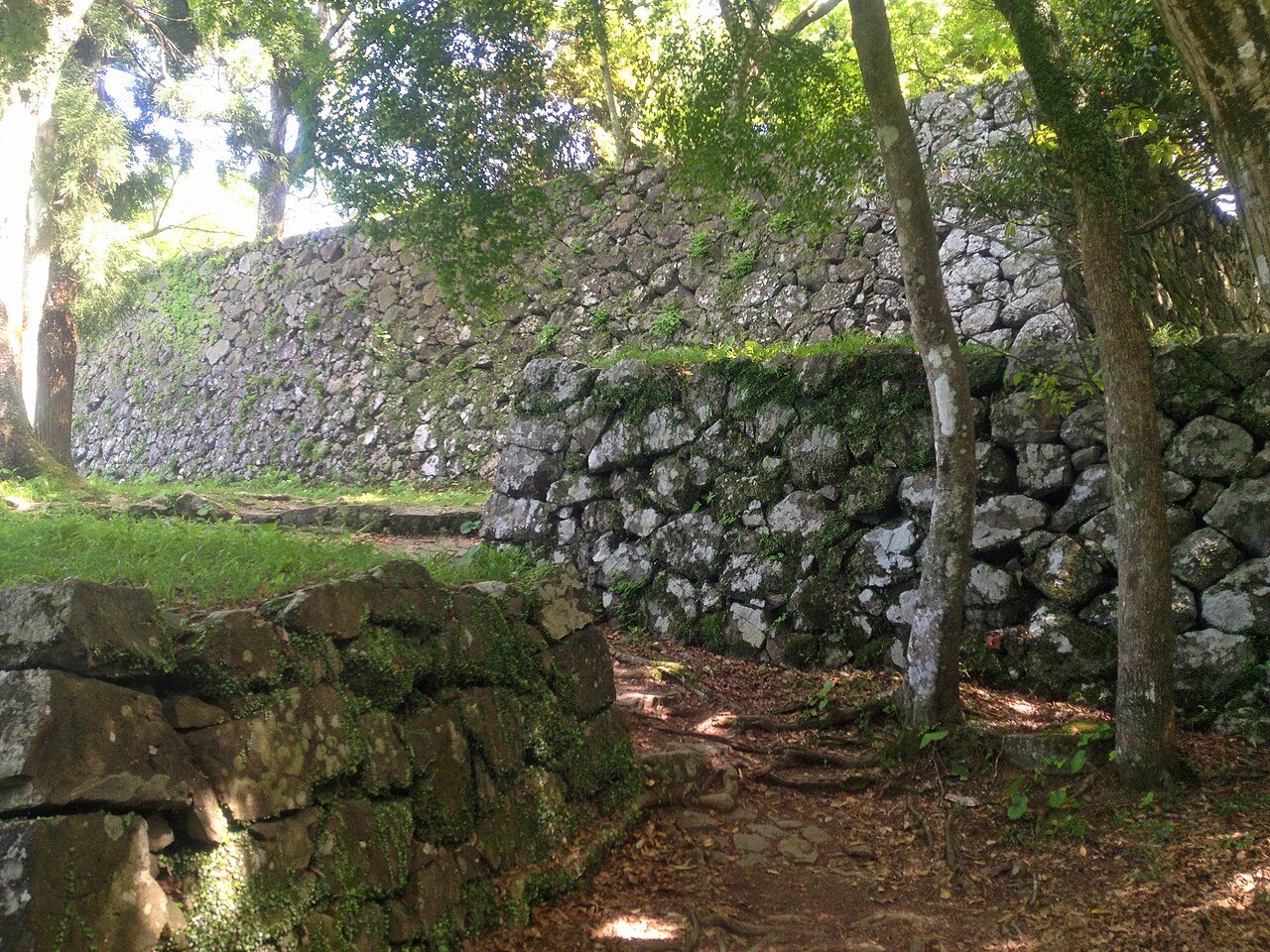
Today, Nobeoka Castle exists primarily as an archaeological site and ruins. Visitors to the site can observe the remaining stone ramparts and traces of the water moats that once protected the castle. The site offers valuable insights into castle construction techniques of the Edo period and the regional history of Miyazaki Prefecture.

Historical significance and recognition

Nobeoka Castle holds cultural and historical importance as a representative example of a hill castle from the Edo period. It reflects the political shifts following the Battle of Sekigahara and the architectural styles of Japanese castles during the 17th century.

In recognition of its heritage value, Nobeoka Castle was included in the Continued Top 100 Japanese Castles list in 2017. This designation highlights its significance among Japan's numerous historic castles, despite its current ruined state.

Architectural features and layout

The castle's layout was typical of hill castles built during the Edo period, featuring a central enclosure where the main keep stood, surrounded by defensive walls and moats. The stone walls were constructed with precision, using interlocking stones to provide stability and resistance against attacks.

The water moats not only served defensive functions but also contributed to the castle's visual appeal, reflecting the architectural aesthetics valued by the ruling clans. The castle grounds likely included multiple baileys (courtyards) that housed administrative buildings, residences, and storage facilities.

Defensive structures

The castle's defensive measures included watchtowers and gates strategically placed to monitor and control access. The elevated position of Nobeoka Castle provided natural advantages, allowing defenders to observe approaching enemies from a distance.

Current visitor experience

While the castle's superstructures no longer stand, the ruins attract visitors interested in Japan's feudal history and castle architecture. The site offers walking paths around the remaining stone walls and moats, with informational plaques detailing the castle's history and significance.

Nobeoka Castle's location in Miyazaki Prefecture also provides access to other cultural and natural attractions, making it a valuable destination for those exploring southern Japan.

Frequently asked questions (FAQ)

How do I get to Nobeoka Castle?
Nobeoka Castle is located in Nobeoka City, Miyazaki Prefecture, Japan. You can access it via public transportation by taking a train to Nobeoka Station and then a short bus ride or taxi to the castle grounds.
What is the historical significance of Nobeoka Castle?
Nobeoka Castle, originally built in the early 17th century, served as a strategic fortress during Japan's feudal era. It was the seat of the Nobeoka domain and played a crucial role in regional governance and military defense.
When was Nobeoka Castle constructed?
Construction of Nobeoka Castle began in 1601 and was completed in 1603. The castle was built by the feudal lord Kato Kiyomasa and has since undergone various renovations and restorations.
Can I take guided tours of Nobeoka Castle?
Yes, guided tours are available at Nobeoka Castle, providing visitors with insights into its rich history and architectural features. Be sure to check the castle's official website or visitor center for tour schedules and availability.
Why is Nobeoka Castle a popular attraction?
Nobeoka Castle attracts visitors due to its historical significance and beautiful views of the surrounding landscape. The well-preserved ruins and scenic park area make it an ideal spot for both history enthusiasts and nature lovers.
Is it possible to visit Nobeoka Castle year-round?
Yes, Nobeoka Castle is open to visitors throughout the year, although certain areas may have restricted access during inclement weather. It's best to check for any seasonal events or maintenance closures before your visit.
What are the opening hours for Nobeoka Castle?
Nobeoka Castle is typically open from 9:00 AM to 5:00 PM, with last admissions occurring one hour before closing. Hours may vary during holidays, so it's advisable to confirm times before your visit.
Are there any nearby attractions to Nobeoka Castle?
Yes, several attractions are located near Nobeoka Castle, including the Nobeoka City Museum and the beautiful Takachiho Gorge. These sites offer additional opportunities to explore the region's natural beauty and cultural heritage.
What are the ticket prices for Nobeoka Castle?
Admission to Nobeoka Castle is generally free; however, certain guided tours or special exhibitions may charge a fee. Always check the official website for the most current information on ticket prices and special events.

Photo gallery

Nobeoka Castle
Click to view

Photo by Sengoku40•CC BY-SA 3.0

1 photo • Click any image to view in full screen

Information

Hill Castle

Loading map...

Visitor reviews

No reviews yet. Been here? Write the first review and help other travelers!

Write the first review

Visited this castle? Share your experience

Your review helps other travelers and adds first-hand knowledge to our encyclopedia.
Write a review

(5/5)

0/2000 characters

Your review will be visible after admin approval

Nearby castles

47.2 km
Saiki Castle — Japan castle

Saiki Castle

Saiki, Japan

Saiki Castle (佐伯城, Saiki-jō) is a historic Japanese castle located in the city of Saiki, within Ōita Prefecture on the island of Kyushu. It was constructed during the Edo period as a yamajiro-style or mountain castle, a common design for defensive fortifications built on elevated terrain to maximize natural protection. The castle's ruins have been recognized for their cultural and historical significance, earning designation as a National Historic Site in 2023. Additionally, Saiki Castle is listed as No.194 on the "Continued 100 Fine Castles of Japan," highlighting its importance among Japan's heritage castles. Historical background and construction Saiki Castle was constructed in the 17th century during the Edo period, a time when Japan was under the rule of the Tokugawa shogunate. This era was characterized by relative peace and stability, leading to the development of many castles primarily as administrative centers and symbols of power rather than purely military fortresses. The castle was built in the yamajiro style, which utilized the natural mountainous landscape to enhance defense capabilities. This style typically features terraced stone walls, winding paths, and strategically placed defensive structures designed to leverage the rugged terrain. Architectural features and layout The castle's layout took advantage of the steep slopes and natural elevation of the site. Its defensive design included multiple baileys (courtyards) arranged on different levels along the mountain. The main enclosure, or honmaru, was situated at the highest point, providing commanding views of the surrounding area. Stone walls and earthen ramparts formed the primary fortifications, supplemented by wooden buildings such as the tenshu (main keep) and various watchtowers. The winding paths and narrow gates were designed to slow enemy advances and provide defenders with tactical advantages. Yamajiro-style defensive elements The yamajiro style is characterized by its integration with the natural environment. Saiki Castle's stone walls were constructed to follow the contours of the mountain, creating a series of terraces that made direct assaults difficult. The steep slopes acted as natural moats, while the positioning of gates and walls forced attackers into narrow, exposed approaches. The castle likely featured wooden palisades and gates reinforced with iron fittings, typical of the period's defensive architecture. Historical significance and legacy While Saiki Castle did not play a major role in large-scale military conflicts, it served as an important regional stronghold and administrative center during the Edo period. The castle was associated with local daimyo (feudal lords) who governed the surrounding territory under the Tokugawa regime. Its strategic location allowed control over key routes and contributed to regional stability. After the Meiji Restoration in the late 19th century, many Japanese castles were dismantled or fell into ruin as the feudal system was abolished. Saiki Castle was no exception; its buildings were gradually lost, leaving behind stone foundations and earthworks. The site today preserves these archaeological remains, offering valuable insights into Edo period castle construction and regional governance. Preservation and current status Saiki Castle's ruins have been protected as a National Historic Site since 2023, reflecting ongoing efforts to conserve Japan's cultural heritage. Visitors to the site can explore the remains of stone walls, terraces, and earthworks that outline the castle's former grandeur. Interpretive signage and local museums provide historical context, helping to educate the public about the castle's role in Japan's feudal past. The castle is classified as archaeological ruins due to the absence of standing buildings, with its condition described as ruins. Despite this, the site remains an important cultural asset and a point of interest for historians, architects, and tourists interested in Japanese castle architecture and Edo period history. Visiting Saiki Castle Saiki Castle is accessible to visitors interested in exploring Japanese history and castle architecture. The site offers walking trails that follow the original layout of the castle's baileys and defensive structures. Due to the mountainous terrain, visitors should be prepared for some hiking and uneven paths. The best time to visit is during the spring and autumn months when the weather is mild and the natural scenery is particularly attractive. Nearby attractions The city of Saiki and the wider Ōita Prefecture offer additional cultural and natural attractions, including traditional temples, hot springs (onsen), and coastal landscapes. Visitors can combine a trip to Saiki Castle with these experiences to gain a broader understanding of the region's heritage and environment.

Post-Renaissance (17th–18th c.)
Details
49.4 km
Oka Castle — Japan castle

Oka Castle

Taketa, Japan

Oka Castle is a significant historic fortress located in Taketa, Japan, renowned for its strategic hilltop position and long-standing history dating back to the late 12th century. Established in 1185 for the famed warrior Minamoto no Yoshitsune, the castle played a pivotal role in the military and political landscape of medieval Japan. Its original construction exemplified typical hill castle (yamajiro) architecture, designed to take advantage of the natural topography for defense.The castle's early history is marked by its association with the Minamoto clan, one of the most powerful samurai families of the period. In 1332, Shiga Sadatomo took control of the castle and undertook extensive repairs and enhancements, reflecting the evolving military needs and architectural styles of the High Medieval period. The Shiga family maintained dominion over Oka Castle for more than two centuries, until 1586.Architectural evolution and expansionsFollowing the Shiga era, the castle came under the control of Nakagawa Hideshige in 1594, who initiated a significant phase of expansion and modernization. This included the construction of a prominent main keep (tenshu) and a palace complex, which elevated the castle's status and fortification capabilities. The architectural style during this period reflected the transition from purely military fortresses to more elaborate residences that combined defense with administrative functions.The castle's layout featured multiple baileys (kuruwa), stone walls (ishigaki), and gates designed for layered defense. The use of stone base walls was a hallmark of Japanese castle architecture in the late Sengoku and early Edo periods, offering enhanced durability and resistance to siege weaponry.Destruction and present conditionDespite its robust construction, the main keep of Oka Castle was destroyed by an earthquake during the Edo period, significantly altering the castle's silhouette and defensive capacity. The Nakagawa family continued to rule the castle until the Meiji Restoration in the late 19th century, a period that led to the dismantling of many feudal structures across Japan.Following the restoration, most of the castle's buildings were dismantled as part of the government's efforts to modernize and reduce the power of the samurai class. Today, Oka Castle remains as ruins, with only some of its impressive stone walls and foundations surviving. These ruins provide valuable insight into the castle's original grandeur and the architectural techniques used during its active centuries.Historical significance and cultural heritageOka Castle stands as a testament to Japan's rich feudal history and the evolution of castle architecture from the High Medieval through the Edo period. Its association with prominent historical figures like Minamoto no Yoshitsune and the Nakagawa clan underscores its importance in regional power struggles and governance.The castle's ruins are a popular destination for historians and tourists interested in Japanese military architecture and samurai culture. The site offers panoramic views of the surrounding landscape, emphasizing the strategic importance of its hilltop location.Visiting Oka Castle todayWhile the castle structures no longer stand intact, visitors to Oka Castle can explore the extensive stone walls and remnants of the castle grounds. The site is accessible and provides interpretive signage to help visitors understand the castle's historical context and architectural features.Oka Castle's enduring legacy is preserved through ongoing conservation efforts aimed at protecting its ruins and promoting awareness of Japan's feudal heritage. It remains one of the most evocative examples of a hill castle whose history spans several centuries of Japanese history.

High Medieval (11th–13th c.)
Details
61.6 km
Usuki Castle — Japan castle

Usuki Castle

Usuki, Japan

Usuki Castle (臼杵城, Usuki-jō) is a historic hill castle located in Usuki, Ōita Prefecture, Japan. Also known as Nyūjima Castle (丹生島城, Nyūjima-jō), this castle dates back to the 16th century, placing it within Japan's Renaissance period of castle construction. The castle holds significant historical and architectural value as a representative example of Japanese fortifications during a turbulent era marked by feudal conflicts and the rise of regional warlords.Historical background and significanceConstructed during the Sengoku period, a time characterized by intense military strife and political fragmentation, Usuki Castle served as a strategic stronghold for the local ruling clan. The castle was built to control the surrounding region and protect the interests of its lords against rival factions. Its location on a hill provided natural defense advantages, allowing surveillance over the nearby plains and access routes.Throughout its history, Usuki Castle witnessed several military engagements and changes in ownership, reflecting the shifting alliances and power struggles typical of the era. The castle played a role in regional governance and defense until the eventual unification of Japan under the Tokugawa shogunate, after which many castles lost their military importance.Architectural features and layoutUsuki Castle exemplifies the typical features of a hill castle (yamajiro), utilizing the natural topography to enhance its defensive capabilities. The castle complex was designed with multiple baileys (kuruwa), fortified enclosures separated by earthen walls and moats. These baileys were arranged on different levels of the hillside, creating layered defenses that attackers would have to overcome sequentially.The main enclosure (honmaru) was situated at the highest point, housing the primary defensive structures and the lord's residence. Stone walls (ishigaki) reinforced the fortifications, a common feature in Japanese castles of the period, providing both protection and structural support. Wooden buildings within the castle served administrative, residential, and military functions.Although much of the original castle has not survived intact, archaeological remains and historical records provide insight into its former scale and complexity. The castle's design reflects the practical needs of warfare during the 16th century, balancing strong defense with the requirements of governance and residence.Current condition and preservationToday, Usuki Castle is classified as partially preserved, with some remnants of its stone walls and earthworks still visible. The site offers visitors a glimpse into Japan's feudal past and the architectural ingenuity of castle builders of the Renaissance period. Efforts have been made to maintain and protect the ruins, allowing for public access and educational opportunities.The castle grounds provide scenic views of the surrounding landscape, enhancing its appeal as a cultural and historical site. Interpretive signage and local museums contribute to understanding the castle's significance and the broader context of Japanese castle history.Visiting Usuki CastleUsuki Castle is accessible to visitors interested in Japanese history, architecture, and culture. The site is open year-round, with the best times to visit during spring and autumn when the natural surroundings are particularly picturesque. Visitors can explore the remaining fortifications, enjoy walking trails, and learn about the castle's role in regional history.Nearby attractions include the historic streets of Usuki, known for their traditional buildings and samurai residences, offering a comprehensive cultural experience. The castle's location in Ōita Prefecture makes it a worthwhile destination for those exploring Kyushu's rich heritage.

Renaissance (15th–17th c.)
Details