Sabugal Castle
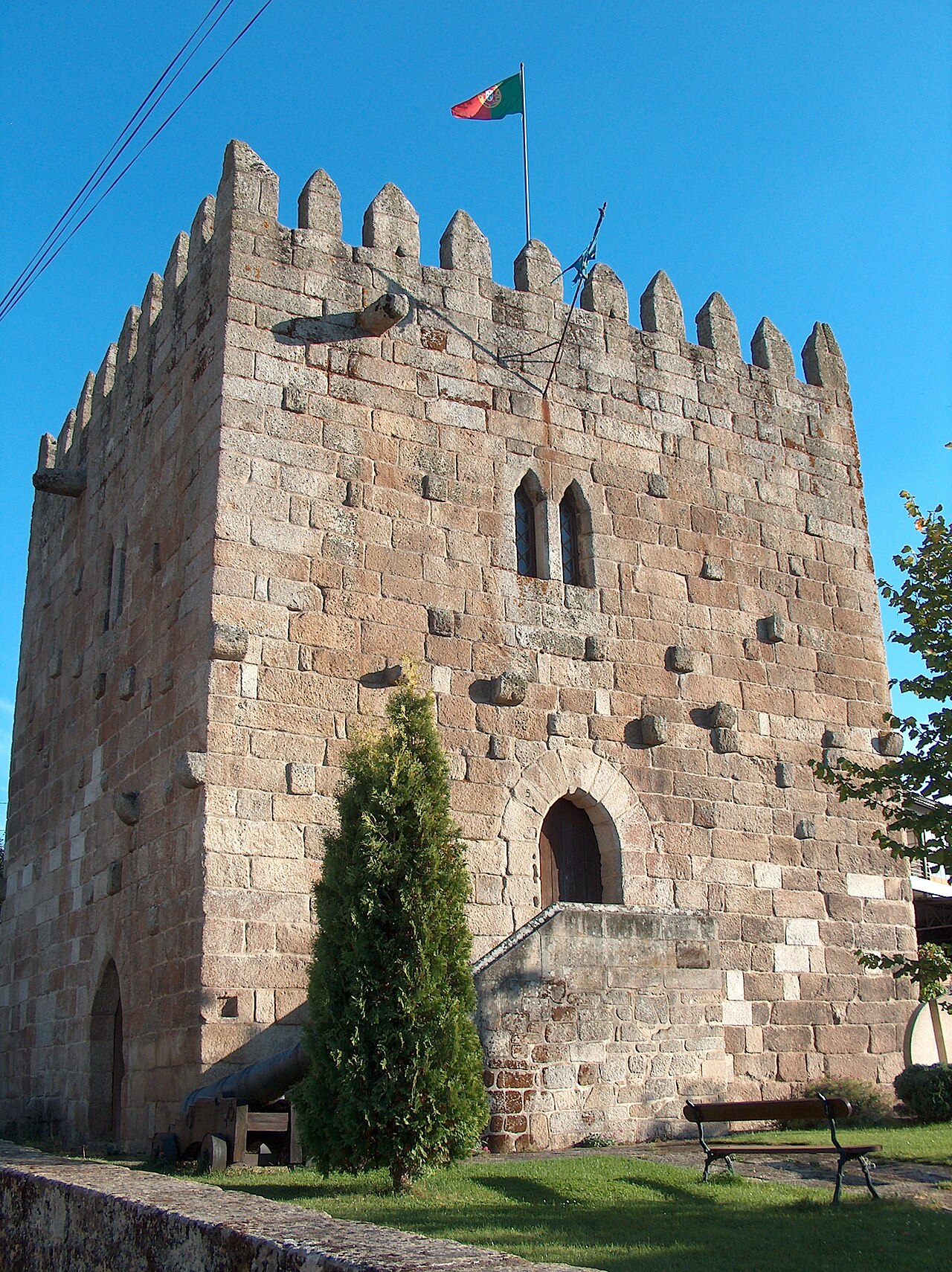
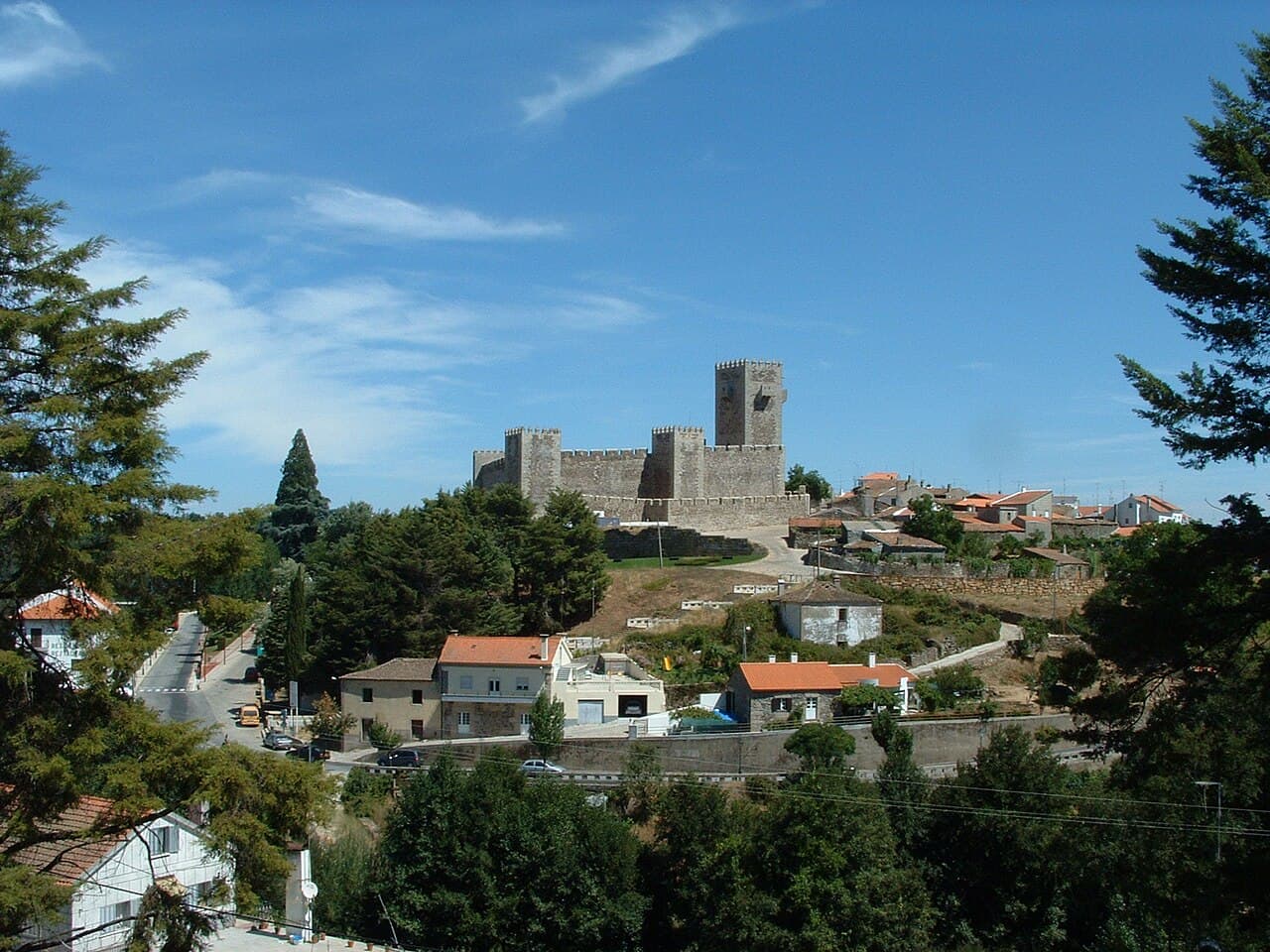
Sabugal Castle stands as one of the most remarkable examples of high medieval military architecture in Portugal. Perched atop a commanding hilltop plateau overlooking the Coa River valley, this fortress not only dominates the surrounding landscape but also embodies centuries of strategic importance along the Portuguese border. Constructed primarily in the 13th century under the reign of King Dinis I, the castle played a pivotal role in securing the frontier with the Kingdom of León and later in Portugal's national defense.
The castle's origins trace back to a site with a long history of human occupation, including prehistoric settlements and a Roman military outpost guarding the vital river crossing. Its strategic location made it a coveted stronghold throughout the Reconquista, changing hands between Christian and Leonese forces until firmly integrated into the Portuguese realm by the late 13th century. The extensive fortifications seen today largely result from the comprehensive rebuilding initiated by King Dinis around 1296, which transformed the site into a formidable hill castle with robust walls, towers, and a unique pentagonal keep.
Historical significance and royal patronage
The castle's historical narrative is deeply intertwined with the reign of King Dinis I (1279–1325), who granted Sabugal a municipal charter in 1296 and confirmed Portuguese sovereignty through the Treaty of Alcañices (1297). Under his direction, the castle was rebuilt to serve as a key defensive bastion on the border. The work was overseen by Frei Pedro from the Monastery of Alcobaça, reflecting the close relationship between royal authority and monastic institutions during this period.
In the early 16th century, the castle underwent significant restoration under King Manuel I, who issued a new foral for Sabugal in 1515 and added heraldic emblems over the main gate, symbolizing royal authority and the castle's enduring importance. The castle was also documented by the military engineer Duarte de Armas in his early 16th-century drawings, which provide valuable insights into its appearance and defensive features during the Renaissance.
Architectural features and fortifications
Layout and walls
Sabugal Castle is designed on a roughly quadrangular plan, adapted to the contours of the hilltop plateau. The curtain walls combine finely cut granite ashlar blocks with rougher schist masonry, creating a robust defensive perimeter. Along the walls, merlons with distinctive cross-shaped arrow slits provide protection for archers and crossbowmen, allowing them to defend the fortress effectively while remaining shielded.
A continuous chemin de ronde (also known as an adarve) runs atop the walls, accessible via four internal staircases. This walkway enabled defenders to move swiftly along the ramparts to respond to threats. The walls are reinforced by four main towers situated at the corners and along the southwest side, each crowned with pyramid-shaped battlements that enhance their defensive capability.
The pentagonal keep
The castle's most distinctive architectural feature is its five-sided (pentagonal) keep, located centrally and towering over 20 meters high. This unusual shape is rare among Iberian fortifications and provides a strategic advantage by offering multiple angles of defense. The keep protects the main entrance and contains three floors with Gothic vaulted ceilings adorned with keystones bearing the Portuguese royal quinas, a heraldic symbol of five shields representing Portugal.
The upper chamber of the keep benefits from natural light through doors opening onto balconies equipped with machicolations, stone openings that allowed defenders to drop projectiles or boiling substances on attackers below. This architectural detail reflects advanced medieval military engineering designed to maximize defensive effectiveness.
Additional defensive structures
Outside the main enclosure, a fortified barbican extends the castle's defenses, featuring massive merlons pierced with cross-shaped arrow slits similar to those on the main walls. The barbican is supported by two small round turrets called cubelos, which flank a narrow gateway with a pointed ogival arch, further complicating enemy access.
Historically, the town surrounding Sabugal Castle was protected by an oval-shaped wall, of which only fragments remain today. The Porta da Vila (Town Gate), near the 17th-century Clock Tower, is one of the surviving elements of this medieval urban fortification.
Later history and preservation efforts
During the 17th century Portuguese Restoration War, Sabugal Castle was modernized, including the addition of the Clock Tower, which served both defensive and civic functions. The castle also served as a prison, notably holding the poet and soldier Brás Garcia de Mascarenhas.
In the early 19th century, the castle played a strategic role during the Peninsular War, when Portuguese and British troops used it as a base to prepare for an attack against the retreating French army under General André Masséna in 1811. After this period, the fortress gradually fell into disuse.
The castle's courtyard was repurposed as a cemetery from 1846 to around 1927, a change that unfortunately led to the removal of stones from the walls by locals for building materials, impacting its structural integrity. The Church of Nossa Senhora do Castelo, once part of the complex, was demolished in 1911.
Preservation efforts began in the 20th century, with the Directorate-General for Buildings and National Monuments (DGEMN) initiating consolidation and restoration work in the 1940s to halt further decay. Additional campaigns in the 1990s and early 2000s focused on restoring original features and improving safety, including repairs to the barbican tower and battlements. These efforts have been crucial in safeguarding Sabugal Castle's historic fabric and preparing it for public visitation.
Cultural significance and visitor experience
Sabugal Castle holds a cherished place in Portuguese cultural heritage, officially designated as a National Monument since 1910. Local traditions link the castle's main square to the Miracle of the Roses, a legendary event involving Queen Saint Isabel and King Dinis, enriching the site's historical narrative.
Visitors to the castle can explore its imposing walls, climb the unique pentagonal keep, and enjoy panoramic views of the surrounding Guarda region. The castle's well-preserved medieval architecture offers a tangible connection to Portugal's turbulent border history and royal legacy.
Today, Sabugal Castle stands as a testament to medieval military ingenuity and the enduring importance of border fortifications in shaping national identity. Its combination of strategic location, distinctive architectural features, and rich history make it a compelling destination for scholars, history enthusiasts, and tourists alike.
Frequently asked questions (FAQ)
- How do I get to Sabugal Castle?
- Sabugal Castle is located in the town of Sabugal in Portugal, easily accessible by car or public transport. The castle is situated near the town center, making it a short walk from local bus stops and parking areas.
- What is the historical significance of Sabugal Castle?
- Sabugal Castle, built in the 13th century, played a crucial role in the defense against the Moors and later in the conflicts during the Portuguese Restoration War. Its strategic position provided a stronghold for local rulers and has been a symbol of the town's rich history over the centuries.
- When was Sabugal Castle constructed?
- The construction of Sabugal Castle began in the early 13th century, around the year 1200. It underwent several renovations and expansions throughout the medieval period, reflecting the evolving architectural styles of the time.
- Can I visit Sabugal Castle year-round?
- Yes, Sabugal Castle is open to visitors throughout the year, although specific hours may vary by season. It's advisable to check the castle's official website or local tourist information for the most current visiting hours before planning your trip.
- Why is Sabugal Castle considered an architectural gem?
- Sabugal Castle is renowned for its well-preserved medieval architecture, including the impressive stone walls and towers that showcase the military design of the period. Its unique blend of Romanesque and Gothic elements makes it a fascinating site for architecture enthusiasts.
- Is it possible to explore the interior of the castle?
- Yes, visitors can explore the interior of Sabugal Castle, including its towers and ramparts. The layout provides stunning panoramic views of the surrounding countryside, making it a delightful experience for those interested in history and photography.
- What are the ticket prices for visiting Sabugal Castle?
- The ticket prices for visiting Sabugal Castle are generally affordable, with discounts available for students and seniors. It's recommended to check the latest prices on the official website or at the entrance, as they may vary for special events or guided tours.
- What is the best time to visit Sabugal Castle?
- The best time to visit Sabugal Castle is during the spring and fall when the weather is mild, and the crowds are smaller. These seasons offer comfortable temperatures for exploring the castle and enjoying the beautiful surrounding landscape.
- Are there nearby attractions to visit while in Sabugal?
- Yes, while in Sabugal, visitors can explore other nearby attractions such as the historic town center with its quaint streets and local shops, and the natural beauty of the Serra da Estrela mountains. The area is rich in culture and history, providing a full day of exploration.
Photo gallery

Information
Website
Visit websiteSources & official resources
Verify the information above using these authoritative references.
Loading map...
Visitor reviews
No reviews yet. Been here? Write the first review and help other travelers!
Write the first reviewVisited this castle? Share your experience
Your review helps other travelers and adds first-hand knowledge to our encyclopedia.