Castelo de Vila do Touro
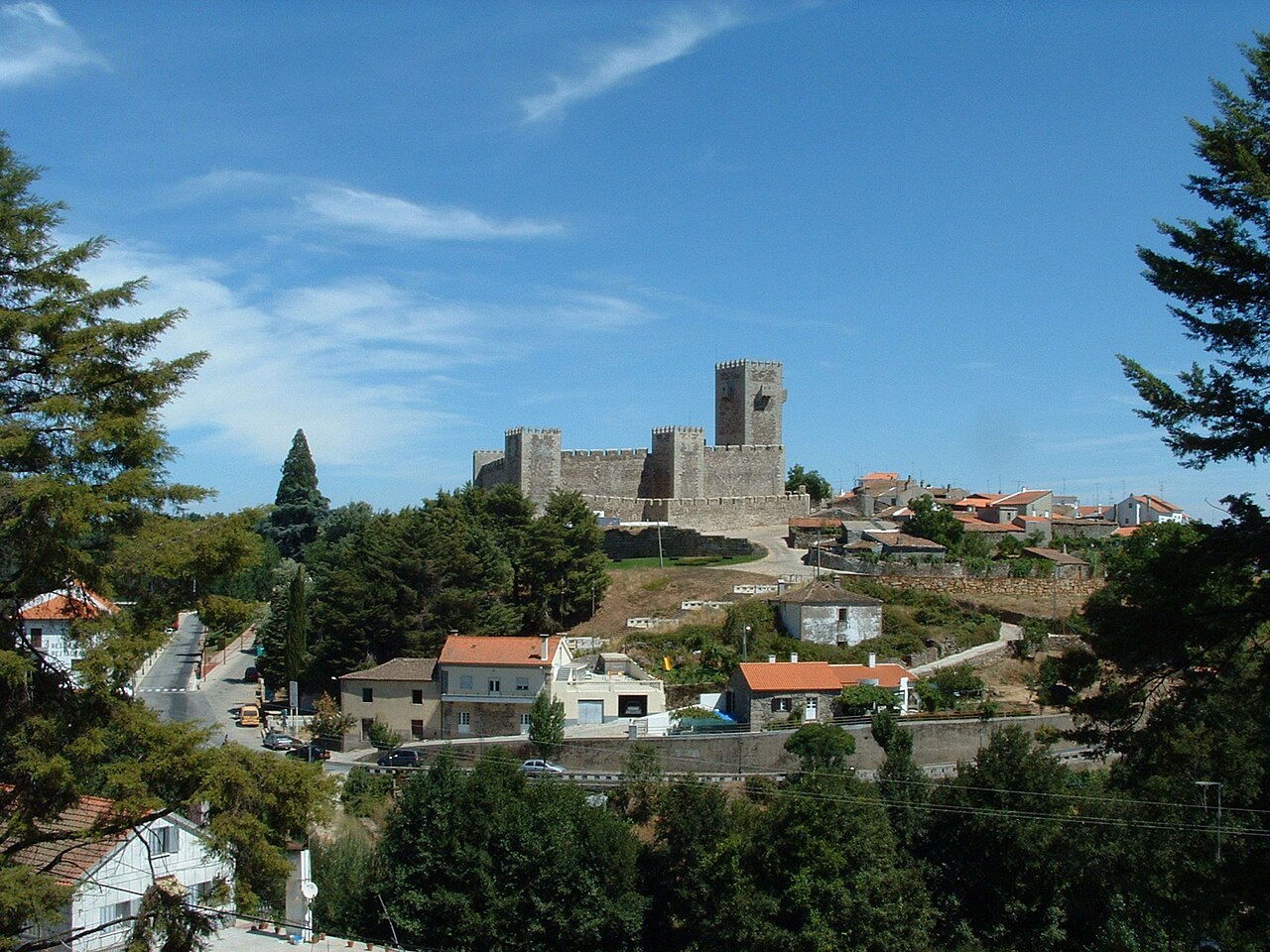
Castelo de Vila do Touro stands as a significant medieval hilltop fortress in the municipality of Sabugal, Portugal. Established during the Christian Reconquest of the Iberian Peninsula, this castle embodies centuries of history, from ancient human presence to its role as a strategic military site in the Middle Ages. Positioned on a commanding hill approximately 800 meters above sea level, it overlooks the confluence of the Boi stream and the Côa River, offering sweeping views of the surrounding villages and landscapes.
Historical background and origins
The area around Vila do Touro has been inhabited since the Bronze Age, with archaeological evidence indicating continuous occupation through the Iron Age. A Roman-era inscription near the nearby settlement of Abitureira references the name "Tauria," meaning "of the great elevation," a fitting description of the castle's prominent hilltop location.
The medieval foundation of Castelo de Vila do Touro dates to the late 12th and early 13th centuries, a period marked by the Portuguese Crown's expansion into territories reclaimed from Moorish control. Following this conquest, the lands were granted to the Knights Templar by the municipality of Guarda. Under the leadership of D. Pedro Alvito, Master of the Order, and during the reign of King Afonso II (1211-1223), the Templars formally established the settlement and issued a foral (town charter) on December 1, 1220. This charter regulated local governance and reinforced Christian dominion in the region.
Architectural features and fortifications
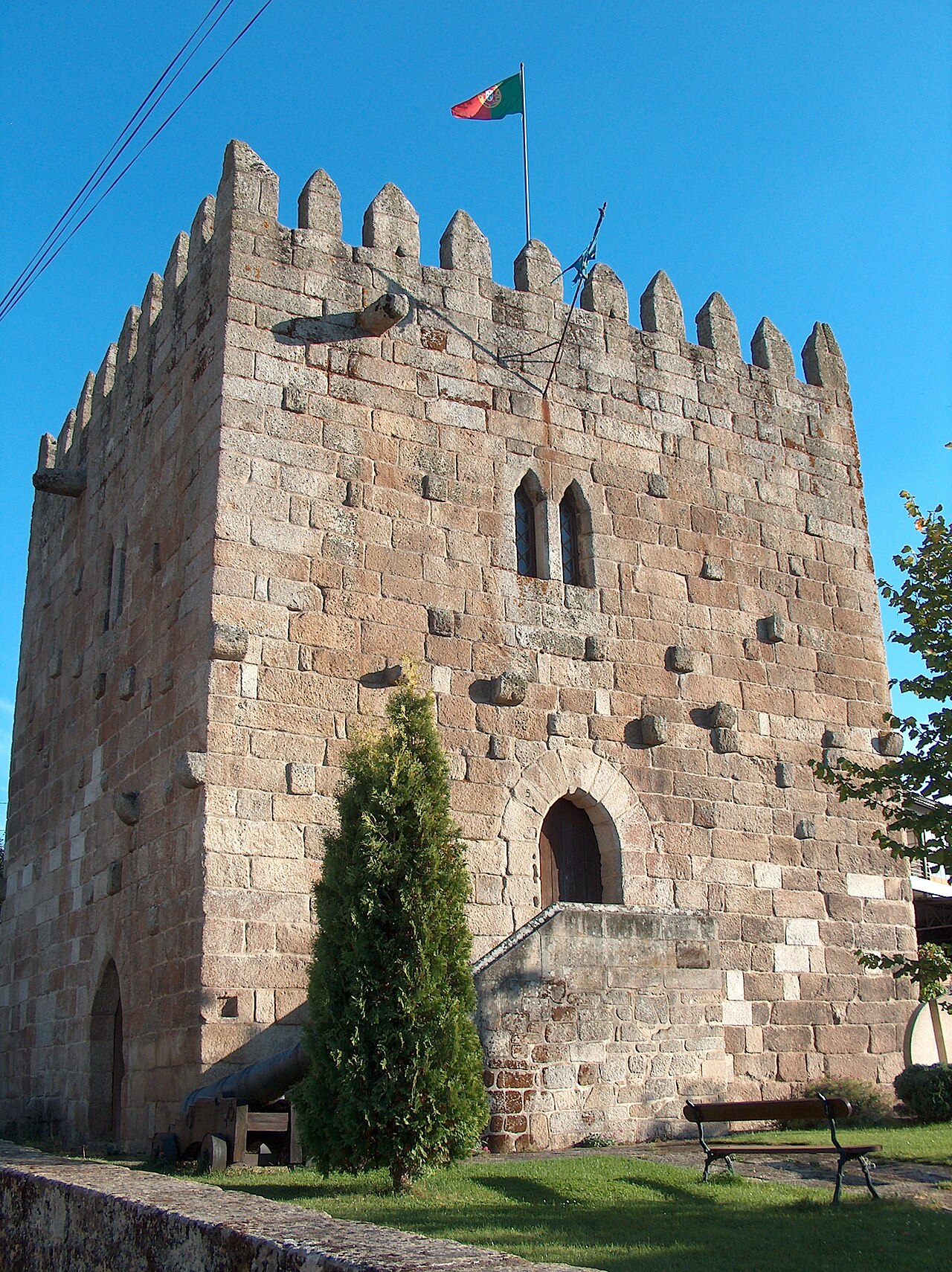
The castle's primary defensive structure is its irregular polygonal circuit of walls, built from local stone to encircle and protect the settlement. Although the fortress was never fully completed due to territorial disputes between the Knights Templar and the municipality of Guarda, the remaining walls clearly delineate the medieval enclosure. The main gate features a Gothic arch, characterized by its pointed form typical of medieval architecture, though it now stands partially collapsed.
Within the castle's courtyard, known as the praça de armas, scattered stones mark the locations of former defensive buildings and structures. Over time, vegetation has overtaken much of the site, but the foundational layout remains discernible to visitors and researchers.
Strategic location and military significance
Originally, Castelo de Vila do Touro functioned as a frontier fortress marking the border between the Kingdom of Portugal and the Kingdom of León. It faced a counterpart fortification in what is now the Ruvina parish. Despite its strategic importance, the castle's military role diminished after the Treaty of Alcanices in 1297 under King Dinis (1279-1325), which shifted the border and reduced Vila do Touro's defensive necessity.
The dissolution of the Knights Templar Order in 1319 further impacted the castle's development. The original Templar church, dedicated to Our Lady of the Assumption, was transferred to the Order of Christ, but without the Templars' support, construction ceased and the fortress remained largely a circuit of walls.
Later history and decline
Although King Manuel I granted a renewed charter in 1510, the castle's fortifications were neglected in subsequent centuries. Vila do Touro retained municipal status until administrative reforms during the Liberal period led to its dissolution in 1836 alongside the neighboring municipality of Alfaiates.
During the Portuguese Restoration War (1640-1668), local inhabitants constructed a defensive redoubt on the site to protect against ongoing conflicts. This addition, however, did not significantly alter the medieval fortress's structure. Over time, the castle fell into ruin, with only some northern and western wall sections remaining clearly identifiable.
Surrounding infrastructure and connections
Ancient roadways connected Vila do Touro to other military points such as Sortelha, Sabugal, Alfaiates, and Guarda. A notable route linked Vila do Touro to Alfaiates and continued through Panoias to Guarda. Along this route, surviving sections of the road and historic bridges span the Lourença and Pega streams. The bridge over the Lourença is believed to date back to the castle's founding period, highlighting the strategic infrastructure developed to maintain communication and defense among settlements.
Current condition and preservation status
Today, Castelo de Vila do Touro remains in a state of ruin, with only fragments of the original walls and the main gate surviving. The site is overgrown, which limits visibility but does not obscure the castle's outline. It awaits further archaeological investigation and preservation efforts to protect and interpret its historical and architectural significance.
The castle's location, history, and remaining structures offer valuable insights into the medieval military architecture of Portugal and the role of the Knights Templar in the region's development. Visitors to the site can appreciate its commanding views and the tangible connection to Portugal's medieval past.
Frequently asked questions (FAQ)
- When was Castelo de Vila do Touro founded?
- Castelo de Vila do Touro was founded in the late 12th to early 13th centuries during the Portuguese Crown's expansion and the Christian Reconquest.
- What architectural style characterizes the castle's main gate?
- The castle's main gate features a Gothic arch, a pointed arch style typical of medieval Gothic architecture.
- What was the castle's original military purpose?
- The castle served as a frontier fortress marking the border between the Kingdom of Portugal and the Kingdom of León during the Middle Ages.
- Is Castelo de Vila do Touro fully preserved?
- No, the castle is in a state of ruin with only some sections of walls and the main gate partially surviving.
- Are there any notable nearby historical sites connected to Vila do Touro?
- Yes, nearby military points such as Sortelha, Sabugal, Alfaiates, and Guarda are connected by ancient roadways and historic bridges dating back to the castle's era.
Information
Loading map...
Visitor reviews
No reviews yet. Been here? Write the first review and help other travelers!
Write the first reviewVisited this castle? Share your experience
Your review helps other travelers and adds first-hand knowledge to our encyclopedia.