Rytwiany
Rytwiany castle stands as a significant historical monument in Poland, embodying the architectural and cultural evolution of a Renaissance hill castle with origins tracing back to the late 14th century. Located in the village of Rytwiany, the castle's remains offer a glimpse into the medieval and early modern noble residences that shaped the region's history.
The earliest documented ownership of the Rytwiany estate dates to the 12th century with Piotr Bogoria Skotnicki, but the castle itself is believed to have been constructed by the late 14th century. Although traditional accounts credited Bishop Wojciech Jastrzębiec with building the fortress, modern scholarship suggests he primarily expanded an existing structure. This original castle consisted of a three-story residential building integrated with a defensive tower, constructed using local limestone and brick foundations.
Architectural development and defensive features
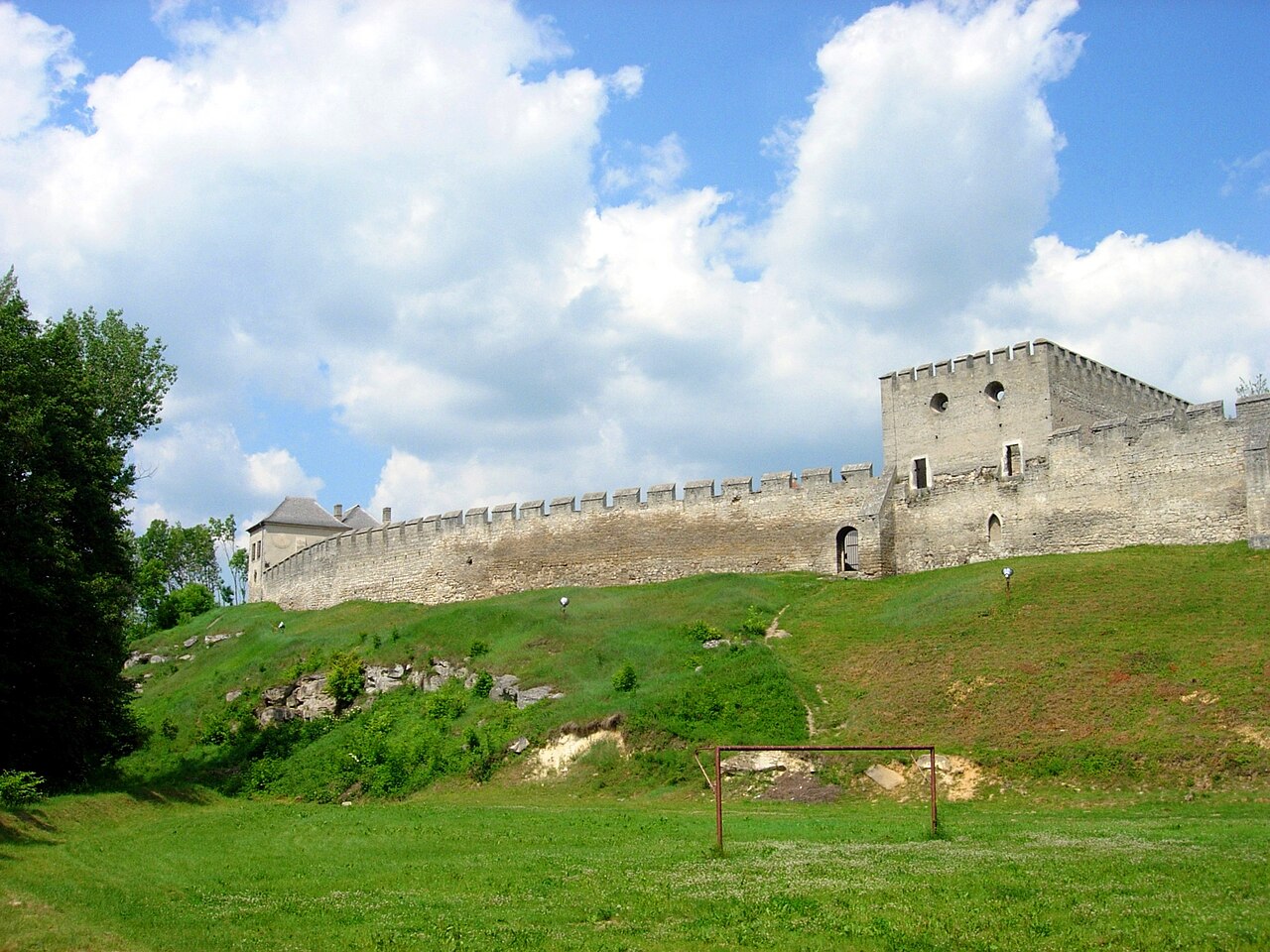
Between approximately 1420 and 1436, the castle underwent significant enhancements, including the erection of rectangular defensive walls enclosing the site and the addition of a substantial northern building known as the Great House. These fortifications were designed to improve the castle's defensive capabilities, complemented by a water-filled moat fed by the nearby Czarna river and a drawbridge likely positioned on the eastern side.
The castle's layout featured a main residential wing measuring about 13 meters wide and 39 meters long, with a prominent corner buttress adorned with a diamond pattern, a rare decorative element in military architecture of the period. The use of local limestone and brick reflects regional building practices and resource availability.
Historical ownership and cultural significance
After Bishop Jastrzębiec's acquisition, the castle became the hereditary seat of his nephews, who adopted the surname Rytwiański. The estate remained with this family until the late 15th century before passing through several noble lineages, including the Kurozwęcki, Łaski, and Tęczyński families.
The 17th century marked the castle's zenith under the ownership of Jan Tęczyński and later Łukasz Opaliński, a prominent Polish magnate, writer, and marshal of the Sejm. Opaliński's tenure, beginning in 1639 through marriage to Izabela Tęczyńska, transformed the castle into a vibrant magnate residence and cultural hub. He enriched the castle's library, attracting scholars and artists, and hosted notable events such as the 1646 wedding of Zofia Opalińska to hetman Stanisław Koniecpolski.
Conflicts, decline, and partial destruction
The mid-17th century brought turmoil during the Swedish Deluge and related conflicts. In 1657, the castle was heavily damaged by forces led by Prince George II Rákóczi, allied with the Swedish king. Despite repairs by Opaliński, the castle never fully recovered its former prominence. Further devastation occurred during the Great Northern War when Swedish troops again ravaged the structure.
By the late 18th century, the castle had diminished in strategic and residential importance, serving briefly as quarters for Tadeusz Kościuszko during the 1794 uprising. The final blow came in 1859 when the Potocki family, then owners of Rytwiany, dismantled the castle for building materials, reducing it to ruins.
Archaeological research and preservation efforts
Interest in the castle's heritage was renewed in the late 20th century, with archaeological excavations led by Professor Michał Proksa starting in 1986. These investigations uncovered foundational layouts and structural details, deepening understanding of the castle's historical phases.
Between 2013 and 2014, conservation and revitalization projects transformed the ruins into an educational park, preserving the site's legacy and making it accessible for public engagement. Today, only fragments remain, including a notable high corner with a slanted buttress decorated with a diamond pattern, standing as a testament to the castle's medieval grandeur.
Architectural features and layout
The castle's original design centered on a fortified rectangular perimeter that enclosed the main residential building and the Great House. Defensive walls and a moat provided protection against military threats, while the residential quarters reflected the evolving needs of noble inhabitants.
The surviving corner with its distinctive buttress showcases the craftsmanship and defensive architecture characteristic of the late medieval period. The use of local limestone and brick foundations highlights the adaptation to regional materials and construction techniques.
Cultural and historical legacy
Rytwiany castle's history encapsulates the story of Polish noble families, their cultural patronage, and the impact of regional and European conflicts on their estates. Its transformation from a medieval fortress to a Renaissance magnate residence mirrors broader shifts in architectural styles and social functions of castles in Poland.
Despite its ruinous state, the castle remains an important site for understanding the intersection of military architecture, noble culture, and historical events in the Świętokrzyskie region. Its preservation as an educational park ensures that this heritage continues to inform and inspire future generations.
Frequently asked questions (FAQ)
- How do I get to Rytwiany castle?
- Rytwiany castle is located in the village of Rytwiany in the Świętokrzyskie Voivodeship of Poland. It is accessible by local roads, and visitors can reach it by car or regional bus services from nearby towns.
- What is the best time to visit Rytwiany castle?
- The best time to visit Rytwiany castle is during the spring and summer months when the weather is favorable for exploring the ruins and the surrounding park area.
- Is there an entrance fee to visit the castle?
- Visiting the ruins of Rytwiany castle is generally free of charge, as it is maintained as a public educational park by the local municipality.
- What remains of the castle can I see today?
- Today, visitors can see the ruins of the castle, including a high corner with a slanted buttress decorated with a diamond pattern. These remnants reflect the castle's medieval defensive architecture.
- What historical events is Rytwiany castle known for?
- Rytwiany castle is known for its association with noble families such as the Rytwiański, Tęczyński, and Opaliński, its role during the Swedish Deluge, and hosting significant events like the wedding of Zofia Opalińska and hetman Stanisław Koniecpolski.
Information
Sources & official resources
Verify the information above using these authoritative references.
Loading map...
Visitor reviews
No reviews yet. Been here? Write the first review and help other travelers!
Write the first reviewVisited this castle? Share your experience
Your review helps other travelers and adds first-hand knowledge to our encyclopedia.