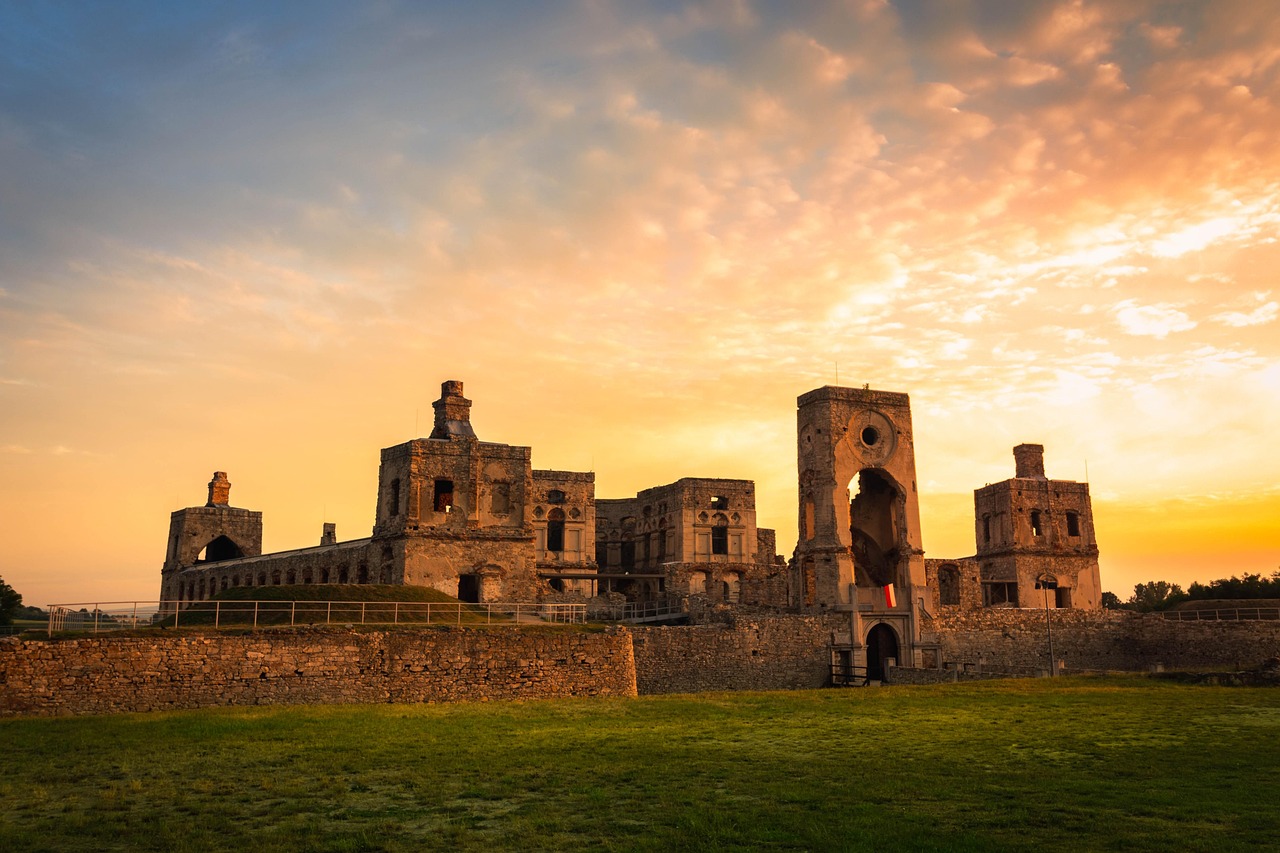
Konary castle stands as a poignant relic of medieval fortification in Poland, located on a prominent hill north of the village of Konary. The castle's strategic position atop a steep promontory overlooking the marshy valley of the Koprzywianka river provided natural defensive advantages, making it a significant stronghold in the region. Although now in ruins, the site reveals much about the late medieval military architecture and the turbulent history of the area.
Historical origins and significance
The first recorded mention of Konary dates back to 1355, when it served as the center of the estate of the Słupecki family, who bore the Rawa coat of arms. While archaeological research remains limited, historical sources suggest that the site may have hosted a fortified settlement even earlier, possibly from the early medieval period. The castle was built on solid rock at the edge of the hill, utilizing locally sourced stone and distinctive "palcówka" bricks, a traditional Polish building material.
The castle's primary purpose was to serve as a defensive residence for the knightly family, offering protection against regional conflicts and border disputes. The elongated rectangular plan of the main residential building, partially vaulted and partly cellarled, reflects typical late medieval castle design in Poland. It is believed the castle may have included a tower, enhancing its defensive capabilities, although no definitive remains confirm this.
Architectural features and defensive structures
Konary castle was fortified with earthen ramparts that still survive today, encircling the site to provide additional defense. A deep dry moat was cut to isolate the hill's promontory, further enhancing the castle's defensibility by creating a formidable barrier against attackers. The combination of natural terrain and man-made fortifications exemplifies the strategic military engineering of the period.
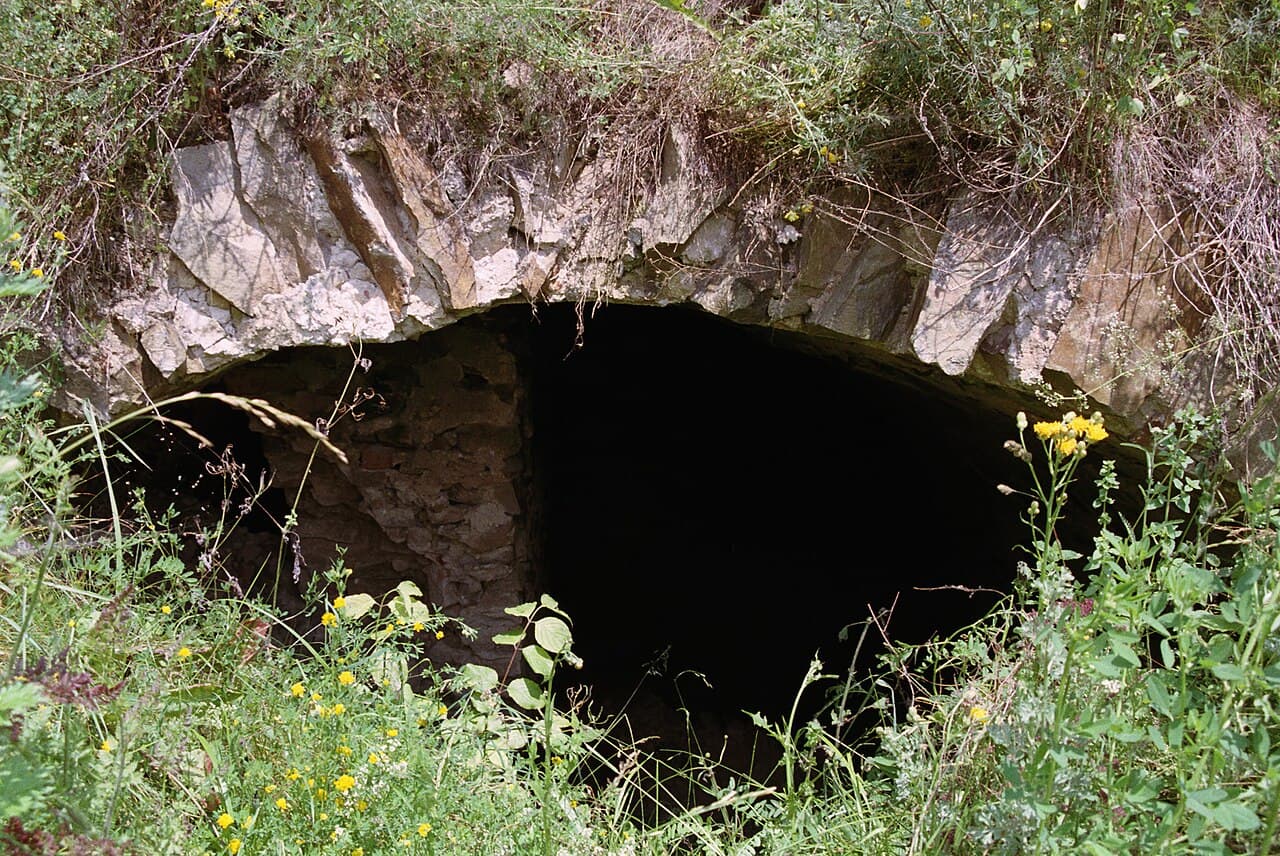
Among the surviving structural elements is a partially collapsed cellar composed of two barrel-vaulted sandstone chambers separated by a pillar. This cellar is a rare example of medieval vaulted construction in the region and offers insight into the castle's internal layout and storage facilities.
Legend and historical events
The castle is famously linked to the legend of the knight Grot Słupecki, who allegedly killed his neighbor Jan Ossoliński during a border dispute. According to the tale, Grot fled to Konary castle, where he and his accomplice began raiding nearby manors. This unrest drew the ire of King Władysław Jagiełło, who ordered a military siege that resulted in the castle's capture and the execution of its defenders. The castle was subsequently demolished to serve as a warning against lawlessness.
Historical chronicles, including those by Jan Długosz, mention a similar event in 1403, when a man named Grot killed the castellan Jan Ossoliński, leading to royal punishment and the destruction of his castle. While some historians question the full accuracy of this account, it underscores the castle's role in regional power struggles and feudal justice.
Later history and World War I impact
Following its medieval decline, the castle likely remained abandoned and gradually fell into ruin. Its final destruction was hastened during World War I, when the area around Konary became a battlefield. In the spring of 1915, fierce fighting took place on the castle hill involving the Polish Legions under Józef Piłsudski. Russian artillery bombardments severely damaged the already fragile ruins, leaving only foundations and cellar remains visible today.
Present condition and archaeological importance
Today, Konary castle exists as an evocative archaeological site marked by its ruined condition. The surviving foundations and cellar fragments offer valuable material for understanding medieval construction techniques and defensive strategies in Poland. The site's natural defensive features combined with its historical associations make it a significant cultural heritage landmark.
Visitors to Konary can explore the remains on the hilltop, appreciating the castle's commanding views and imagining its former role in the region's medieval landscape. The castle's story, enriched by legend and history, continues to attract interest from historians, archaeologists, and tourists alike.
Frequently asked questions (FAQ)
- When was Konary castle built and by whom?
- Konary castle was first mentioned in 1355 as the seat of the Słupecki family. It was constructed using local stone and bricks, typical of late medieval fortifications.
- What defensive features did Konary castle have?
- The castle was built on a rocky promontory with steep slopes, surrounded by earthen ramparts and a deep dry moat, taking advantage of natural and man-made defenses.
- What is the legend associated with Konary castle?
- The legend tells of knight Grot Słupecki who killed his neighbor Jan Ossoliński and later raided local manors. King Władysław Jagiełło ordered the castle's siege and destruction as punishment.
- What happened to Konary castle during World War I?
- In 1915, the castle hill was a battlefield where Polish Legions fought Russian forces. Artillery bombardments destroyed much of the remaining castle ruins.
- Can visitors explore Konary castle today?
- Yes, visitors can explore the ruins and foundations on the hilltop, which offer insight into medieval architecture and the castle's historical significance.
Photo gallery

Information
Loading map...
Visitor reviews
No reviews yet. Been here? Write the first review and help other travelers!
Write the first reviewVisited this castle? Share your experience
Your review helps other travelers and adds first-hand knowledge to our encyclopedia.