Ryczyn Castle stands as a remarkable example of a medieval Slavic fortified settlement located in what is now Lipowa, Poland. Strategically positioned on the right bank of the Oder River, this hill castle played a crucial role as a defensive bastion and administrative center in the historical region of Lower Silesia. Its origins, dating back to before the year 1000 CE, reflect the early efforts of the Slavic peoples to protect their communities from external threats and assert control over this vital borderland.
The site’s long history is intertwined with the rise of the Polish state under Mieszko I, who established a church here, making Ryczyn the second ecclesiastical center in Silesia after Smogorzów. This church was subordinate to the newly founded bishopric of Wrocław, underscoring Ryczyn’s early religious and political importance. Throughout the 11th century, the castle’s fortified walls provided refuge during turbulent times, including a pagan uprising and periods when the bishopric seat was temporarily relocated to Ryczyn.
Historical significance and political role
Ryczyn functioned as the seat of a castellany, a territorial and military district governed by a castellan. This role underscored its strategic importance as a frontier fortress defending Polish lands against incursions from Bohemian and German forces. Notably, the castle successfully withstood sieges in 1103 by Bohemian dukes Borzywoj II and Svatopluk of Olomouc, and again in 1109 during an invasion by German King Henry V. These military engagements highlight Ryczyn’s resilience and its critical role in the defense network of medieval Poland.
The decline of Ryczyn’s prominence began in the late 13th century, with the last mention of its castellany in 1297. By 1340, ownership had passed to the Dominican monks of Brzeg. The fortified settlement and its church suffered destruction during the violent campaign of 1474 led by King Casimir IV Jagiellon, an event evidenced by skeletal remains bearing trauma consistent with battle injuries found in the nearby cemetery.
Archaeological remains and fortification features
The archaeological remains at Ryczyn reveal a well-planned fortified settlement characterized by a large ring-shaped earthwork rampart rising 4 to 5 meters above the surrounding terrain and approximately 8 meters wide. This rampart encloses a perimeter of around 600 meters and was constructed using a sophisticated technique involving layers of wooden logs covered with earth, designed to stabilize the structure on marshy ground and protect it from flooding.
Enhancing the defense, a broad moat between 5 and 10 meters wide was excavated on the side facing the Oder River. Access to the fortress was tightly controlled through a single entrance, emphasizing the stronghold’s defensive priorities. Approximately 60 meters west of the main enclosure, a smaller conical outpost covering 143 square meters was discovered. This outpost contained a wooden watch post that served to monitor river traffic and the surrounding area, illustrating the castle’s role in regional surveillance.
Nearby, on the left bank of the Oder near Lipki village, archaeological evidence points to a third settlement with ironworking workshops. These workshops produced essential tools and weapons for Ryczyn, indicating an integrated economic and military infrastructure supporting the fortress.
Artifacts and burial sites
Excavations have uncovered a rich assemblage of artifacts including early medieval pottery, animal bones, and metal items such as axes, knives, arrowheads, and nails. The presence of stone, bone, and clay materials linked to metallurgical activities reflects the technological capabilities of Ryczyn’s inhabitants.
Of particular significance are the seven kurgans or burial mounds located north of the main site near a water reservoir. Used between the 10th and 12th centuries, these mounds served cremation burials sometimes containing multiple individuals and animal offerings, reflecting complex ritual practices. A notable find near these mounds is an oak and fir boat grave dated to autumn 983 CE. This boat, symbolic rather than functional, was burned as part of funerary rites similar to those known in northeastern Rus’, indicating cultural connections extending beyond the immediate region.
Religious structures and cemetery
Within the site’s vicinity lie the remains of wooden and stone churches dating from the late 14th to early 15th centuries. These religious buildings were situated adjacent to a cemetery located about 90 meters southwest of the fortification. The cemetery contains numerous skeletal burials, some showing sharp-force trauma consistent with the violent 1474 raid, providing direct archaeological evidence of the historical conflicts that impacted Ryczyn.
Archaeological research and preservation
Interest in Ryczyn Castle’s historical and archaeological significance dates back to 1390, when Duke Louis I of Brzeg initiated early investigations. Subsequent sporadic excavations occurred in 1779 and 1891, culminating in a comprehensive excavation campaign from 1958 to 1962 led by Janusz Kramarek. Renewed research efforts since 2004 have uncovered additional important features, such as evidence of a pagan temple and burial grounds, enriching the understanding of the site’s multifaceted history.
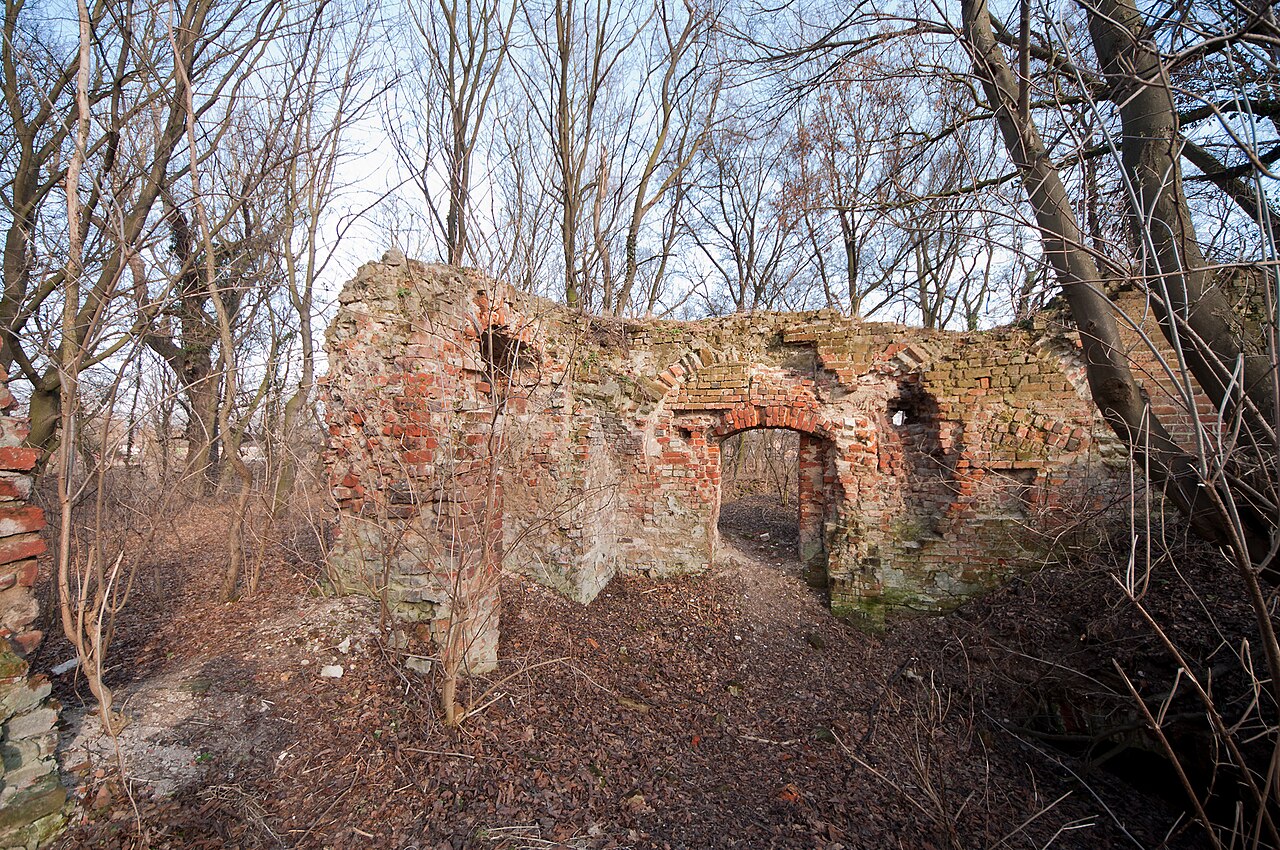
Today, the surviving earthworks and the central open area known as the majdan remain visible, providing a tangible link to Ryczyn’s past. The site stands as a valuable cultural and historical monument, offering insights into medieval Slavic fortifications, religious development, and regional defense strategies in Lower Silesia.
Frequently asked questions (FAQ)
- How do I get to Ryczyn Castle?
- Ryczyn Castle is located in Poland, easily accessible by car or public transport. The nearest major city is Wroclaw, from where you can take a regional train or bus to reach the castle.
- What is the historical significance of Ryczyn Castle?
- Ryczyn Castle dates back to the 14th century and has played a vital role in the region's history. It served as a fortress and residence for various noble families, reflecting the architectural styles and cultural influences of its time.
- When was Ryczyn Castle last renovated?
- The last major renovation of Ryczyn Castle occurred in the early 21st century, which aimed to restore its historical features while enhancing visitor facilities. This ongoing preservation effort ensures that the castle remains an important cultural landmark.
- Can I take guided tours of Ryczyn Castle?
- Yes, guided tours are available at Ryczyn Castle, providing visitors with in-depth knowledge about its history and architecture. Tours typically last about an hour and are available in multiple languages.
- Why is Ryczyn Castle considered an architectural gem?
- Ryczyn Castle showcases a blend of Gothic and Renaissance architectural styles, making it a unique example of historical design. Its well-preserved towers, walls, and interiors offer a glimpse into the past, attracting architecture enthusiasts.
- Is it possible to host events at Ryczyn Castle?
- Yes, Ryczyn Castle offers facilities for hosting various events, including weddings, conferences, and cultural gatherings. The picturesque surroundings and historical ambiance make it a charming venue for special occasions.
- What are the opening hours for Ryczyn Castle?
- Ryczyn Castle is generally open to visitors from 10 AM to 6 PM during the peak tourist season. It's recommended to check their official website for any seasonal changes to opening hours.
- What are the ticket prices for visiting Ryczyn Castle?
- Ticket prices for Ryczyn Castle vary depending on the type of tour and age group, with discounts available for students and seniors. Typically, adult tickets range from 10 to 20 PLN, with family packages available.
- When is the best time to visit Ryczyn Castle?
- The best time to visit Ryczyn Castle is during the late spring and early autumn when the weather is mild and the gardens are in full bloom. These seasons also offer a variety of cultural events and festivals held at the castle.
- Are there nearby attractions to explore after visiting Ryczyn Castle?
- Yes, there are several nearby attractions, including beautiful parks, historic towns, and other castles in the region. Visitors can also explore local museums and enjoy traditional Polish cuisine at nearby restaurants.
Information
Website
Visit websiteSources & official resources
Verify the information above using these authoritative references.
Loading map...
Visitor reviews
No reviews yet. Been here? Write the first review and help other travelers!
Write the first reviewVisited this castle? Share your experience
Your review helps other travelers and adds first-hand knowledge to our encyclopedia.