Rustavi Castle
Rustavi Castle is a historic fortress located in the city of Rustavi, within the Kvemo Kartli region of Georgia. Constructed in the 5th century, this bastioned fortress was strategically positioned to guard the southern approach to Tbilisi, the capital of Georgia. It was built on the site of the ancient city known as Bostan Kalaki, reflecting the region's long-standing significance as a crossroads of cultures and empires.
The early history and strategic importance
The origins of Rustavi Castle date back to the 4th and 5th centuries, marking it as an important military and political center during the early medieval period in the Kingdom of Iberia. The castle and its adjacent town played a critical role in the defense and administration of the region. Its location made it a coveted asset, resulting in the territory changing hands multiple times between the 6th and 11th centuries.
Changing rulers and cultural influences
During this period, Rustavi was successively controlled by several major powers: initially by the Sassanians, then by the Byzantines, followed by the Arabs. Later, it came under the control of the Kingdom of Kakheti and eventually the Kingdom of Georgia. Each of these rulers left their mark on the castle's structure and the surrounding settlement, reflecting the shifting political landscape of the Caucasus region.
Architectural evolution and fortifications
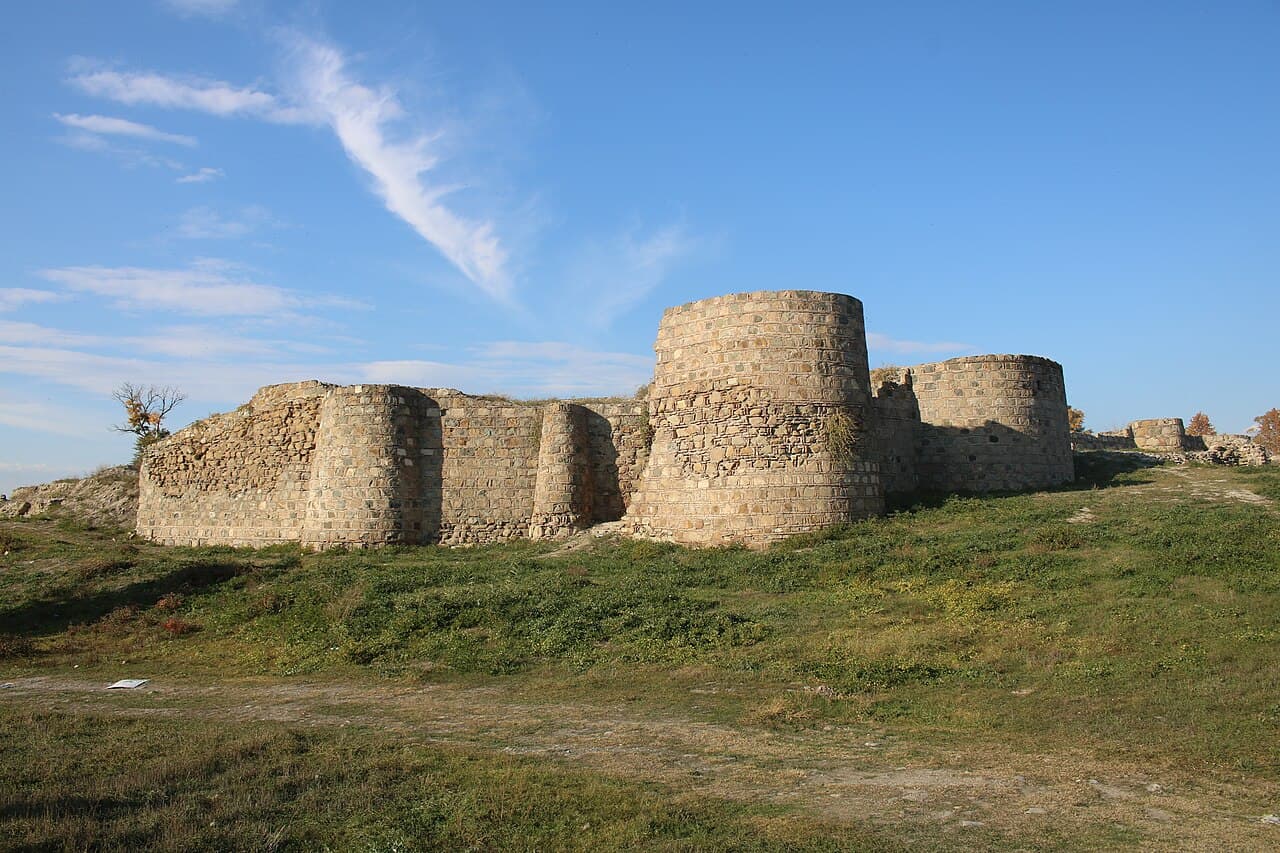
Rustavi Castle's fortifications evolved significantly over several centuries, adapting to changing military technologies and threats. Between the 5th and 8th centuries, the castle featured a dual defensive system with an outer wall equipped with quadrangular towers and an inner wall reinforced by semicircular towers. This design provided layered protection against invaders.
Later modifications
Between the 9th and 11th centuries, the two walls were joined to form a single, more formidable defensive barrier. This consolidation improved the castle's resilience and simplified its defense. In the 12th and 13th centuries, an additional outer wall with a tunnel was constructed, further enhancing the fortress's defensive capabilities. The castle's ground plan became irregularly circular, a shape that maximized the use of the natural terrain for defense.
Water defenses and landscape
Adjacent to the castle flows a canal dating back to the 5th century, which is fed by the Kura River. This canal likely served both irrigation and defensive purposes. On the castle's opposite side lies a small artificial lake, which may have functioned as part of the fortress's water defenses, creating natural barriers against attackers.
Historical conflicts and decline
In the 11th century, Rustavi Castle was captured by the Turkish-Seljuks, marking a period of decline for the fortress and the town, which was reduced to a small garrison settlement. However, in 1069, the castle was retaken by David IV of Georgia, a significant monarch known for his military campaigns and efforts to unify Georgia.
Destruction during Timur's invasions
The late 14th century brought devastation when Timur (Tamerlane), the Turco-Mongol conqueror, invaded Georgia. Rustavi Castle and the surrounding town were destroyed during these invasions, leading to a long period of abandonment and ruin.
Modern context and preservation
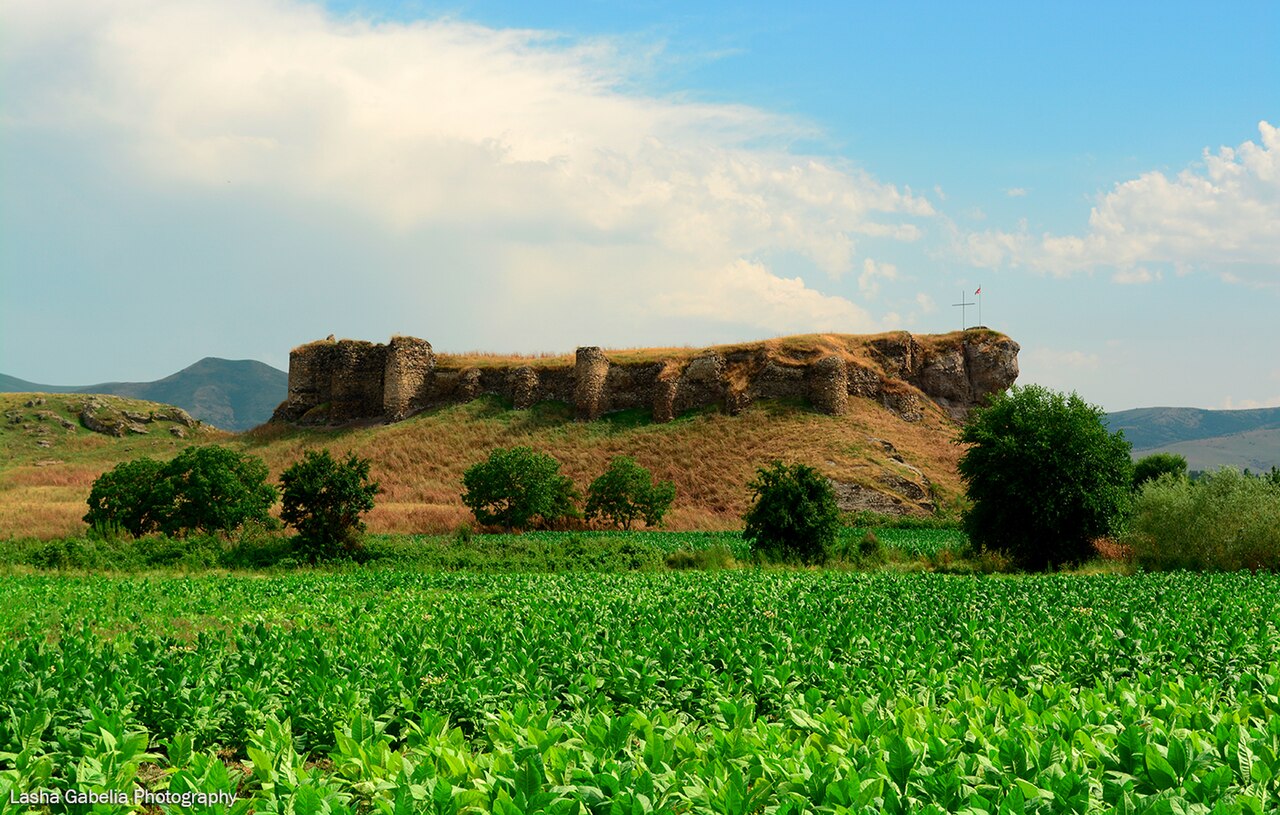
The modern city of Rustavi was rebuilt only in the 20th century during the Soviet era, far removed from the medieval fortress's prominence. Today, Rustavi Castle remains in a state of ruin, enclosed within a fenced area that appears to be part of a park. It is not freely accessible to the public, but it stands as a visible reminder of the region's turbulent history and architectural heritage.
Despite its current condition, Rustavi Castle offers valuable insight into early medieval fortification techniques and the complex history of the Caucasus. Its layered walls, towers, and water defenses reflect centuries of adaptation to military needs and changing rulers. The castle is a significant archaeological and cultural site within Georgia's rich historical landscape.
Frequently asked questions (FAQ)
- What is the historical significance of Rustavi Castle?
- Rustavi Castle, dating back to the 5th century, played a vital role in the defense and administration of the region throughout various historical periods. Its strategic location made it an important fortress during the medieval era, particularly during conflicts involving different kingdoms in Georgia.
- When was Rustavi Castle built?
- Rustavi Castle was originally constructed in the 5th century and has undergone several renovations and expansions over the centuries. The castle reflects various architectural styles that evolved during its long history, showcasing the rich heritage of Georgian fortifications.
- Is it possible to visit Rustavi Castle?
- Yes, Rustavi Castle is open to visitors year-round, providing a chance to explore its ancient walls and enjoy the stunning views of the surrounding area. Guided tours are often available to enhance your experience and provide deeper insights into the castle's history and architecture.
- What are the opening hours for Rustavi Castle?
- Rustavi Castle typically opens daily from 10 AM to 6 PM, although hours may vary depending on the season or local events. It is advisable to check the official website or contact local tourism offices for the most current information before your visit.
- Can I take photographs at Rustavi Castle?
- Yes, visitors are welcome to take photographs throughout Rustavi Castle. The picturesque scenery and fascinating architecture provide numerous opportunities for memorable snapshots, so be sure to bring your camera!
- What is the best time to visit Rustavi Castle?
- The best time to visit Rustavi Castle is during the spring and fall months when the weather is mild and pleasant, making for a comfortable exploration experience. Additionally, these seasons often offer fewer crowds, allowing for a more intimate visit to the historic site.
- Are there any nearby attractions to Rustavi Castle?
- Yes, Rustavi Castle is located near several other attractions, including the ancient city of Mtskheta and the scenic landscapes of the Kazbegi region. Exploring these nearby sites can enhance your visit and give you a broader understanding of Georgia's rich cultural heritage.
- What are the ticket prices for Rustavi Castle?
- Ticket prices for Rustavi Castle are generally quite affordable, with discounts often available for students, seniors, and groups. It is recommended to check the official website or local tourism information for the most accurate and up-to-date pricing details before your visit.
- How do I get to Rustavi Castle?
- Rustavi Castle is easily accessible by car or public transport from Tbilisi, which is approximately 20 kilometers away. Local buses and taxis frequently run to and from the castle, making it a convenient destination for a day trip.
Photo gallery

Information
Loading map...
Visitor reviews
No reviews yet. Been here? Write the first review and help other travelers!
Write the first reviewVisited this castle? Share your experience
Your review helps other travelers and adds first-hand knowledge to our encyclopedia.