Ruotsinsalmi Sea Fortress
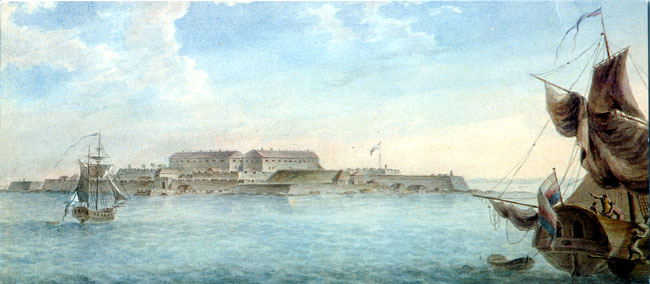
Ruotsinsalmi sea fortress is a historic coastal fortress complex located near Kotka, Finland, constructed between 1790 and 1796 by the Russian Empire. It formed a crucial part of the South-Eastern Finland fortification system, designed to protect the approaches to St. Petersburg from naval threats during the post-Renaissance period. Strategically positioned on a group of islands in the Gulf of Finland, the fortress guarded the maritime routes and supported the nearby Kyminlinna fortress on the mainland.
Historical context and strategic importance
The fortress was built during a time of heightened military tensions between Russia and Sweden, as control over the Baltic Sea and the Finnish territories was contested. The South-Eastern Finland fortification system was Russia's response to these challenges, aiming to secure the southern coast of Finland and the vital maritime access to St. Petersburg, the Russian capital at the time.
Ruotsinsalmi fortress was named after the nearby strait and was designed to complement other fortifications in the region. Its construction was part of a broader effort to establish a defensive network that could resist naval attacks and safeguard the empire's northwestern frontier.
Architectural composition and features
The fortress complex consisted of three primary strongholds: Fort Katarina, Fort Elisabeth, and Fort Slava. These forts were complemented by multiple redoubts and artillery batteries strategically placed to cover the waterways and provide overlapping fields of fire.
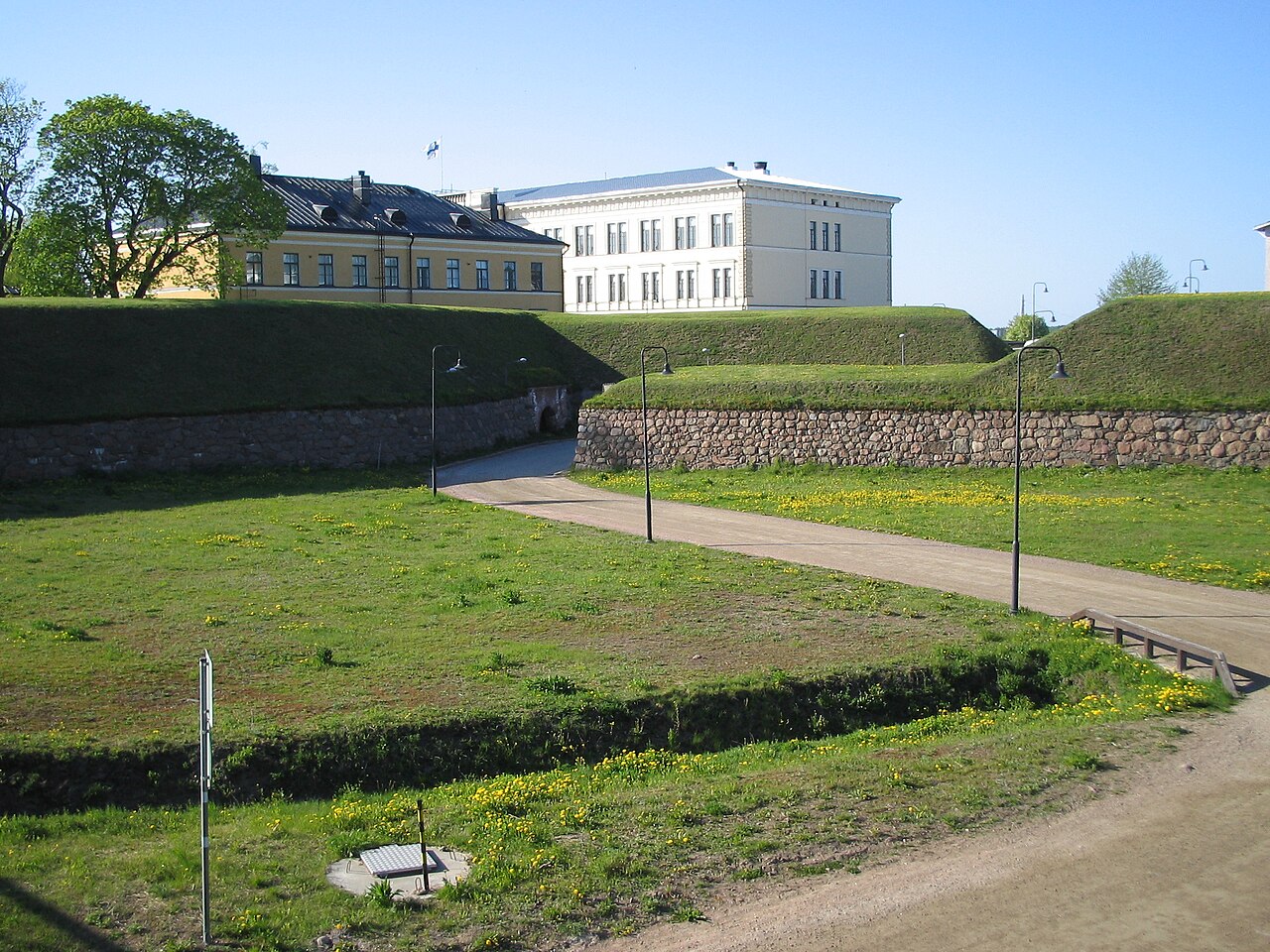
Fort Katarina and Fort Elisabeth were the largest and most fortified structures, featuring thick stone walls and bastioned earthworks typical of late 18th-century military engineering. The design incorporated coastal artillery emplacements to engage enemy ships, as well as facilities for troops and ammunition storage.
Fort Slava served as a smaller yet vital defensive position, enhancing the fortress's overall coverage. The network of redoubts and batteries extended the defensive perimeter, creating a layered defense system that was difficult to bypass.
Construction techniques and materials
The fortress was constructed using locally available stone and earthworks, with masonry walls reinforced by angled bastions to deflect artillery fire. The layout reflected contemporary military architectural principles, emphasizing both defense and the ability to mount effective counterattacks.
Military history and decline
The fortress's operational period as a defensive stronghold was relatively brief. Following the Finnish War (1808-1809), when Finland was ceded from Sweden to Russia, the strategic need for Ruotsinsalmi fortress diminished significantly. The newly expanded Russian territory reduced the fortress's role as a frontline defense.
By the 1830s, Ruotsinsalmi fortress was officially disbanded and fell into disuse. Its military importance faded as newer technologies and shifting political borders rendered the fortifications obsolete.
During the Crimean War in 1855, the fortress was targeted by an Anglo-French naval fleet. The attacking forces destroyed the largely abandoned fortress, ensuring it could no longer serve as a military base.
Present-day remnants and preservation
Today, only fragments of the original fortress survive. Visitors can explore remnants located near Catherine’s path and on the island of Tiutinen. The embankments of Fort Elisabeth have been restored in recent years, allowing for better appreciation of the fortress's original scale and layout.
The site is accessible by regular boat services during the summer months, making it a popular destination for those interested in military history and coastal fortifications. Interpretive signage and guided tours help visitors understand the fortress's role in the region's history and its architectural significance.
Significance for cultural heritage and tourism
Ruotsinsalmi sea fortress is recognized as an important cultural heritage site in Finland, reflecting the complex military and political history of the Baltic region. Its ruins provide valuable insights into late 18th-century fortification design and the geopolitical struggles that shaped Northern Europe.
The fortress's location amidst scenic coastal landscapes adds to its appeal, combining natural beauty with historical intrigue. It remains a testament to the era's military engineering and the strategic importance of the Finnish archipelago.
Frequently asked questions (FAQ)
- What is the historical significance of Ruotsinsalmi Sea Fortress?
- Ruotsinsalmi Sea Fortress, built in the 18th century, played a crucial role in the defense of Finland during various conflicts, particularly against Russian and Swedish forces. Its strategic location made it vital for naval operations in the region, showcasing the military architecture of its time.
- When was Ruotsinsalmi Sea Fortress constructed?
- The construction of Ruotsinsalmi Sea Fortress began in 1748 and continued over several decades. The fortress was completed in the late 18th century, evolving through various phases to adapt to the changing demands of military defense.
- Can I visit Ruotsinsalmi Sea Fortress?
- Yes, Ruotsinsalmi Sea Fortress is open to visitors who wish to explore its historical grounds and learn about its significance. Guided tours are available, providing insight into the fortress's architecture and its role in Finnish history.
- What are the opening hours of Ruotsinsalmi Sea Fortress?
- The fortress is typically open to visitors from May to September, with specific hours varying by month. It is advisable to check the official website or local tourism information for the most current opening hours before planning your visit.
- Is it possible to access Ruotsinsalmi Sea Fortress by public transport?
- Yes, Ruotsinsalmi Sea Fortress is accessible via public transport, including buses that connect Kotka to the fortress. Additionally, there are walking and biking paths for those who prefer to explore the scenic routes around the area.
- What is the best time to visit Ruotsinsalmi Sea Fortress?
- The best time to visit Ruotsinsalmi Sea Fortress is during the summer months, from June to August, when the weather is pleasant and the fortress hosts various events. This period also offers the opportunity to enjoy the beautiful surroundings and nearby nature trails.
- Are there any nearby attractions to visit while at Ruotsinsalmi Sea Fortress?
- Yes, while visiting Ruotsinsalmi Sea Fortress, you can also explore the city of Kotka, which features parks, museums, and waterfront activities. The nearby Maritime Museum and the beautiful Sapokka Water Garden are popular spots for visitors.
- What are the ticket prices for visiting Ruotsinsalmi Sea Fortress?
- Ticket prices for Ruotsinsalmi Sea Fortress are generally affordable, with discounts available for children, students, and seniors. It is recommended to check the fortress's official website for the latest pricing and any special offers for group visits.
Information
Website
Visit websiteSources & official resources
Verify the information above using these authoritative references.
Loading map...
Visitor reviews
No reviews yet. Been here? Write the first review and help other travelers!
Write the first reviewVisited this castle? Share your experience
Your review helps other travelers and adds first-hand knowledge to our encyclopedia.