Ruine Weissenegg
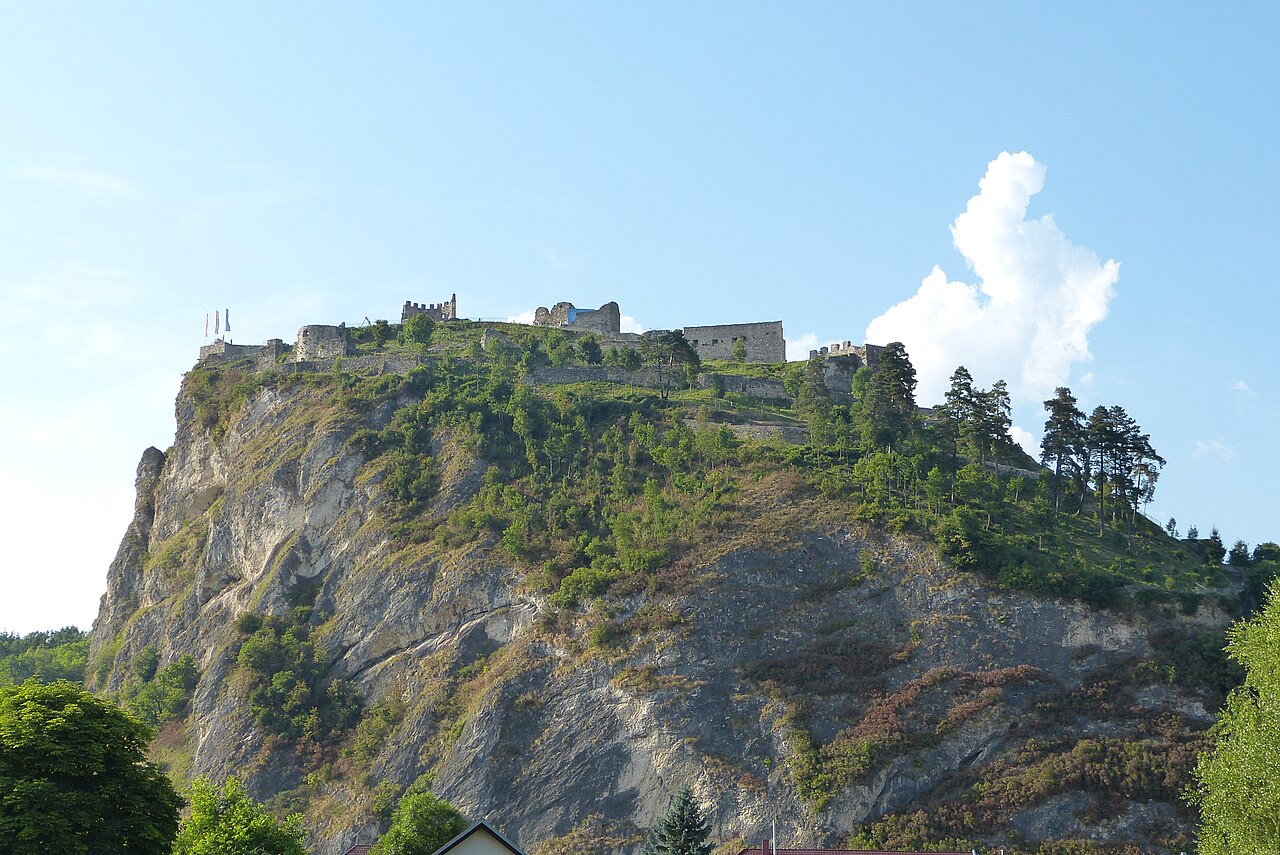
Ruine Weissenegg stands as a significant medieval hill castle ruin located near the municipality of Ruden in the Austrian state of Carinthia. Originally built in the early 13th century, this castle occupies a prominent rocky spur overlooking the Griffen Valley, offering strategic views and natural defenses typical of hill castles from the High Medieval period.
The castle's origins trace back to the noble family Weißenegger, with the earliest documented ancestor, Wülfing von Wizzeneck, living around 1120. The castle itself is first mentioned in historical records in 1243 under the name dominus de Wizenekke, firmly establishing its role as the ancestral seat of the Weißenegger family. This family held a notable position as ministeriales—unfree knights serving under the ecclesiastical authority of the Bishopric of Bamberg. During the 13th and 14th centuries, members of the Weißenegger family not only fulfilled military duties but also attained high-ranking ecclesiastical offices, including bishoprics, underscoring the castle's importance as a center of both secular and religious power.
Historical significance and ownership transitions
By circa 1300, Ruine Weissenegg functioned as a regional court seat, administering justice for the surrounding territories including the nearby settlement of Ruden. This judicial role highlights the castle's importance beyond mere military defense, serving as a hub for governance and legal authority.
Ownership of the castle shifted in 1332 when the powerful Lords of Walsee acquired it. Subsequently, the castle passed by inheritance to the Counts of Cilli, a prominent noble family in the region, who held it until 1425. That year, the Counts exchanged the property back to the Bishopric of Bamberg, which maintained control until 1759. By this time, the castle had fallen into disuse and was abandoned, reflecting broader shifts in military architecture and regional power structures.
In 1759, the Austrian Empire purchased the estate, marking the beginning of a new phase in its ownership history. Later, in 1775, the castle passed into the hands of Maximilian Thaddäus Baron von Egger, whose family retained possession for over a century. The ruins then changed hands several times, including ownership by the barons of Helldorf from 1885 and finally the Leitgeb family, local industrialists who acquired the site in 1936 and remain its custodians today.
Architectural features and layout
Defensive structures and towers
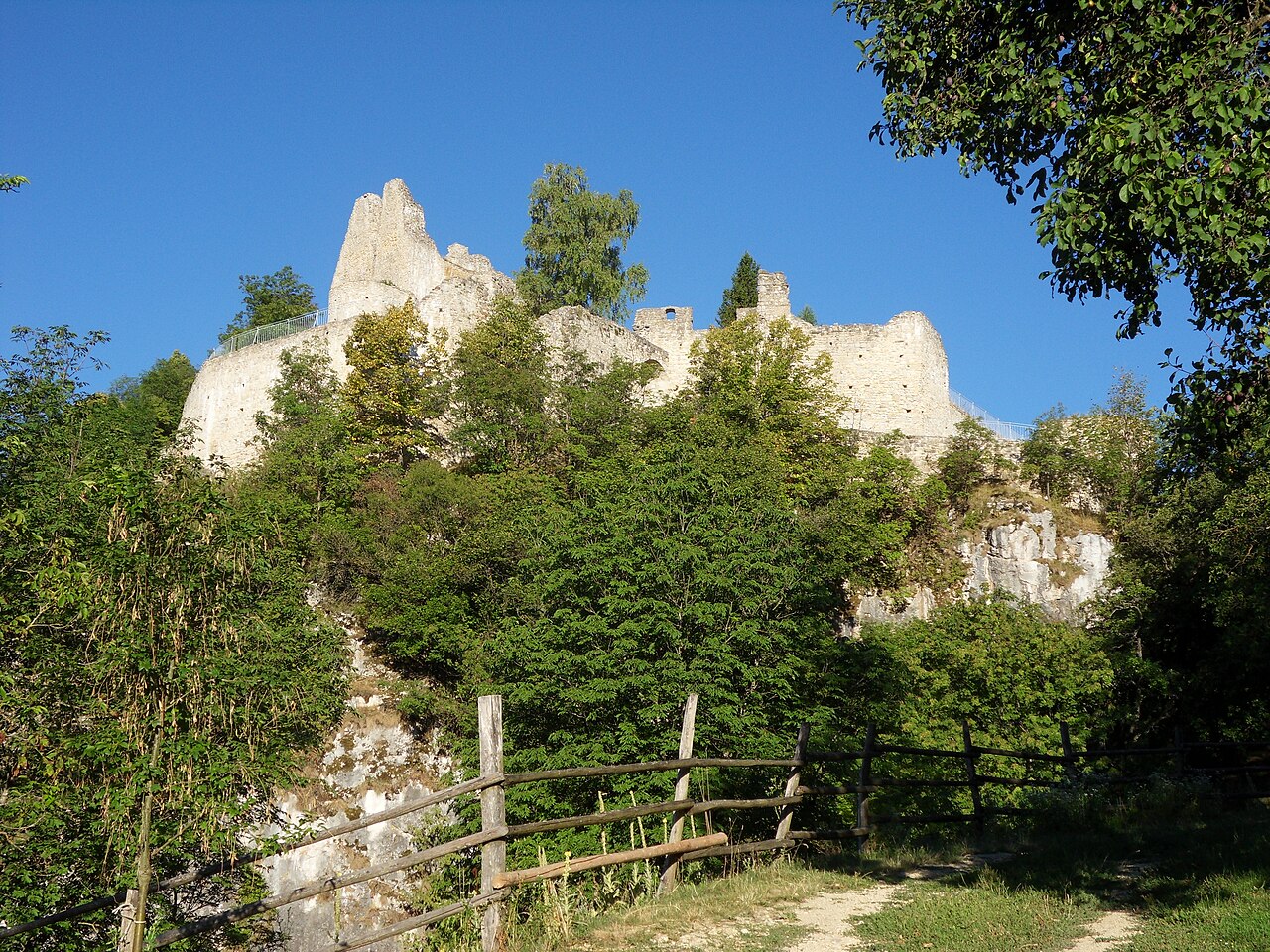
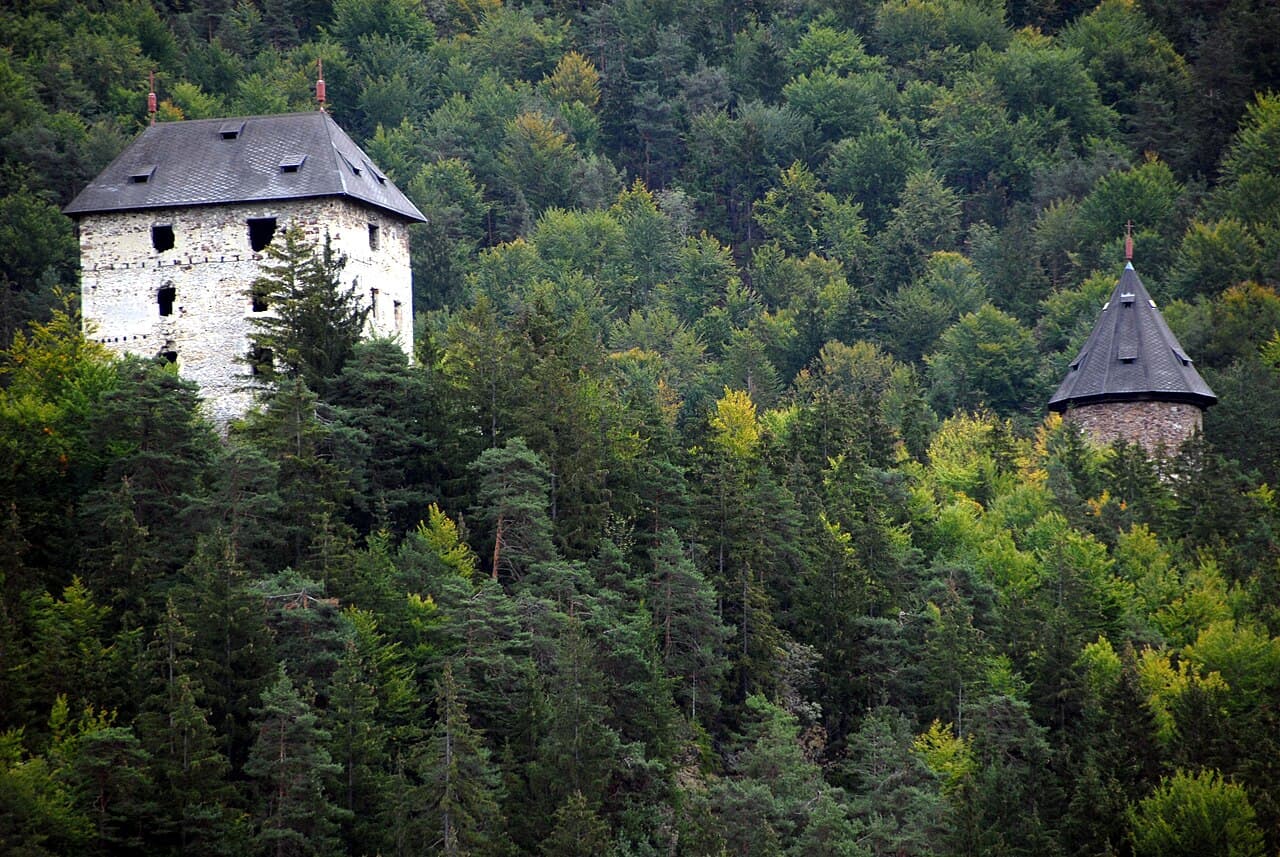
The ruins of Ruine Weissenegg are situated on a wooded rocky promontory, which rises prominently above the Griffen Valley. The castle's earliest surviving structure is a 13th-century round tower located on the uphill side. This tower features walls up to two meters thick, indicative of its original defensive purpose. Over time, the tower became integrated into the outer bailey, the fortified courtyard that protected the main residential and administrative buildings within the castle complex.
Main castle enclosure and residential quarters
Northwest of the round tower lies the primary castle enclosure, constructed in the 16th century. This section follows a rectangular floor plan and is separated from the tower by a deep moat, a defensive feature designed to hinder attackers. Surrounding this main enclosure is an outer courtyard shaped like a horseshoe, providing additional layers of defense and space for auxiliary buildings and activities.
The western part of the castle houses the remains of the palas, or main residential building. Its exterior walls survive up to the third floor, offering valuable insight into the living quarters of the castle's inhabitants. Within the courtyard, the remains of a well or cistern are visible, demonstrating the castle's self-sufficiency in water supply during sieges or isolation.
Conservation and current condition
Today, Ruine Weissenegg is classified as ruins, with substantial stonework still visible above the tree line amidst the forested promontory. Recent conservation efforts have focused on clearing overgrown vegetation, stabilizing the remaining structures, and installing protective roofing on some sections. These measures aim to preserve the castle's key architectural features and prevent further deterioration, allowing visitors to appreciate its medieval character.
The castle's location and surviving features provide a tangible connection to the High Medieval era in Carinthia, illustrating the typical development of a noble hill castle with defensive towers, moats, and residential buildings adapted over centuries. Its layered history of ownership and function reflects broader regional political and ecclesiastical dynamics from the 12th through 18th centuries.
Visiting Ruine Weissenegg
While the castle is in a ruined state, it remains an important cultural heritage site in Carinthia. Visitors can explore the remnants of the defensive structures and residential buildings, gaining insight into medieval castle architecture and the historical significance of the Weißenegger family and their successors. The castle's elevated position offers scenic views of the Griffen Valley and surrounding landscapes, enhancing the visitor experience.
Frequently asked questions (FAQ)
- What is the historical significance of Ruine Weissenegg?
- Ruine Weissenegg is a medieval castle ruin that dates back to the 12th century. It played a vital role in the defense of the region and was strategically located to oversee important trade routes. Today, it stands as a testament to the architectural and historical heritage of Austria.
- When was Ruine Weissenegg built?
- The construction of Ruine Weissenegg began in the late 12th century, making it one of the oldest castles in the area. It underwent several modifications over the centuries, reflecting various architectural styles and historical changes.
- Can I visit Ruine Weissenegg year-round?
- Yes, Ruine Weissenegg is open to visitors year-round. However, it's advisable to check local weather conditions and any seasonal maintenance schedules that might affect accessibility, especially in winter months.
- What are the opening hours for Ruine Weissenegg?
- The castle is generally open from 10 AM to 6 PM during the peak tourist season, but hours may vary. It’s best to check the official website or local tourism information for the most current hours before your visit.
- Is Ruine Weissenegg accessible for people with mobility challenges?
- The castle is situated on a hill and involves some walking, which may be challenging for those with mobility issues. While some areas may be accessible, it is recommended to prepare for uneven terrain and limited pathways for wheelchair users.
- What is the best time to visit Ruine Weissenegg?
- The best time to visit Ruine Weissenegg is during the late spring and early fall when the weather is pleasant and the surrounding landscapes are at their most beautiful. These seasons also tend to have fewer crowds compared to the peak summer months.
- Are there any nearby attractions to Ruine Weissenegg?
- Yes, nearby attractions include the beautiful nature trails of the region and other historical sites, such as the charming town of Ruden. Visitors can also explore local vineyards and enjoy the scenic views of the surrounding countryside.
- How much are the ticket prices for Ruine Weissenegg?
- Entry to Ruine Weissenegg is generally free; however, donations for the maintenance of the site are welcomed. Special guided tours or events may have associated fees, so it’s advisable to check ahead for any planned activities.
Photo gallery

Information
Loading map...
Visitor reviews
No reviews yet. Been here? Write the first review and help other travelers!
Write the first reviewVisited this castle? Share your experience
Your review helps other travelers and adds first-hand knowledge to our encyclopedia.