Griffen Castle Ruins
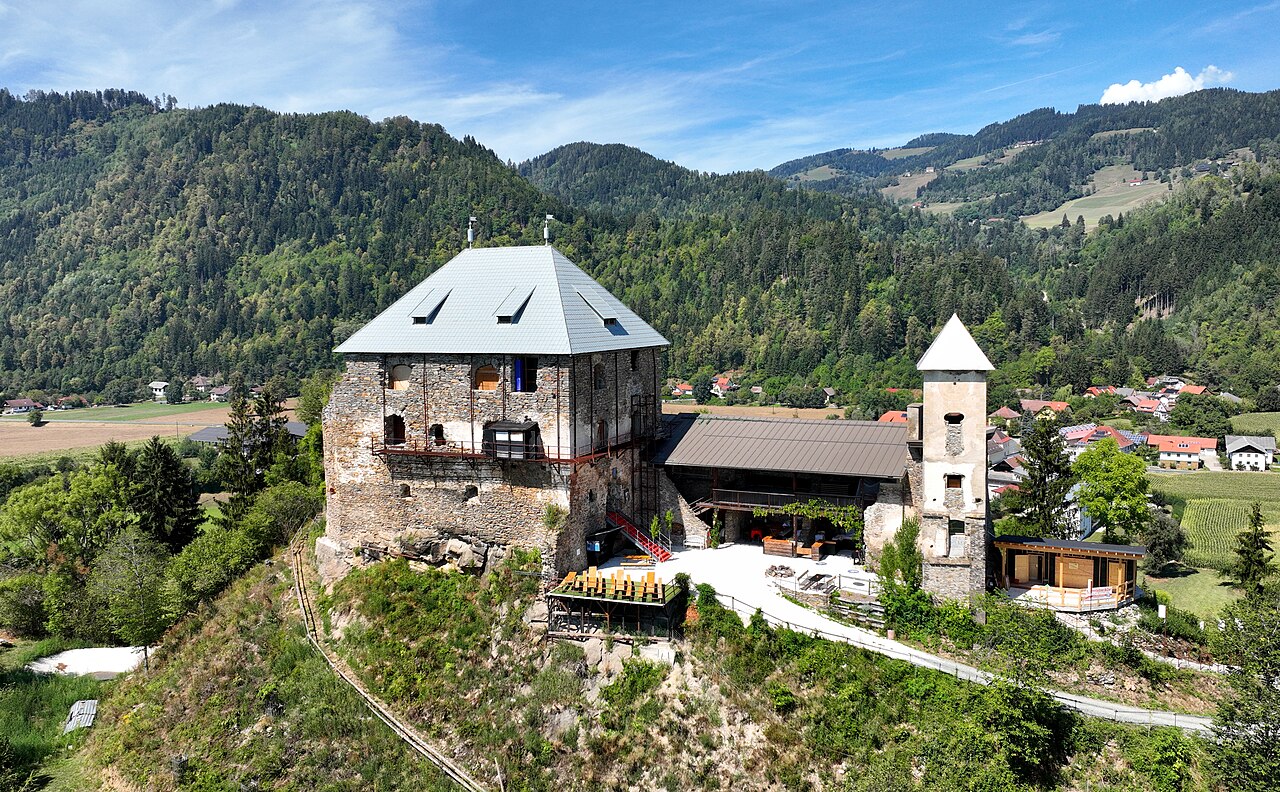
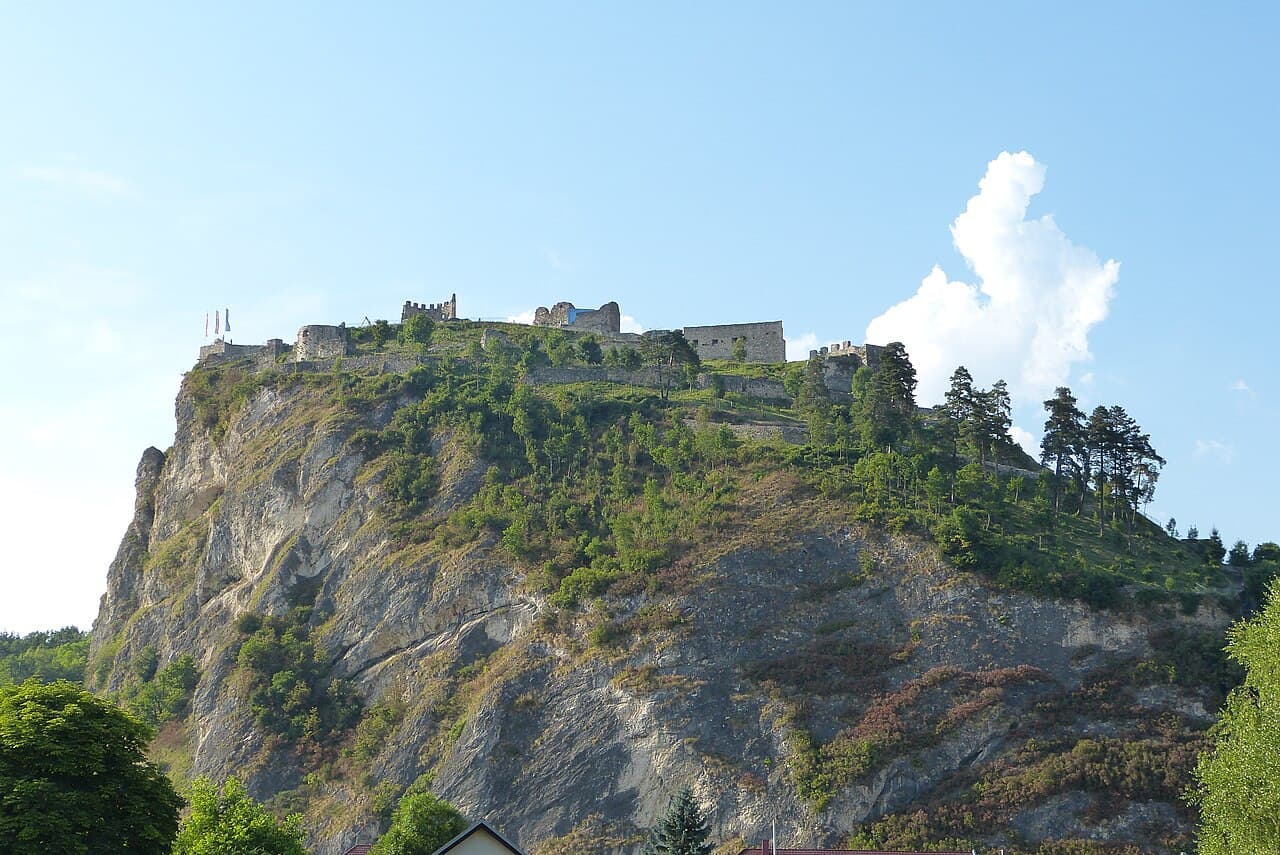
Griffen castle ruins stand prominently on a 130-meter-high limestone mountain overlooking the town of Griffen in the Austrian state of Carinthia. Constructed between 1124 and 1146 by order of Bishop Otto of Bamberg, this fortress was a key medieval stronghold with a history deeply intertwined with the regional power struggles of the High Middle Ages.
The castle is first documented in a 1160 deed where Emperor Friedrich I acknowledged "Grivena" as a property under the control of the Bishopric of Bamberg. This affiliation highlights the castle's strategic and ecclesiastical importance during the period. Griffen castle's location atop a steep mountain provided natural defensive advantages, complemented by its substantial fortifications.
Historical significance and medieval conflicts
During the late 13th century, Griffen castle became a focal point in local power disputes. In 1292, the Carinthian nobleman Count Ulrich von Heunburg, supported by Archbishop Konrad IV of Salzburg, seized the fortress amid an uprising against Albert of Habsburg, son of King Rudolph I of Germany and Duke Meinhard II. This event underscores the castle's role as a military and political asset in the region. However, Ulrich's rebellion failed when his allies deserted him, forcing him to abandon Griffen a year later.
By the mid-18th century, the castle's ownership shifted when Bishop Adam Friedrich sold the Bamberg estates in Carinthia to Maria Theresa of Austria in 1759. Subsequently, Griffen castle was integrated into the Duchy of Carinthia, marking the end of its ecclesiastical governance.
Architectural evolution and defensive features
Around 1520, Griffen castle underwent a significant reconstruction to bolster its defenses against the expanding threat of the Ottoman Empire. The renovation expanded the castle's base to approximately 4000 square meters, enhancing its capacity to withstand sieges. Despite these preparations, the Ottomans never launched an assault on Griffen.
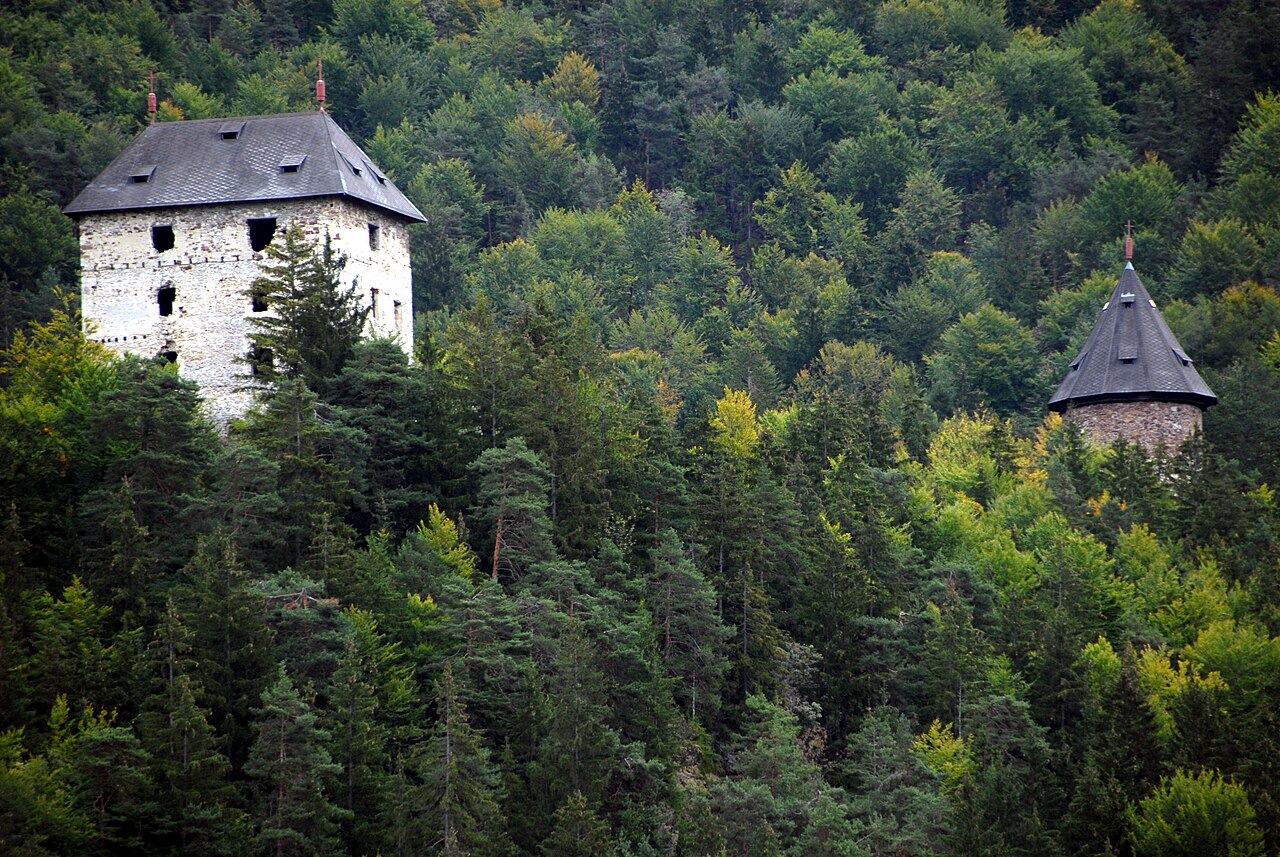
The castle's layout included towers, curtain walls, and a steep footpath providing access to the summit, all typical of high medieval fortifications designed to maximize natural terrain advantages. The extensive fortifications reflect the military architectural trends of the late medieval period, emphasizing strongholds capable of resisting artillery and prolonged sieges.
Decline and preservation efforts
The castle's decline began in 1659 when a lightning strike destroyed one of its towers, accelerating its deterioration. By 1768, the last recorded religious service was held within its walls, indicating a gradual abandonment. Around 1840, the removal of the roofs marked a further step towards ruin.
Modern preservation efforts commenced in 2000 to stabilize and protect the ruins, allowing visitors to explore the site via the steep footpath leading to the mountaintop remains. These efforts have focused on maintaining the structural integrity of the surviving walls and towers while preserving the site's historical character.
Griffener tropfsteinhöhle: the dripstone cave
Within the mountain beneath Griffen castle lies the Griffener Tropfsteinhöhle, a dripstone cave extending approximately 485 meters. Discovered only in the late days of World War II, this natural feature has been a protected landmark since 1957. The cave is accessible to the public and adds a unique geological dimension to the castle site, attracting visitors interested in both natural history and medieval architecture.
Visitor experience and access
Visitors to Griffen castle ruins can ascend the steep footpath to reach the mountaintop, where they can explore the remains of the fortress and enjoy panoramic views of the Carinthian landscape. The combination of natural beauty and historical significance makes Griffen a notable destination for those interested in medieval castles and Austrian heritage.
Overall, Griffen castle ruins offer insight into the military, political, and religious history of Carinthia during the High Medieval period. Its architectural remains and the surrounding natural features provide a compelling narrative of medieval fortification strategies and regional power dynamics.
Frequently asked questions (FAQ)
- How do I get to Griffen Castle Ruins?
- Griffen Castle Ruins is located just outside the town of Griffen in Austria. You can reach it by car or public transport, with several bus services operating from nearby towns. The castle is situated on a hill, so be prepared for a short hike to reach the ruins.
- What is the historical significance of Griffen Castle Ruins?
- Griffen Castle Ruins date back to the 11th century and played a crucial role in the region's defense during the Middle Ages. The castle was strategically positioned to oversee trade routes and protect the area from invaders. Today, it stands as a testament to Austria's rich medieval history.
- When was Griffen Castle built?
- Griffen Castle was constructed in the early 11th century, with its first mention in historical records dating back to 1090. Over the centuries, it underwent various renovations and expansions, reflecting the architectural styles of different periods. The ruins you see today offer a glimpse into its storied past.
- Can I access the castle ruins all year round?
- Yes, Griffen Castle Ruins are accessible to visitors year-round, though the best time to visit is during the spring and summer months when the weather is more favorable. Be aware that during winter, the path may be slippery, and some areas could be closed for safety reasons. Always check local advisories before your visit.
- Why is Griffen Castle Ruins a popular tourist destination?
- Griffen Castle Ruins attract visitors due to their historical significance and stunning panoramic views of the surrounding landscape. The site offers a unique opportunity to explore medieval architecture and learn about the region's history. Additionally, the scenic hiking trails leading up to the castle enhance the overall experience for nature lovers.
- Is it possible to take guided tours of the castle ruins?
- While there are no formal guided tours offered at Griffen Castle Ruins, informational signage is available throughout the site to enhance your visit. You can also find local guides in the area who may offer informal tours. Exploring the ruins at your own pace allows for a personal experience of this historical landmark.
- What are the opening hours for Griffen Castle Ruins?
- Griffen Castle Ruins are open to the public daily, with no specific opening or closing hours. Visitors are encouraged to arrive during daylight hours to fully appreciate the site and its surroundings. However, it is advisable to check local guidelines for any seasonal changes in accessibility.
- Are there any ticket prices for visiting Griffen Castle Ruins?
- Visiting Griffen Castle Ruins is free of charge, making it an accessible destination for all types of travelers. You can enjoy the historical site without the burden of entrance fees. However, consider supporting local businesses in the area during your visit.
- What are some nearby attractions to Griffen Castle Ruins?
- In addition to exploring the castle ruins, visitors can enjoy the beautiful natural scenery of the nearby Karawanken mountains. The charming town of Griffen offers quaint shops and cafes, as well as the historic Griffen Town Hall. For those interested in nature, the nearby hiking trails provide stunning views and opportunities for outdoor activities.
Photo gallery

Information
Loading map...
Visitor reviews
No reviews yet. Been here? Write the first review and help other travelers!
Write the first reviewVisited this castle? Share your experience
Your review helps other travelers and adds first-hand knowledge to our encyclopedia.