Rozafa Castle
Rozafa Castle, also known locally as Kalaja e Rozafës, is a monumental fortress located on a rocky hill just south of the city of Shkodër in northwestern Albania. Its commanding position at the confluence of the Buna and Drin rivers, near the shores of Lake Skadar, made it a strategic military site for millennia. The castle's history spans over 2,500 years, reflecting the complex cultural and political shifts in the region from the Illyrian tribes through Roman, Byzantine, Venetian, and Ottoman rule.
The earliest fortifications on the site date back to the 4th-3rd century BCE, when the Illyrians, an ancient Balkan people, established a citadel here as part of their capital territory known as Scodra or Scutari (modern Shkodër). This Illyrian stronghold was later captured by the Romans in 167 BCE, who incorporated it into their provincial defenses. Subsequently, the fortress was maintained and modified by the Byzantine Empire, serving as a key defensive position in the region.
Legend and cultural significance
The castle is steeped in local legend, most famously the tale of the three brothers who attempted to build its walls. According to the story, the walls collapsed each night until an old man advised that the wife of the brother who brought food the next day must be immured within the walls to ensure stability. The wife of the third brother sacrificed herself, requesting only that holes be left in the wall for her right eye, hand, breast, and foot to care for her infant son. This poignant legend symbolizes sacrifice and endurance and remains a powerful cultural narrative tied to the castle.
Architectural evolution and layout
Rozafa Castle features an irregular plan that follows the natural contours of the rocky hill on which it stands. The castle complex is composed of three main baileys (courtyards), each serving distinct functions and containing significant architectural remnants from different historical periods.
First bailey
Upon entering the fortress through the fortified 15th-century main gate, visitors arrive in the first courtyard. Here, the oldest surviving structure is the 4th-century Illyrian wall, which represents the ancient core of the fortress. This area also contains medieval ruins such as cisterns for water storage, the Balshaj towers named after a prominent local noble family, and remnants of former Venetian residences.
Second bailey
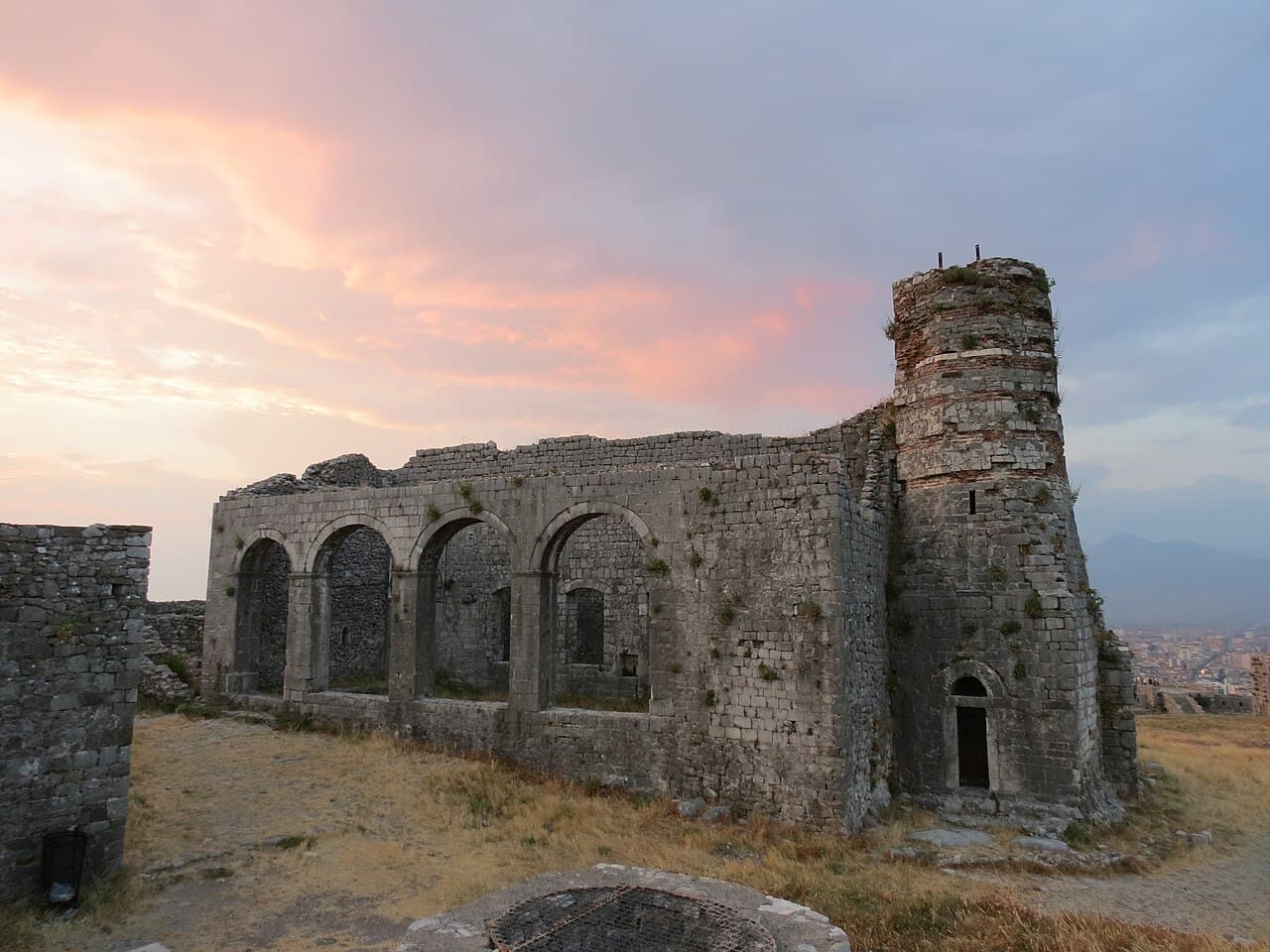
The second courtyard is dominated by the ruins of the Church of St. Stephen, originally built in the Romanesque style typical of the 13th to 15th centuries under Venetian influence. During the Ottoman period, this church was converted into the Sultan Mehmet Fatih Mosque. The transformation reflects the religious and cultural shifts that occurred when the Ottomans took control. The mosque was eventually abandoned in 1865, but the ruins remain a poignant symbol of the castle's layered history.
Third bailey
The third courtyard contains a prominent three-story Venetian building known as the Capitol, which served as the residence of the Venetian governor. Today, this building houses the Castle of Shkodra Museum, which presents an extensive exhibition on the castle's 4,000-year history and the influential medieval families of the city. The museum offers information in both Albanian and English, enhancing visitor understanding of the castle's significance.
Historical context and military significance
Rozafa Castle's strategic location made it a focal point in numerous military conflicts. In the late 14th century, the region came under the control of the Venetian Republic, which undertook significant fortification efforts to counter the growing threat of the Ottoman Empire. The Ottomans, aiming to secure a foothold on the eastern Adriatic coast as a prelude to invading Italy, intensified their campaigns in the 15th century.
During the First Ottoman-Venetian War (1463–1479), Rozafa Castle was the site of a brutal siege beginning in May 1478. Despite the castle's strengthened defenses, the siege ended with a peace treaty in April 1479, whereby the Venetians ceded the fortress to the Ottomans. The castle remained under Ottoman control for over four centuries, serving as a military base and administrative center.
In the early 20th century, the castle witnessed further conflict during the Balkan Wars. In 1912, the Balkan League—comprising Serbia, Montenegro, Greece, and Bulgaria—laid siege to the fortress during the Siege of Scutari. After a six-month siege, the Ottomans relinquished control, marking the end of their rule in the area. The castle also saw action during the Italian invasion of Albania in 1939, after which it was heavily damaged and largely abandoned.
Current condition and visitor experience
Today, Rozafa Castle stands as a partially preserved fortress, with many sections in ruins but still retaining significant architectural and historical features. The castle's walls, towers, and courtyards offer visitors a tangible connection to its rich past. The site is freely accessible, although there is a ticket booth that may be operational at times, suggesting some managed access.
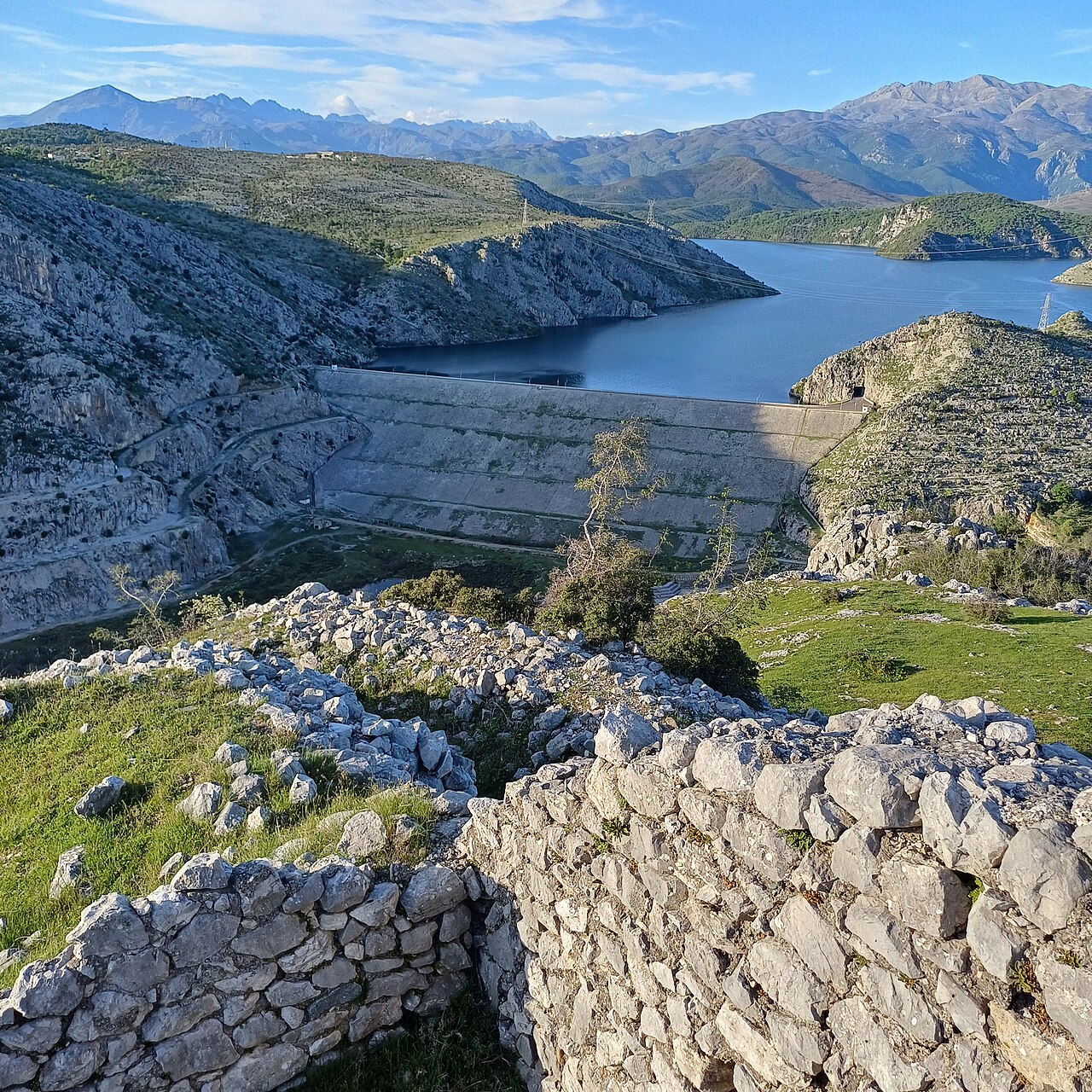
The castle's location offers spectacular views of the surrounding landscape, including the rivers and Lake Skadar. Visitors can explore the extensive ruins, including the ancient walls, medieval cisterns, and the evocative remains of the church-mosque. The museum within the Capitol building provides valuable context and artifacts, enriching the visitor experience.
Archaeological and cultural importance
Rozafa Castle and its surroundings form part of Albania's Archaeological Park, highlighting the site's importance as a cultural heritage landmark. The castle's layers of construction and adaptation illustrate the region's complex history of conquest, cultural exchange, and resilience. Its blend of Illyrian, Roman, Byzantine, Venetian, and Ottoman architectural elements make it a unique example of military architecture evolving over centuries.
As a symbol of Shkodër and Albanian identity, Rozafa Castle continues to inspire local folklore, scholarship, and tourism. Its legendary narrative, combined with its historical and architectural significance, makes it a must-visit destination for those interested in Balkan history and medieval fortifications.
Frequently asked questions (FAQ)
- What is the historical significance of Rozafa Castle?
- Rozafa Castle is a symbol of Albanian heritage, dating back to the 4th century BC. It has witnessed numerous historical events and conflicts, reflecting the rich cultural tapestry of the region. The castle's legends, particularly the story of its construction involving a woman named Rozafa, add to its historical allure.
- When was Rozafa Castle built?
- Rozafa Castle's origins can be traced back to the Illyrian period, with significant construction occurring in the 4th century BC. Over the centuries, it has undergone various renovations and expansions, particularly during the Roman and Venetian periods, showcasing the evolution of its architecture.
- Can I visit Rozafa Castle year-round?
- Yes, Rozafa Castle is open to visitors year-round, with varying hours depending on the season. It's advisable to check the specific opening times before your visit, as they may change during holidays or off-peak seasons.
- What are the ticket prices for Rozafa Castle?
- The ticket prices for Rozafa Castle are generally very affordable, making it accessible for all visitors. Prices may vary for adults, students, and children, so it's best to check the official website or at the entrance for the most current rates.
- Is it possible to access Rozafa Castle with disabilities?
- While Rozafa Castle is a historical site with some uneven terrain, efforts have been made to improve accessibility for visitors with disabilities. However, it is recommended to contact the castle administration in advance to inquire about specific accommodations that may be available.
- What is the best time to visit Rozafa Castle?
- The best time to visit Rozafa Castle is during the spring and early autumn months when the weather is mild and pleasant. This allows for an enjoyable exploration of the castle and its stunning panoramic views without the summer heat.
- Are there any nearby attractions to explore?
- Yes, there are several nearby attractions, including the picturesque town of Shkodër, the Marubi National Museum of Photography, and the Lake Shkodër area. These sites complement your visit to Rozafa Castle and offer additional insights into the region's history and culture.
- What architectural features can I expect to see at Rozafa Castle?
- Rozafa Castle showcases a blend of architectural styles due to its long history, including Illyrian, Roman, and Venetian influences. Visitors can admire its imposing walls, towers, and the impressive fortifications that have stood the test of time, as well as the stunning views of the surrounding landscape.

Loading map...
Visitor reviews
No reviews yet. Been here? Write the first review and help other travelers!
Write the first reviewVisited this castle? Share your experience
Your review helps other travelers and adds first-hand knowledge to our encyclopedia.