Danjë Castle
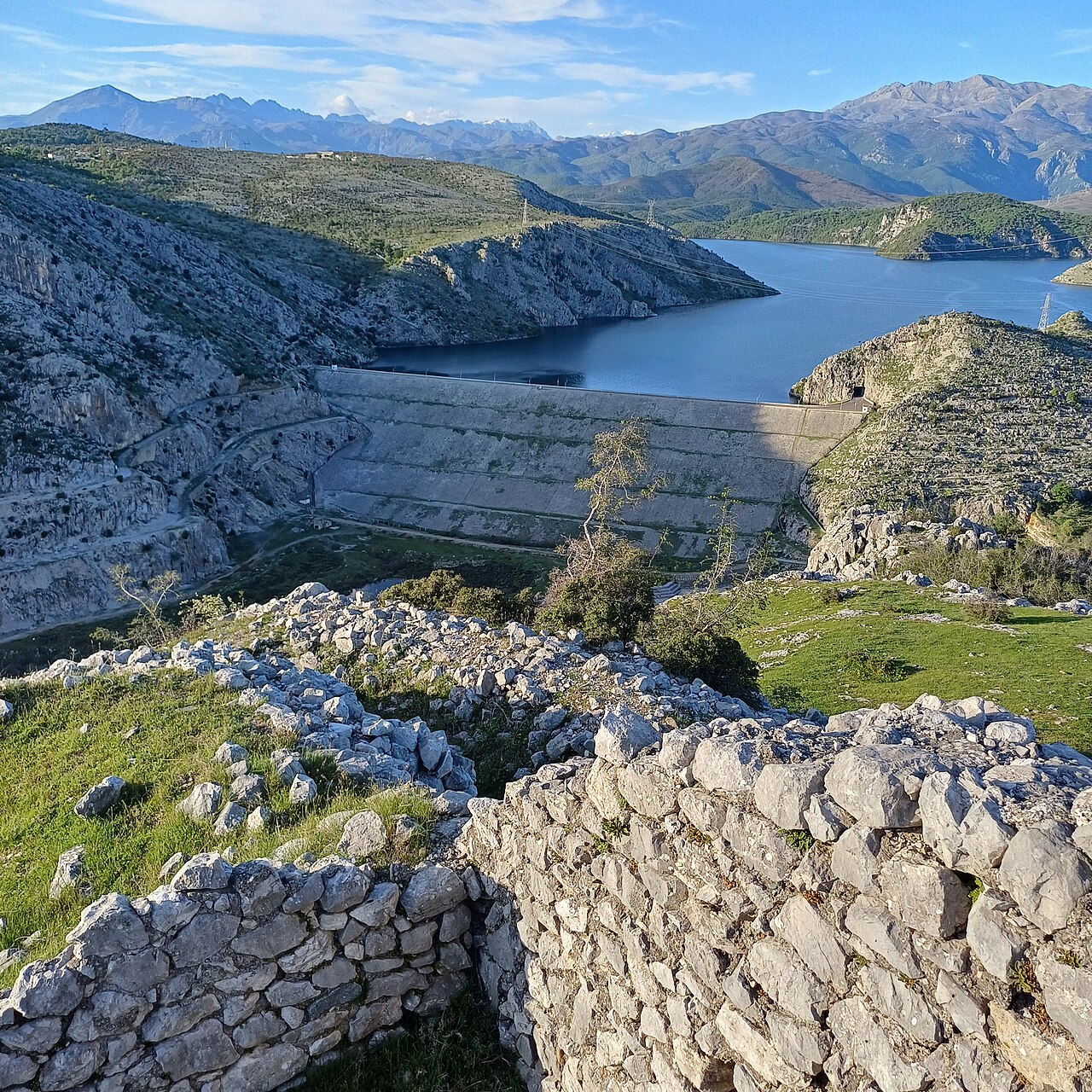
Danjë Castle, also known locally as Kalaja e Danjës, is a historic fortress perched above the village of Deja in the county of Shkodër, northern Albania. This high medieval castle stands on a prominent 120-meter-high rocky hill overlooking the Drin river valley, providing strategic control over the fertile plains and ancient trade routes that have long shaped the region's history.
Historical significance and early origins
The castle's origins trace back to the 11th and 12th centuries, during which it was first documented as a significant regional episcopal center. Its position allowed it to serve both military and administrative functions, overseeing the surrounding lands and facilitating control over commerce and travel through this part of Albania.
Throughout the late 14th and early 15th centuries, Danjë Castle was governed by various noble families, most notably the Zaharia family. The castle's history is marked by local rivalries, including a notable conflict involving the Dukagjini family. In 1447, after the murder of Lekë Zaharia by a member of the Dukagjini family over a personal dispute, the castle was handed over to the Venetians by Lekë’s mother. This transfer was motivated by spite and political maneuvering, marking a significant shift in control.
Venetian and Ottoman periods
Under Venetian rule, Danjë Castle remained an important outpost until the 1470s, when the expanding Ottoman Empire conquered the region. The Ottomans, however, did not maintain the fortress. Instead, they deliberately demolished it, likely to prevent its use by potential rebels or rival powers. Following its destruction, the castle was never rebuilt, and it gradually fell into ruin.
Geographical and architectural features
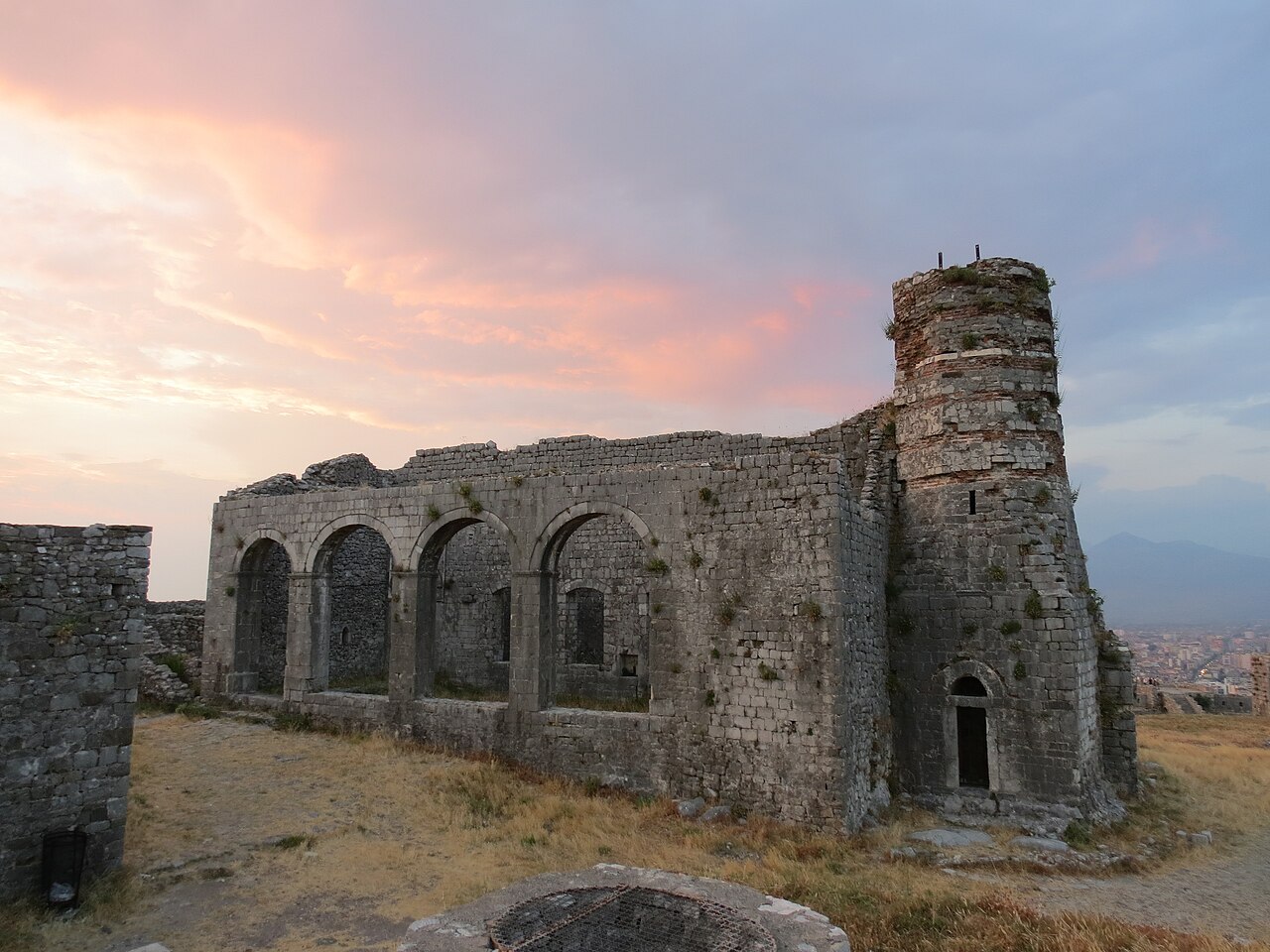
The castle's location on a steep rocky hill provided natural defensive advantages. Its elevated position allowed for extensive views over the surrounding valley and the Drin river, an important waterway for trade and transport. The castle complex included an outer castle area with a chapel, which has been a focal point for restoration efforts.
In 1973, the construction of a dam nearby transformed the castle hill into a near-island, altering the landscape and adding to the site's unique character. This geographical change has affected accessibility but also enhanced the scenic appeal of the castle ruins.
Current condition and visitor experience
Today, Danjë Castle stands as a partially preserved medieval ruin. The remains of the fortress are visible but fragmented, with much of the original structure lost to time and deliberate destruction. The castle chapel in the outer bailey was restored in 2011 after suffering damage during Albania’s communist regime in 1967, reflecting ongoing efforts to preserve the site's cultural heritage.
Access to the castle is free, but visitors should be prepared for a challenging hike. There is no clearly maintained path; the existing trail from the village of Deja is interrupted by construction works, requiring visitors to navigate through natural terrain and local livestock. Despite these difficulties, the castle offers rewarding panoramic views and a tangible connection to Albania’s medieval past.
Architectural and cultural importance
Danjë Castle exemplifies the typical characteristics of high medieval hill castles in the Balkans, combining natural topography with defensive stone structures. Its history reflects the complex political landscape of medieval Albania, marked by noble family rivalries, shifting allegiances, and external influences from Venice and the Ottoman Empire.
The castle’s chapel restoration underscores the site's religious and cultural significance, serving as a reminder of the region's ecclesiastical heritage. Although largely in ruins, Danjë Castle remains an important landmark for understanding medieval fortifications and settlement patterns in northern Albania.
Frequently asked questions (FAQ)
- How do I get to Danjë Castle?
- Danjë Castle is located in Deja, Albania, approximately 40 kilometers from Tirana. You can reach the castle by car or take public transportation to nearby towns and then continue by taxi or on foot to the castle grounds.
- What is the historical significance of Danjë Castle?
- Danjë Castle dates back to the 14th century and is a symbol of Albanian resistance against foreign invaders. It played a crucial role during the Ottoman Empire, serving as a stronghold for local leaders and a site of several significant battles.
- When was Danjë Castle built?
- Construction of Danjë Castle began in the 14th century, and it was strategically positioned to oversee the surrounding region. The castle has undergone various renovations and restorations over the centuries, preserving its historical architecture.
- Can I visit Danjë Castle year-round?
- Yes, Danjë Castle is open to visitors year-round, although it is advisable to check local conditions and accessibility, especially during winter months. The best time to visit is during spring and early autumn when the weather is pleasant for exploring the grounds.
- Why is the architecture of Danjë Castle unique?
- The architecture of Danjë Castle reflects a blend of medieval Albanian and Byzantine styles, characterized by its stone walls and strategic layout. Its design not only served defensive purposes but also showcased the artistic influences of the time.
- Is it possible to access the castle with a wheelchair?
- While efforts have been made to improve accessibility at Danjë Castle, the rugged terrain and ancient architecture may present challenges for wheelchair users. It's recommended to contact local tour operators for advice on accessible routes or guided tours.
- What are the ticket prices for visiting Danjë Castle?
- Admission to Danjë Castle is typically very affordable, with tickets costing around 200 Albanian Lek for adults and discounts available for students and seniors. Always check on-site for current pricing and any special events that may affect entry fees.
- What are the opening hours for Danjë Castle?
- Danjë Castle is generally open from 9 AM to 5 PM, with extended hours during the summer months. It's best to verify the current opening hours before your visit, as they may vary depending on the season or special events.
- Are there any nearby attractions to explore after visiting Danjë Castle?
- Yes, after visiting Danjë Castle, you can explore nearby attractions such as the historic town of Berat, famous for its well-preserved Ottoman architecture. Additionally, the natural beauty of the surrounding countryside offers opportunities for hiking and photography.
Information
Loading map...
Visitor reviews
No reviews yet. Been here? Write the first review and help other travelers!
Write the first reviewVisited this castle? Share your experience
Your review helps other travelers and adds first-hand knowledge to our encyclopedia.