Royal Fortress of the Concepcion
The Royal Fortress of the Concepcion, known in Spanish as Real Fuerte de la Concepción, is an exemplary 18th-century bastioned fortress located near the village of Aldea del Obispo in the province of Salamanca, within the autonomous community of Castile and León, western Spain. This fortress is a prominent example of Vaubanesque military architecture, a style developed by the famous French military engineer Sébastien Le Prestre de Vauban, characterized by its star-shaped layout designed to optimize defensive capabilities against artillery attacks.
Strategic location and historical context
Constructed in the post-renaissance period during the 18th century, the fortress was strategically positioned approximately 0.6 miles west of Aldea del Obispo, close to the Spain-Portugal border, which lies just 0.4 miles to the west. This proximity to the border made the fortress a critical military installation for controlling and defending the frontier between the two countries. Its role was to monitor and deter incursions, especially given the frequent conflicts between Spain and Portugal during this era.
Directly opposite the Royal Fortress of the Concepcion, about 5.5 miles away, is the Portuguese castle fortress of Almeida, another bastioned fortification that played a complementary role in the defense and control of the border region. The two fortresses represent a classic example of 18th-century border fortifications designed to withstand the evolving nature of warfare involving gunpowder artillery.
Architectural design and features
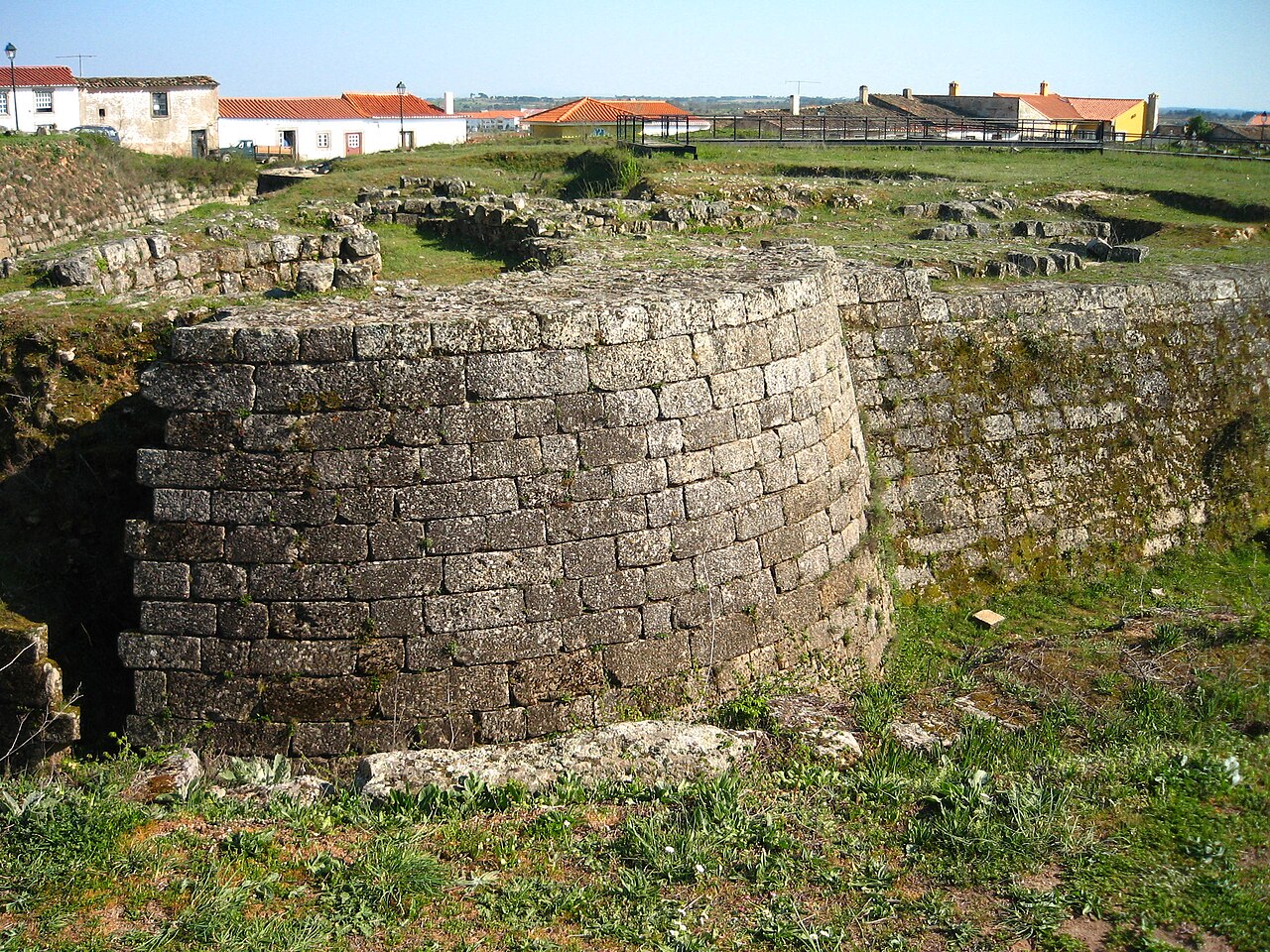
The fortress exemplifies the Vaubanesque star fortress design, featuring a star-shaped plan with multiple bastions projecting outward to provide overlapping fields of fire. This design minimized blind spots and allowed defenders to cover all approaches with cannon and musket fire. The walls are thick and angled to deflect cannonballs, and the fortress includes ravelins and hornworks—outworks designed to absorb enemy attacks before they reached the main walls.
The fortress's layout includes a central courtyard surrounded by barracks, magazines, and command buildings, all enclosed within the defensive walls. The moats and glacis surrounding the fortress further enhanced its defensive capabilities by impeding enemy advances and providing clear lines of sight for defenders.
Construction materials and techniques
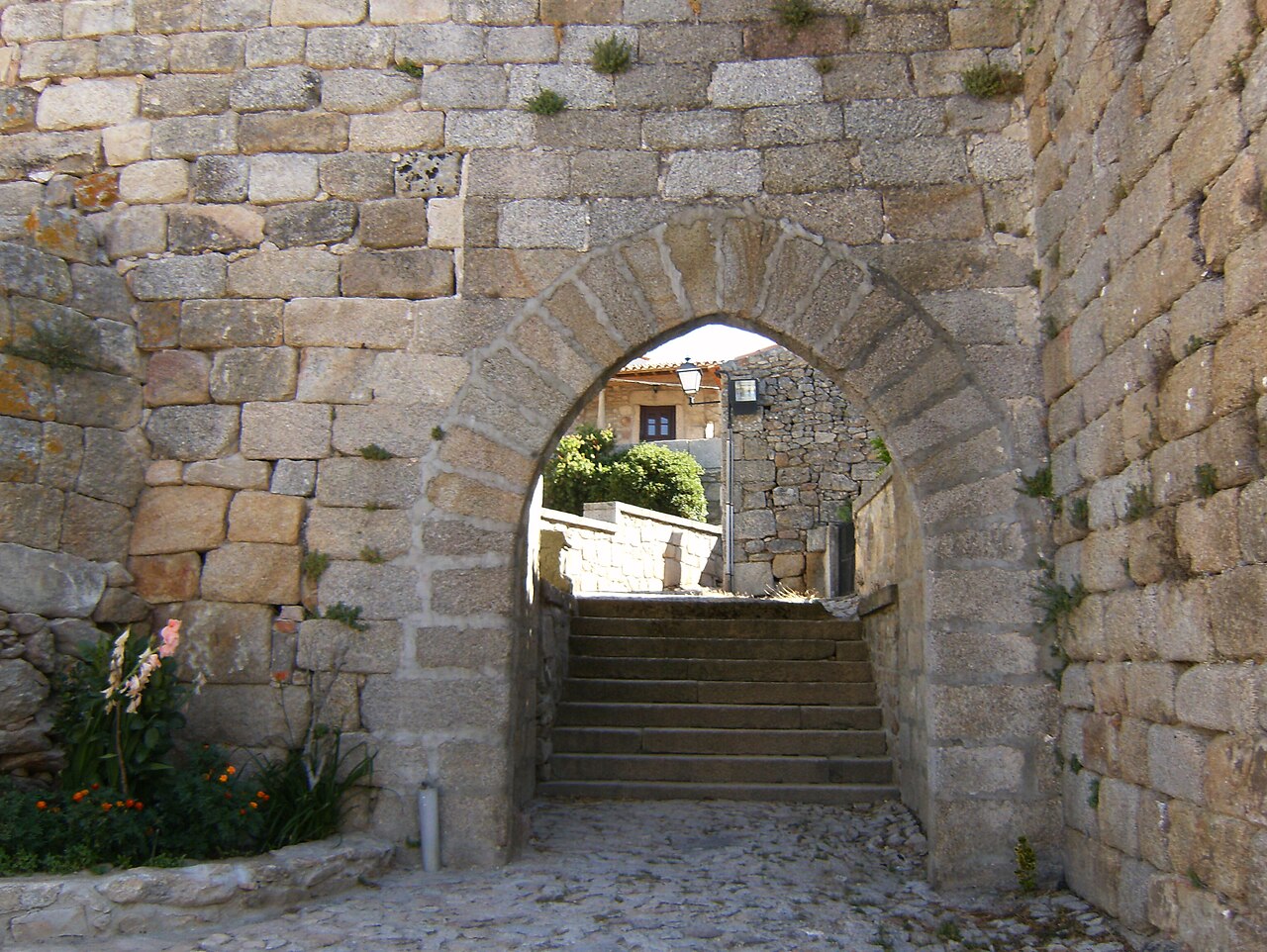
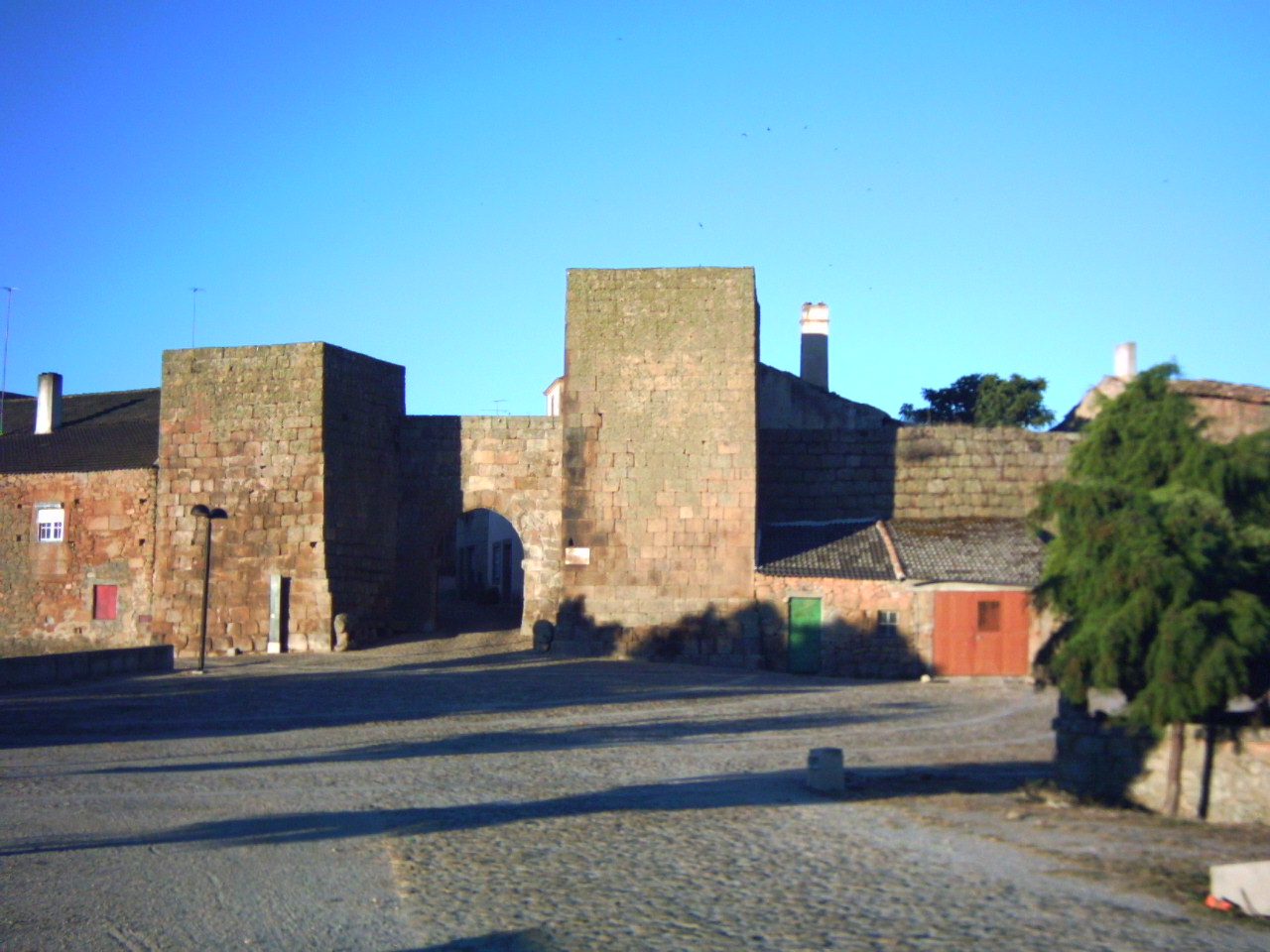
Built primarily from local stone and brick, the fortress's construction reflects the engineering standards of the 18th century, with an emphasis on durability and resistance to artillery bombardment. The walls were constructed with a combination of masonry and earthworks, the latter absorbing the impact of cannon fire more effectively than solid stone alone.
Historical significance and later use
The Royal Fortress of the Concepcion played a significant role in the border conflicts between Spain and Portugal, particularly during the War of the Spanish Succession and the subsequent 18th-century skirmishes. Its presence helped stabilize the frontier and deterred invasions.
By the 19th and 20th centuries, advances in military technology rendered such fortresses less strategically vital. The fortress fell into disuse and gradually became derelict. In 2006, the site was sold to private interests and underwent extensive renovation and restoration. By 2012, the fortress had been transformed into a luxury hotel, preserving much of its historic architecture while repurposing it for modern use.
Visitor experience and current condition
Today, the Royal Fortress of the Concepcion stands as a well-preserved bastioned fortress that offers visitors a unique opportunity to explore 18th-century military architecture in a scenic border region of Spain. The conversion into a luxury hotel has ensured that the fortress's structural integrity and historical features are maintained, allowing guests to experience the grandeur of Vaubanesque fortifications firsthand.
The site includes access to the fortress's bastions, walls, and interior courtyards, providing a comprehensive view of its defensive design. The hotel's adaptation respects the fortress's heritage, blending historical preservation with contemporary amenities.
Architectural legacy
The Royal Fortress of the Concepcion remains an important example of Vauban-style fortifications on the Iberian Peninsula. Its star-shaped design influenced military architecture throughout Europe and is studied for its innovative approach to defense during the post-renaissance period.
The fortress's survival and adaptive reuse demonstrate the value of preserving military heritage sites, offering insights into 18th-century warfare, engineering, and cross-border relations between Spain and Portugal.
Frequently asked questions (FAQ)
- What is the historical significance of the Royal Fortress of the Concepcion?
- The fortress was strategically built in the 18th century near the Spain-Portugal border to control and defend the frontier during frequent conflicts between the two nations.
- Can visitors explore the fortress today?
- Yes, the fortress is well preserved and has been converted into a luxury hotel, allowing visitors to experience its historic architecture and defensive features.
- What architectural style characterizes the fortress?
- The fortress exemplifies the Vaubanesque star fortress design, featuring bastions, ravelins, and angled walls optimized for artillery defense.
- Where is the fortress located?
- It is located near the village of Aldea del Obispo in Salamanca province, Castile and León, western Spain, close to the border with Portugal.
- When was the fortress converted into a hotel?
- The fortress was renovated and converted into a luxury hotel that opened in 2012 after being sold privately in 2006.
Information
Current owner
Private owner
Loading map...
Visitor reviews
No reviews yet. Been here? Write the first review and help other travelers!
Write the first reviewVisited this castle? Share your experience
Your review helps other travelers and adds first-hand knowledge to our encyclopedia.