Rohtasgarh Fort
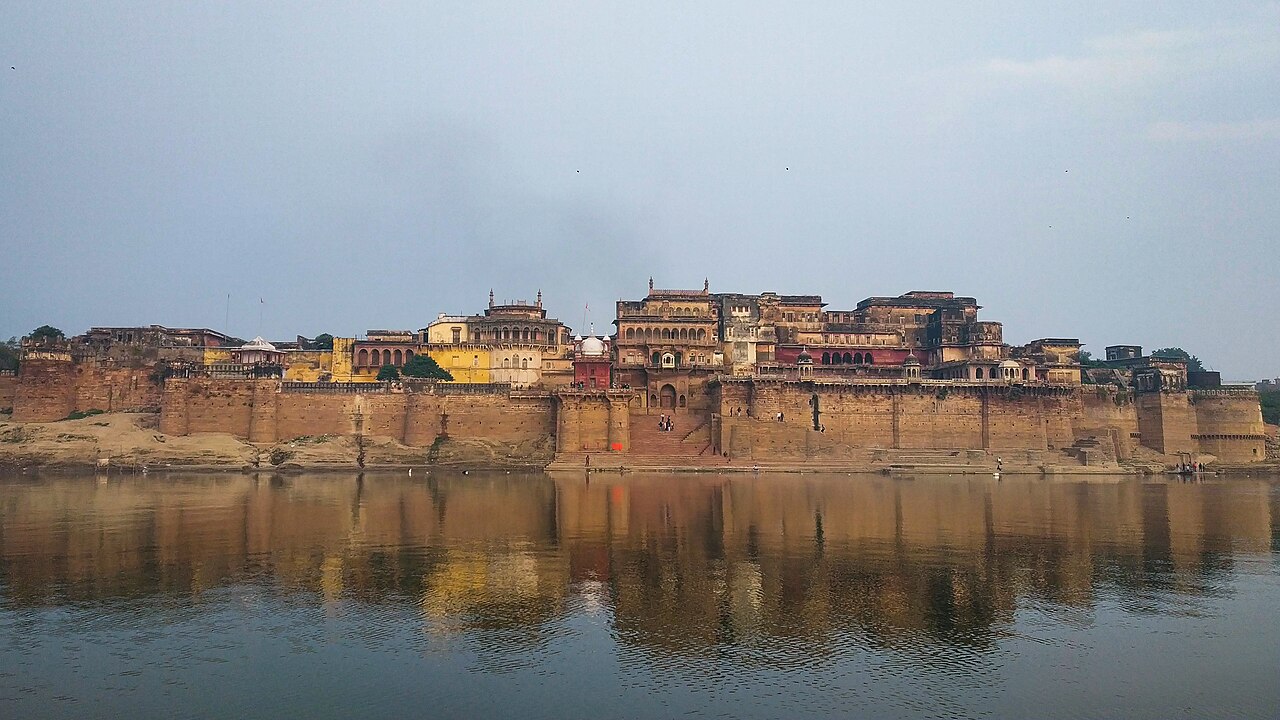
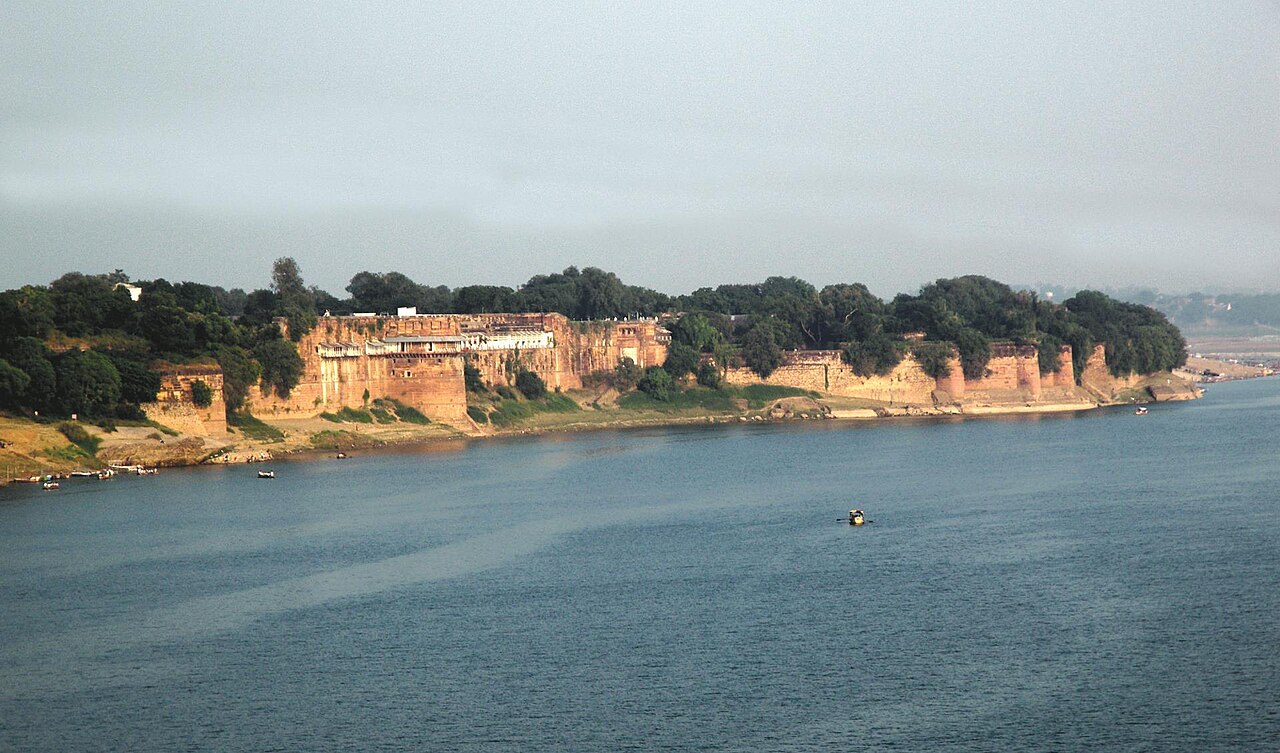
Rohtasgarh Fort, also known simply as Rohtas Fort, is a monumental bastioned fortress situated in the Son River valley near the town of Rohtas in Bihar, India. This imposing fortification is renowned for its massive defensive walls and strategic location atop a hill, commanding views over the surrounding landscape. The fort's construction reflects the military architectural advancements of its time, designed to withstand sieges and control the vital routes through the region.
Historical background and strategic importance
The origins of Rohtasgarh Fort trace back to the early medieval period, with significant expansions during the 16th century. It was commissioned by the Afghan ruler Sher Shah Suri around 1540 AD, who recognized the fort's strategic value in controlling the trade and military routes between northern and eastern India. The fort played a crucial role in regional power struggles and served as a stronghold for various rulers over the centuries.
Located on a steep hill, the fort's position was chosen for its natural defensive advantages, making it difficult for invading armies to mount successful attacks. The fort's proximity to the Son River valley further enhanced its strategic importance, providing access to water and controlling riverine trade routes.
Architectural features and fortifications
Rohtasgarh Fort exemplifies the characteristics of a bastioned fortress, featuring massive stone walls reinforced with bastions that allowed defenders to cover all approaches with artillery and archery fire. The fortress walls extend over several kilometers, enclosing a complex of gates, ramparts, and internal structures.
Defensive walls and bastions
The thick stone walls of the fort are punctuated by numerous bastions, which are rounded or polygonal projections designed to provide overlapping fields of fire. These bastions allowed defenders to repel attackers attempting to scale the walls or breach the gates. The walls rise steeply from the rocky hill, enhancing the fort's natural defenses.
Gates and entryways
The fort contains several large gates, each heavily fortified and often featuring complex entry passages designed to slow down and expose attackers. These gates are embellished with traditional Indian architectural motifs and inscriptions, reflecting the cultural influences of the period.
Internal structures and facilities
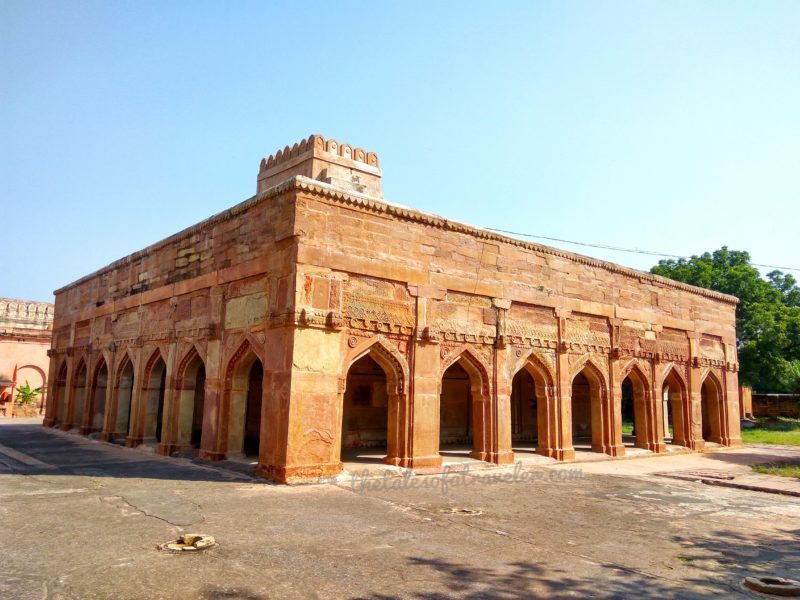
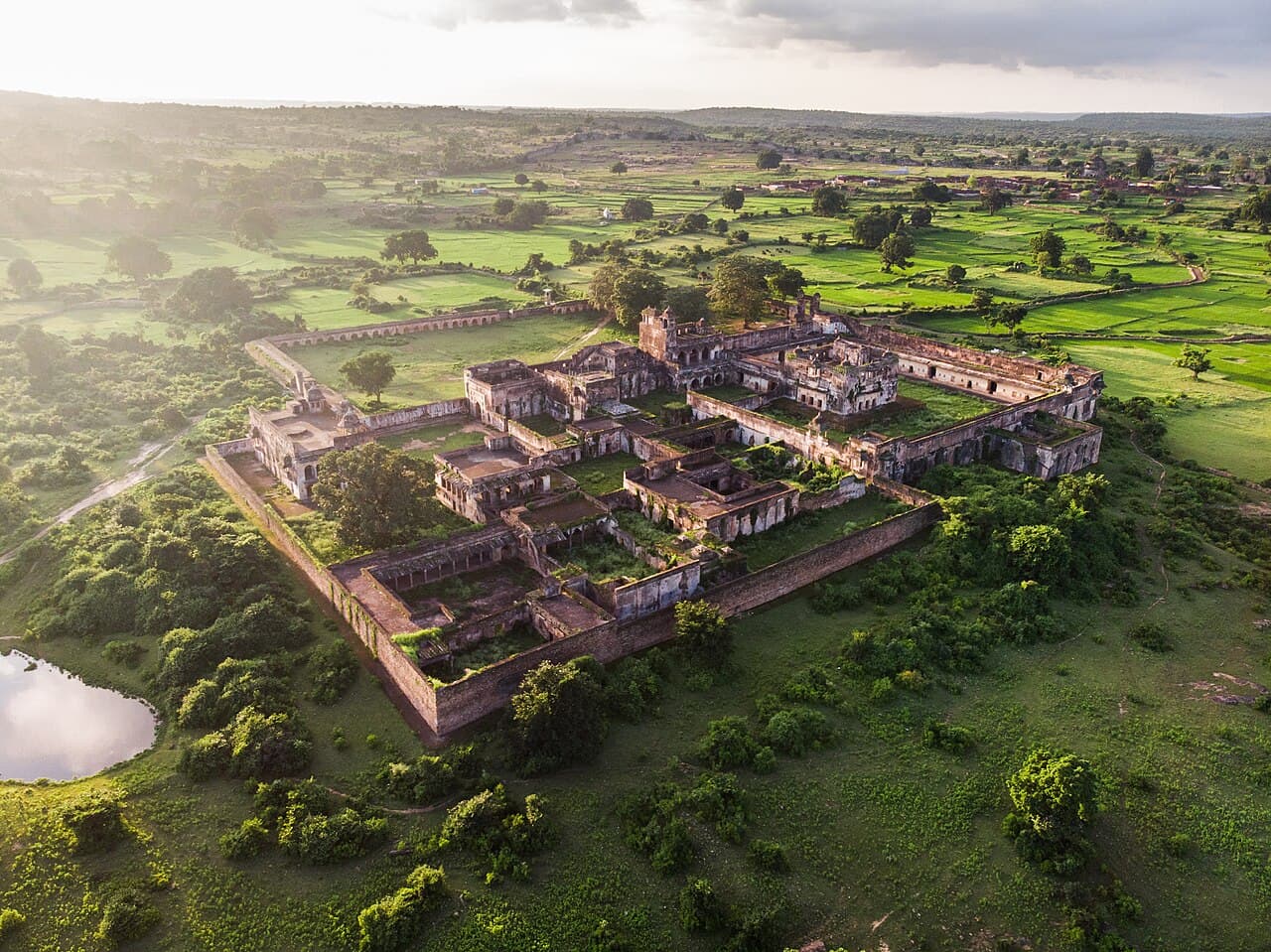
Within the walls, the fort housed various structures including palatial buildings, barracks, granaries, and water reservoirs. The presence of large water tanks ensured a reliable water supply during sieges. The fort also contains remnants of temples and mosques, indicating its use by diverse communities over time.
Rohtasgarh fort in cultural and historical context
The fort is associated with numerous legends and historical events. It is said to be linked to the ancient king Rohitashva, from whom the fort derives its name. Over centuries, the fort witnessed battles, sieges, and changes of control between various dynasties including the Sur Empire, the Mughals, and local chieftains.
Today, Rohtasgarh Fort stands as a testament to the military ingenuity of its builders and the turbulent history of the region. It is a protected monument under the Archaeological Survey of India, attracting historians, archaeologists, and tourists interested in India's medieval heritage.
Current condition and visitor information
The fort is currently in a partially preserved state, with many sections of the walls and bastions intact, while some internal buildings lie in ruins. Efforts have been made to maintain the site, but the rugged terrain and age have contributed to natural wear.
Visitors to Rohtasgarh Fort can explore its extensive ramparts, gates, and remnants of internal structures. The site offers panoramic views of the Son River valley and surrounding hills, making it a popular destination for history enthusiasts and trekkers.
Access to the fort involves a hike up the hill, and visitors are advised to wear suitable footwear and carry water. The best time to visit is during the cooler months from October to March. Local guides are available to provide historical insights and enhance the visitor experience.
Frequently asked questions (FAQ)
- How do I get to Rohtasgarh Fort?
- Rohtasgarh Fort is located near the town of Rohtas in Bihar, India. Visitors can reach the fort by road from nearby cities such as Sasaram or Patna, followed by a hike up the hill to the fortress entrance.
- When was Rohtasgarh Fort built?
- The fort was significantly expanded during the 16th century under the Afghan ruler Sher Shah Suri, although its origins date back to earlier medieval times.
- What architectural style is Rohtasgarh Fort?
- Rohtasgarh Fort is primarily a bastioned fortress, featuring massive stone walls and bastions designed for defense rather than ornamental style.
- Is Rohtasgarh Fort accessible for visitors?
- Yes, the fort is open to visitors, but reaching the site requires a steep hike. Appropriate footwear and physical fitness are recommended.
- What can I see inside Rohtasgarh Fort?
- Visitors can explore the extensive ramparts, fortified gates, water tanks, and remnants of palatial buildings and temples within the fort complex.
Photo gallery

Information
Loading map...
Visitor reviews
No reviews yet. Been here? Write the first review and help other travelers!
Write the first reviewVisited this castle? Share your experience
Your review helps other travelers and adds first-hand knowledge to our encyclopedia.