Ramnagar Fort
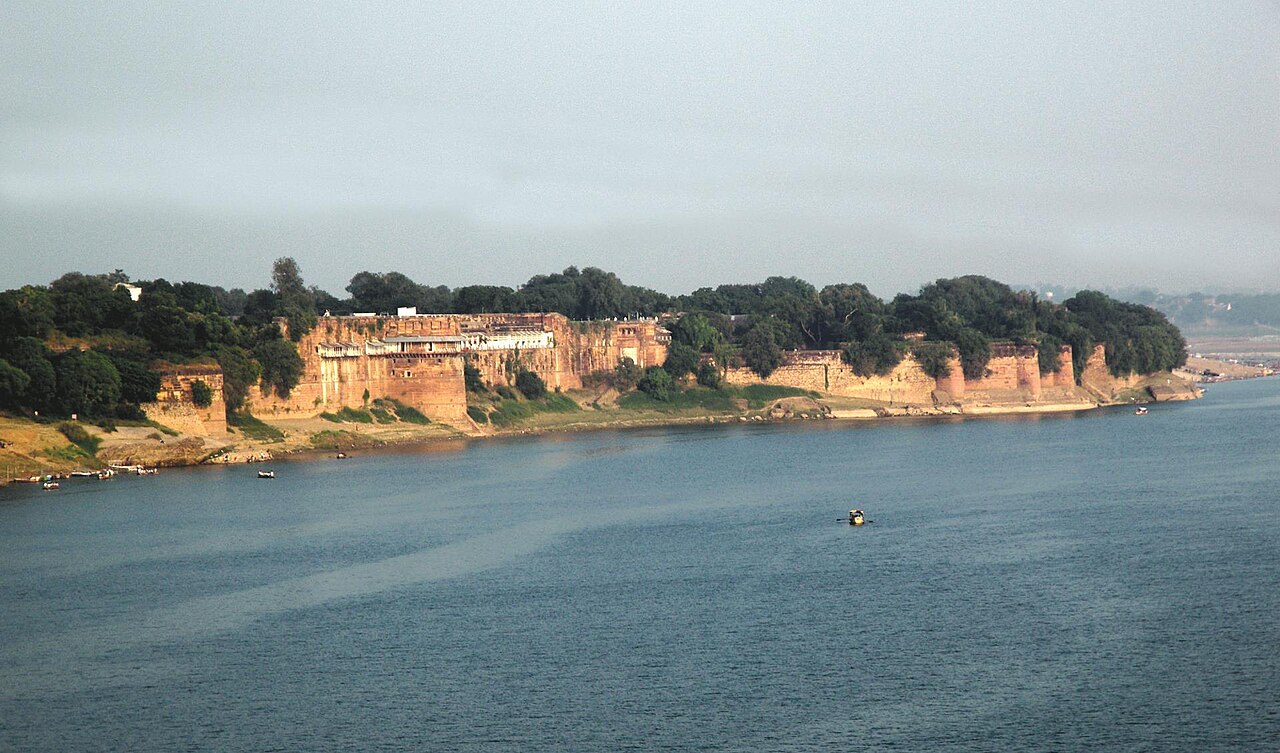
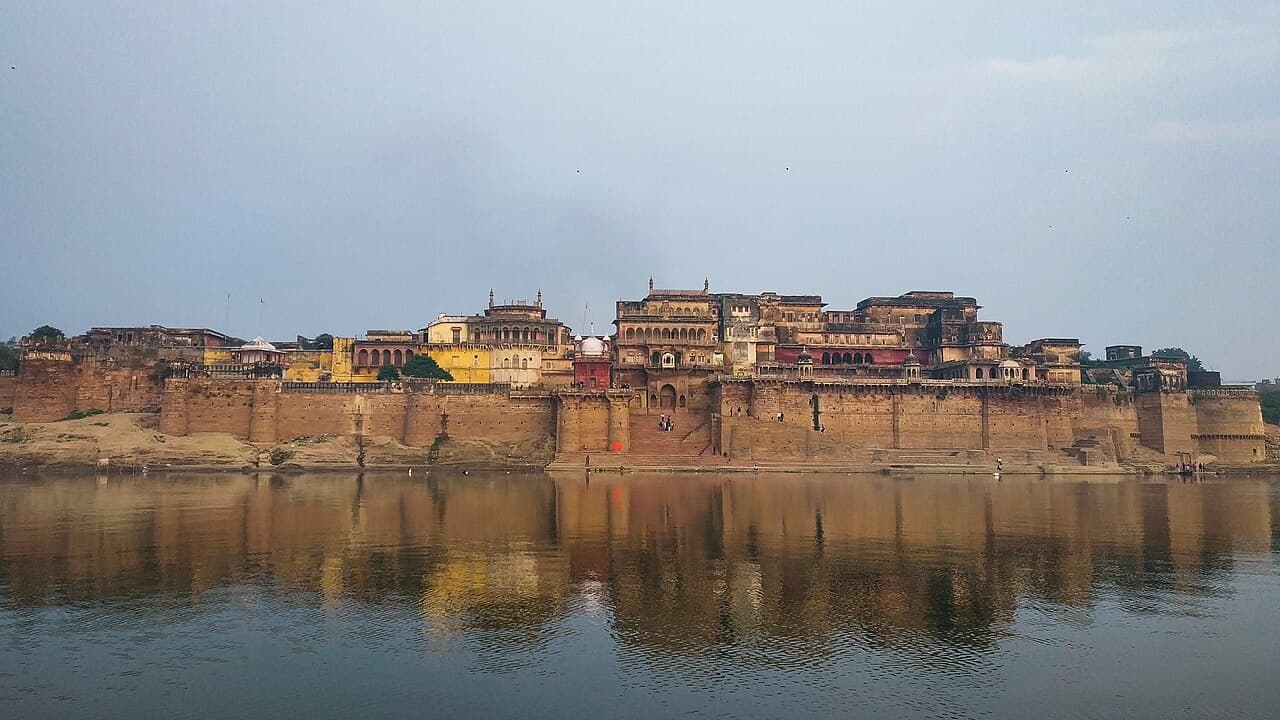
Ramnagar Fort is a prominent bastioned fortress situated in Ramnagar, Varanasi, on the eastern bank of the Ganges River, directly opposite the historic Tulsi Ghat. Constructed in 1750 during the post-Renaissance period, this imposing sandstone structure was commissioned by Kashi Naresh Maharaja Balwant Singh, the ruler of the Kingdom of Benares. The fort exemplifies the military architecture of its time, combining defensive features with royal residential elements.
Architectural features and layout
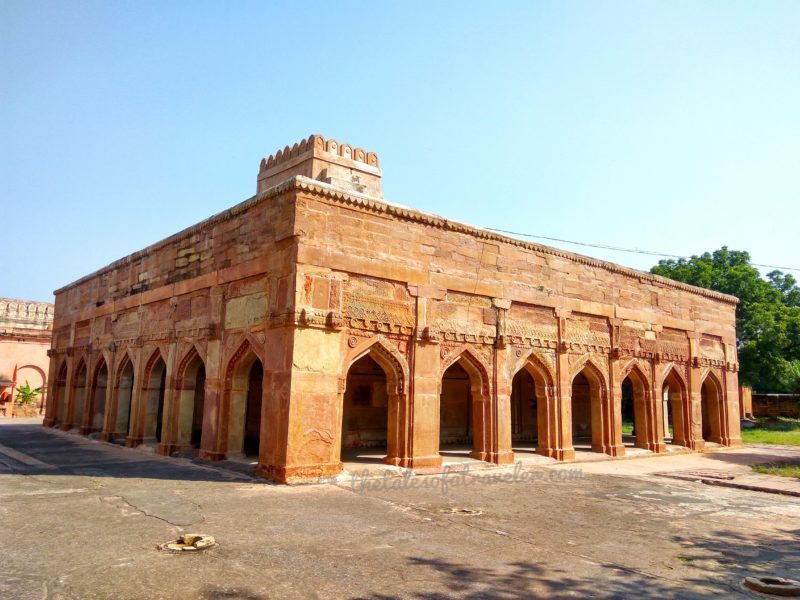
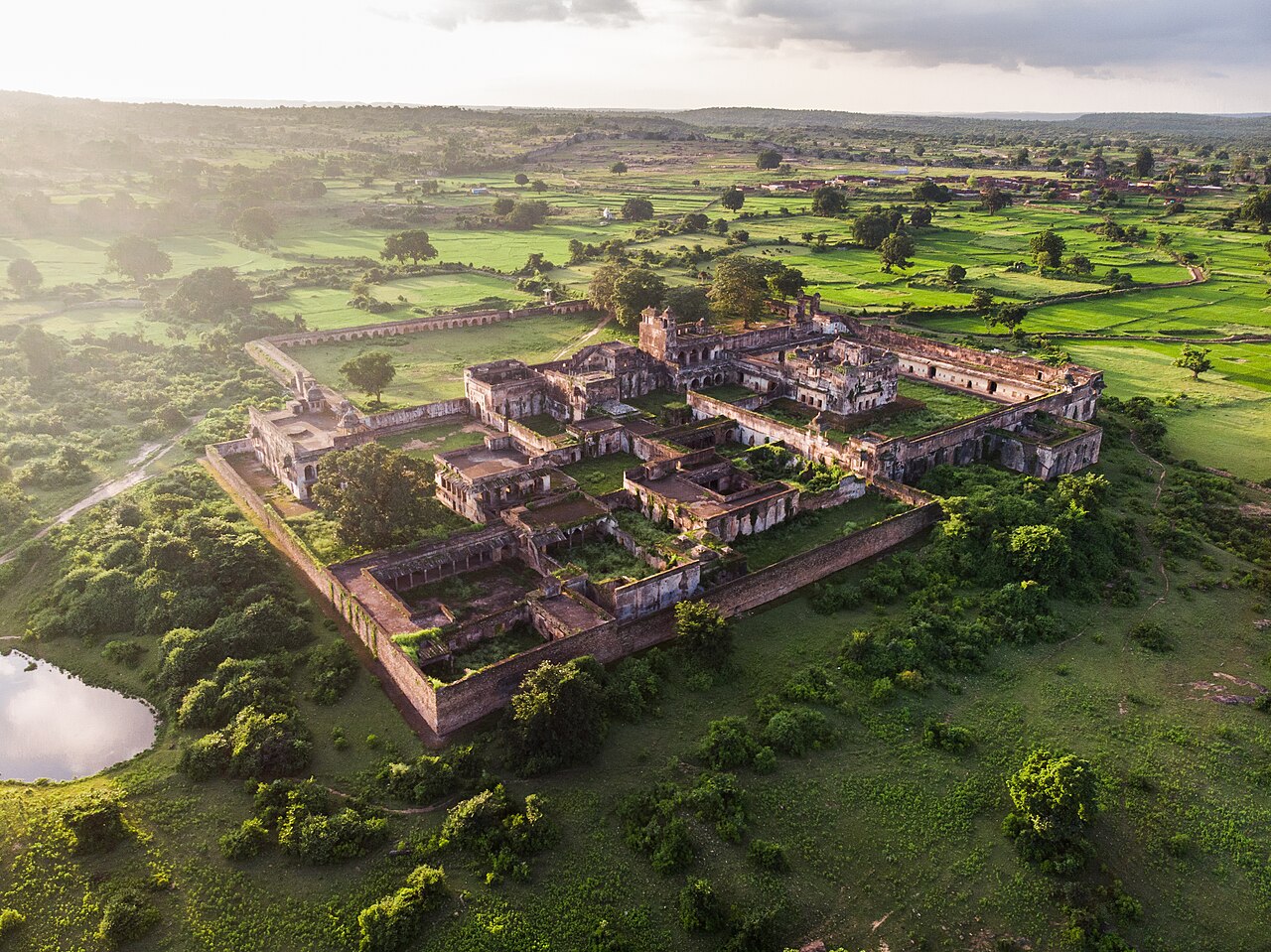
The fort is designed as a bastioned fortress, characterized by its robust high walls and angular bastions that provide strategic vantage points for defense. The extensive use of red sandstone gives the fort a distinctive appearance, blending with the natural landscape along the riverbank. The complex includes multiple courtyards, palatial halls, and temples, reflecting its dual role as both a military stronghold and a royal residence.
One of the notable architectural elements is the main entrance gate, which features intricate carvings and a fortified design. Inside, visitors can find the armory and granaries that were essential for sustaining the fort during sieges. The layout is both functional and ceremonial, with spaces designated for administrative purposes and royal gatherings.
Historical context and significance
Maharaja Balwant Singh built Ramnagar Fort as a seat of power for the rulers of Benares, a princely state under the Mughal Empire and later under British suzerainty. The fort served as the administrative center and residence for the royal family. Its location on the Ganges was strategic for controlling river trade and asserting dominance in the region.
Throughout its history, the fort has witnessed various political changes, including the decline of Mughal power and the rise of British colonial rule. Despite the abolition of royal titles in 1971, the fort remains the residence of the current titular king, Anant Narayan Singh, who is still referred to as the Maharaja of Benares in cultural contexts.
Artistic and cultural elements
The fort houses several temples dedicated to Hindu deities, reflecting the religious devotion of the royal family. These temples are adorned with sculptures and decorative motifs typical of 18th-century Indian craftsmanship. The interiors of the palace sections feature intricate woodwork and mirror work, showcasing the artistic heritage of the region.
Ramnagar Fort is also known for its museum, which contains an impressive collection of antique weapons, manuscripts, and rare artifacts related to the history of Benares and its rulers. This cultural repository attracts scholars and tourists interested in the heritage of northern India.
Current status and visitor information
Today, Ramnagar Fort is well preserved and remains a significant tourist attraction in Varanasi. Visitors can explore the fort's extensive grounds, including the palatial rooms, temples, and the museum. Its location along the Ganges offers picturesque views and a unique perspective on the city's spiritual and historical landscape.
The fort is accessible to the public, with guided tours available to provide insights into its architectural and historical importance. It is open throughout the year, with the best time to visit being during the cooler months from October to March.
Frequently asked questions (FAQ)
- What is the historical significance of Ramnagar Fort?
- Ramnagar Fort, built in the 18th century, is a remarkable example of Mughal architecture and holds great historical importance as the ancestral home of the Maharaja of Banaras. The fort is notable for its unique blend of Hindu and Islamic architectural styles, reflecting the rich cultural heritage of Varanasi.
- When was Ramnagar Fort constructed?
- Ramnagar Fort was constructed in 1750 by Maharaja Balwant Singh, who was the Kashi Naresh (King of Varanasi). The fort has been an important landmark in Varanasi ever since, serving both as a royal residence and a defense structure.
- Can I visit Ramnagar Fort?
- Yes, Ramnagar Fort is open to visitors, allowing them to explore its impressive architecture and learn about its history. However, it is advisable to check the current visiting regulations and timings before your visit.
- What are the opening hours for Ramnagar Fort?
- The fort is generally open to visitors from 10 AM to 6 PM, but these hours may vary on holidays or during special events. It is recommended to plan your visit accordingly to ensure you have ample time to explore the site.
- Is it possible to take guided tours at Ramnagar Fort?
- Yes, guided tours are available at Ramnagar Fort, providing visitors with in-depth information about its history and architecture. These tours can enhance your experience by offering insights that may not be immediately apparent during a self-guided visit.
- What are the ticket prices for visiting Ramnagar Fort?
- The entry fee for Ramnagar Fort is quite affordable, with nominal charges for both Indian citizens and foreign tourists. It is best to check the latest ticket prices on the official tourism website or at the entrance as they may change over time.
- When is the best time to visit Ramnagar Fort?
- The best time to visit Ramnagar Fort is during the winter months, from October to March, when the weather is pleasant and ideal for sightseeing. Visiting during this time allows you to fully enjoy the fort's beauty without the discomfort of extreme heat.
- Are there nearby attractions to explore after visiting Ramnagar Fort?
- Yes, after visiting Ramnagar Fort, you can explore nearby attractions such as the Kashi Vishwanath Temple and the banks of the Ganges River. The vibrant culture and numerous ghats in Varanasi provide a rich experience for those looking to delve deeper into the local heritage.
- How do I get to Ramnagar Fort from Varanasi city center?
- Ramnagar Fort is situated approximately 14 kilometers from Varanasi city center and can be reached by taxi, auto-rickshaw, or local bus services. The journey offers scenic views of the countryside, making it an enjoyable trip to the fort.
Photo gallery

Information
Loading map...
Visitor reviews
No reviews yet. Been here? Write the first review and help other travelers!
Write the first reviewVisited this castle? Share your experience
Your review helps other travelers and adds first-hand knowledge to our encyclopedia.