Chunar Fort
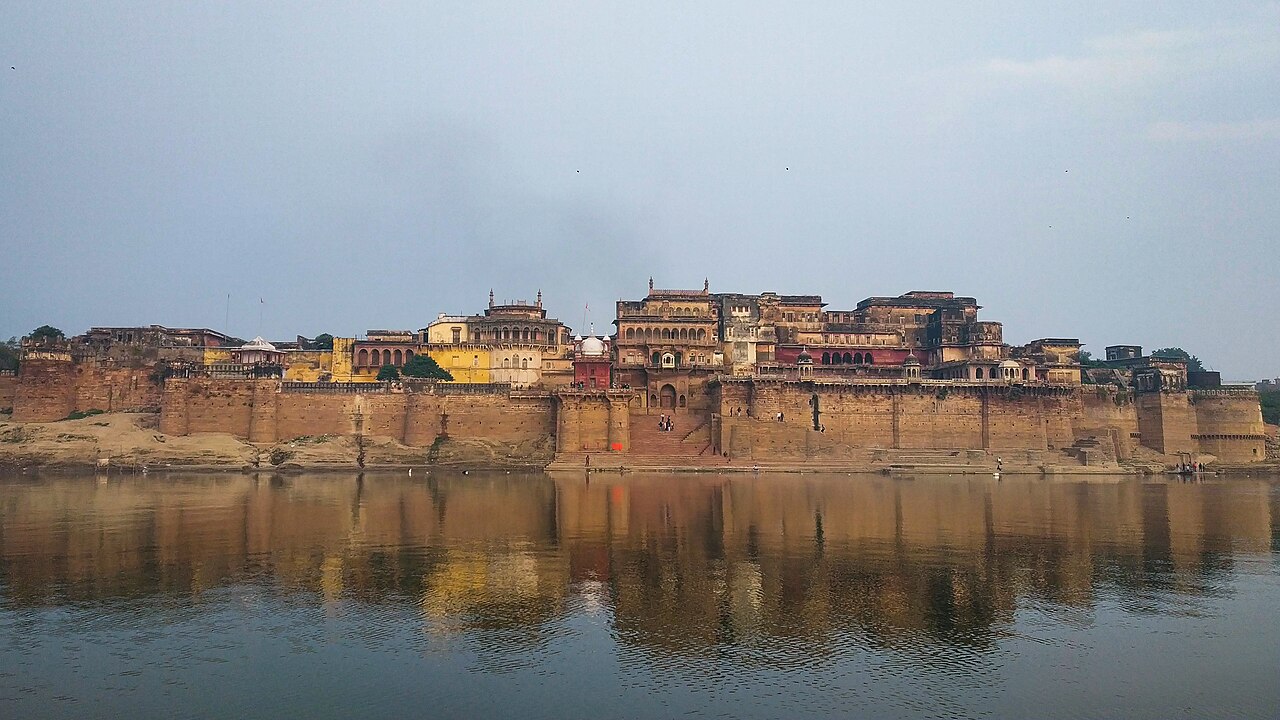
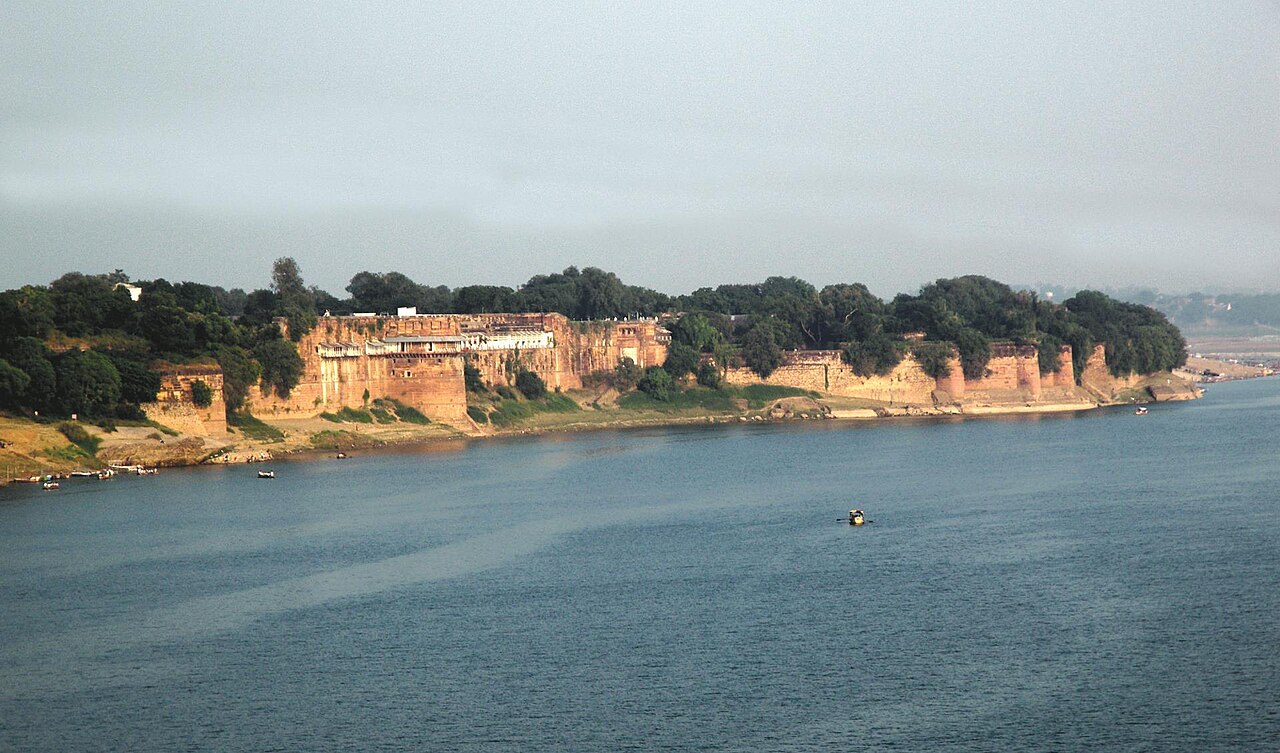
Chunar Fort, also known historically as Chandrakanta Chunargarh and Charanadri, is a significant bastioned fortress located in the Mirzapur district of Uttar Pradesh, India. Positioned strategically on the rocky bank of the Ganges River, the fort occupies an important place in the military and cultural history of northern India. Its location 34 kilometres northeast of Mirzapur city provided a natural defensive advantage as well as control over riverine trade routes.
The origins of Chunar Fort date back to approximately 56 BC, making it one of the oldest forts in the region. Over centuries, it witnessed control by various powerful rulers and empires, reflecting the shifting political landscape of India. The fort's architecture and fortifications evolved through these periods, adapting to advancements in military technology and changing defense needs.
Historical significance and control through ages
The fort was initially constructed during ancient times, with some accounts suggesting its foundation during the era of the Mauryan Empire or shortly thereafter. It gained prominence due to its strategic position near the Ganges, a vital artery for commerce and military movements.
During the medieval period, Chunar Fort came under the control of several notable rulers. It was seized by Sher Shah Suri in the 16th century, who recognized its strategic importance in consolidating his empire. Later, the Mughal Empire incorporated the fort into its extensive network of defensive structures, enhancing its bastions and walls to withstand artillery attacks.
In the 18th century, the fort was controlled by the Nawabs of Awadh, who maintained it as a military stronghold. Eventually, it came under the control of the East India Company during British colonial rule. The fort served various military and administrative functions under British governance until Indian independence in 1947, when control reverted to the newly sovereign nation.
Architectural features and fortifications
Chunar Fort is characterized by its bastioned walls, which are typical of forts designed to resist cannon fire and siege warfare. The fort's walls are constructed from large blocks of sandstone and granite, materials locally sourced and chosen for their durability.
The fort complex includes multiple bastions projecting outward from the walls, allowing defenders to cover adjacent walls with crossfire. These bastions are connected by thick curtain walls that form the perimeter of the fort. The design reflects military architectural principles that emerged in the late medieval period, optimized for defense against gunpowder weapons.
Within the fort, there are several gates that controlled access, each fortified and equipped with defensive features such as guard rooms and heavy wooden doors reinforced with iron. The southeastern section of the fort faces the Ganges River, where natural rocky outcrops complement the man-made defenses.
Interior structures and facilities
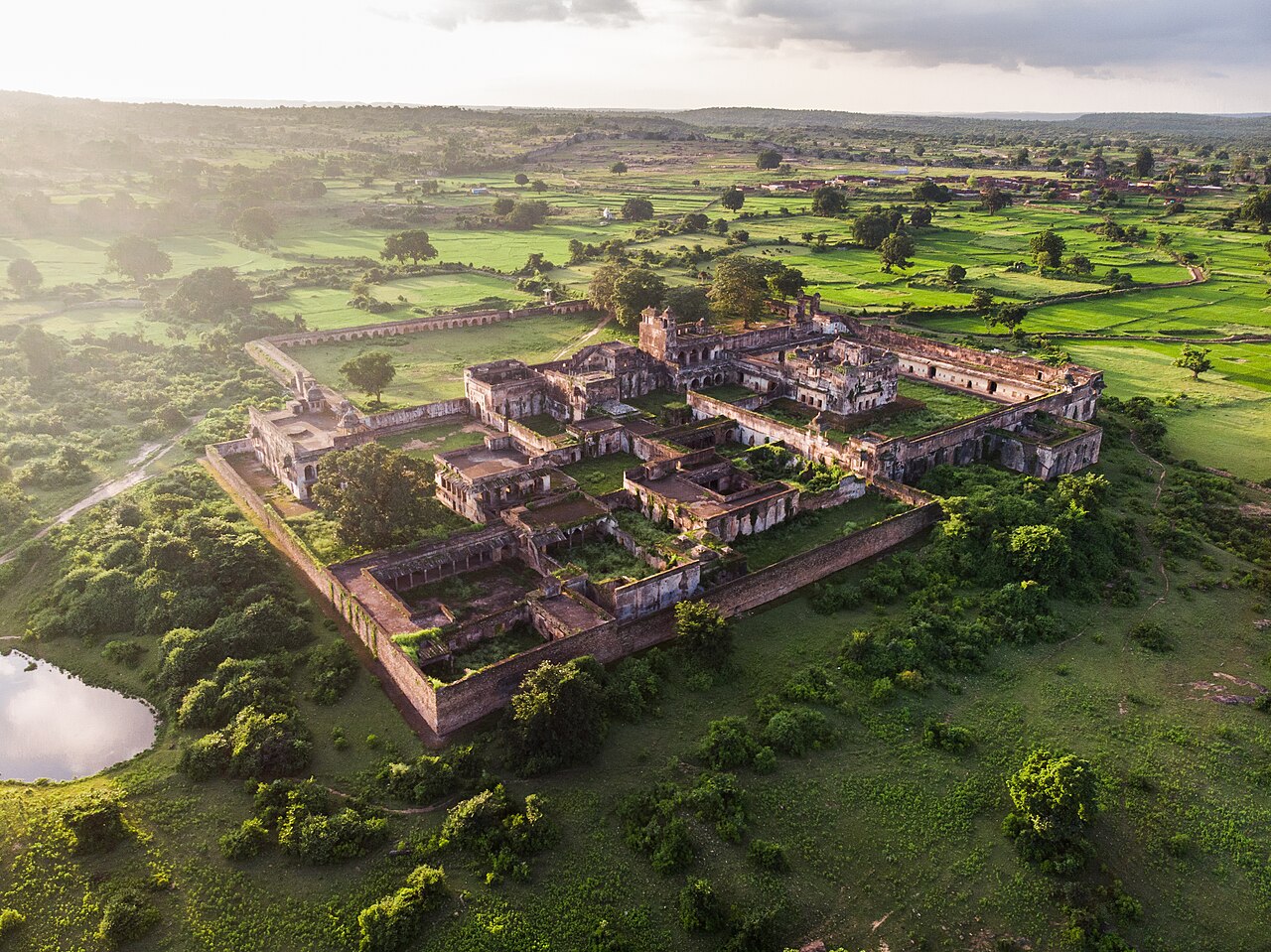
The interior of the fort contains various structures including residential quarters, administrative buildings, and storage facilities. There are remnants of palatial buildings that housed the ruling elite during different periods. The fort also had provisions for water storage and supply, essential for withstanding prolonged sieges.
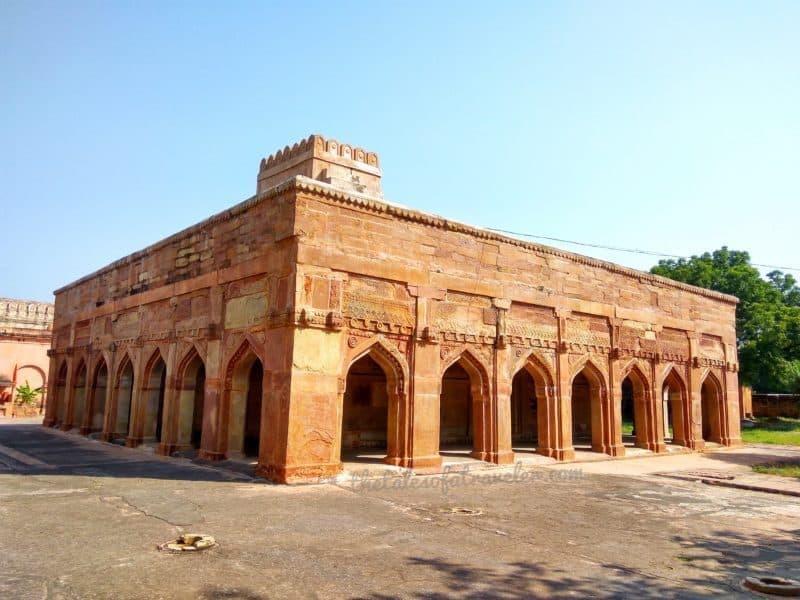
Religious structures such as small temples and mosques exist within the fort complex, indicating the cultural diversity of its rulers and inhabitants. These buildings exhibit architectural styles ranging from ancient Indian to Mughal influences, showcasing the fort's layered history.
Strategic importance and location
The fort's position on the rocky bank of the Ganges River was crucial for controlling river traffic and trade routes. Its elevation and natural defenses made it a formidable obstacle for invading armies. The proximity to Mirzapur and the presence of the Chunar railway station on the Mughalsarai–Kanpur section of the Howrah–Delhi main line further emphasize its continued strategic relevance into the modern era.
Current condition and accessibility
Today, Chunar Fort is partially preserved, with many sections of its walls and bastions still standing. Some areas have suffered from neglect and natural wear, but ongoing efforts aim to maintain and restore the fort to preserve its historical legacy.
The fort is accessible to visitors interested in exploring its architecture and history. Its location near Mirzapur makes it a feasible day trip for tourists. The surrounding landscape along the Ganges adds to the site's scenic and historical appeal.
Faqs about chunar fort
- When was Chunar Fort built? The fort's origins trace back to approximately 56 BC, making it an ancient stronghold with over two millennia of history.
- Who controlled Chunar Fort historically? It was held by rulers including Sher Shah Suri, the Mughal Empire, the Nawab of Awadh, and the British East India Company before returning to Indian control in 1947.
- What architectural style is Chunar Fort? The fort exhibits features of bastioned fortress architecture, with influences from medieval Indian and Mughal military construction.
- Is Chunar Fort open to visitors? Yes, the fort is accessible to the public, allowing exploration of its bastions, walls, and interior ruins.
- Where is Chunar Fort located? It is located in Mirzapur district, Uttar Pradesh, India, on the rocky bank of the Ganges River.
Frequently asked questions (FAQ)
- How do I get to Chunar Fort?
- Chunar Fort is located in Mirzapur, India, and is easily accessible by road. The nearest railway station is in Mirzapur, approximately 19 kilometers away, with regular taxi and auto-rickshaw services available to the fort.
- What is the historical significance of Chunar Fort?
- Chunar Fort has a rich history dating back to the 16th century and has been a strategic military stronghold for various rulers, including the Mughals and the British. Its location overlooking the Ganges River made it an important site for defense and trade.
- When was Chunar Fort built?
- Chunar Fort was originally constructed in the 16th century by the Mughal Emperor Akbar as part of his campaign to strengthen his hold over the region. The fort has undergone several renovations and expansions over the centuries, reflecting various architectural styles.
- Can I explore the fort on my own?
- Yes, visitors can explore Chunar Fort independently, although guided tours are also available for those who wish to learn more about its history and architecture. The fort features several points of interest, including ancient walls, temples, and stunning views of the surrounding landscape.
- Why is Chunar Fort a popular tourist destination?
- Chunar Fort is popular among tourists for its historical significance, stunning architecture, and panoramic views of the Ganges River. It also offers a glimpse into India's rich past and is a great spot for photography and exploration.
- Is it possible to visit Chunar Fort year-round?
- Yes, Chunar Fort is open for visitors throughout the year. However, the best time to visit is between October and March when the weather is cooler and more pleasant for outdoor exploration.
- What are the opening hours for Chunar Fort?
- Chunar Fort is generally open from sunrise to sunset, allowing visitors to enjoy the site during daylight hours. It is advisable to check local timings before your visit, as they may vary seasonally.
- What are the ticket prices for visiting Chunar Fort?
- Entry to Chunar Fort is typically free for Indian citizens, while foreign tourists may be subject to a nominal fee. It's always a good idea to verify current ticket prices before your visit, as they can change.
- Are there any nearby attractions to visit after Chunar Fort?
- Yes, there are several nearby attractions, including the historic town of Mirzapur, the beautiful Vindhya Hills, and the serene banks of the Ganges River. These sites offer additional opportunities for sightseeing and cultural exploration in the region.
Photo gallery

Information
Loading map...
Visitor reviews
No reviews yet. Been here? Write the first review and help other travelers!
Write the first reviewVisited this castle? Share your experience
Your review helps other travelers and adds first-hand knowledge to our encyclopedia.