Rogoi
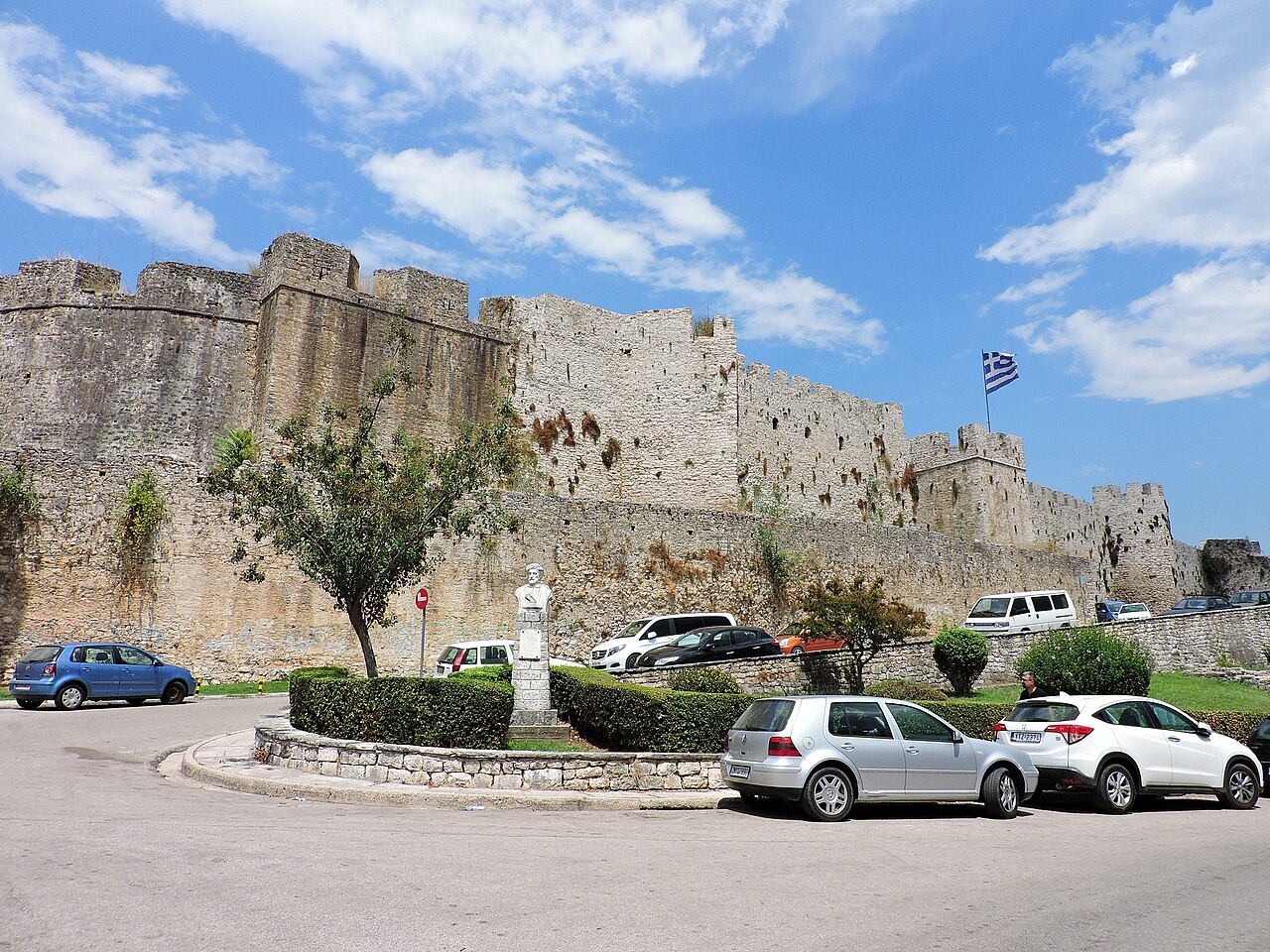
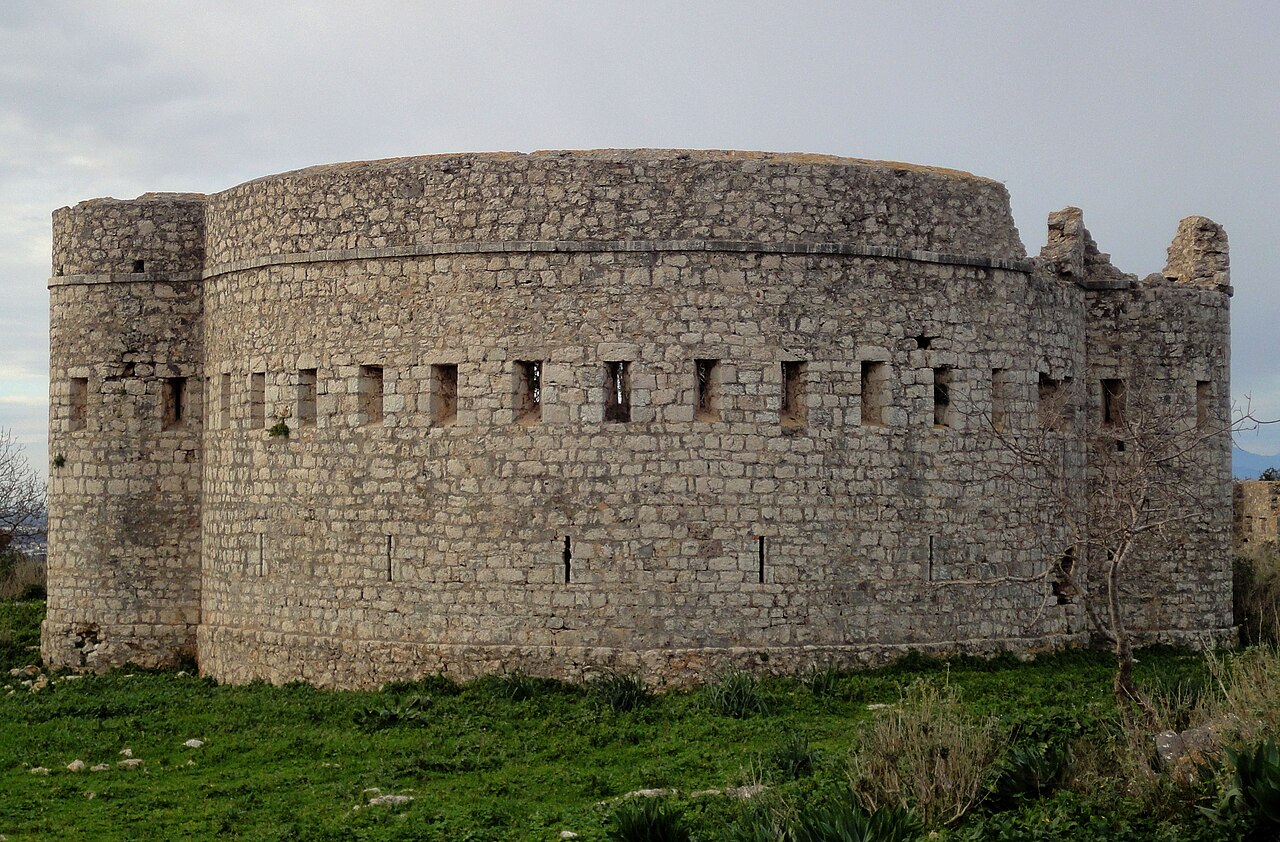
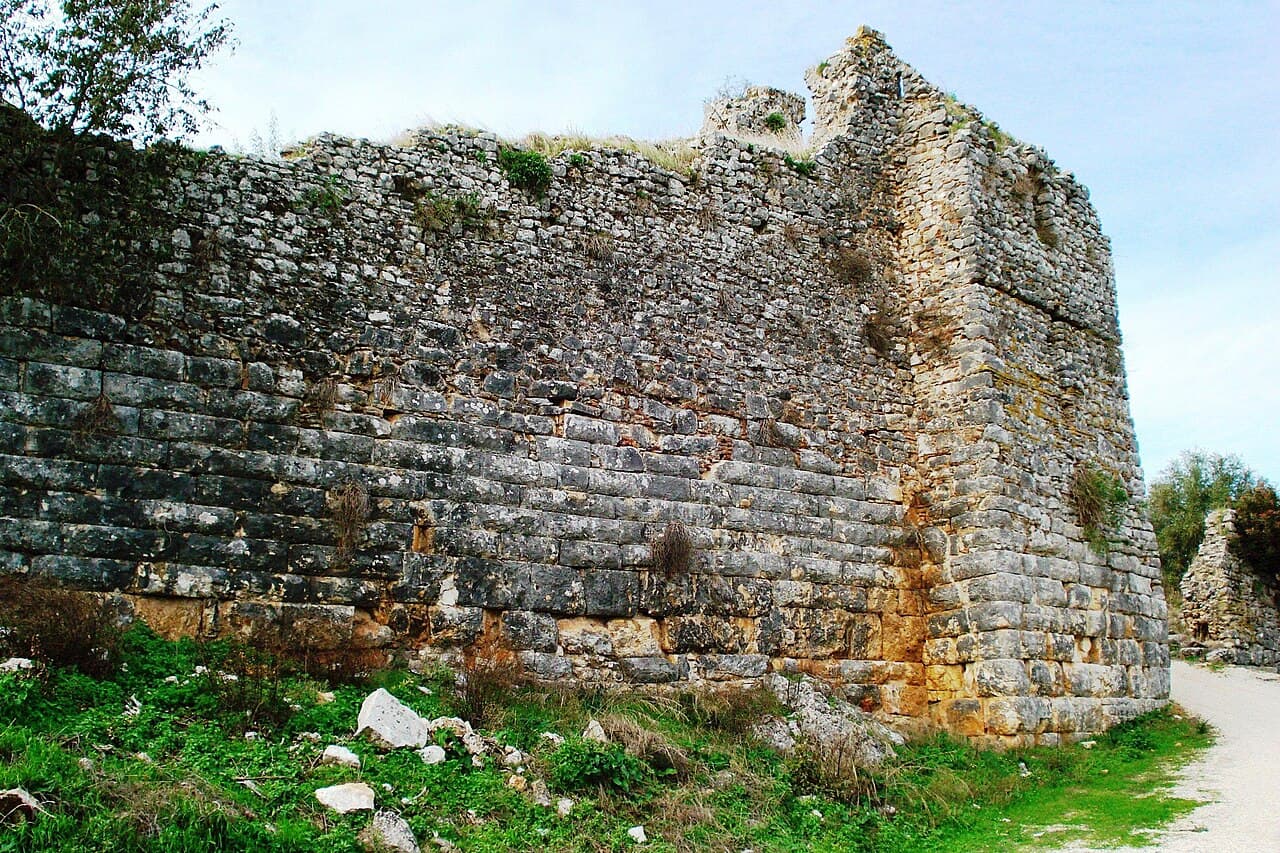
Rogoi is a significant Byzantine castle located near Nea Kerasounta, close to Preveza in western Greece. This fortress occupies the site of the ancient city of Bouchetion (Βουχέτιον), which was abandoned in the late 1st century BC. The location was reoccupied in the 9th century AD during the Byzantine period, when it was transformed into a fortified settlement and a bishopric, reflecting its renewed strategic and religious importance in the region.
Historical background and strategic importance
The original ancient city of Bouchetion was part of the classical Greek world but fell into decline and was deserted by the end of the 1st century BC. The site remained largely unoccupied until the Byzantine Empire recognized its strategic value in controlling the surrounding area near the Ambracian Gulf. During the Middle Byzantine period, specifically in the 9th century, the castle was refortified to serve as a defensive stronghold against invasions and to assert Byzantine authority in western Greece.
By the 14th and early 15th centuries, Rogoi played a vital role in the turbulent political landscape of the region. It was a key defensive bastion during the conflicts involving local powers, the Despotate of Epirus, and the advancing Ottoman Empire. The castle's fortifications were enhanced to withstand siege warfare, reflecting the military architectural developments of the late Byzantine era.
Architectural features and fortifications
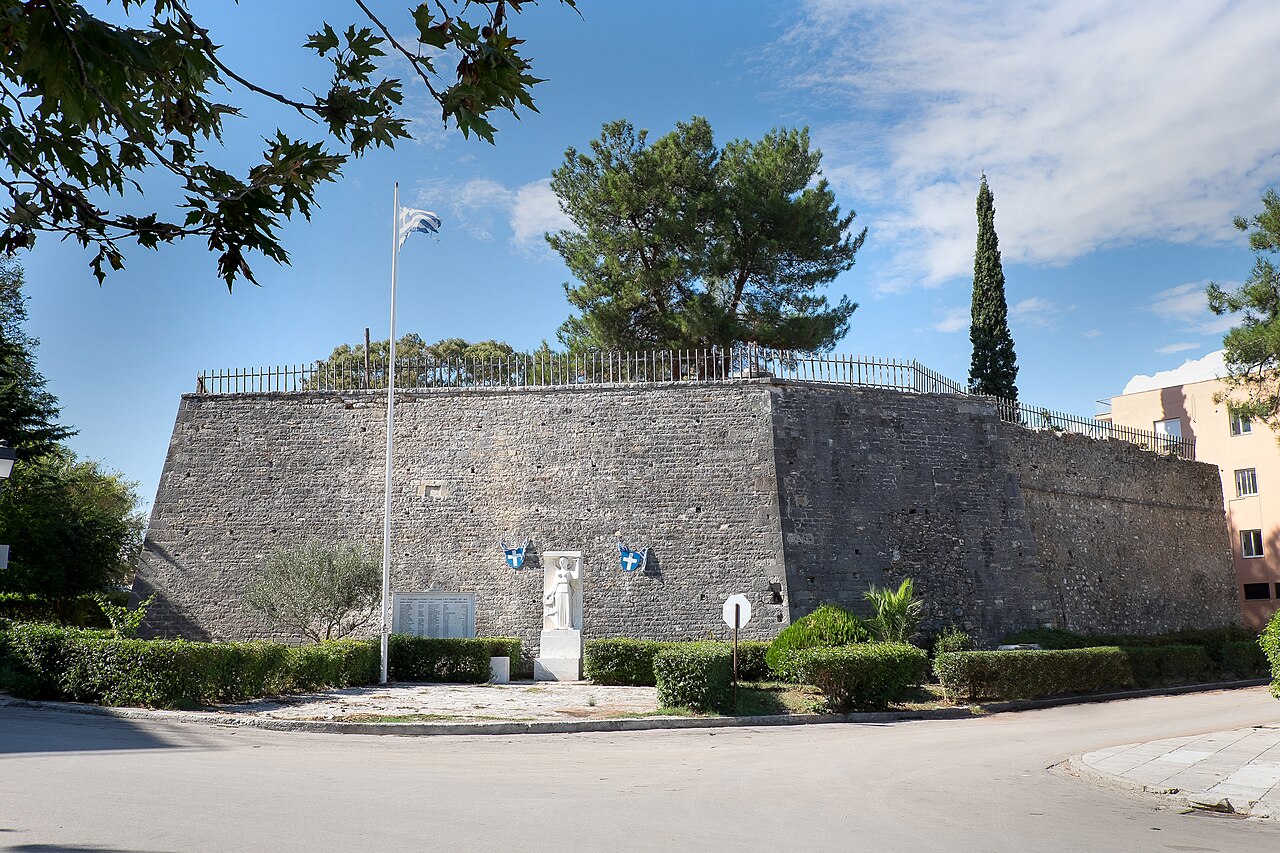
Rogoi is classified as a bastioned fortress, characterized by its robust defensive structures designed to repel attackers and provide overlapping fields of fire. The castle's walls incorporate thick stone masonry with bastions projecting outward to cover vulnerable approaches. These bastions allowed defenders to use artillery and archery effectively, a feature that became increasingly important during the late medieval period.
The fortress includes a central keep and multiple defensive towers positioned strategically along the curtain walls. These towers offered vantage points for surveillance and defense. The castle's layout also features a courtyard and spaces that likely served as barracks, storage, and administrative centers for the garrison and local bishopric.
Religious and administrative functions
In addition to its military role, Rogoi functioned as a bishopric during the Byzantine era, indicating its importance as a religious center. The presence of ecclesiastical buildings within or near the castle grounds suggests that it was a hub for both spiritual and administrative activities. This dual role enhanced the castle's significance in the region's social and political life.
Decline and abandonment
The castle's active use declined after the Ottoman conquest in 1449. Following the fall of the Byzantine-controlled territories in western Greece, Rogoi was abandoned and fell into ruin. Over time, the fortress deteriorated, but its remains still provide valuable insights into Byzantine military architecture and regional history.
Today, Rogoi stands as an important archaeological site that offers a glimpse into the Byzantine period's defensive strategies and the historical continuity from ancient Bouchetion to medieval fortification. Its ruins attract scholars and visitors interested in Byzantine history and the evolution of castle architecture in Greece.
Frequently asked questions (FAQ)
- How do I get to Rogoi Castle?
- Rogoi Castle is located in Nea Kerasounta, Greece, and can be reached by car or public transport from nearby cities. The nearest major city is Corfu Town, which is about 30 kilometers away. Ensure to check local transport schedules for the most convenient travel options.
- What is the historical significance of Rogoi Castle?
- Rogoi Castle dates back to the Byzantine era and has played a crucial role in the defense of the region throughout history. It served as a strategic military stronghold, particularly during the Venetian and Ottoman periods. Today, it stands as a testament to the rich historical tapestry of Greece.
- When was Rogoi Castle built?
- Rogoi Castle was constructed in the 14th century, reflecting the architectural styles of the time. Over the centuries, it has undergone various renovations and restorations, preserving its historical integrity. Its construction was part of a larger defensive strategy against invasions in the Mediterranean.
- Is it possible to explore the castle interiors?
- Yes, visitors can explore certain areas of Rogoi Castle, including its towers and walls. However, some sections may be restricted due to safety concerns or ongoing restoration work. Be sure to follow the guidelines provided by the site staff during your visit.
- Can I take photographs at Rogoi Castle?
- Absolutely! Photography is encouraged at Rogoi Castle, allowing you to capture the stunning views and intricate architectural details. Just be mindful of other visitors and any signs indicating areas where photography may be restricted.
- What are the opening hours for Rogoi Castle?
- Rogoi Castle is typically open to visitors from 9 AM to 5 PM, but hours may vary seasonally. It's advisable to check the official website or local tourist information for any updates on opening times before your visit. Planning ahead will ensure you have ample time to explore.
- What is the best time to visit Rogoi Castle?
- The best time to visit Rogoi Castle is during the spring and fall when the weather is mild and comfortable for exploration. Summer can be quite hot, while winter may bring rain, making outdoor activities less enjoyable. Visiting during the off-peak seasons also means fewer crowds.
- Are there any nearby attractions to visit?
- Yes, there are several nearby attractions, including beautiful beaches and charming villages in the surrounding area. The town of Kassiopi and the historic Achilleion Palace are popular spots to consider visiting. Combining your trip to Rogoi Castle with these attractions makes for a delightful day out.
- What are the ticket prices for Rogoi Castle?
- Ticket prices for Rogoi Castle are generally affordable, with discounts available for students and seniors. Children under a certain age may enter for free. Always check the latest pricing information online or at the entrance to ensure you have the correct amount.
Photo gallery

Photo by Χαράλαμπος Γκούβας (Harrygouvas•Attribution
Information
Loading map...
Visitor reviews
No reviews yet. Been here? Write the first review and help other travelers!
Write the first reviewVisited this castle? Share your experience
Your review helps other travelers and adds first-hand knowledge to our encyclopedia.