Fort of Laskara — Greece castle

Fort of Laskara

Fort of laskara
Modern (19th–20th c.)
Well Preserved

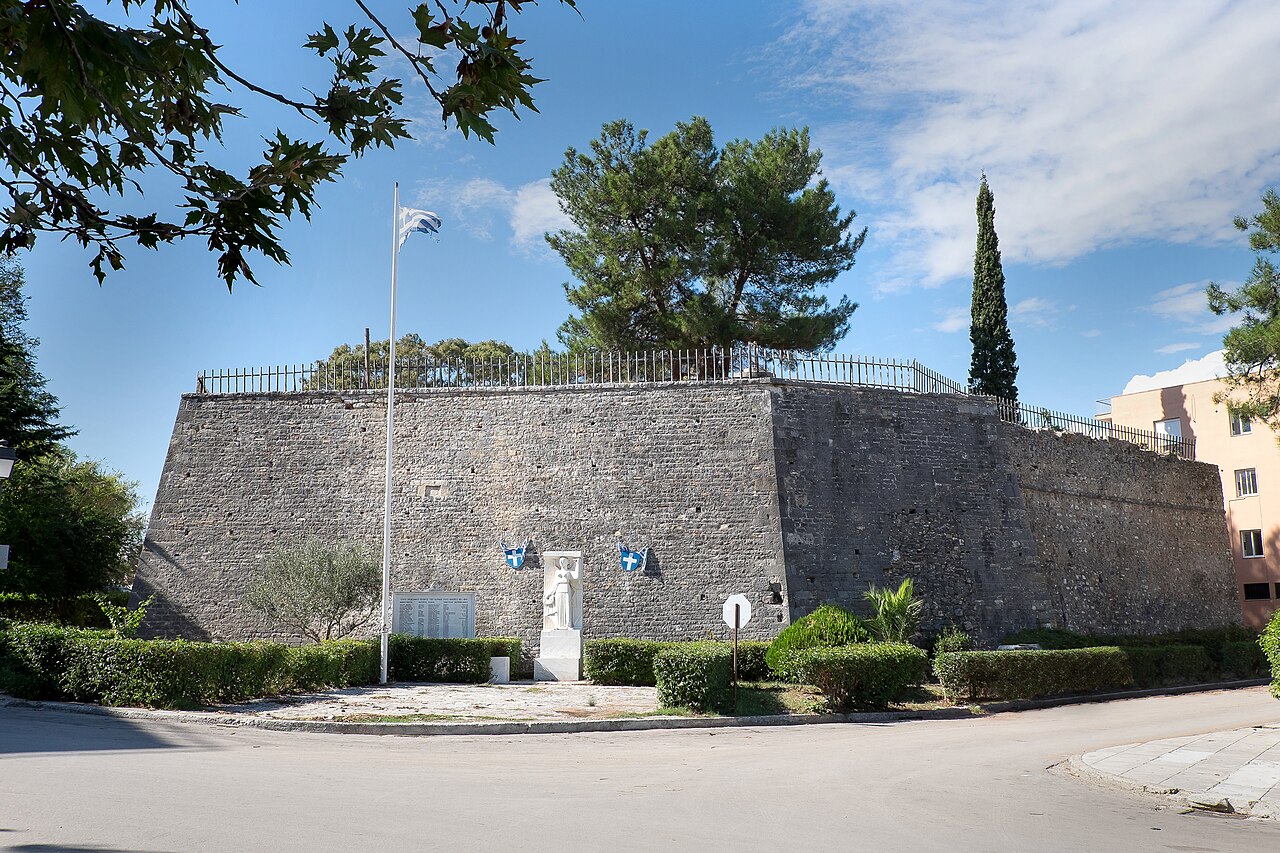
The Fort of Laskara is a significant example of 19th-century bastioned fortress architecture located in Greece. Constructed during the Modern period, this fort reflects the military engineering trends of the era, designed primarily for defense against artillery and infantry assaults. The bastioned design, characterized by angular bastions projecting from the main walls, allowed for overlapping fields of fire and minimized blind spots, which was a key advancement in fortress construction during the 18th and 19th centuries.

Architectural features and design

The fort's layout follows the principles of bastioned fortifications, which were developed to counter the increased effectiveness of cannon fire. Its walls are thick and angled, with bastions placed at strategic points to provide defensive coverage. The bastions served as platforms for artillery, enabling defenders to cover the curtain walls and adjacent bastions effectively.

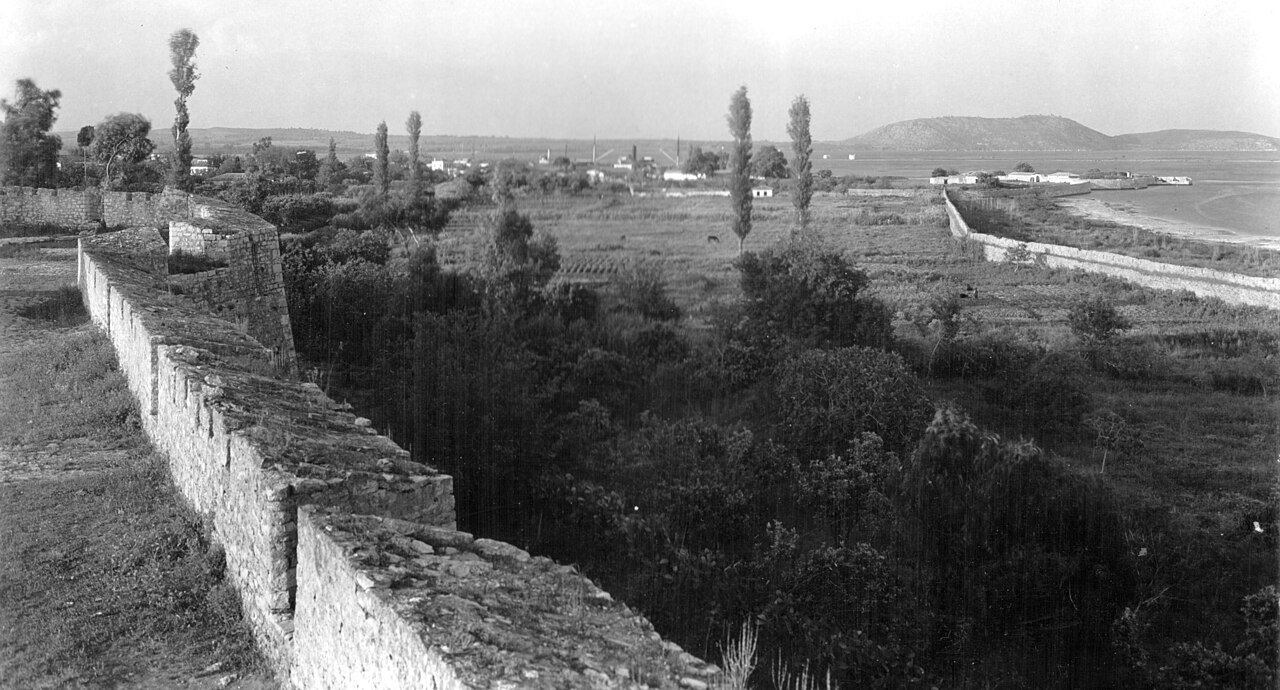
The fort likely includes ravelins and moats, common elements in bastioned fortresses, designed to slow attackers and protect the main walls. The use of earthworks and stone masonry would have been integral to its construction, providing both resilience and the ability to absorb cannon impacts.

Historical context and military significance

Built in the 19th century, the Fort of Laskara was part of Greece's efforts to modernize its military defenses following the country's independence in the early 19th century. The fortification reflects the strategic military thinking of the time, emphasizing strong, permanent defenses to protect key locations from both naval and land-based threats.

While specific historical events involving the fort are not well-documented, its construction aligns with a broader European trend of fortifying borders and important sites during a period of frequent military conflicts and technological advancements in warfare.

Current condition and preservation

The Fort of Laskara is currently categorized as a well-preserved bastioned fortress. Its structural integrity remains largely intact, allowing visitors to appreciate the design and defensive features typical of modern military architecture. Preservation efforts have likely focused on maintaining the bastions, walls, and any remaining defensive works to prevent deterioration.

Visiting information and cultural importance

Although detailed visitor information is scarce, forts like Laskara often serve as cultural heritage sites that provide insight into Greece's military history and architectural evolution. Such sites are valuable for educational purposes and tourism, offering a tangible connection to the historical periods they represent.

Visitors interested in military history, architecture, and Greek heritage would find the Fort of Laskara an informative destination, illustrating the transition from traditional medieval castles to modern fortifications adapted for artillery warfare.

Frequently asked questions (FAQ)

What is the historical significance of the Fort of Laskara?
The Fort of Laskara is an important historical site in Greece, known for its strategic location and role in various military conflicts throughout history. Built during the Byzantine era, it served as a defensive fortress protecting the region from invasions. Its architecture reflects the military ingenuity of the time and offers insights into the historical landscape of Greece.
When was the Fort of Laskara constructed?
The Fort of Laskara was constructed in the 12th century during the Byzantine Empire. Its establishment was part of a larger effort to fortify the region against external threats. Over the centuries, it has witnessed numerous battles and historical events that shaped the area.
Can I visit the Fort of Laskara?
Yes, visitors are welcome to explore the Fort of Laskara and its historical grounds. It provides a unique opportunity to experience Greece's rich history and stunning architecture. Be sure to check the opening hours before your visit to make the most of your experience.
What are the opening hours for the Fort of Laskara?
The Fort of Laskara is typically open to visitors from 9 AM to 5 PM, but it's advisable to check for any seasonal changes or special events that may affect these hours. The site may also close on certain holidays, so planning ahead is recommended. This allows you to enjoy the fort's beautiful surroundings without any interruptions.
Is it possible to access the Fort of Laskara with mobility issues?
The Fort of Laskara has uneven terrain and some steep pathways, which may pose challenges for visitors with mobility issues. However, efforts have been made to improve accessibility where possible. It is recommended to contact the site in advance to inquire about specific accommodations.
What is the best time to visit the Fort of Laskara?
The best time to visit the Fort of Laskara is during the spring and fall months when the weather is mild and pleasant. This allows for a comfortable exploration of the grounds without the summer heat. Additionally, these seasons often see fewer tourists, providing a more relaxed experience.
Are there any nearby attractions to see when visiting the Fort of Laskara?
Yes, there are several attractions near the Fort of Laskara, including local museums and picturesque villages. Visitors can explore nearby historical sites and enjoy the beautiful Greek landscape. It's a great opportunity to immerse yourself in the culture and heritage of the region.
What are the ticket prices for visiting the Fort of Laskara?
Ticket prices for the Fort of Laskara are generally affordable, with discounts available for students and seniors. Children under a certain age may be granted free entry, making it a budget-friendly option for families. Always check the official website or visitor center for the most current pricing information.

Photo gallery

Fort of Laskara
Click to view

Photo by Nikos D. Karabelas•CC BY-SA 3.0

1 photo • Click any image to view in full screen

Information

Bastioned Fortress

Loading map...

Visitor reviews

No reviews yet. Been here? Write the first review and help other travelers!

Write the first review

Visited this castle? Share your experience

Your review helps other travelers and adds first-hand knowledge to our encyclopedia.
Write a review

(5/5)

0/2000 characters

Your review will be visible after admin approval

Nearby castles

5.8 km
Castle of Bouka — Greece castle

Castle of Bouka

Preveza, Greece

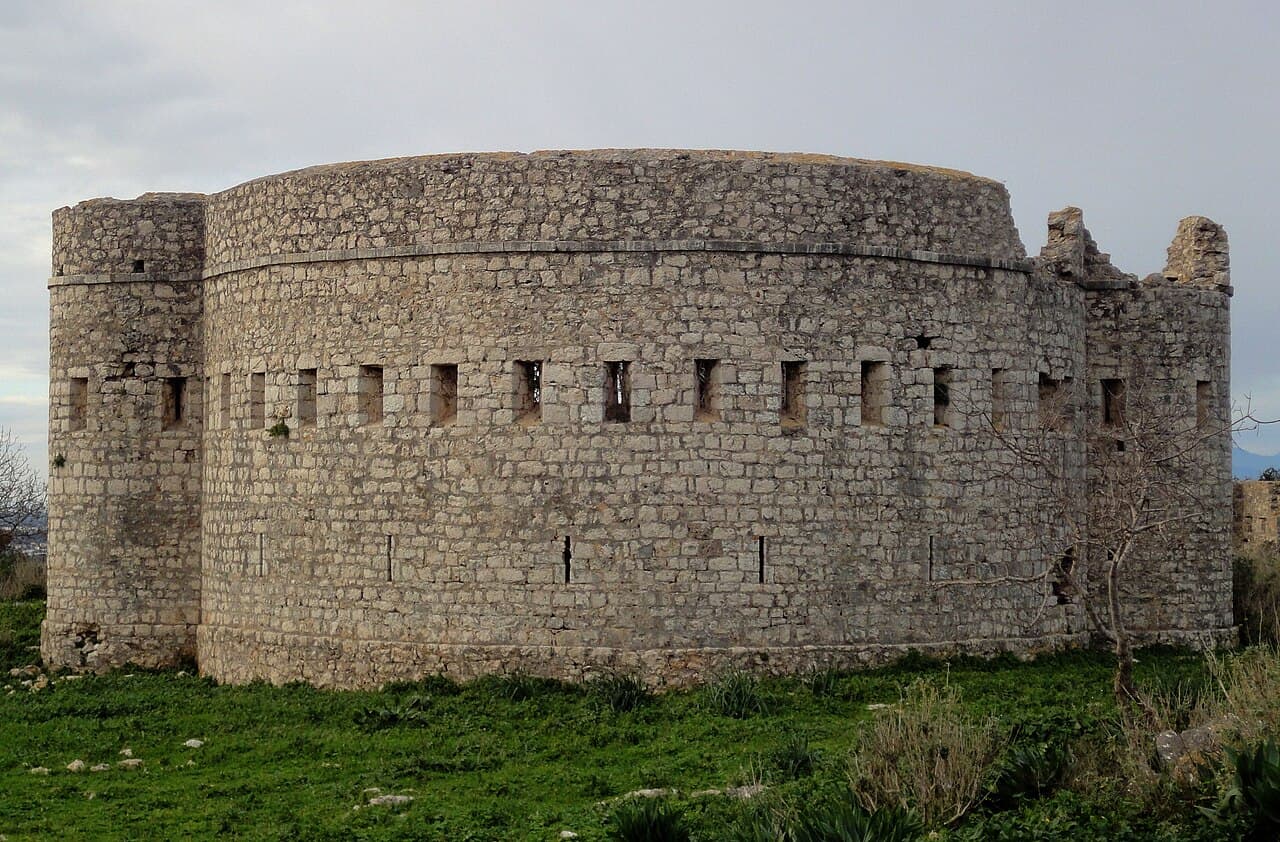
The castle of Bouka (Greek: Κάστρο της Μπούκας, deriving from the Italian word bocca) was a significant 15th-century Ottoman hill castle built in 1478 to control the strategic straits of the Ambracian Gulf near Preveza in northwestern Greece. This fortress represented the first major Ottoman fortification in the area, designed to secure Ottoman naval dominance and protect their interests in the region. The castle's location on a hill provided commanding views over the gulf's entrance, enabling effective surveillance and defense against naval incursions. Strategic importance and historical context Constructed during the late medieval period, the castle of Bouka played a crucial role in the Ottoman Empire's expansion into western Greece. Its primary function was to oversee and control maritime traffic through the narrow straits of the Ambracian Gulf, a vital waterway connecting the Ionian Sea to the interior regions. The site was chosen for its natural defensive advantages and proximity to Preveza, a key port town. Throughout its history, the castle witnessed several military engagements and changes in control. The Venetians captured Bouka in 1684 during the Morean War, recognizing its strategic value. They undertook improvements to the fortifications, adapting it to contemporary military needs. However, the Venetians demolished the castle in 1701 before ceding Preveza back to the Ottomans under the terms of the Treaty of Karlowitz. This demolition was a strategic decision to prevent the fortress from being used against them in future conflicts. Architectural features and modifications The castle's architecture reflected typical late medieval Ottoman military design, adapted to the rugged hilltop terrain. Its walls were constructed to withstand artillery sieges, featuring thick stone ramparts and bastions oriented towards the sea and land approaches. The fort included battlements, towers, and a main gate designed for controlled access and defense. Venetian modifications in the late 17th century introduced elements to enhance artillery defense, including reinforced bastions and improved firing positions. Despite these upgrades, the castle remained vulnerable to the evolving military technologies of the early 18th century, leading to its eventual destruction. Post-demolition use and legacy Following its demolition, the site of the castle of Bouka became known as Paliosaraga (Greek: Παλιοσάραγα, meaning "Old Seraglio"). In the early 19th century, the location gained renewed significance when Ali Pasha of Yannina constructed his summer seraglio on the castle's remains during the 1810s. This seraglio served as a residence and administrative center, linking the site to the region's Ottoman provincial governance. After the Greek Army captured Preveza in 1912 during the Balkan Wars, the site was repurposed for military logistics as an army supply unit was stationed there. Despite its historical importance, only scant remains of the original castle survive today. The site has largely avoided modern construction, preserving its archaeological potential but limiting visible features. Cultural and historical significance The castle of Bouka stands as a testament to the Ottoman military presence in northwestern Greece and the turbulent history of the region during the late medieval and early modern periods. Its strategic location underscores the importance of controlling maritime routes in the Ionian Sea and highlights the military contest between the Ottomans and Venetians. Today, the site offers valuable insights into Ottoman and Venetian fortification techniques and their adaptations to the local geography. Although the physical structure has largely disappeared, the castle's historical footprint remains integral to understanding the geopolitical dynamics of the Ambracian Gulf area.

Late Medieval (14th–15th c.)
Details
6 km
St. Andrew's Castle — Greece castle

St. Andrew's Castle

Preveza, Greece

St. Andrew's Castle (Greek: κάστρο του Αγίου Ανδρέα) is a prominent bastioned fortress located in Preveza, Greece. Its strategic position near the entrance of the Ambracian Gulf has made it a crucial military stronghold throughout its history. The castle's origins date back to the early 18th century, when it was initially constructed by the Ottoman Empire as part of their efforts to control the region and protect the important maritime routes. Construction and architectural evolution The original fortress was built in the early 1700s, designed primarily to serve as a coastal defense. Its architecture reflects the military engineering principles of the post-Renaissance period, particularly the use of bastions—angular structures projecting outward from the curtain walls to provide defensive fire coverage. This style was common in fortifications built during the 17th and 18th centuries, influenced by the developments in artillery and siege warfare. Following the Ottoman construction, the castle underwent significant expansion and modification under Venetian rule from 1718 to 1797. The Venetians enhanced the fortress's defenses, adding more bastions and reinforcing the walls to better withstand attacks. These improvements reflected the Venetian expertise in fortress design, which was advanced for its time and focused on adapting to evolving military technology. In the early 19th century, specifically between 1807 and 1808, the fortress was further expanded by Ali Pasha of Yanina, the autonomous Ottoman ruler of the region. Ali Pasha's modifications made the castle the largest fortification in the Preveza area. His additions likely included strengthening the bastions and possibly adding new defensive features to adapt to the military needs of the period. Architectural features and layout The castle's design is characteristic of bastioned fortresses, featuring multiple angular bastions that allowed defenders to cover all approaches with overlapping fields of fire. The walls are thick and robust, constructed to resist cannon fire. The fortress includes ramparts, curtain walls, and moats or ditches that enhanced its defensive capabilities. Inside the fortress, there were facilities to accommodate the garrison, including barracks, armories, and storage rooms. The layout was planned to support prolonged defense during sieges, with provisions for water and supplies. The castle's position also offered commanding views of the surrounding landscape and the sea, critical for early warning of approaching enemies. Historical significance and military role Throughout its history, St. Andrew's Castle played a vital role in controlling the entrance to the Ambracian Gulf, a key maritime route in western Greece. Its control was contested among various powers due to its strategic importance. The fortress witnessed several military engagements and sieges, particularly during the conflicts between the Ottoman Empire and the Venetian Republic. Its expansions under different rulers reflect the ongoing military and political struggles in the region during the 18th and early 19th centuries. Under Ali Pasha's rule, the castle formed part of a broader network of fortifications that helped him maintain autonomy and power in Epirus. The fortress's size and strength during this period underscored its importance in regional defense and control. Current condition and cultural heritage Today, St. Andrew's Castle remains a significant historical monument in Preveza. It is partially preserved, with many of its bastions and walls still standing, offering visitors a glimpse into its military past. The site is accessible to the public and serves as a cultural attraction, reflecting the layered history of the region. The castle's preservation highlights the architectural and historical heritage of western Greece, showcasing the evolution of military fortifications from the Ottoman period through Venetian and local rule. It stands as a testament to the region's complex history and strategic importance in the Mediterranean. Visiting information and tourism Visitors to St. Andrew's Castle can explore its extensive fortifications and enjoy panoramic views of Preveza and the Ambracian Gulf. The site offers opportunities for photography, historical education, and appreciation of military architecture. While there are no extensive visitor facilities on-site, the castle's location near the city center makes it easily accessible. Tourists often combine a visit to the castle with exploring Preveza's other historical and cultural landmarks.

Post-Renaissance (17th–18th c.)
Details
6.3 km
St. George's Fort — Greece castle

St. George's Fort

Preveza, Greece

St. George's Castle (Greek: Κάστρο Αγίου Γεωργίου, romanized: Kastro Agiou Georgiou; Turkish: Yeni kale, or Hizir kalesi) is a prominent Ottoman bastioned fortress situated in the city of Preveza, in northwestern Greece. Constructed in 1807 during the rule of Ali Pasha of Ioannina (1806-1820), the fortress represents a significant example of early 19th-century military architecture in the region. The fort was designed following plans by the French military engineer Frédéric François Guillaume de Vaudoncourt (1772-1845), who was known for his expertise in fortification design during the Napoleonic era. Historical context and significance The construction of St. George's Fort occurred during a turbulent period in the history of Epirus and the wider Ottoman Empire. Ali Pasha, an ambitious and semi-autonomous Ottoman ruler, sought to strengthen his control over the region by erecting modern fortifications. The fort's location in Preveza, a strategic coastal city near the entrance to the Ambracian Gulf, was chosen to assert military dominance and protect the area from naval threats, especially from European powers expanding their influence in the Mediterranean. The fortress was part of a broader effort by Ali Pasha to modernize his defenses using contemporary European military engineering principles. Its construction reflects the transitional military architecture of the late Ottoman period, incorporating bastioned elements that were influenced by Western European fortification styles, particularly the French school of military engineering. Architectural features and design St. George's Fort is classified as a bastioned fortress, a style characterized by angular bastions projecting outward from the main walls to allow defensive fire in multiple directions. This design was a response to the evolution of artillery technology, aiming to minimize blind spots and improve the fort's ability to withstand sieges. The fortress is constructed primarily of stone and mortar, featuring thick defensive walls and bastions arranged to cover the approaches to the city and harbor. Its layout includes a central courtyard, barracks, ammunition storage, and defensive towers that provided vantage points for lookouts and artillery placements. The influence of Frédéric François Guillaume de Vaudoncourt is evident in the fort's geometric precision and adaptation to the local terrain. The design harmonizes traditional Ottoman military needs with the advanced techniques of European bastioned fortifications, making it a unique example of cross-cultural military architecture. Role during the Ottoman period and later history During Ali Pasha's rule, St. George's Fort served as a key military installation to control the surrounding region and safeguard the important maritime routes. After Ali Pasha's fall in 1822, the fortress continued to be used by Ottoman forces and later by the Greek state following Greece's independence. Throughout the 19th and early 20th centuries, the fort witnessed various military engagements and changes in control, reflecting the shifting political landscape of the Balkans. Its strategic position near the Ionian Sea ensured its continued importance in regional defense. Current condition and cultural importance Today, St. George's Fort remains a well-preserved example of 19th-century Ottoman bastioned military architecture. While some restoration efforts have been undertaken, the fortress retains much of its original structure and layout, allowing visitors to appreciate its historical and architectural value. The fort is recognized as a cultural heritage site in Greece and attracts tourists interested in military history, Ottoman architecture, and the history of Epirus. Its location offers scenic views of Preveza and the surrounding coastline, enhancing its appeal as a historical landmark. Visiting St. George's Fort Visitors to the fort can explore the defensive walls, bastions, and internal courtyards, gaining insight into the military strategies of the early 19th century. The site is accessible to the public, and guided tours provide additional context about its construction, historical role, and architectural features. The fort's proximity to the city center of Preveza makes it a convenient destination for those interested in combining historical exploration with the cultural and natural attractions of the region.

Modern (19th–20th c.)
Details