St. Andrew's Castle
St. Andrew's Castle (Greek: κάστρο του Αγίου Ανδρέα) is a prominent bastioned fortress located in Preveza, Greece. Its strategic position near the entrance of the Ambracian Gulf has made it a crucial military stronghold throughout its history. The castle's origins date back to the early 18th century, when it was initially constructed by the Ottoman Empire as part of their efforts to control the region and protect the important maritime routes.
Construction and architectural evolution
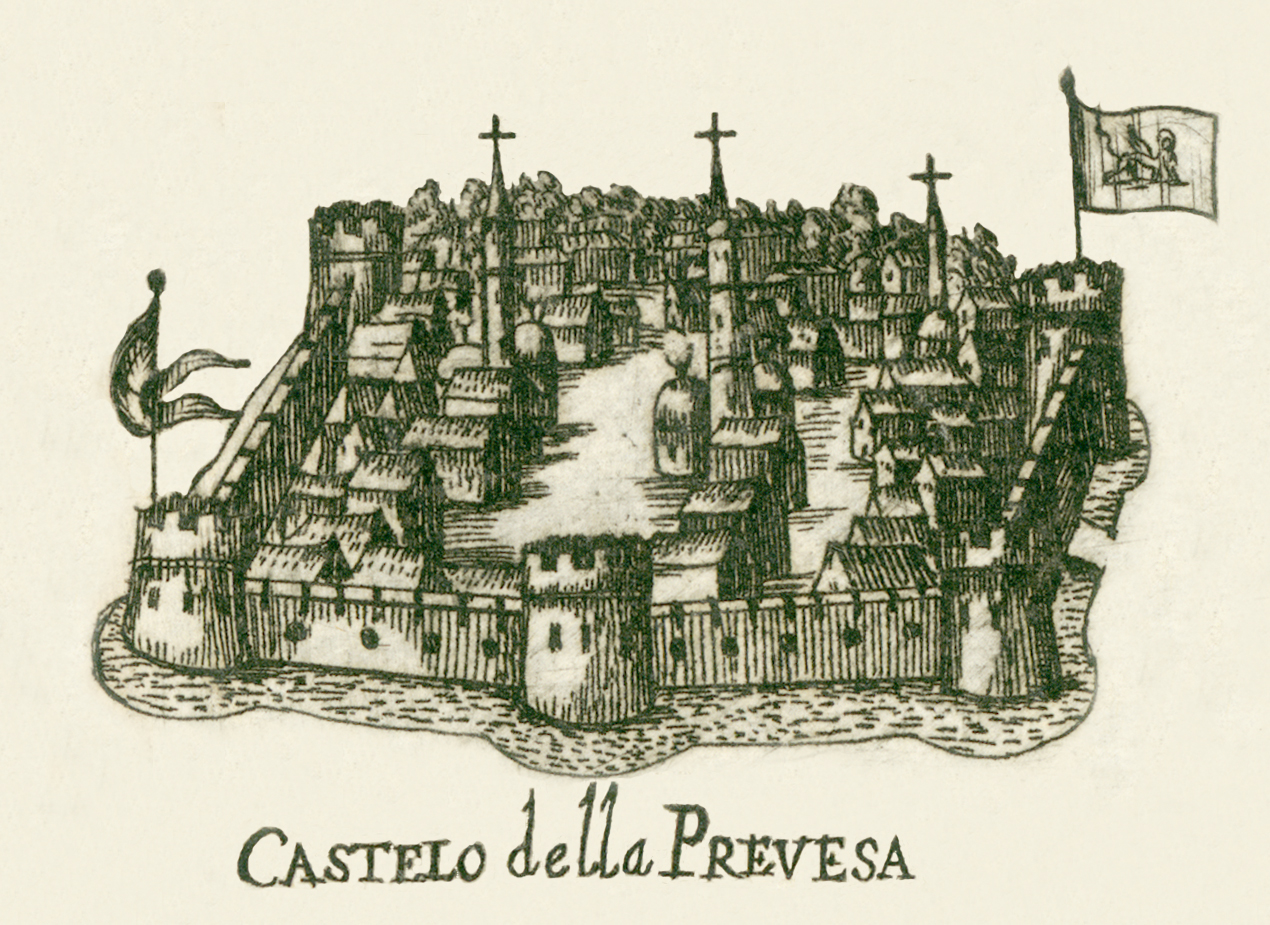
The original fortress was built in the early 1700s, designed primarily to serve as a coastal defense. Its architecture reflects the military engineering principles of the post-Renaissance period, particularly the use of bastions—angular structures projecting outward from the curtain walls to provide defensive fire coverage. This style was common in fortifications built during the 17th and 18th centuries, influenced by the developments in artillery and siege warfare.
Following the Ottoman construction, the castle underwent significant expansion and modification under Venetian rule from 1718 to 1797. The Venetians enhanced the fortress's defenses, adding more bastions and reinforcing the walls to better withstand attacks. These improvements reflected the Venetian expertise in fortress design, which was advanced for its time and focused on adapting to evolving military technology.
In the early 19th century, specifically between 1807 and 1808, the fortress was further expanded by Ali Pasha of Yanina, the autonomous Ottoman ruler of the region. Ali Pasha's modifications made the castle the largest fortification in the Preveza area. His additions likely included strengthening the bastions and possibly adding new defensive features to adapt to the military needs of the period.
Architectural features and layout
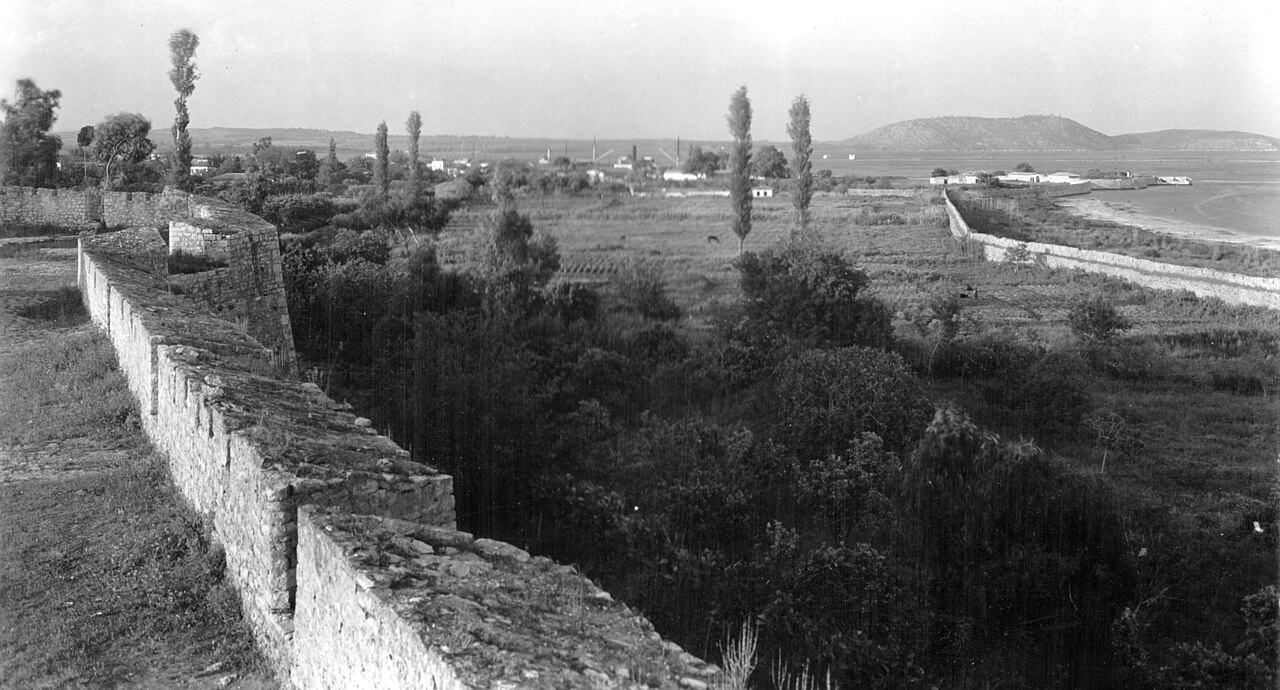
The castle's design is characteristic of bastioned fortresses, featuring multiple angular bastions that allowed defenders to cover all approaches with overlapping fields of fire. The walls are thick and robust, constructed to resist cannon fire. The fortress includes ramparts, curtain walls, and moats or ditches that enhanced its defensive capabilities.
Inside the fortress, there were facilities to accommodate the garrison, including barracks, armories, and storage rooms. The layout was planned to support prolonged defense during sieges, with provisions for water and supplies. The castle's position also offered commanding views of the surrounding landscape and the sea, critical for early warning of approaching enemies.
Historical significance and military role
Throughout its history, St. Andrew's Castle played a vital role in controlling the entrance to the Ambracian Gulf, a key maritime route in western Greece. Its control was contested among various powers due to its strategic importance.
The fortress witnessed several military engagements and sieges, particularly during the conflicts between the Ottoman Empire and the Venetian Republic. Its expansions under different rulers reflect the ongoing military and political struggles in the region during the 18th and early 19th centuries.
Under Ali Pasha's rule, the castle formed part of a broader network of fortifications that helped him maintain autonomy and power in Epirus. The fortress's size and strength during this period underscored its importance in regional defense and control.
Current condition and cultural heritage
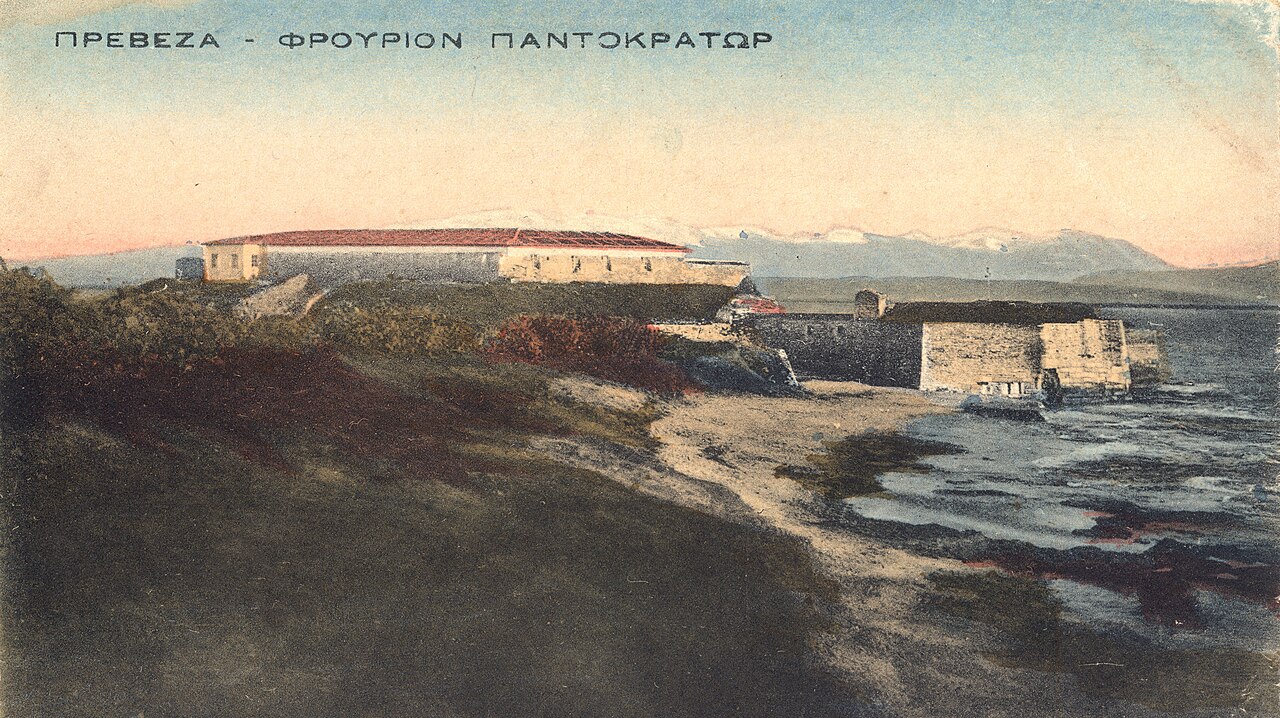
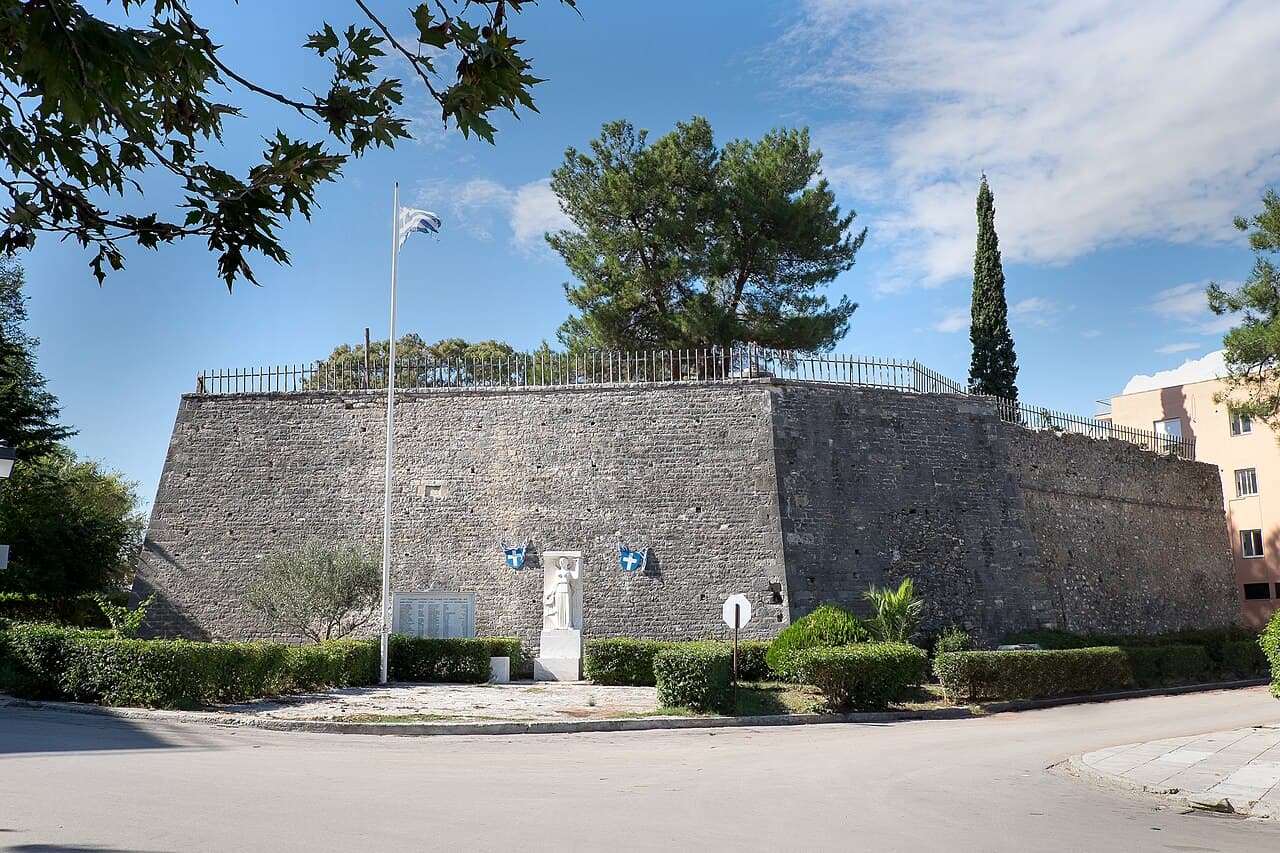
Today, St. Andrew's Castle remains a significant historical monument in Preveza. It is partially preserved, with many of its bastions and walls still standing, offering visitors a glimpse into its military past. The site is accessible to the public and serves as a cultural attraction, reflecting the layered history of the region.
The castle's preservation highlights the architectural and historical heritage of western Greece, showcasing the evolution of military fortifications from the Ottoman period through Venetian and local rule. It stands as a testament to the region's complex history and strategic importance in the Mediterranean.
Visiting information and tourism
Visitors to St. Andrew's Castle can explore its extensive fortifications and enjoy panoramic views of Preveza and the Ambracian Gulf. The site offers opportunities for photography, historical education, and appreciation of military architecture.
While there are no extensive visitor facilities on-site, the castle's location near the city center makes it easily accessible. Tourists often combine a visit to the castle with exploring Preveza's other historical and cultural landmarks.
Frequently asked questions (FAQ)
- How do I get to St. Andrew's Castle?
- St. Andrew's Castle is located in Preveza, Greece, and can be easily accessed by car or public transportation. If you are traveling from nearby cities, local buses provide convenient routes. Parking is available nearby for those driving.
- What is the historical significance of St. Andrew's Castle?
- St. Andrew's Castle, built in the 16th century, played a crucial role in the defense of the region against Ottoman invasions. Its strategic location on the coast allowed it to serve as a vital stronghold for various rulers throughout history. Today, it stands as a symbol of the rich heritage of Preveza.
- When was St. Andrew's Castle constructed?
- Construction of St. Andrew's Castle began in the year 1806 and was completed in 1822. It was designed by the Italian architect Francesco Morosini, showcasing a blend of Renaissance and military architectural styles. The castle has undergone several restorations to preserve its historical integrity.
- Can I take guided tours of St. Andrew's Castle?
- Yes, guided tours are available for visitors who wish to learn more about the castle's history and architecture. These tours typically provide insights into the castle's significance and allow access to areas that might be restricted during self-guided visits. It is advisable to check the schedule in advance and book your tour online.
- Why is St. Andrew's Castle a popular tourist attraction?
- St. Andrew's Castle is popular for its stunning views of the Ionian Sea and surrounding landscapes. Its historical architecture, combined with the tales of its past, captivates visitors interested in history and culture. Additionally, the castle's proximity to other attractions in Preveza makes it a convenient stop for tourists.
- Is it possible to visit St. Andrew's Castle year-round?
- Yes, St. Andrew's Castle is open to visitors throughout the year, although hours may vary by season. It's advisable to check the official website for up-to-date information on opening hours, especially during holidays or special events. Visiting during the off-peak season can also provide a more tranquil experience.
- What are the opening hours of St. Andrew's Castle?
- St. Andrew's Castle typically opens at 9 AM and closes at 7 PM during the summer months. In the winter, the hours may be reduced, so it's best to confirm the current schedule before your visit. Plan your arrival accordingly to ensure you have enough time to explore the castle.
- Are there any nearby attractions to visit while in Preveza?
- Yes, while visiting St. Andrew's Castle, you can also explore nearby attractions such as the scenic beaches of Preveza and the archaeological site of Nicopolis. The charming town center offers shops, cafes, and restaurants where you can enjoy local cuisine. Combining these sites can enhance your overall experience in the area.
- What are the ticket prices for visiting St. Andrew's Castle?
- Tickets to St. Andrew's Castle are reasonably priced, making it accessible for all visitors. Discounts may be available for students, seniors, and children. It is advisable to check the official website for the latest pricing and any special promotions or group rates that may apply.
Photo gallery

Information
Loading map...
Visitor reviews
No reviews yet. Been here? Write the first review and help other travelers!
Write the first reviewVisited this castle? Share your experience
Your review helps other travelers and adds first-hand knowledge to our encyclopedia.