Roch Castle
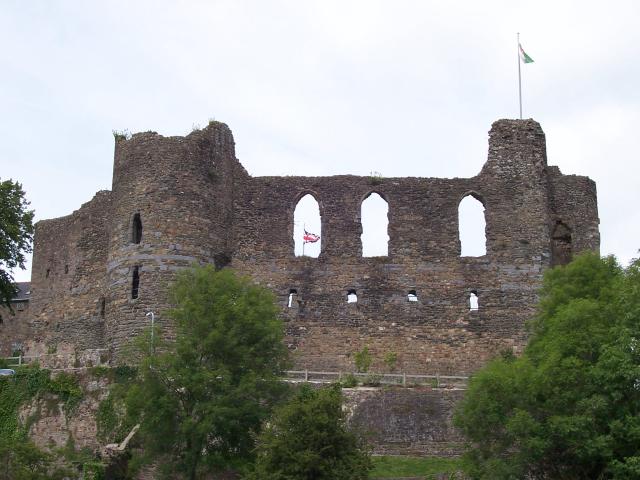
Roch Castle stands as a remarkable example of Norman military architecture in Pembrokeshire, Wales. Constructed in the 12th century by the Norman knight Adam de Rupe, the castle was strategically located on a rocky hilltop some 112 meters above sea level, dominating the surrounding landscape near the southwestern coast of Wales. Its position on a rocky outcrop, reflected in its name derived from the French word "roche" meaning rock, was deliberately chosen for both defense and surveillance, overseeing vital borderlands between English-speaking and Welsh-speaking territories known historically as the "Landsker" line.
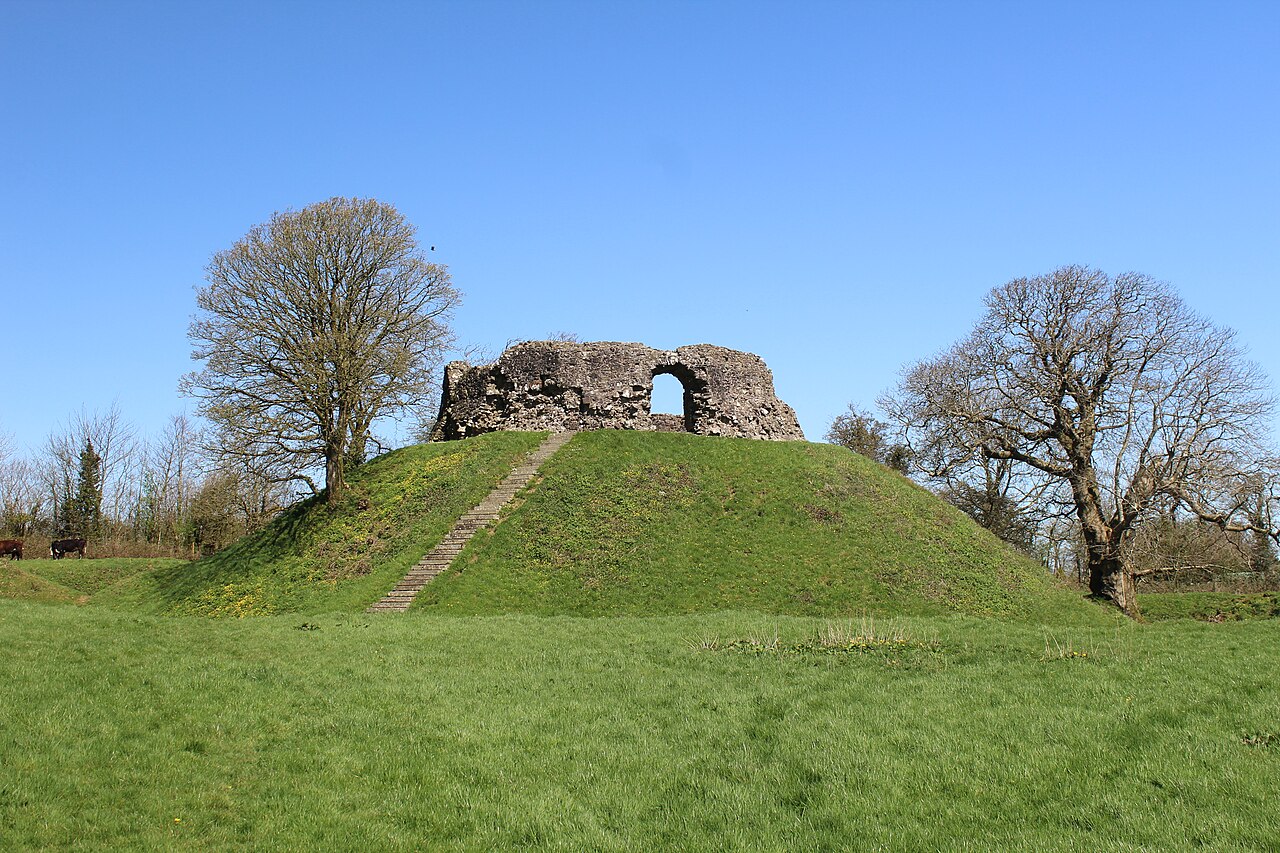
The castle's origins likely trace back to an earlier wooden fortification, typical of early Norman expansion, before Adam de Rupe replaced it with a robust stone structure. This transition from wood to stone was common in the High Medieval period as the Normans consolidated control in Wales, fortifying their holdings with durable keeps and curtain walls. Roch Castle was part of a broader defensive network including nearby establishments like Pill Priory, reinforcing the region's military and administrative presence.
Architectural features and medieval design
Roch Castle exemplifies the characteristics of a hill castle with a compact, fortified stone keep designed for defense rather than comfort. While detailed architectural plans are scarce, the castle originally featured thick stone walls, battlements, and narrow windows or arrow slits for archers. Its elevated position on a rocky promontory provided natural defenses augmented by man-made fortifications. The castle's layout would have included a central keep or donjon, surrounded by a curtain wall enclosing a courtyard and ancillary buildings.
During its early existence, the castle's defensive capabilities were paramount, designed to withstand sieges and raids common in the turbulent borderlands of medieval Wales. The stone construction replaced earlier timber defenses, reflecting advances in military architecture and the need for permanent, imposing strongholds to assert Norman authority.
Historical significance and royal connections
Roch Castle's history is closely intertwined with notable figures and events in British history. After the de Rupe family line ended in the 15th century, ownership passed to the Walter family in the 17th century. A significant historical figure born at the castle was Lucy Walter, daughter of the Walter family, who became a mistress to King Charles II. She bore him an acknowledged son, James Scott, 1st Duke of Monmouth, linking the castle to the royal lineage and the political intrigues of the Stuart monarchy.
During the English Civil War, the Walter family supported King Charles I, placing Roch Castle in the midst of conflict. Pembrokeshire initially leaned Royalist, but Parliamentary Puritan forces eventually gained control. The castle changed hands twice during the war and was ultimately captured and burned by Parliamentary forces in 1644. This destruction led to the castle's abandonment and decay.
The castle's fortunes briefly revived during the Monmouth Rebellion of 1685, when the Duke of Monmouth attempted to claim the throne. After his defeat at the Battle of Sedgemoor, he was captured and executed, and Roch Castle remained a symbol of this turbulent period.
20th-century restoration and modern use
Following centuries of neglect, Roch Castle underwent significant restoration beginning around 1900 under the ownership of John Philipps, 1st Viscount St Davids. The restoration was notable for its use of modern construction techniques, including a steel framework installed internally to support the medieval stone walls and concrete floors replacing or supplementing the original wooden surfaces. These interventions were designed by D. E. Thomas of Haverfordwest, with further work carried out by D. F. Ingleton between 1910 and circa 1920.
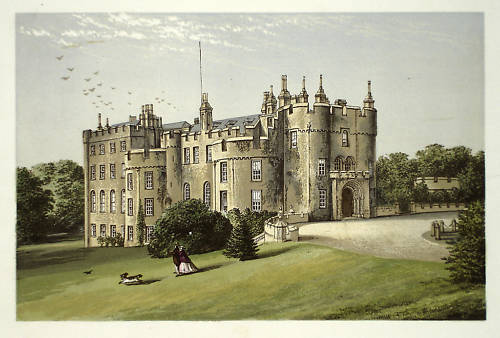
In 2008, the castle was purchased by Keith Griffiths for the Griffiths-Roch Foundation, leading to an extensive restoration that transformed the site into a luxury hotel. The modern renovations, completed by 2013 in collaboration with architectural firm Acanthus Holden, preserved the castle's historic fabric while adapting it for contemporary use. Today, Roch Castle operates as a six-bedroom luxury hotel, offering visitors a unique opportunity to experience medieval history combined with modern comfort.
Location and surrounding landscape
Roch Castle is situated near the town of Haverfordwest in Pembrokeshire, Wales, within a pastoral landscape of grasslands close to the sea. Its elevated position on a rocky hill provides commanding views over the coastal plain and surrounding countryside, a strategic advantage that was crucial during its active military use. The castle's location reflects the Norman strategy of controlling key points along the border between English and Welsh territories, contributing to regional stability and governance.
The surrounding environment retains much of its rural character, with low population density and natural scenery that enhances the castle's historic ambiance. The preservation of the castle and its setting offers valuable insights into medieval defensive architecture and the geopolitical landscape of Wales in the Middle Ages.
Architectural legacy and cultural importance
Roch Castle remains a significant cultural and historical landmark in Pembrokeshire. Its survival through centuries of conflict, decay, and restoration exemplifies the resilience and enduring appeal of Norman castles in Britain. The castle's association with prominent historical figures such as Lucy Walter and the Duke of Monmouth adds layers of narrative that enrich its heritage value.
The castle's restoration and adaptation into a luxury hotel demonstrate a successful model of heritage conservation that balances preservation with sustainable use. Visitors to Roch Castle can appreciate both its medieval origins and the careful modern interventions that have ensured its survival into the 21st century.
As a High Medieval hill castle, Roch Castle offers a tangible connection to the Norman conquest and settlement of Wales, the turbulent history of the English Civil War, and the complex social dynamics of the Stuart period. Its stone walls and strategic location continue to evoke the martial spirit and architectural ingenuity of the medieval period, making it a valuable site for historians, architects, and visitors alike.
Frequently asked questions (FAQ)
- What are the opening hours of Roch Castle?
- Roch Castle is typically open to visitors from 10 AM to 5 PM daily. However, it is advisable to check the official website for any seasonal changes or holiday hours before planning your visit.
- How do I purchase tickets to visit Roch Castle?
- Tickets for Roch Castle can be purchased online through the official website or at the entrance. It's recommended to book in advance, especially during peak tourist seasons, to ensure your entry.
- When was Roch Castle built?
- Roch Castle was originally built in the 12th century, making it a significant historical landmark in the region. Over the centuries, it has undergone various renovations and restorations, showcasing a blend of medieval and modern architectural styles.
- Is Roch Castle accessible for visitors with disabilities?
- Yes, Roch Castle is committed to providing accessibility for all visitors. There are facilities such as ramps and designated parking spaces, but it is advisable to contact the castle in advance to ensure all specific needs can be accommodated.
- What is the historical significance of Roch Castle?
- Roch Castle is an important historical site that reflects the feudal architecture of the medieval period. It played a strategic role in the defense of the region and has been associated with notable historical figures and events throughout its history.
- Can I take guided tours of Roch Castle?
- Yes, guided tours are available at Roch Castle, providing an in-depth look at its history and architecture. These tours are led by knowledgeable guides who can share fascinating stories about the castle and its past.
- When is the best time to visit Roch Castle?
- The best time to visit Roch Castle is during late spring to early autumn when the weather is mild, and the grounds are in full bloom. However, visiting during the off-peak seasons can offer a quieter experience with fewer crowds.
- Are there any nearby attractions to explore after visiting Roch Castle?
- Yes, there are several nearby attractions, including the stunning Pembrokeshire Coast National Park and the historic town of Haverfordwest. Both offer beautiful scenery and opportunities for outdoor activities, making for a perfect day trip.
- What are the ticket prices for Roch Castle?
- Ticket prices for Roch Castle vary depending on age and group size, with discounts often available for families and seniors. It's best to check the official website for the most current pricing and any special offers that may be available.
Information
Website
Visit websiteSources & official resources
Verify the information above using these authoritative references.
Loading map...
Visitor reviews
No reviews yet. Been here? Write the first review and help other travelers!
Write the first reviewVisited this castle? Share your experience
Your review helps other travelers and adds first-hand knowledge to our encyclopedia.