Picton Castle
Picton Castle stands as a remarkable example of medieval military architecture in Pembrokeshire, Wales, near the town of Haverfordwest. Originally constructed at the end of the 13th century, this hill castle was built by a Flemish knight before passing into the hands of the prominent Wogan family. The castle's evolution from a wooden motte-and-bailey to a formidable stone fortress between 1295 and 1308 under Sir John Wogan marks a significant chapter in its history.
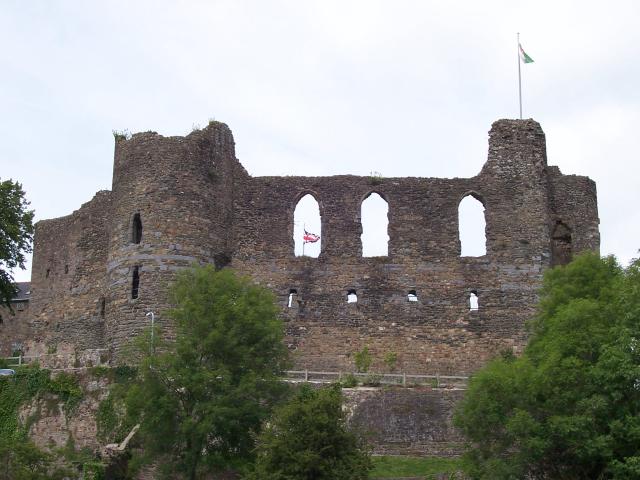
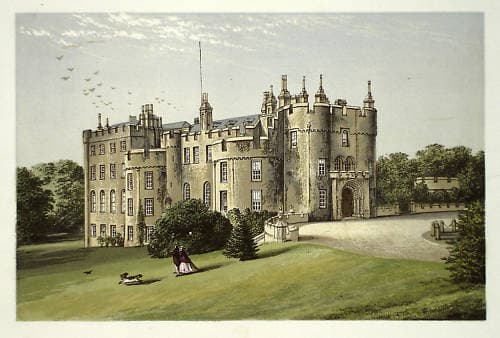
The castle's design is highly distinctive, featuring a rectangular stone keep protected by seven circular towers projecting from the walls, an unusual defensive layout that lacks an internal courtyard. The eastern end hosts a pair of towers forming a gatehouse with a portcullised entrance that leads directly into the lower vault of the great hall. Originally equipped with narrow slit windows for defense, these were replaced around 1400 with larger glazed windows and a grand recessed arch in the gatehouse, reflecting the castle's adaptation to changing architectural and residential needs.
Medieval origins and ownership transitions
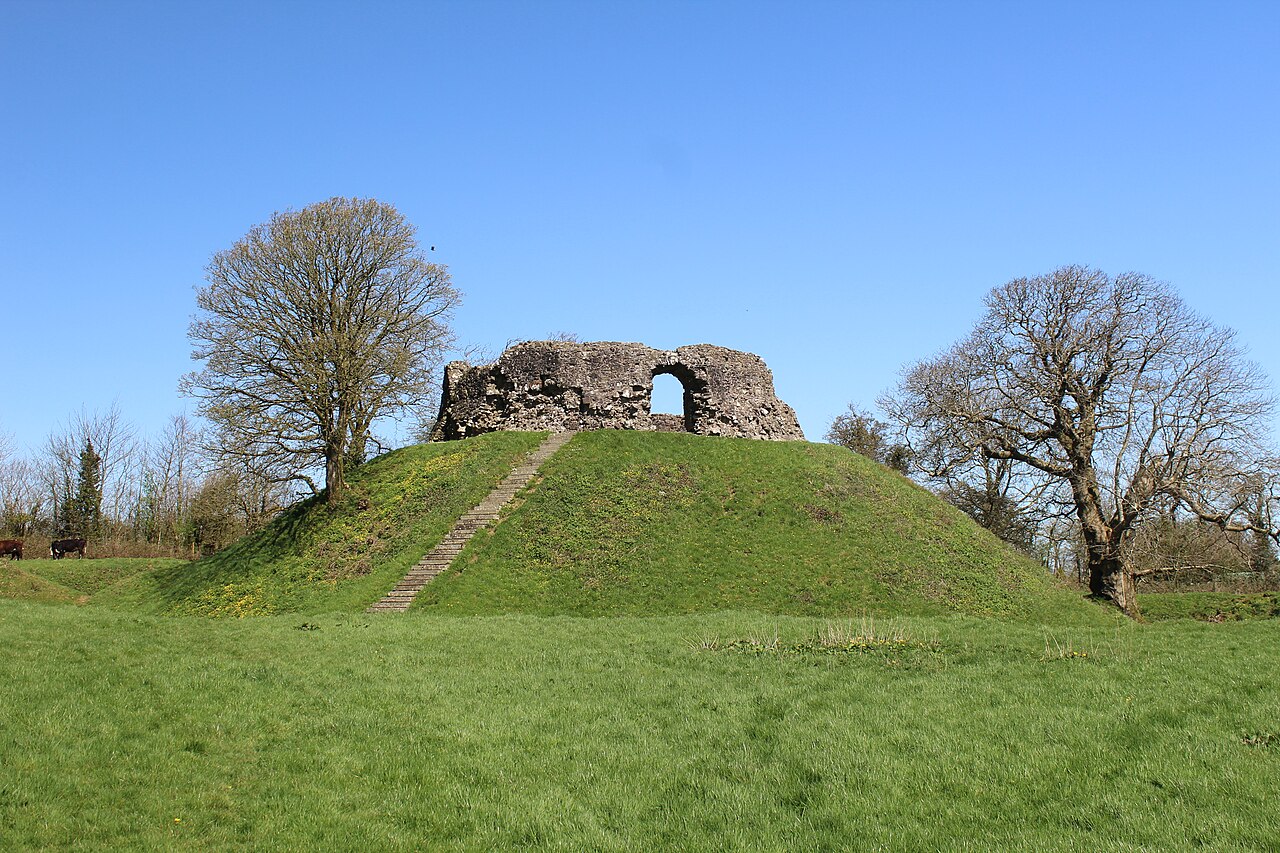
The earliest fortification at the site was a motte-and-bailey castle situated on a mound east of the current stone structure. The transition to stone construction under Sir John Wogan was a strategic move to enhance the castle's defensive capabilities during the high medieval period. The Wogan family maintained ownership until the 15th century when the male line ended, and through marriage, the estate passed to the Dunn family. Subsequently, the castle entered the possession of the Philipps family in the 1490s through the marriage of Jane Dunn to Sir Thomas ap Philipps of Cilsant.
Throughout its history, Picton Castle has been a site of military significance. In 1405, it was captured by French troops allied with the Welsh rebel leader Owain Glyndŵr. Later, during the English Civil War in 1645, it was seized by Parliamentary forces. These events underscore the castle's strategic importance in regional conflicts.
Architectural evolution and renovations
The castle's seven circular towers are positioned with one at each corner, two flanking the eastern gatehouse, and one on the western side, creating a formidable defensive perimeter. The gatehouse's portcullis and direct access to the great hall were innovative features for the period. In the late 17th century, John Philipps, 4th Baronet, implemented significant modifications including the construction of parallel walls before the gatehouse, creating a terraced approach to a newly established first-floor entrance. He also added an additional floor above the great hall and altered windows and interiors to reflect contemporary tastes.
The 18th century saw further transformation under John Philipps, 6th Baronet, who refurbished the castle's interiors in the Georgian style between 1749 and 1752. This included renewing plasterwork, wood paneling, flooring, installing sash windows, and marble fireplaces. Around 1800, the main entrance was modified, replacing the large arch with a smaller round-arched window and adding a portico with balcony, later replaced by a Gothic round-arched doorway with twin windows, giving the entrance its present appearance.
A Regency-style four-story wing was added on the west side shortly after 1800, and by 1820, the terraced approach was expanded into a rounded form. These architectural layers demonstrate the castle's continuous adaptation while preserving its medieval core.
Gardens, modern use, and cultural significance
The castle is set within approximately 40 acres of gardens, including a walled garden and a Mediterranean garden created around 1800, showcasing diverse horticultural styles. Today, Picton Castle is managed by the Picton Castle Trust, a charitable organization dedicated to its preservation and public engagement.
Visitors can explore the castle through guided tours available from spring to autumn, while the gardens remain open year-round. The site also features a restaurant, shop, and self-catering accommodations in the gatehouse lodges. The castle hosts various events such as exhibitions, fairs, workshops, and weddings, making it a vibrant cultural venue.
Historical figures and legacy
The castle's history is intertwined with notable figures such as Sir John Wogan, who rebuilt it in stone, and the Philipps family, who influenced its development over centuries. Of particular historical interest is Cesar Picton, a black man believed to have been brought from Senegal in 1672, who lived on the estate and adopted its name, reflecting the complex social history of the period.
Today, Picton Castle stands as a testament to medieval military architecture, later Georgian and Regency adaptations, and the rich tapestry of Welsh history. Its preservation allows visitors to experience a unique blend of architectural styles and historical narratives in a picturesque setting.
Frequently asked questions (FAQ)
- How do I visit Picton Castle and what are the opening times?
- Picton Castle is open for guided tours from spring to autumn, while the gardens remain accessible all year round. Visitors can check the official website or contact the Picton Castle Trust for specific opening hours and tour schedules.
- What is the historical significance of Picton Castle?
- Picton Castle is historically significant as a medieval stronghold with unique architectural features, including seven circular towers and a direct gatehouse entrance to the great hall. It played roles in the Welsh uprising of 1405 and the English Civil War.
- Can I explore the gardens at Picton Castle?
- Yes, the castle gardens cover about 40 acres and include a walled garden and a Mediterranean garden created around 1800. They are open to visitors year-round and offer a variety of horticultural displays.
- Is Picton Castle accessible for weddings and events?
- Picton Castle hosts various events such as exhibitions, fairs, workshops, and weddings. The venue offers facilities including a restaurant, shop, and self-catering accommodations, making it suitable for special occasions.
- What architectural styles are represented at Picton Castle?
- Picton Castle primarily features medieval military architecture from the high medieval period, with later Georgian and Regency style renovations evident in its interiors and extensions.
Photo gallery

Photo by Morris•Public domain
Information
Website
Visit websiteSources & official resources
Verify the information above using these authoritative references.
Loading map...
Visitor reviews
No reviews yet. Been here? Write the first review and help other travelers!
Write the first reviewVisited this castle? Share your experience
Your review helps other travelers and adds first-hand knowledge to our encyclopedia.