Rocca Orsini
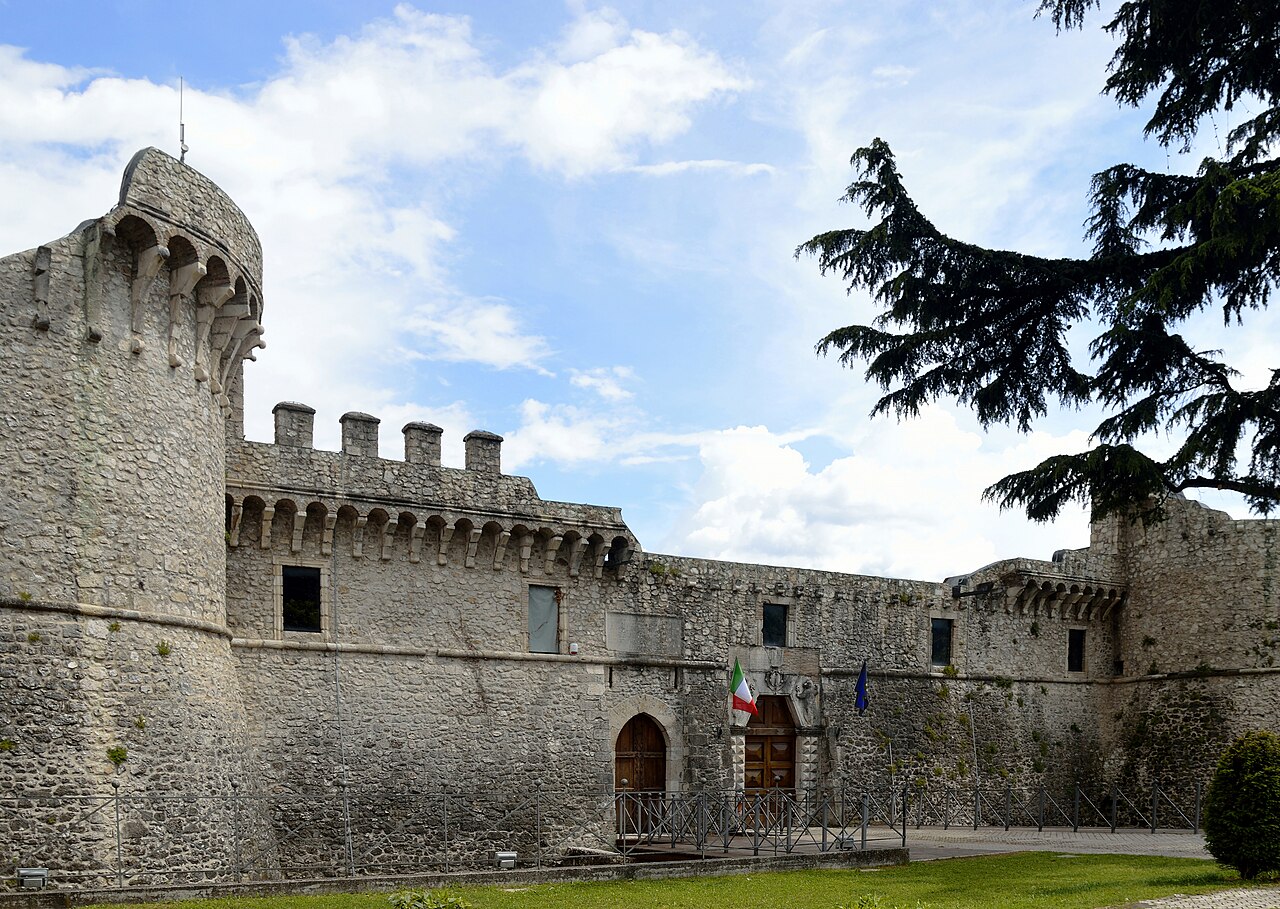
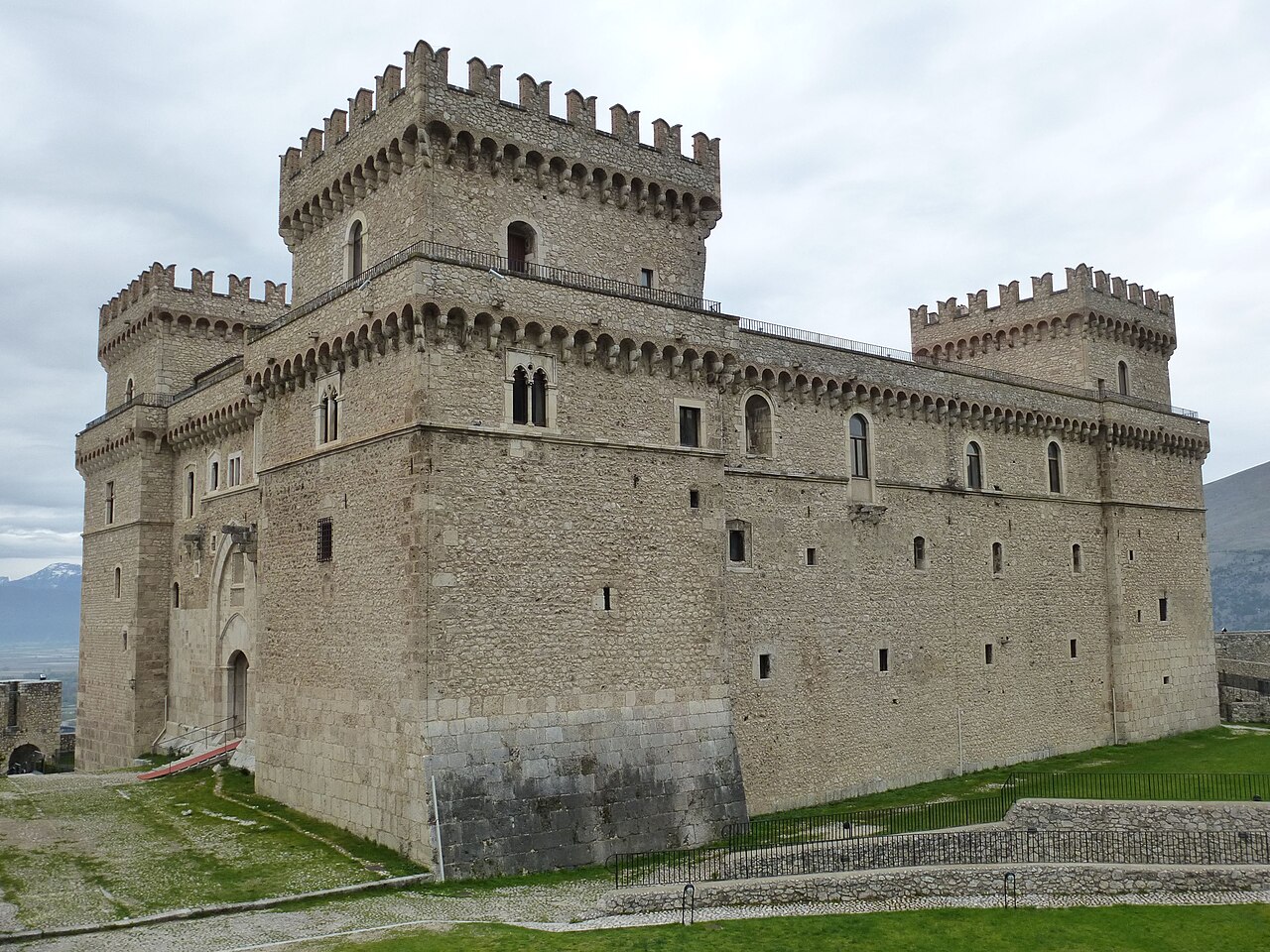
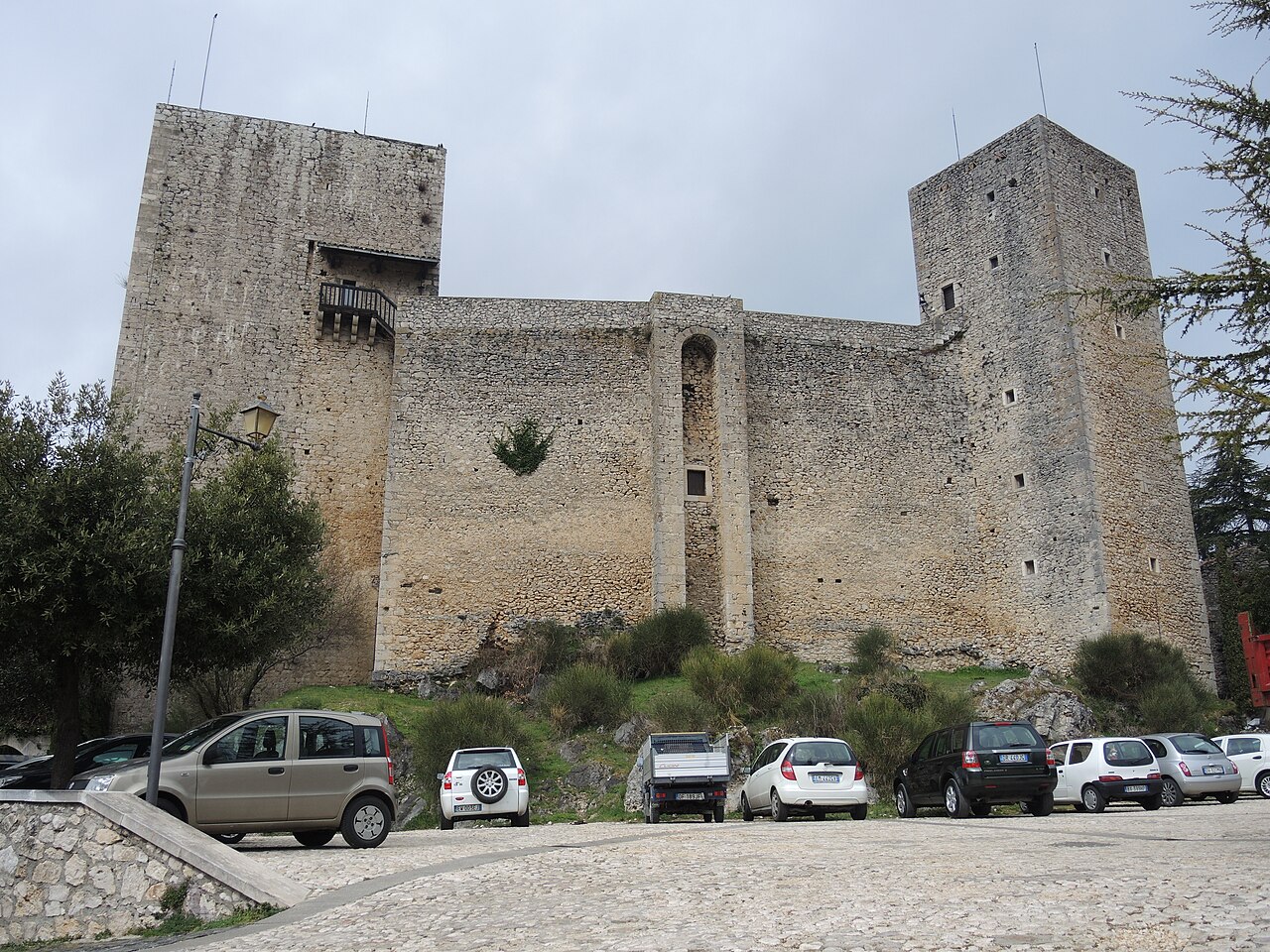
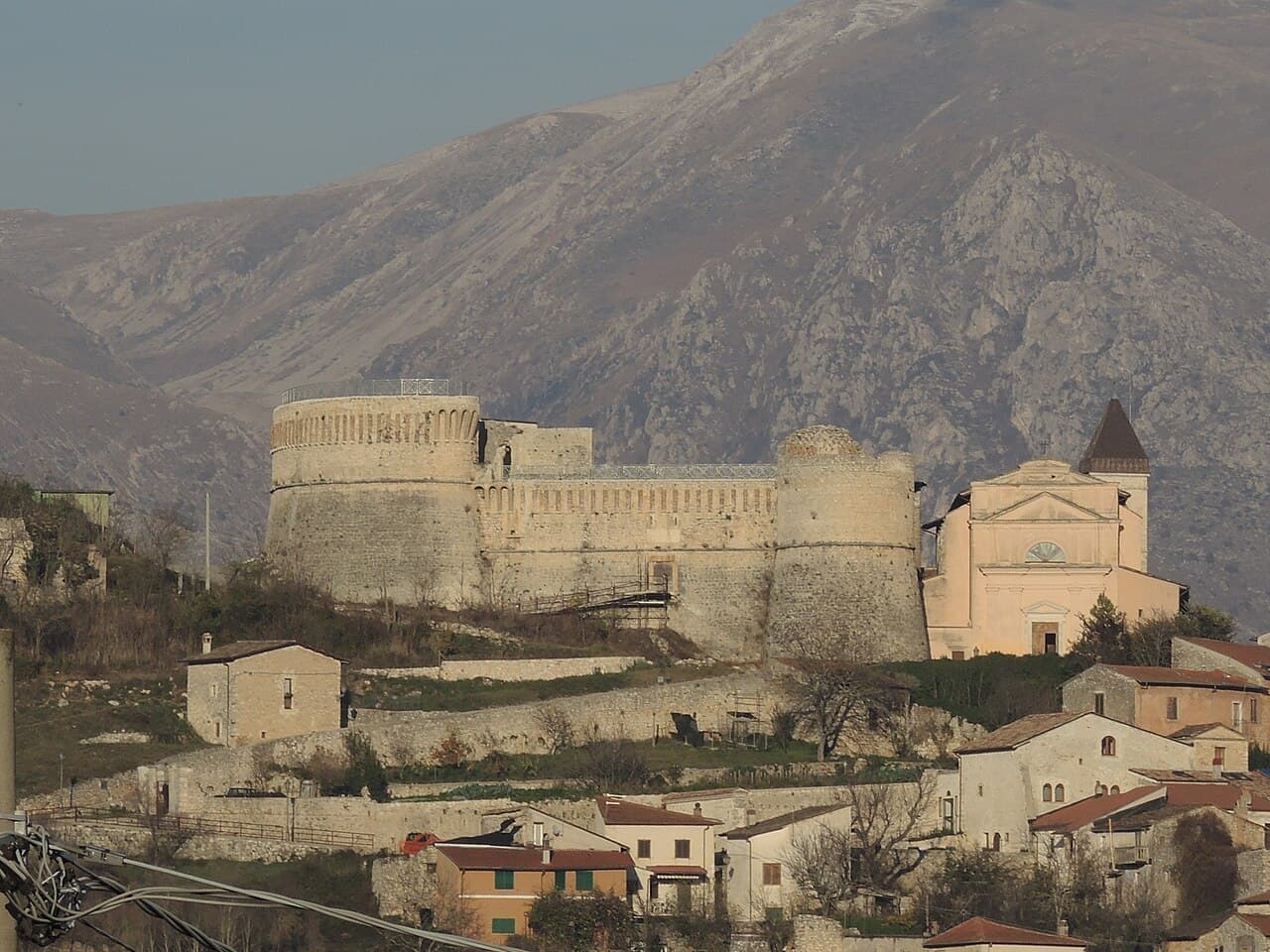
Rocca Orsini stands as a significant medieval fortress located in Scurcola Marsicana, a town in the Abruzzo region of central Italy. This castle is a remarkable example of architectural evolution, reflecting styles and defensive needs spanning from the 13th century through the Renaissance period. Originally constructed as a stronghold for the influential Orsini family, it embodies the strategic importance and noble power of its era.
Origins and early construction
The oldest section of Rocca Orsini was built in the 13th century by the De Pontibus family. This initial construction was designed as a Norman-Swabian enclosure castle, a common defensive style in southern Italy during the Middle Ages. The castle's early form featured robust curtain walls enclosing the inner courtyard, with limited residential quarters and defensive towers positioned to oversee the surrounding landscape. This design was typical of High Medieval fortifications, prioritizing defense against sieges and raids.
Transformation under the Orsini family
In the late 15th century, the castle underwent significant modifications under the ownership of the Orsini family, one of the most powerful noble families in Italy. They transformed the fortress into a Renaissance fortress, adapting its structure to meet the changing military technologies and aesthetic tastes of the period. This renovation included the addition of bastions and artillery platforms to accommodate cannon defense, reflecting the shift from medieval to early modern warfare.
The castle's layout was expanded and reinforced, with new stone walls and fortified gates enhancing its defensive capabilities. Residential areas within the castle were also improved, incorporating Renaissance architectural elements such as larger windows and more comfortable living quarters, signaling a transition from purely military use to a noble residence.
Architectural features and structure
Rocca Orsini is composed of multiple structures from different periods, which together create a complex architectural ensemble. The original enclosure castle features thick walls and a compact layout typical of Norman-Swabian military architecture. The later Renaissance additions include angled bastions designed to deflect cannon fire, a feature that marks the castle's adaptation to new defensive needs.
The castle's strategic location on a hill provides commanding views of the surrounding Marsica plain, which was crucial for both defense and control of the territory. Within the walls, visitors can find remnants of the original medieval keep, residential chambers, and defensive towers, as well as Renaissance courtyards and artillery platforms.
Historical significance and ownership
Throughout its history, Rocca Orsini served as a military stronghold and noble residence, reflecting the power struggles and territorial conflicts of central Italy during the Middle Ages and Renaissance. The Orsini family, who owned the castle from the late 15th century, were notable patrons of the arts and influential players in Italian politics, which adds cultural significance to the site.
After centuries of use, the castle was eventually abandoned and fell into disrepair. Its decline mirrors the general shift in military architecture and the reduced strategic importance of such fortresses with the advent of modern warfare.
Restoration and current status
In recent years, Rocca Orsini has been the focus of restoration efforts initiated by a local committee dedicated to preserving the cultural heritage of Scurcola Marsicana. These efforts have stabilized the structure and partially restored key architectural elements, allowing visitors to appreciate the castle's historical and architectural value.
Today, the castle stands as a well-preserved monument that offers insights into medieval and Renaissance military architecture, noble life, and regional history. It is accessible to the public during certain times of the year, serving as a cultural landmark and tourist attraction in the Abruzzo region.
Visiting Rocca Orsini
Visitors to Rocca Orsini can explore its layered architectural features and enjoy panoramic views of the Marsica plain. The castle's mixture of medieval and Renaissance elements provides a unique educational experience for those interested in military history, architecture, and Italian nobility.
The surrounding area of Scurcola Marsicana also offers additional historical sites and natural beauty, making a visit to Rocca Orsini a rich cultural excursion.
Frequently asked questions (FAQ)
- When was Rocca Orsini originally built?
- Rocca Orsini was originally constructed in the 13th century by the De Pontibus family as a Norman-Swabian enclosure castle.
- What architectural styles are present in Rocca Orsini?
- The castle features a mix of Norman-Swabian medieval architecture and Renaissance fortification elements added by the Orsini family in the late 15th century.
- Is Rocca Orsini open to visitors?
- Yes, Rocca Orsini is open to visitors during specific times, offering tours that highlight its historical and architectural significance.
- What was the strategic importance of Rocca Orsini?
- Its hilltop location provided commanding views over the Marsica plain, making it a crucial defensive stronghold in medieval and Renaissance times.
- Who currently manages Rocca Orsini?
- The castle is currently managed and partially restored by a local committee dedicated to preserving the site.
Photo gallery

Information
Sources & official resources
Verify the information above using these authoritative references.
Loading map...
Visitor reviews
No reviews yet. Been here? Write the first review and help other travelers!
Write the first reviewVisited this castle? Share your experience
Your review helps other travelers and adds first-hand knowledge to our encyclopedia.