Castello di Pereto
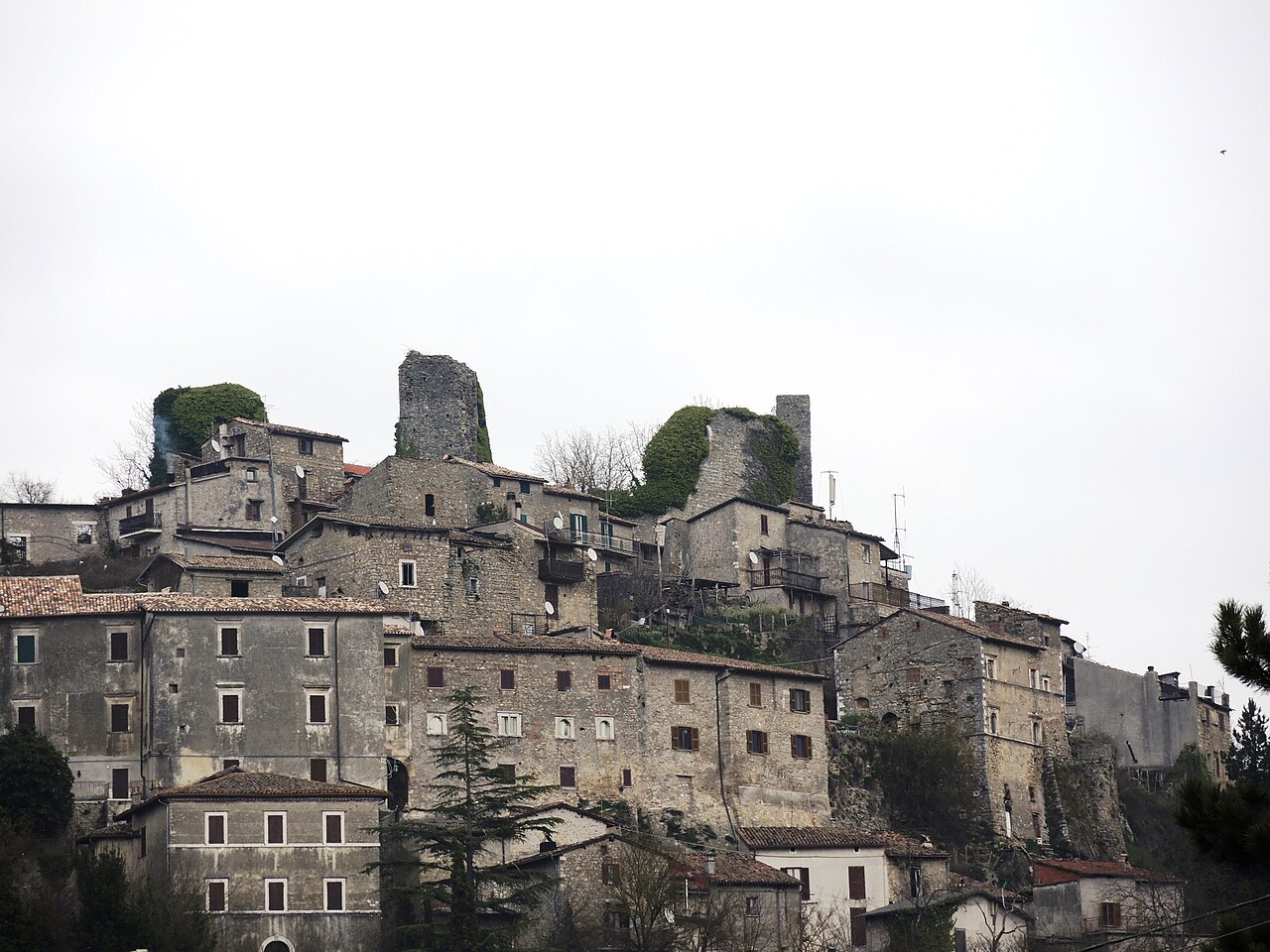
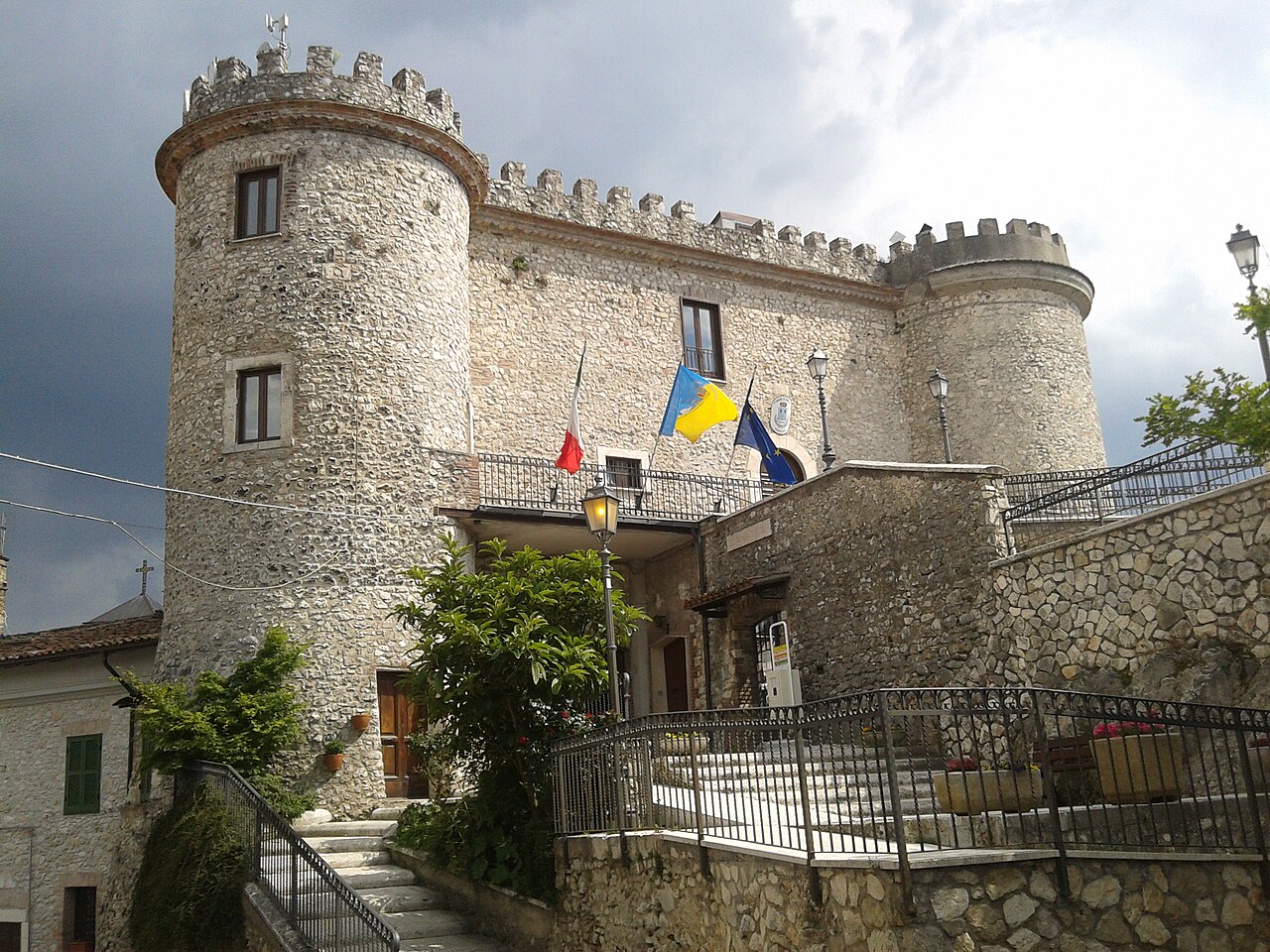
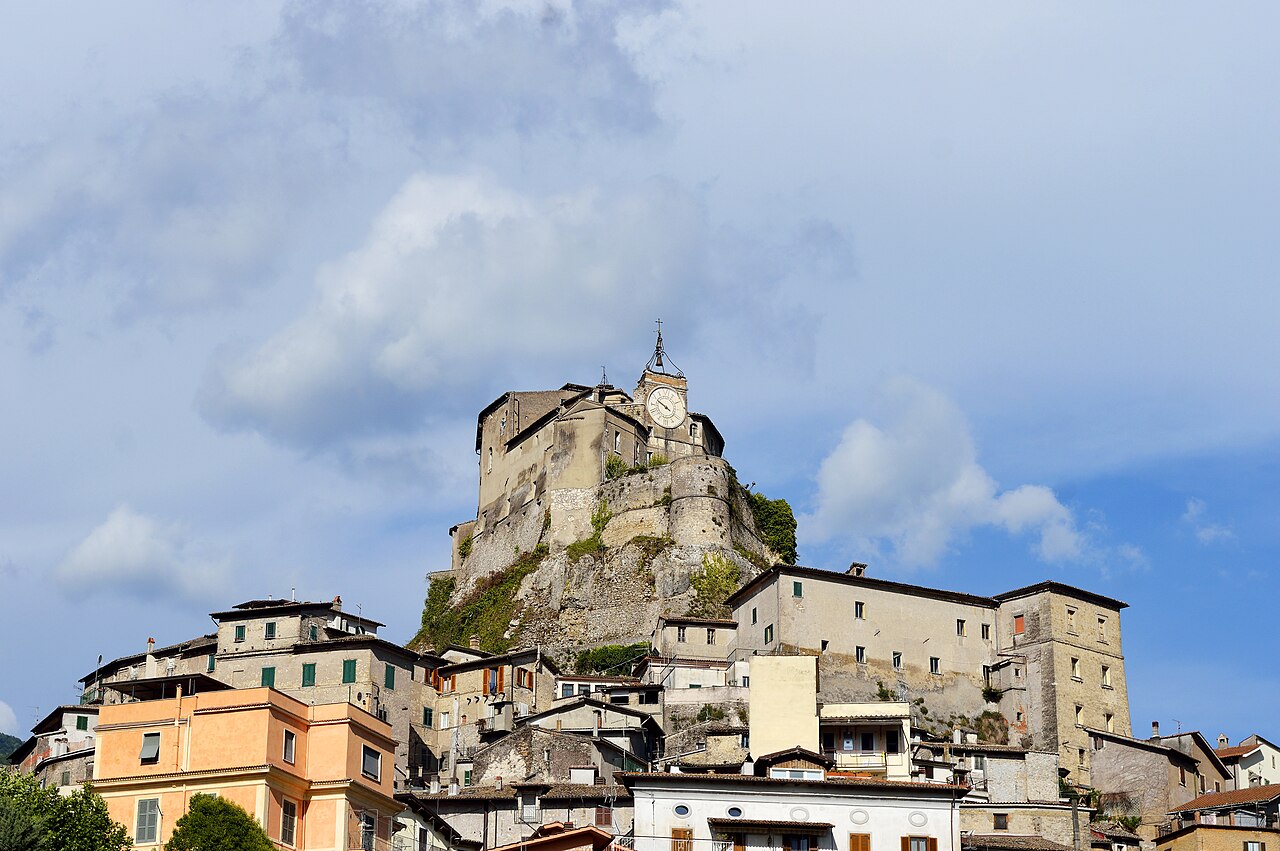
The Castello di Pereto is a remarkable example of a medieval hill castle situated on the slopes of Monte Forcellese in Pereto, Abruzzo, Italy. This fortress was strategically constructed to oversee the surrounding plains and control the ancient Roman road, the Via Tiburtina Valeria, a vital route connecting Rome to the Adriatic coast. The castle's commanding position atop a hill provided significant military and administrative advantages throughout its history.
Early origins and medieval development
The origins of the Castello di Pereto trace back to the early 10th century, when Berardo dei Marsi, a local nobleman, established a defensive tower that would become the core of the castle's keep. This original structure served as a watchtower and refuge, reflecting the turbulent political landscape of early medieval Italy.
During the 11th century, the castle gained prominence as the residence of Rainaldo, Count of Marsi. His participation in the First Crusade and subsequent death in 1093 marked a turning point for the castle’s ownership. After Rainaldo's death, his widow Aldegrima transferred the castle to the influential Abbey of Montecassino, a fact officially recognized by Pope Urban II in a 1097 papal bull. This transfer underscored the castle's importance not only as a military stronghold but also as a symbol of ecclesiastical power and territorial control.
Architectural expansions and noble ownership
By the mid-12th century, the castle underwent significant renewal under the stewardship of the De Ponte family. This period saw expansions that enhanced its defensive capabilities and living quarters. Notably, during the reign of Holy Roman Emperor Frederick II in the 13th century, further fortifications were added, reflecting the emperor’s interest in consolidating his authority in central Italy.
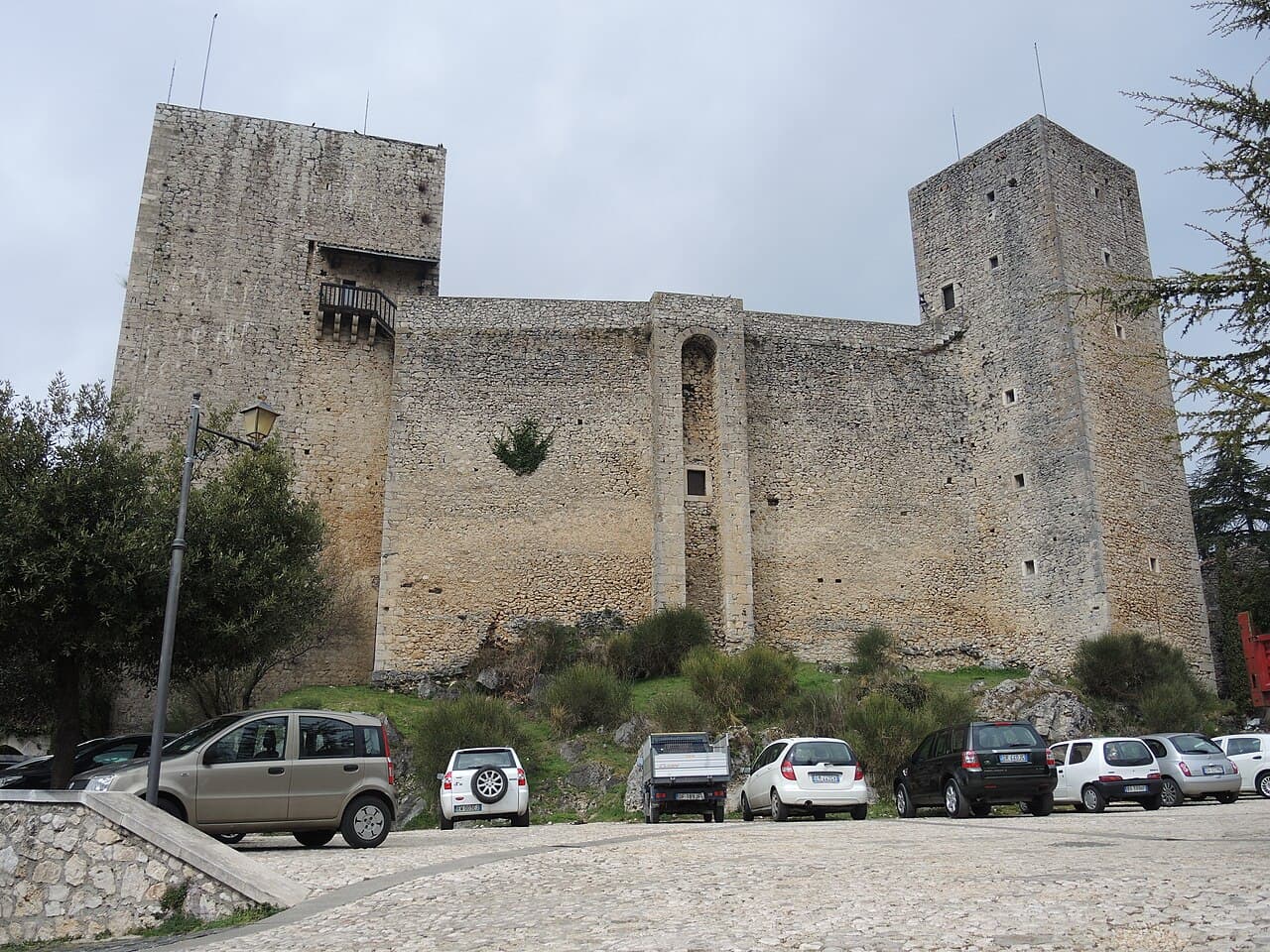
The 14th century brought additional enhancements, including the construction of two new square towers and connecting curtain walls that defined the castle's enclosure. These additions exemplify the evolution of medieval military architecture, emphasizing layered defenses and strategic vantage points.
In the early 15th century, the castle came under the control of the powerful Orsini family. However, their tenure was likely interrupted by the devastating 1456 earthquake, which caused widespread damage across the region, including Pereto. Subsequently, the castle passed to the Colonna family toward the end of the 15th century, another noble lineage with significant influence in the Kingdom of Naples.
Modern history and restoration efforts
In the 19th century, parts of the castle, notably the northern tower, were utilized by the Maccafani family. This tower was later sold in the early 20th century to the Vicario family. The castle suffered heavy damage during the 1915 Avezzano earthquake, which severely affected the Abruzzo region.
Restoration efforts began several decades later, spearheaded by Aldo Maria Arena following his acquisition of the site in 1966. These restorations were meticulous and respected the castle’s historical integrity, earning recognition from Europa Nostra in 1982 for excellence in cultural heritage preservation.
Architectural features and layout
The main keep
The centerpiece of the Castello di Pereto is its imposing main keep or bergfried, a robust tower with a roughly square base measuring approximately 11.7 meters per side and rising to a height of 27 meters. Internally, this tower is divided into five levels, each serving distinct functions. The ground floor was used for guard quarters, storage, and prisons, while the first floor housed the justice hall, where local legal matters were adjudicated. The two middle floors served as living quarters for the lord, and the top floor was dedicated to defense and observation, offering panoramic views of the surrounding territory.
Secondary towers and curtain walls
To the north of the main keep stands a smaller square tower measuring 6.6 meters per side and reaching 24 meters in height. This tower also comprises five floors, though the specific uses of each level remain undocumented. A third tower located to the southeast is 16 meters tall with a base of 4.6 meters square. Unlike the other towers, it is not subdivided into floors and likely functioned as both a lookout post and part of the curtain wall defenses.
The castle’s curtain walls form a defensive perimeter with varying lengths and heights: the southwest wall is 23 meters long and 15 meters high, featuring the main entrance near the keep; the eastern wall extends 24.5 meters and stands 13 meters tall; and the northern wall measures 22.4 meters in length with a height of 14 meters. Atop these walls runs a chemin de ronde, a patrol walkway that allowed guards to move between towers, monitor the surroundings, and mount defenses as necessary.
Historical significance and cultural heritage
The Castello di Pereto is a significant monument reflecting the complex political and military history of central Italy from the early medieval period through the Renaissance. Its successive ownership by notable noble families such as the De Ponte, Orsini, and Colonna illustrates the shifting allegiances and power struggles that shaped the region.
Moreover, the castle's architectural evolution showcases the adaptation of medieval fortifications to changing military technologies and political needs. Today, the castle stands as a well-preserved example of medieval military architecture, attracting scholars and visitors interested in Italy's feudal past and heritage conservation.
Visiting information and preservation status
Currently, the Castello di Pereto is well preserved thanks to ongoing restoration efforts. Visitors can explore the castle’s towers, curtain walls, and internal chambers, gaining insight into medieval defensive strategies and noble life. The site offers panoramic views of the Abruzzo landscape and serves as a cultural landmark in the region.
Frequently asked questions (FAQ)
- How do I get to Castello di Pereto?
- Castello di Pereto is located in the town of Pereto in the Abruzzo region of Italy. It is accessible by car via local roads from nearby cities such as L'Aquila. Public transportation options may be limited, so driving is recommended for visitors.
- What are the opening hours for visiting the castle?
- Opening hours for Castello di Pereto can vary seasonally and by management. It is advisable to check with the local tourist office or official castle website for the most current visiting times before planning your visit.
- Is there an entrance fee to visit Castello di Pereto?
- Entrance fees may apply depending on guided tours or special events. Generally, visitors should expect a modest admission charge, but free access might be available on certain days or for local residents.
- What architectural styles are present in Castello di Pereto?
- Castello di Pereto features a mix of architectural styles reflecting its long history, including <strong>early medieval</strong> stone masonry, <strong>13th-century</strong> fortifications from the reign of Frederick II, and later <strong>14th-century</strong> additions such as square towers and curtain walls.
- Can I explore the interior of the castle towers?
- Visitors can explore several of the castle's towers, including the main keep with its multiple floors. Interior access may be subject to safety considerations and guided tours, so it is best to inquire locally about available options.
Photo gallery

Information
Current owner
Private owner
Loading map...
Visitor reviews
No reviews yet. Been here? Write the first review and help other travelers!
Write the first reviewVisited this castle? Share your experience
Your review helps other travelers and adds first-hand knowledge to our encyclopedia.