Castello Piccolomini
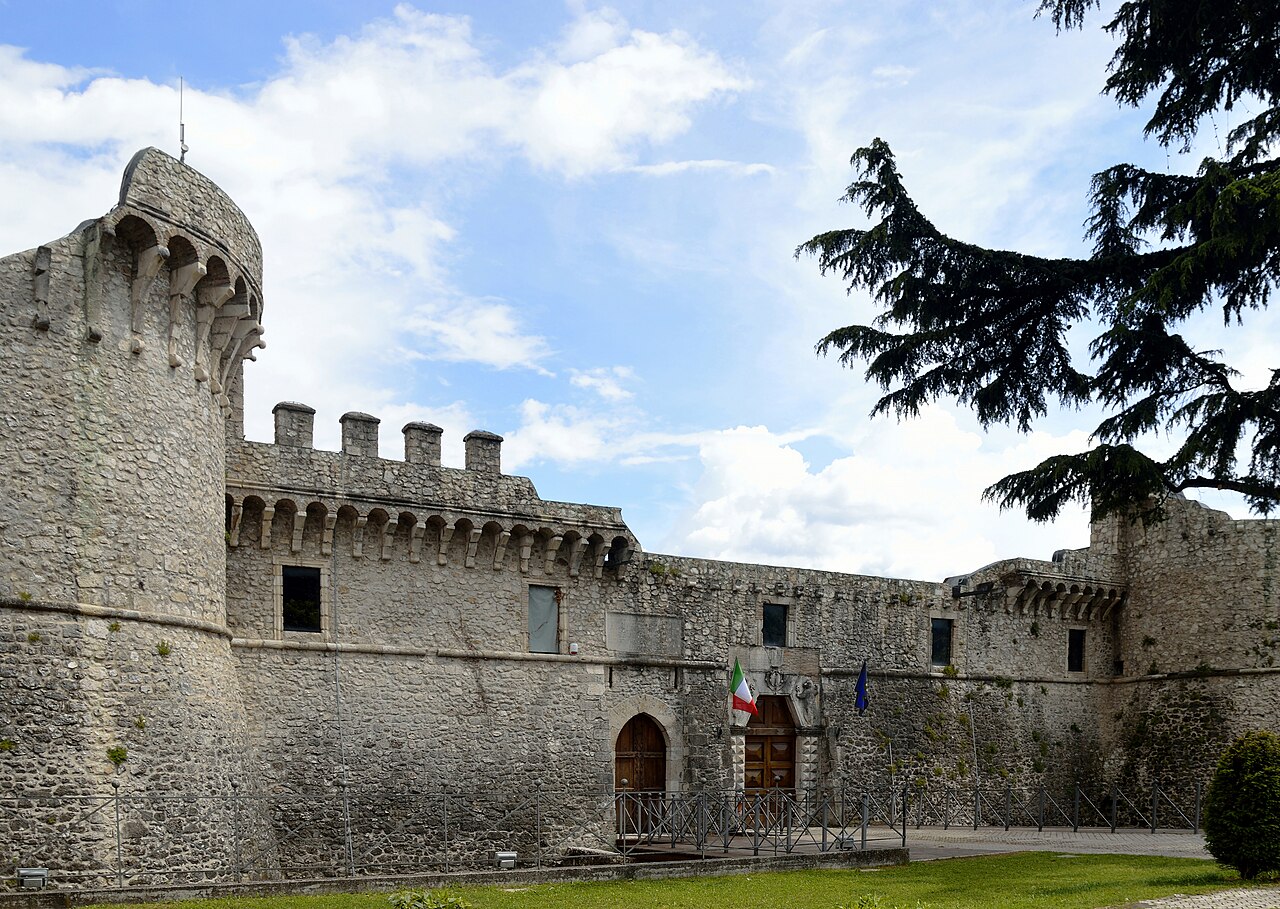
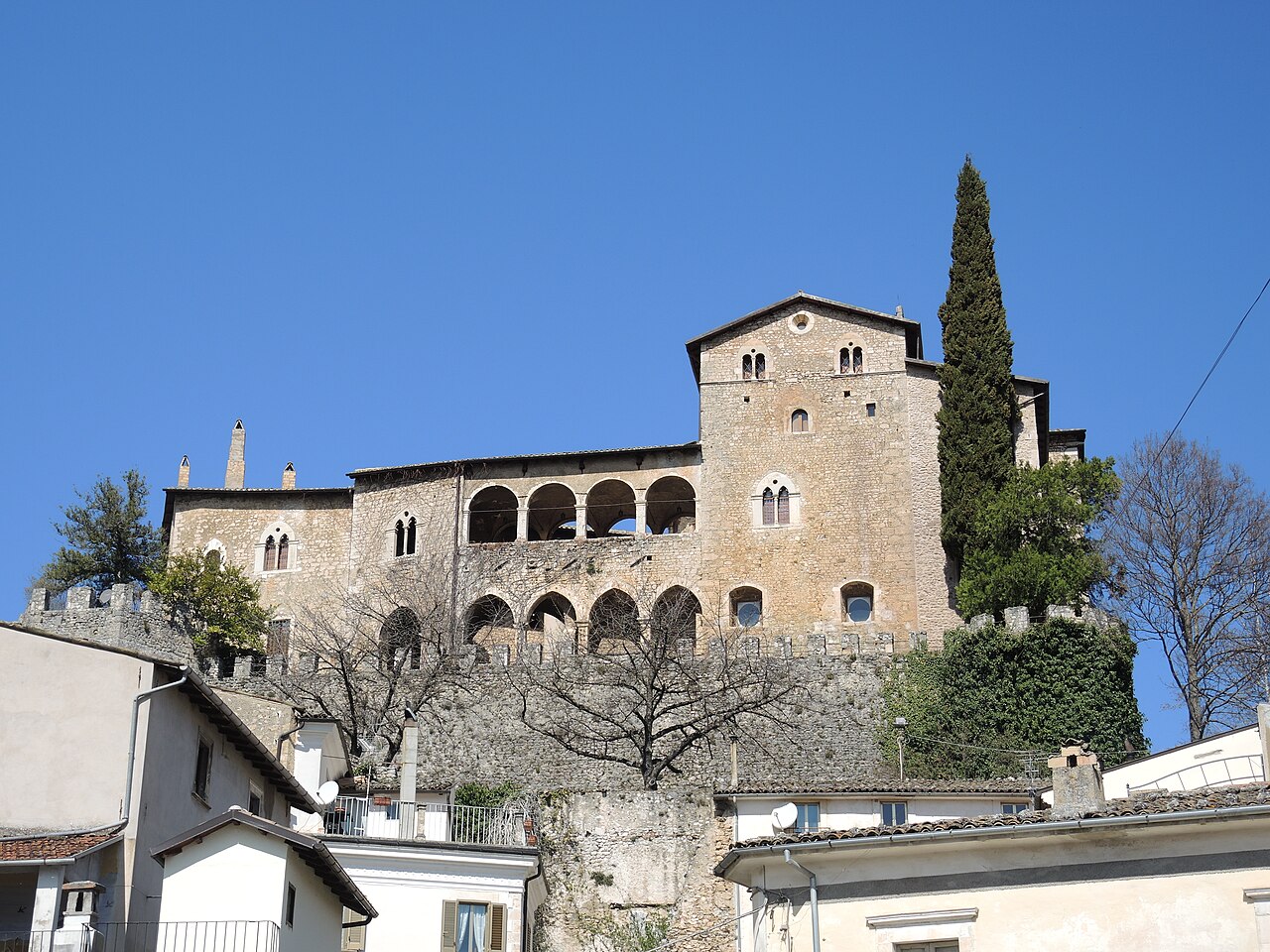
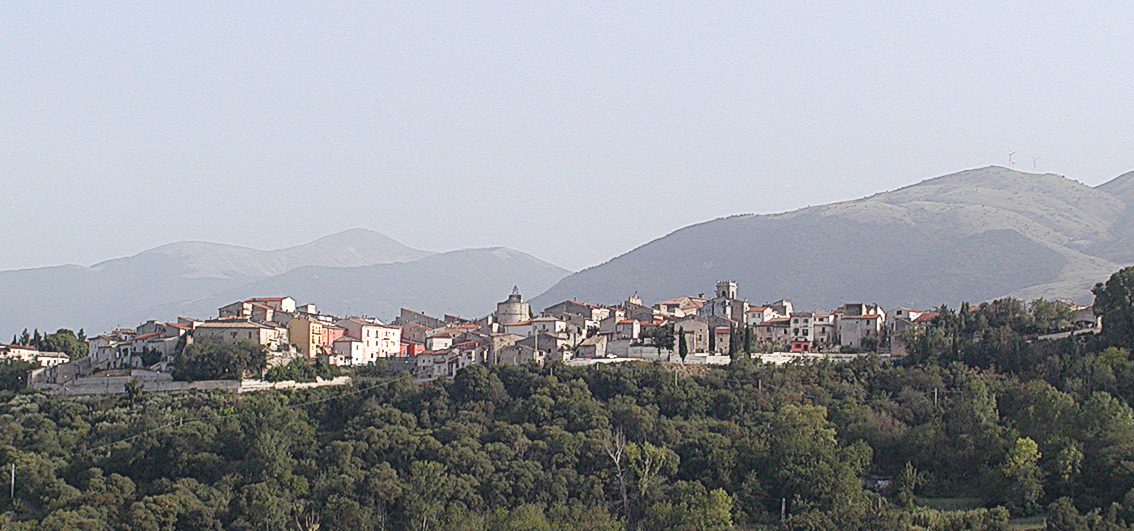
Castello Piccolomini stands prominently on San Flaviano hill overlooking the town of Celano in the Abruzzo region of Italy. This late medieval hill castle is a remarkable example of military architecture that evolved into a fortified residential palace during the 15th century. Its rich history, architectural complexity, and cultural significance make it a key heritage site in central Italy.
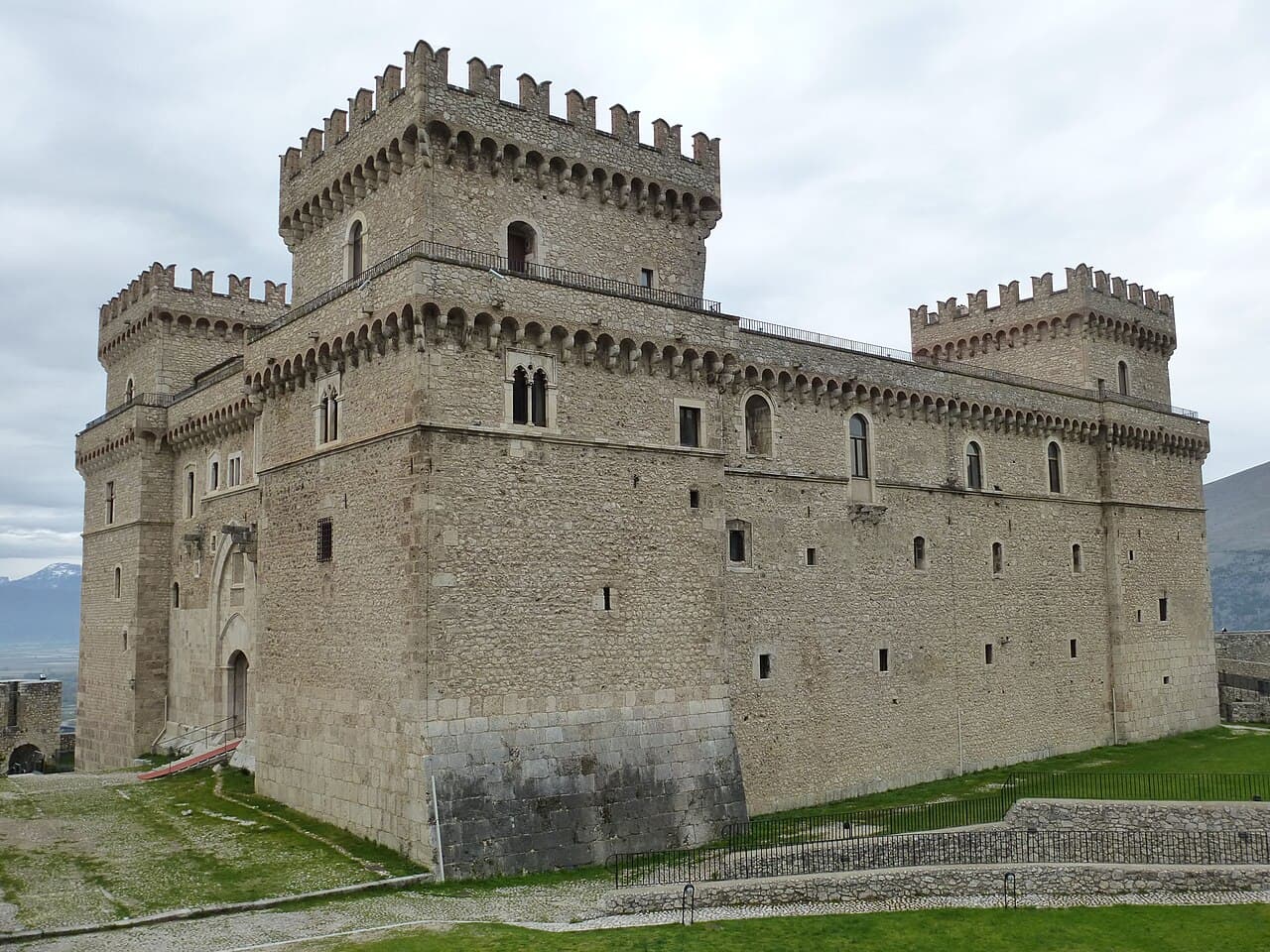
The castle’s construction spanned several decades, beginning in the late 14th century with initial fortifications that included the perimeter walls and the first two floors of the main structure. By 1451, significant expansions added the main floor and the distinctive four corner towers. The final major phase of construction was completed in 1463 under Antonio Todeschini Piccolomini, nephew of Pope Pius II, who transformed the fortress into a refined Renaissance-style palace while retaining its defensive capabilities.
Historical development and ownership
Early fortifications and medieval origins
The origins of Castello Piccolomini trace back to 1223 when Emperor Frederick II established a fortified position on San Flaviano hill during his conflict with Thomas, Count of Celano and Molise. These early defenses were likely constructed from wood and earthworks, typical of early medieval military sites, rather than stone.
Between 1356 and 1380, the hill was fortified with stone walls and rectangular towers known as “shield” towers, built by the ancestors of Count Pietro II Berardi. In 1392, Pietro II Berardi began construction of the stone castle’s initial phase, erecting the first floor and quadrangular corner towers, including a square keep at the northeast corner. This marked the transition from temporary fortifications to a permanent stone stronghold.
Expansion under lionello accrocciamuro
In 1451, Lionello Accrocciamuro, who later became Count of Celano, undertook extensive enhancements to the castle’s defenses. He added two large semicylindrical towers on the northeast side and a triangular ravelin with a large cylindrical tower facing the citadel. He also completed the main floor with a battlemented walkway and four corner towers, thickening the walls to better resist early gunpowder artillery. These modifications reflect the evolving nature of military architecture during the late medieval period.
The piccolomini transformation
In 1463, Antonio Todeschini Piccolomini became Count of Celano and completed the castle as it largely appears today. He added a second floor to the internal loggia, featuring pointed arches decorated with the Piccolomini family heraldic symbols—a cross and crescent. He introduced elegant Renaissance-style windows with detailed architraves and constructed hanging loggias supported by corbels. Additionally, he reinforced bastions with two sloped cylindrical towers that incorporated older horseshoe-shaped towers and expanded the walls near the entrances with foregates, blending defensive strength with residential refinement.
Later ownership and historical events
Following the 16th century, the castle changed hands several times. In 1591, it was acquired by Camilla Peretti, sister of Pope Sixtus V. During the 1647 Masaniello revolt, the castle was occupied by rebels led by Baron Antonio Quinzi of L’Aquila and subsequently besieged by royal troops. Ownership later passed through the Savelli, Cesarini, Sforza Cesarini, and Sforza Cabrera Bovadilla families.
The castle endured damage from multiple earthquakes in the 17th and 18th centuries, notably in 1695, 1706, and 1781. These events necessitated structural reinforcements such as infill walls in the upper loggias. By the late 19th century, parts of the castle served as feudal prisons and a provisional district prison was established in 1892. In 1893, Castello Piccolomini was declared an Italian national monument, recognizing its cultural and historical importance.
Architectural features and layout
Fortifications and towers
The castle features a rectangular layout with four square corner towers topped by distinctive Ghibelline battlements characterized by their swallowtail shape, a hallmark of medieval Italian fortifications. The curtain walls surrounding the castle are interrupted by eleven rectangular “shield” towers and five round towers, providing a complex defensive system.
Access is granted through two main entrances, each protected by a drawbridge over a moat. One entrance is further secured by a portcullis, a heavy iron or wooden grating that could be lowered to block attackers. A battlemented walkway, or chemin de ronde, runs outside the four corner towers, allowing guards to patrol and defend the perimeter. However, the limited projection of these towers suggests their defensive role diminished after the 15th century as the castle’s function shifted toward residential use.
Internal courtyard and renaissance portico
The castle encloses an internal courtyard featuring a two-story Renaissance-style portico that is unique in the Abruzzo region. The lower level is composed of pointed arches supported by large columnar pillars, while the upper level contains twice as many semicircular arches resting on smaller columns. This architectural element is considered one of the finest examples of Renaissance porticos in Italy and exemplifies the castle’s transition from a purely military fortress to a noble residence.
Water management and cisterns
Essential to the castle’s sustainability were two rectangular underground cisterns with barrel vaults designed to collect and store rainwater. The larger cistern, known as the “cisterna della Lizza,” is approximately nine meters high and constructed with bricks. A second, wider stone cistern lies in the outer courtyard. Both cisterns featured filtration systems and wells that allowed water to be raised for use within the castle, demonstrating advanced medieval engineering.
Damage, restoration, and current use
Earthquake damage and restoration efforts
The castle suffered severe damage during the 1915 Marsica earthquake, which caused the collapse of the courtyard loggia, several vaults, all floors, the battlement walkway, and hanging loggias. Deep cracks appeared in the corner towers, with the southeast tower reduced to half its original height. Restoration work began in 1940 after the Italian state expropriated the property in 1938 but was interrupted by World War II. Restoration resumed post-war and was completed in 1960, incorporating modern anti-seismic construction techniques to preserve the structure.
Modern function and cultural significance
Today, Castello Piccolomini is managed by the Italian Ministry of Culture through the Abruzzo Museum Network. It houses the Museo d’arte sacra della Marsica, which preserves the sacred art heritage of the region. Additionally, parts of the castle serve as offices for the Ministry of Cultural Heritage and Activities, ensuring the building remains an active cultural and administrative center.
Castello piccolomini in popular culture
From the 1960s to the 1970s, Italy experienced a flourishing period of horror cinema, known for its Gothic aesthetics and macabre settings. Castello Piccolomini, with its imposing silhouette and medieval features, became a favored filming location for many Italian horror films. It often portrayed the archetypal haunted castle on a hilltop, inhabited by mysterious figures such as mad scientists or vampires, contributing to the castle’s cultural mystique beyond its historical and architectural significance.
This association with Italian horror cinema has added a layer of popular cultural interest to the castle, attracting visitors intrigued by both its rich history and its role in film heritage.
Frequently asked questions (FAQ)
- How do I get to Castello Piccolomini?
- Castello Piccolomini is located in Celano, Italy, and can be easily reached by car or public transport. If traveling by car, follow the A24 motorway and take the exit for Celano. Local buses also connect Celano with nearby towns.
- What is the historical significance of Castello Piccolomini?
- Built in the 15th century, Castello Piccolomini is a key example of Renaissance military architecture in Italy. It served as a stronghold for the Piccolomini family and has been a witness to various historical events, including conflicts in the region. The castle's rich history makes it a fascinating site for visitors interested in Italian heritage.
- When was Castello Piccolomini constructed?
- Construction of Castello Piccolomini began in 1463 and was completed in the early 1500s. The castle was designed to enhance the defense of Celano and reflect the power of the Piccolomini family during the Renaissance period. Its impressive structure has stood the test of time, showcasing its historical importance.
- Can I take guided tours of the castle?
- Yes, guided tours are available at Castello Piccolomini, providing visitors with an in-depth understanding of its history and architecture. Tours typically last about an hour and are led by knowledgeable guides who share interesting stories and facts. It's advisable to check the schedule in advance, especially during peak tourist season.
- Why is Castello Piccolomini considered an architectural gem?
- Castello Piccolomini features stunning Renaissance architecture, characterized by its robust stone walls, elegant towers, and beautifully designed courtyards. The castle's strategic location offers breathtaking views of the surrounding landscape, enhancing its aesthetic appeal. Its well-preserved state allows visitors to appreciate the craftsmanship of the era.
- Is it possible to visit the castle year-round?
- Yes, Castello Piccolomini is open to visitors throughout the year, although hours may vary by season. It is advisable to check the official website for the latest opening hours and any special closures. Visiting in the off-peak season can provide a quieter experience with fewer crowds.
- What are the ticket prices for visiting Castello Piccolomini?
- Ticket prices for Castello Piccolomini are generally affordable, with discounts available for students and seniors. Children under a certain age may enter for free, making it a great family-friendly destination. Be sure to check for any special promotions or guided tour packages that may be offered.
- What is the best time to visit Castello Piccolomini?
- The best time to visit Castello Piccolomini is during the spring and early autumn when the weather is pleasant and ideal for exploring. These months also tend to attract fewer tourists, allowing for a more intimate experience. Summer can be hot, while winter may bring colder conditions, so plan accordingly.
- Are there any nearby attractions to visit after touring the castle?
- Yes, there are several nearby attractions worth visiting after exploring Castello Piccolomini. The charming town of Celano offers picturesque streets and local eateries, while the beautiful Sirente-Velino Regional Park is perfect for nature enthusiasts. Don't miss the chance to visit the nearby Museum of Sacred Art for a deeper dive into the region's cultural heritage.
Photo gallery

Information
Website
Visit websiteSources & official resources
Verify the information above using these authoritative references.
Loading map...
Visitor reviews
No reviews yet. Been here? Write the first review and help other travelers!
Write the first reviewVisited this castle? Share your experience
Your review helps other travelers and adds first-hand knowledge to our encyclopedia.