Rocca dei Rettori
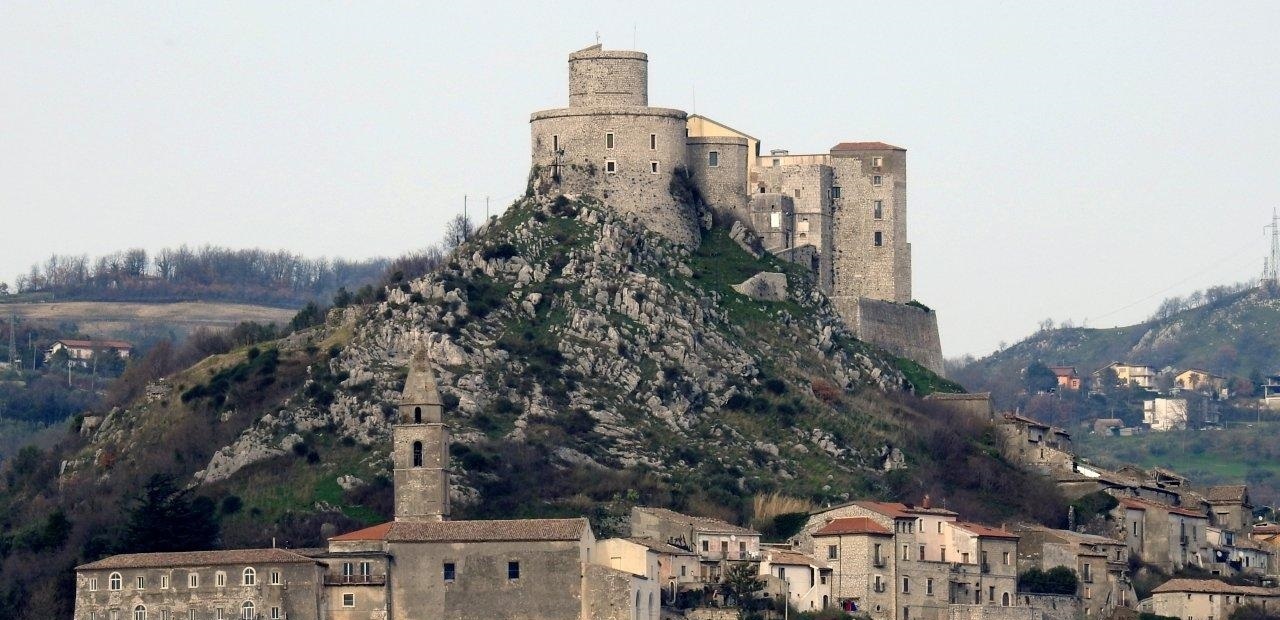
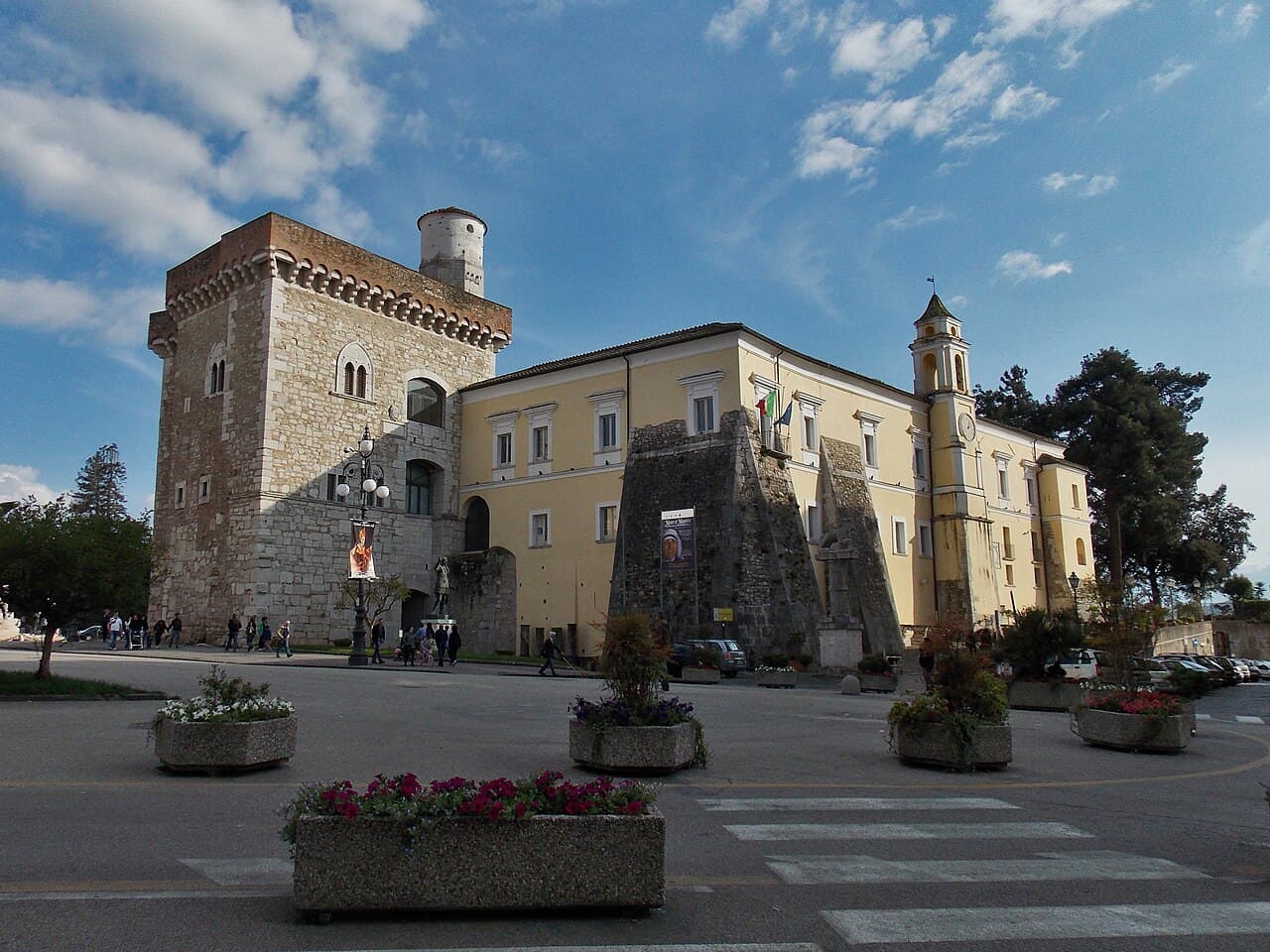
The Rocca dei Rettori stands as a monumental hill castle in the historic center of Benevento, Italy. Its strategic location at the highest point of the old city underscores its long-standing military and administrative significance. Originally constructed by the Lombards in the 8th century, the castle embodies a rich architectural and historical palimpsest that reflects continuous occupation and transformation from prehistoric eras through the modern period.
Archaeological investigations reveal that the site of Rocca dei Rettori has been a focal point of human activity since prehistoric times. During the Orientalizing period (7th to 6th century BCE), it functioned as a necropolis, later overlain by tombs from the Samnite civilization. The Samnites fortified the site in the 4th century BCE with an agger — a defensive earthwork — establishing it as a key military post in the region. This early fortification laid the groundwork for the castle's enduring defensive role.
In the Roman era, the site was integrated into the urban infrastructure of Benevento, featuring a Castellum aquae — a water reservoir connected to the renowned Serino aqueduct. Remnants of this ancient hydraulic structure remain visible today within the castle gardens, providing tangible links to the city's Roman past.
The Lombard foundation and medieval expansions
With the arrival of the Lombards in the 8th century, the eastern defensive walls of the original fortifications were incorporated into the city's defenses. The Lombards also established a Benedictine nunnery, Santa Maria a Porta Somma, near the western wing of the future castle. Under Duke Arichis II in 771, a fortified palace known as Castrum vetus was constructed adjacent to the monastery. This structure was expanded in the 11th century, involving significant modifications to the earlier Samnite agger and Roman aqueduct remains, reflecting the evolving defensive needs and architectural styles of the medieval period.
Transformation under papal authority
After a period of decline, the castle complex was revitalized beginning in 1321 by order of Pope John XXII. The pope commissioned Guglielmo di Balaeto, then rector of Benevento, to transform the site into a fortified residence for the papal rectors. This renovation created a fully enclosed castrum and palatium, surrounded by walls and moats with three drawbridges. The Benedictine nuns were relocated to the monastery of San Pietro to facilitate this transformation.
Further expansions in the late 16th century added south and southwest wings, forming a distinctive G-shaped plan around an inner courtyard. This courtyard featured a defensive walkway, emphasizing the castle's dual role as a residence and fortress. From 1586, the castle began its conversion into a prison, a function it maintained until 1865, marking a significant chapter in its history.
Architectural features and notable structures
The Torrione tower
The Torrione is the castle's most prominent feature, a large polygonal tower approximately 28 meters tall. Originally built by the Lombards, it incorporates repurposed Roman stones on its eastern side, symbolizing the layered history of the site. The tower is characterized by double ogival windows and two small turrets rising from its terrace. Due to renovations in the 15th century, it is also known as Castrum novum or "new castle," reflecting its updated defensive capabilities.
Palazzo dei Governatori Pontifici
The Palazzo dei Governatori Pontifici (Palace of the Pontifical Governors) forms the core residential building of the complex. It has a rectangular layout with three floors arranged around an internal courtyard. The courtyard blends ancient defensive elements such as barbicans with neoclassical architectural details, including framed windows and a colonnade topped by a tympanum. A modern glass facade overlooks the courtyard, merging historical and contemporary design.
The palace's ground floor houses former prison cells, a reminder of its penal history. A double staircase accessed by a ramp leads to the first floor, where spacious salons are adorned with 18th-century wooden ceilings decorated with floral motifs. Recent restorations have preserved these interiors, which had undergone modifications for office use in earlier periods.
Gardens, monuments, and archaeological remnants
Behind the palace lies an elevated garden planted with trees and accessible via a ramp at the western entrance. The garden's southern edge rises dramatically over a cliff face that contains a lapidarium — a collection of stone artifacts including Roman milestones from the ancient Via Traiana and architectural fragments such as twisted columns found nearby. This space also features modern artworks, creating a dialogue between past and present artistic expressions.
Near the garden entrance stands the Monumento del Leone (Lion Monument), sculpted in 1640 to honor Pope Urban VIII. This medieval lion symbolizes the vigilance and strength of the ancient Samnite people. The sculpture rests on an octagonal pedestal richly decorated with reused Roman elements, further emphasizing the site's historical continuity.
At the entrance to the Castrum novum, visitors encounter a bronze statue of Emperor Trajan. This modern replica of an ancient marble original from Minturno connects the castle to the broader Roman imperial heritage and underscores Benevento's historical importance.
Historical significance and notable figures
The Rocca dei Rettori has witnessed numerous historical events and housed several notable figures. Carlo d’Artus was imprisoned here under suspicion related to the murder of Queen Joanna I's first husband. In 1385, Pope Urban VI sought refuge within the castle walls during turbulent times. The castle also detained Ambrogio, abbot of Santa Sofia, under orders from King Ladislaus of Naples, who later ordered his release. Furthermore, the renowned condottiero Muzio Attendolo Sforza was held captive here between 1415 and 1416 by Giacomo della Marra.
These episodes highlight the castle’s role as a center of political power, military strategy, and judicial authority across centuries, reflecting the complex history of Benevento and the wider region.
Preservation and current status
Today, the Rocca dei Rettori is a well-preserved monument reflecting a mosaic of historical periods, architectural styles, and functions. It remains an essential cultural landmark in Benevento, attracting visitors interested in its multifaceted history and architectural grandeur. The castle’s combination of Lombard military architecture, medieval fortifications, and early modern palatial elements offers a unique glimpse into the evolution of castle design and urban defense over more than a millennium.
Its integration of archaeological remains, such as Roman waterworks and Samnite fortifications, alongside Renaissance and Baroque modifications, makes it a valuable site for understanding the historical layering typical of Italian hill castles. The Rocca dei Rettori continues to be a testament to Benevento's strategic importance and rich cultural heritage.
Frequently asked questions (FAQ)
- How do I get to Rocca dei Rettori?
- Rocca dei Rettori is located in the heart of Benevento, Italy, making it easily accessible by public transport or car. If traveling by train, the castle is a short walk from the Benevento train station. Local buses also connect various parts of the city to the castle.
- What is the historical significance of Rocca dei Rettori?
- Rocca dei Rettori is a historic fortress that dates back to the 12th century and served as the residence of the bishops of Benevento. The castle played a crucial role in the defense of the city and has witnessed numerous historical events throughout its existence. Its architecture reflects the turbulent history of the region, making it a significant landmark.
- When was Rocca dei Rettori built?
- The construction of Rocca dei Rettori began in the 12th century, with significant modifications and expansions occurring in subsequent centuries. Originally built as a fortification, the castle has evolved over time to serve various purposes, including that of a residence for bishops. Its long history adds to its allure as a tourist destination.
- Can I visit Rocca dei Rettori year-round?
- Yes, Rocca dei Rettori is open to visitors throughout the year, although hours may vary by season. It’s advisable to check the official website for the most up-to-date information on opening hours and any potential closures. Visiting during the spring and fall can offer a more pleasant climate for exploration.
- Why is Rocca dei Rettori a popular tourist attraction?
- Rocca dei Rettori attracts visitors due to its impressive architecture, rich history, and stunning views of the surrounding area. The castle's well-preserved structure allows guests to step back in time and experience the medieval atmosphere. Additionally, its location in Benevento, a city filled with historical significance, makes it a must-visit for history enthusiasts.
- Is it possible to take guided tours of Rocca dei Rettori?
- Yes, guided tours are available at Rocca dei Rettori, providing in-depth insights into the castle's history and architecture. These tours are typically conducted by knowledgeable guides who can share fascinating stories and details that enhance the visitor experience. Be sure to check for availability and any associated costs prior to your visit.
- What are the ticket prices for Rocca dei Rettori?
- Ticket prices for Rocca dei Rettori are generally affordable, with discounts available for students, seniors, and groups. Children under a certain age may enter for free, making it a family-friendly destination. For the latest pricing information, it's best to visit the official website before your trip.
- What are the opening hours for Rocca dei Rettori?
- Rocca dei Rettori typically opens in the morning and closes in the late afternoon, but hours can vary depending on the season and any special events. It is advisable to check the castle's official website or contact the visitor center for the most accurate and current opening hours. Planning your visit around these hours ensures you have ample time to explore the site.
- What nearby attractions can I visit while at Rocca dei Rettori?
- While visiting Rocca dei Rettori, you can also explore other nearby attractions such as the Arch of Trajan and the Church of Santa Sofia, both significant historical sites in Benevento. The city is rich in culture and history, offering numerous cafes and shops for visitors to enjoy. Taking a leisurely stroll around the city allows you to fully appreciate its charm and heritage.
Photo gallery

Information
Website
Visit websiteSources & official resources
Verify the information above using these authoritative references.
Loading map...
Visitor reviews
No reviews yet. Been here? Write the first review and help other travelers!
Write the first reviewVisited this castle? Share your experience
Your review helps other travelers and adds first-hand knowledge to our encyclopedia.