Rocca dei Borgia
The Rocca dei Borgia, also known as Castello Borgia or Rocca di Nepi, is a prominent 16th-century Renaissance hill castle located in the town of Nepi, within the province of Viterbo, Italy. This castle is historically significant for its association with the infamous Borgia family, particularly Lucrezia Borgia, who is believed to have commissioned substantial refurbishments during the Renaissance period.
Historical background and Borgia family connection
The castle's origins predate the 16th century, but it was during the Renaissance that the structure gained its distinctive form and fortifications. The Borgias, a powerful and controversial family of Spanish origin who rose to prominence in Italy during the Renaissance, undertook major renovations to transform the castle into a formidable defensive stronghold and a symbol of their influence in the region. Lucrezia Borgia, daughter of Pope Alexander VI, is traditionally credited with the castle's refurbishment, which enhanced its military and residential features.
Architectural features and layout
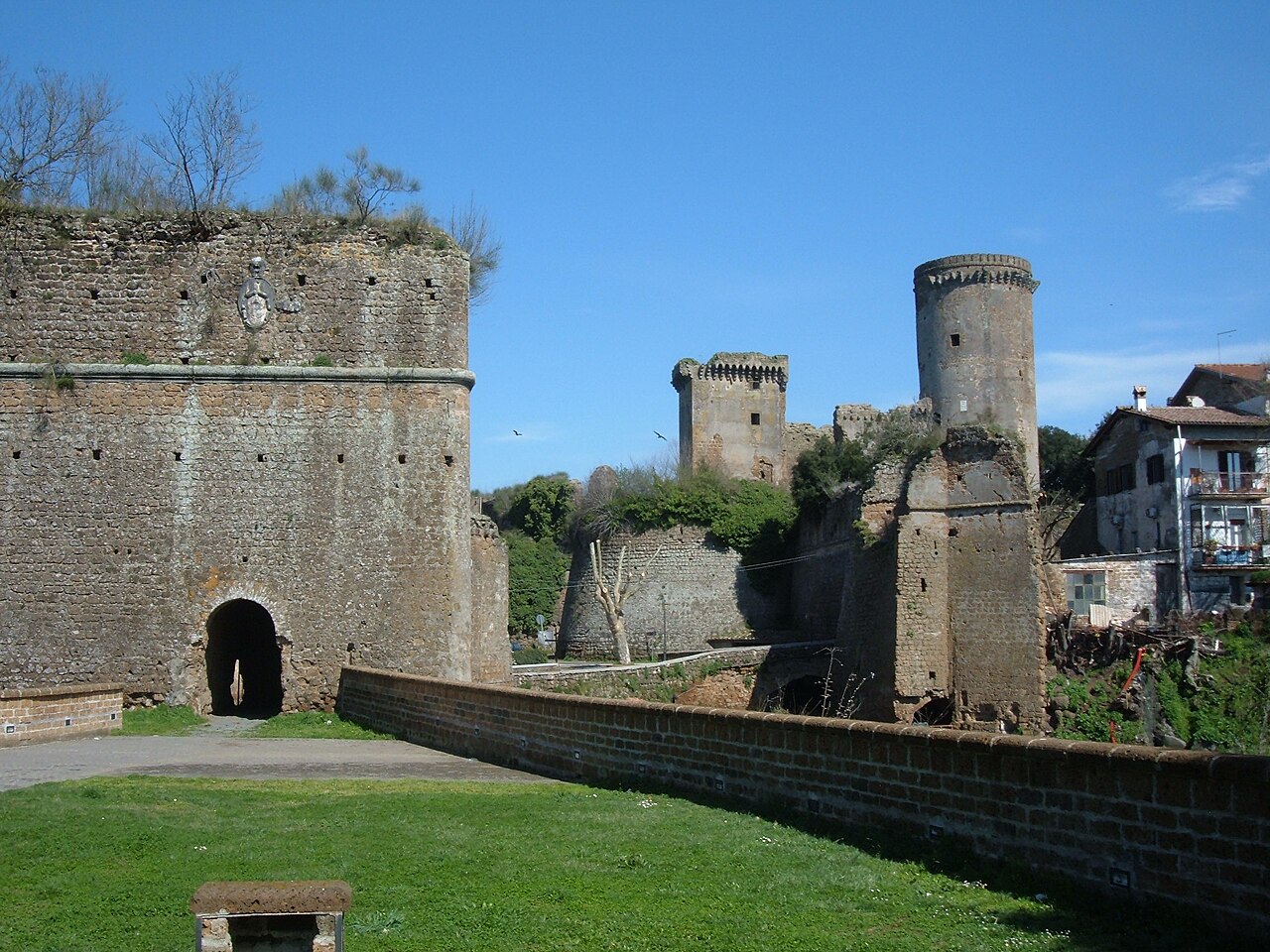
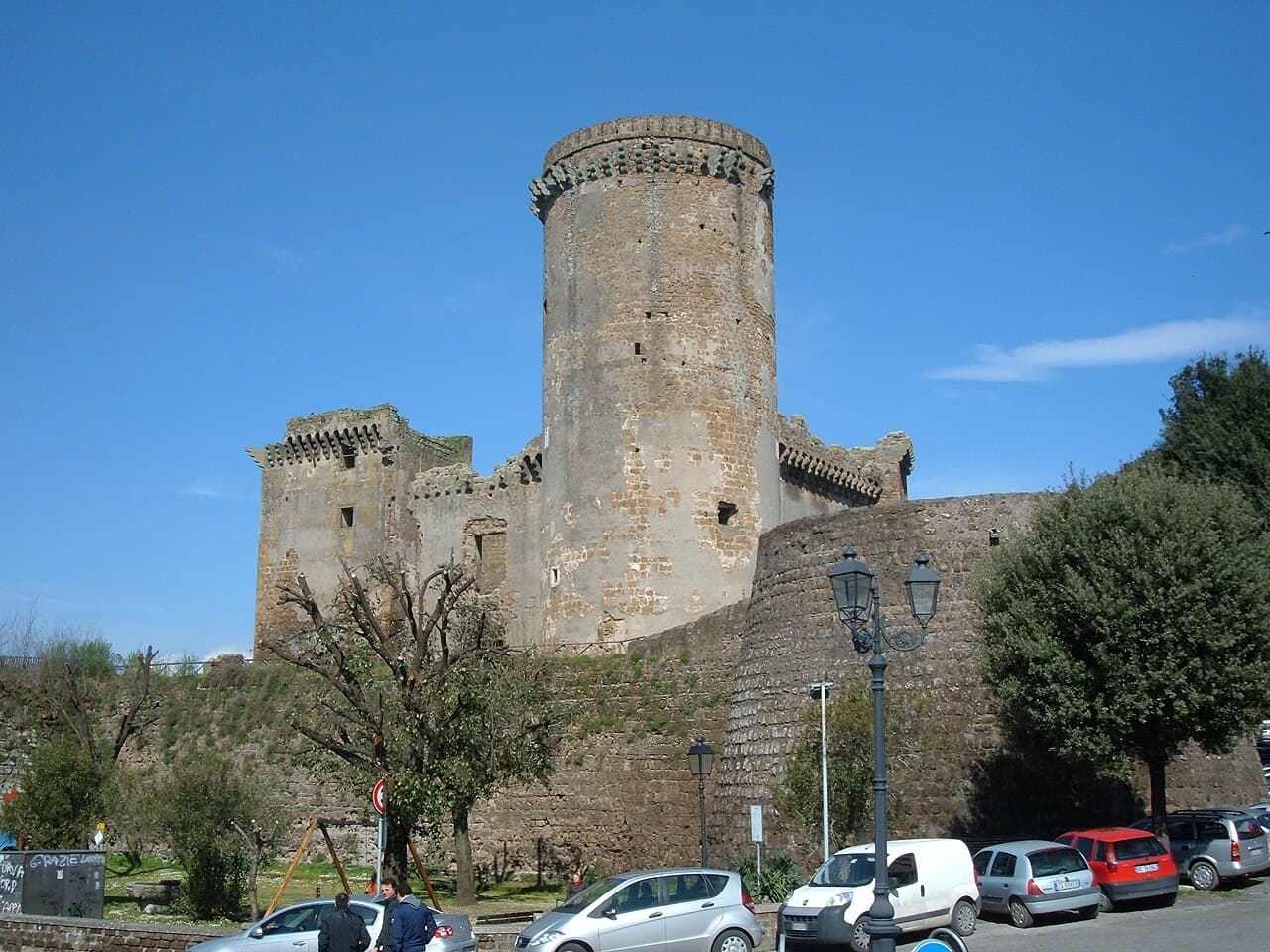
The Rocca dei Borgia is characterized by its strategic location atop a hill, which provides commanding views of the surrounding countryside. The castle is designed around a large square piazza enclosed by robust stone walls on all sides. Each corner of the square is fortified with a circular tower, which served both as lookout points and defensive bastions. These towers are typical of Renaissance military architecture, combining functionality with aesthetic symmetry.
The castle's walls are thick and high, constructed to withstand artillery attacks that became common during the Renaissance. The entrance is fortified with a gatehouse that likely included defensive mechanisms such as a drawbridge or portcullis, though specific details are less documented. Inside the walls, the piazza would have contained various buildings for residential, administrative, and military purposes, arranged to support the castle's dual role as a fortress and noble residence.
Defensive innovations
Reflecting Renaissance military advancements, the castle incorporates features designed to resist cannon fire and siege warfare. The circular towers minimized blind spots and allowed for crossfire coverage, while the thick walls absorbed and deflected artillery impacts. The castle's hilltop position further enhanced its defensibility by making direct assaults more difficult.
The castle's role in local history
Throughout its history, the Rocca dei Borgia played a significant role in the control and defense of Nepi and the surrounding territories. It was a symbol of the Borgia family's power and their political ambitions in central Italy. Over the centuries, the castle witnessed various conflicts and changes in ownership, reflecting the turbulent history of the region during and after the Renaissance.
Later history and preservation
In the centuries following the Renaissance, the castle's military importance declined, and it underwent periods of neglect and partial restoration. Today, the Rocca dei Borgia stands as a well-preserved example of Renaissance fortification architecture. Its imposing walls and towers attract visitors interested in history, architecture, and the legacy of the Borgia family.
Visiting the Rocca dei Borgia
The castle is accessible to visitors who wish to explore its historical and architectural significance. Its location in Nepi makes it a notable landmark in the province of Viterbo. Visitors can appreciate the castle's imposing structure, panoramic views from the towers, and the atmosphere of a Renaissance fortress that has survived the centuries.
Frequently asked questions (FAQ)
- What is the historical significance of Rocca dei Borgia?
- Rocca dei Borgia is a 15th-century fortress that played a crucial role in the power struggles of the Borgia family in Italy. It served as a strategic stronghold and a symbol of the family's influence during the Renaissance period, reflecting the political and architectural advancements of the time.
- When was Rocca dei Borgia built?
- Construction of the Rocca dei Borgia began in 1450 and was completed in the early 16th century. The castle was commissioned by Cardinal Rodrigo Borgia, who later became Pope Alexander VI, highlighting its importance in both local and ecclesiastical history.
- Can I visit Rocca dei Borgia?
- Yes, Rocca dei Borgia is open to visitors who wish to explore its rich history and stunning architecture. Guided tours are available, allowing guests to learn about the castle's significance and enjoy panoramic views of the surrounding landscape.
- What are the opening hours of Rocca dei Borgia?
- Rocca dei Borgia typically opens to visitors from 9 AM to 7 PM, but hours may vary seasonally. It is recommended to check the official website for the most up-to-date information before planning your visit.
- Is it possible to access Rocca dei Borgia with a wheelchair?
- Yes, Rocca dei Borgia is equipped with facilities to assist visitors with mobility challenges. However, some areas may have limited access due to the castle's historical architecture, so it's advisable to contact the castle staff for specific accessibility details.
- What is the best time to visit Rocca dei Borgia?
- The best time to visit Rocca dei Borgia is during the spring and early fall when the weather is pleasant, and the tourist crowds are smaller. This allows for a more enjoyable experience as you explore the castle and its surroundings.
- How much do tickets cost to enter Rocca dei Borgia?
- Ticket prices for Rocca dei Borgia vary depending on age and group discounts, typically ranging from €5 to €10 for adults. Children and students often receive reduced rates, and family passes may also be available for a better value.
- Are there any nearby attractions to visit while in Nepi?
- Yes, while visiting Rocca dei Borgia, you can also explore the charming town of Nepi, known for its medieval architecture and beautiful fountains. Nearby attractions include the Church of Santa Maria della Provvidenza and the ancient Roman aqueduct, making it a perfect day trip.
Photo gallery

Information
Loading map...
Visitor reviews
No reviews yet. Been here? Write the first review and help other travelers!
Write the first reviewVisited this castle? Share your experience
Your review helps other travelers and adds first-hand knowledge to our encyclopedia.