Castello Borgia
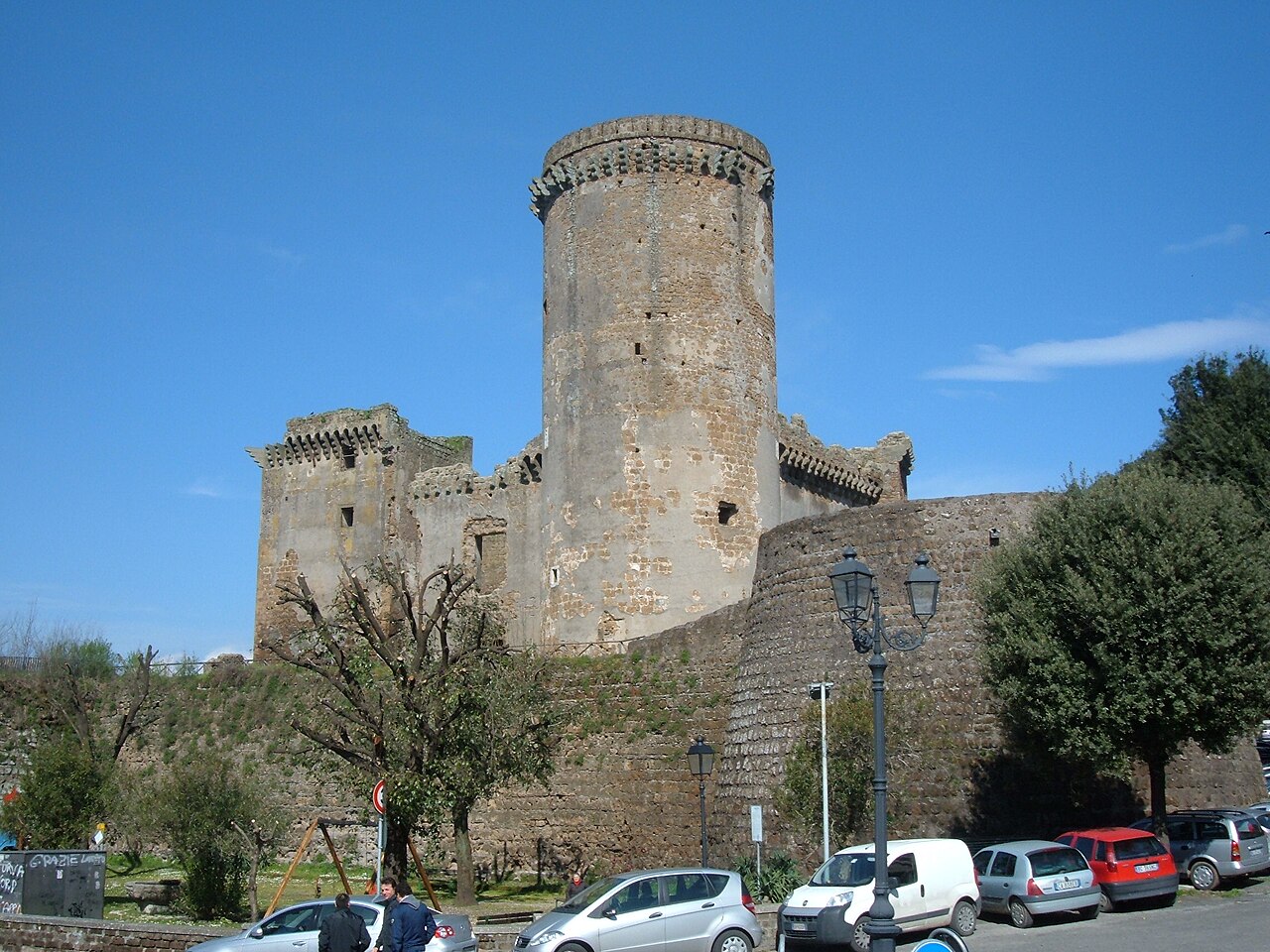
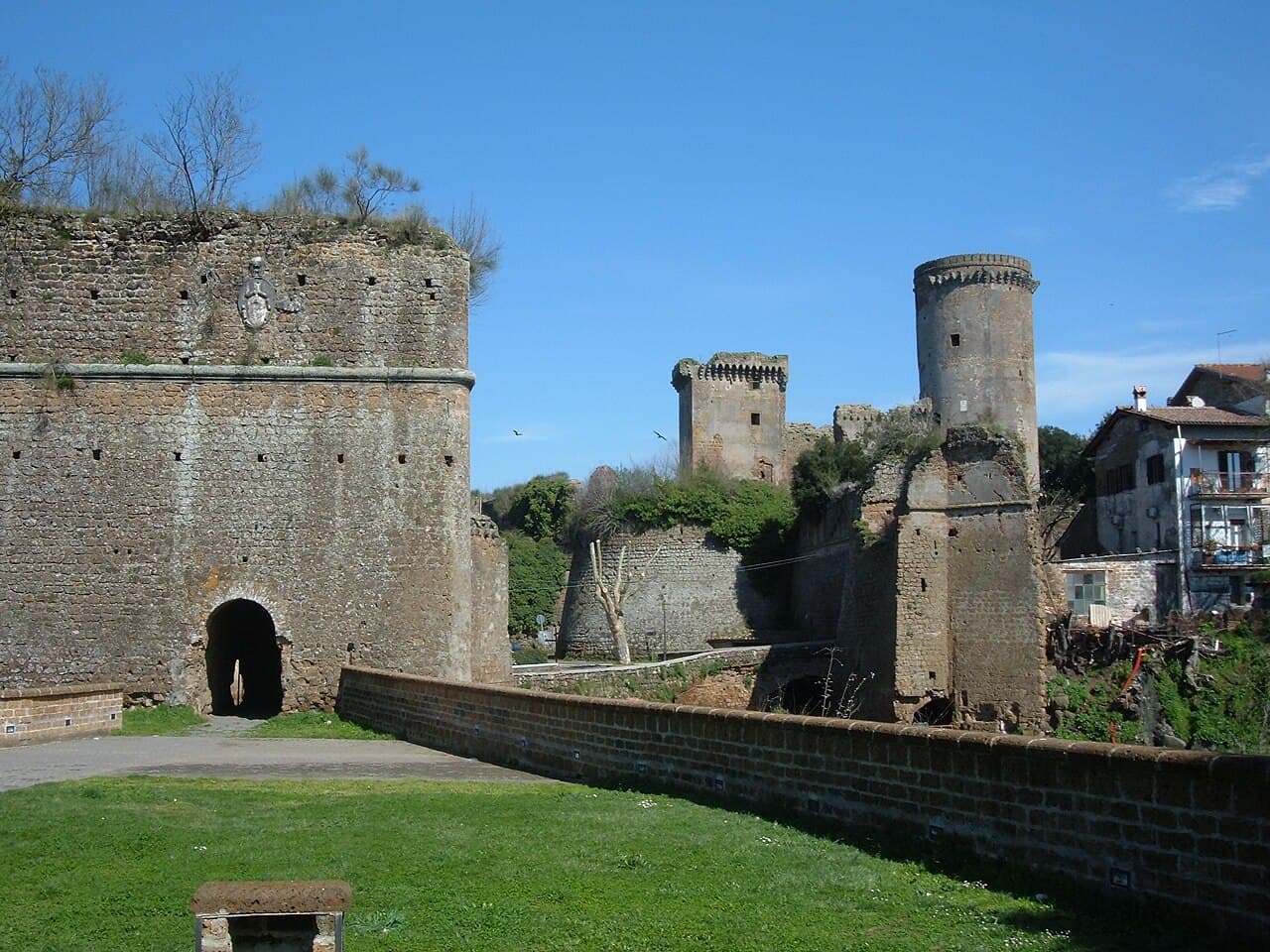
Castello Borgia is a remarkable historic hill castle located in Nepi, in the province of Viterbo, Italy. Originally constructed in the medieval period, the castle gained its present form during the 16th century when it was refurbished for the Borgia family, notably Lucrezia Borgia. This castle stands out for its blend of medieval military architecture and later neo-Gothic stylistic enhancements, reflecting centuries of transformation and noble ownership.
Situated on a wooded hill, the castle commands strategic views over the surrounding landscape, including the picturesque Lake Trasimeno. Its location was historically significant, serving as a military outpost near the border between the Papal States and the Grand Duchy of Tuscany. This positioning underscores its original defensive role during the turbulent Middle Ages.
Historical development and ownership
The earliest form of the castle was a fortified tower accompanied by auxiliary structures such as a mill. These features highlight its initial function as a lookout and a defensive site. In the 16th century, the estate came under the ownership of the descendants of Ippolita Borgia, a member of the Borgia family lineage connected to Cesare Borgia. This branch, known as the Borgia dei Sulpizi, transformed the modest military post into a more elaborate castle complex.
During the 17th century, the family incorporated the Meniconi surname, and the castle remained a symbol of their noble status. The last heir of this line, Tiberio, appointed Ippolito, a maternal descendant of Duke Valentino, as his successor, maintaining the castle within the extended Borgia family network.
In the late 18th century, the Borgia Mandolini family, who had been elevated to comital rank by the Pope, undertook significant renovations. They remodeled the castle in an eclectic style with pronounced neo-Gothic influences, converting it into a noble summer residence. Despite primarily residing in Perugia, the family preserved the castle as a seasonal home, linking it to other nearby properties such as those around the Mongiovino church.
Following the Borgias, ownership passed to the Massini Nicolai marquises from Florence, who expanded the castle further, incorporating Tuscan medieval architectural elements. In 1933, industrialist Ottavio Palombaro acquired the property. During World War II, the castle was seized by both Nazi and Allied forces but was eventually returned to the Palombaro family after the conflict.
Architectural features and layout
The castle's core is a large brick and stone structure characterized by a slender cylindrical tower and two lower square towers, which reflect its medieval military origins. These towers served both defensive and residential purposes, typical of hill castles designed to monitor and control the surrounding territory.
A central feature of the complex is a spacious neo-Renaissance courtyard, which includes a monumental staircase leading to the main building. The interior boasts numerous rooms adorned with arches and coffered vaults, showcasing architectural sophistication. A representative hall features period brick flooring and a fireplace decorated with heraldic coats of arms, emphasizing the noble lineage of its occupants.
The noble floor contains frescoes and retains original furnishings such as tapestries, paintings, and chandeliers crafted from wood and wrought iron. These elements contribute to the castle’s historical ambiance and aesthetic appeal.
From the terraces atop the towers, visitors can enjoy panoramic views of Lake Trasimeno, including the island of Polvese and the promontory of Castiglione del Lago. The castle is accessed via a long tree-lined avenue set within a nine-hectare park containing ancient trees, enhancing its stately presence.
Neo-Gothic architectural details remain visible throughout the castle, particularly from the 18th-century renovations, blending medieval defensive features with romantic stylistic flourishes typical of the period.
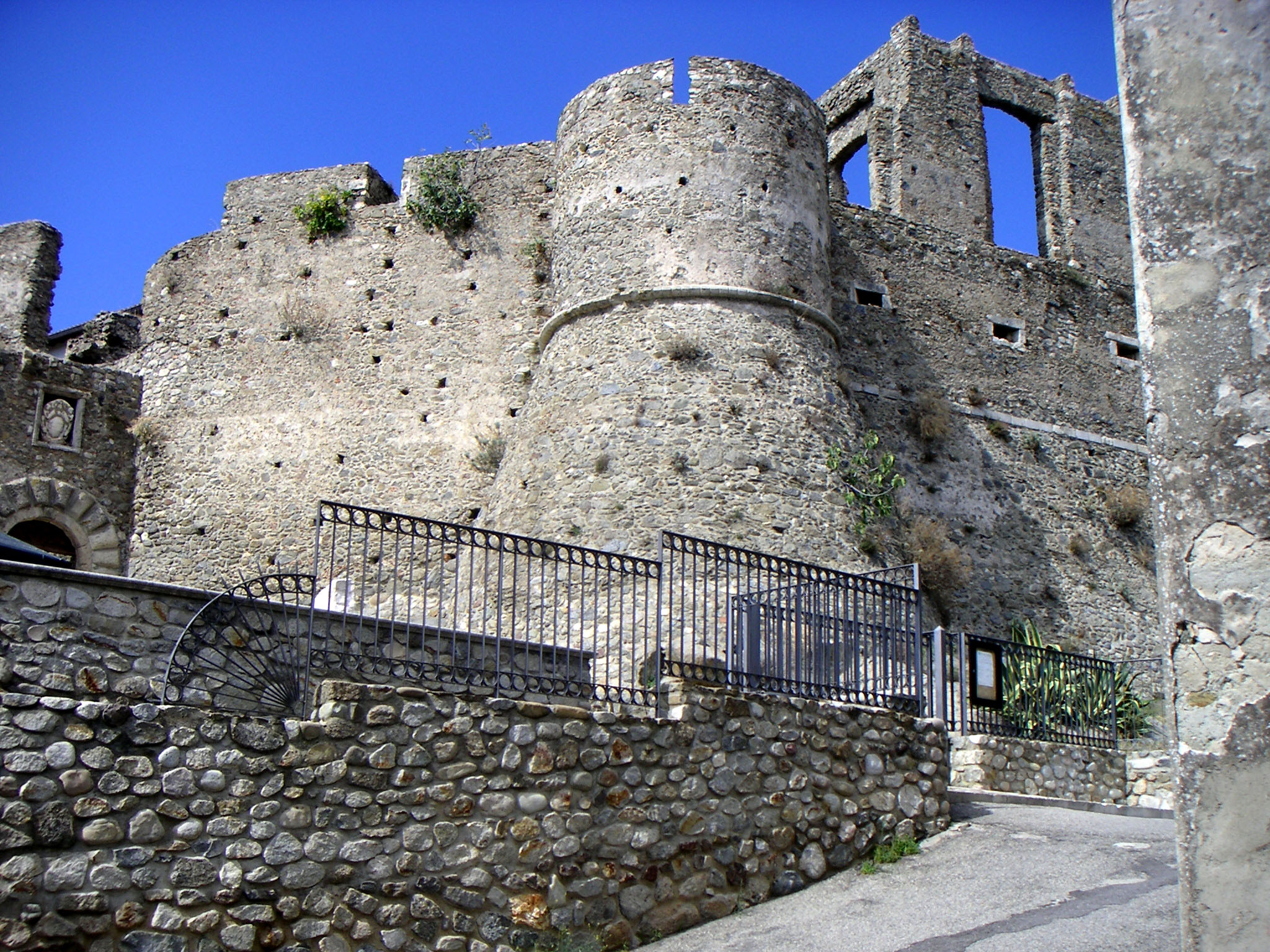
Photo by Jelly • CC BY-SA 3.0
Chapel and cultural significance
The castle chapel houses an ex-voto left by Tiberio Borgia Sulpizi Mandolini, expressing gratitude to the Madonna for saving him from drowning in nearby Lake Trasimeno. This artifact serves as a poignant historical and religious testament within the castle.
While no other inscriptions or archaeological finds such as tools or pottery have been documented at the site, the castle’s layered history and architectural evolution provide rich insights into the region’s noble families and their shifting fortunes.
The castle is also associated with esoteric and supernatural tales, notably recounted by Giorgio Harold Stuart, an Anglo-Tuscan writer who once managed the Palombaro estate. These stories add a layer of local legend and mystique, enhancing the cultural significance of Castello Borgia beyond its architectural and historical importance.
Visiting Castello Borgia today
Today, Castello Borgia remains a prominent historic landmark in Nepi, attracting visitors interested in medieval and neo-Gothic architecture, noble heritage, and panoramic natural scenery. Its combination of defensive structures, elegant renovations, and scenic location offers a multifaceted experience for tourists and scholars alike.
The castle’s preservation allows for exploration of its architectural details, frescoes, and period furnishings, providing a tangible connection to Italy’s complex feudal and noble past. The surrounding park and views of Lake Trasimeno further enhance its appeal as a destination for cultural tourism.
Frequently asked questions (FAQ)
- How do I get to Castello Borgia?
- Castello Borgia is located in Nepi, Italy, and can be easily accessed by car or public transportation. The nearest train station is in the town of Nepi, from where you can take a short taxi ride or walk to the castle.
- What is the historical significance of Castello Borgia?
- Castello Borgia is known for its rich history, particularly its association with the Borgia family during the Renaissance period. It served as a strategic fortress and residence, showcasing the power and influence of the Borgia lineage in Italy.
- When was Castello Borgia built?
- Construction of Castello Borgia began in the late 15th century, with significant modifications and expansions occurring over the years. The castle exhibits a blend of architectural styles that reflect the era's evolving design principles.
- Can I take guided tours of the castle?
- Yes, guided tours of Castello Borgia are available and provide visitors with in-depth insights into the castle's history and architecture. Tours are typically conducted in multiple languages, making it accessible for international visitors.
- Why is Castello Borgia considered an architectural gem?
- Castello Borgia is considered an architectural gem due to its impressive combination of medieval and Renaissance styles, characterized by robust fortifications and elegant living spaces. The castle's design reflects the strategic military needs of its time while incorporating aesthetic elements that enhance its historical significance.
- Is it possible to visit the castle year-round?
- Yes, Castello Borgia is open to visitors year-round, although specific opening hours may vary by season. It's recommended to check the official website for the latest information on visiting hours and any potential closures.
- What are the ticket prices for visiting Castello Borgia?
- Ticket prices for Castello Borgia typically range from €5 to €10, with discounts available for students and seniors. Children under a certain age may enter for free, making it an affordable outing for families.
- What is the best time to visit Castello Borgia?
- The best time to visit Castello Borgia is during the spring and fall months when the weather is mild and comfortable for exploring the castle grounds. Additionally, these seasons tend to attract fewer tourists, allowing for a more enjoyable and intimate experience.
- Are there any nearby attractions to visit while in Nepi?
- Yes, while in Nepi, visitors can explore other attractions such as the historic town center, beautiful gardens, and various local restaurants offering traditional Italian cuisine. The surrounding countryside also provides opportunities for hiking and enjoying the scenic landscape.
Photo gallery


Information
Website
Visit websiteSources & official resources
Verify the information above using these authoritative references.
Loading map...
Visitor reviews
No reviews yet. Been here? Write the first review and help other travelers!
Write the first reviewVisited this castle? Share your experience
Your review helps other travelers and adds first-hand knowledge to our encyclopedia.