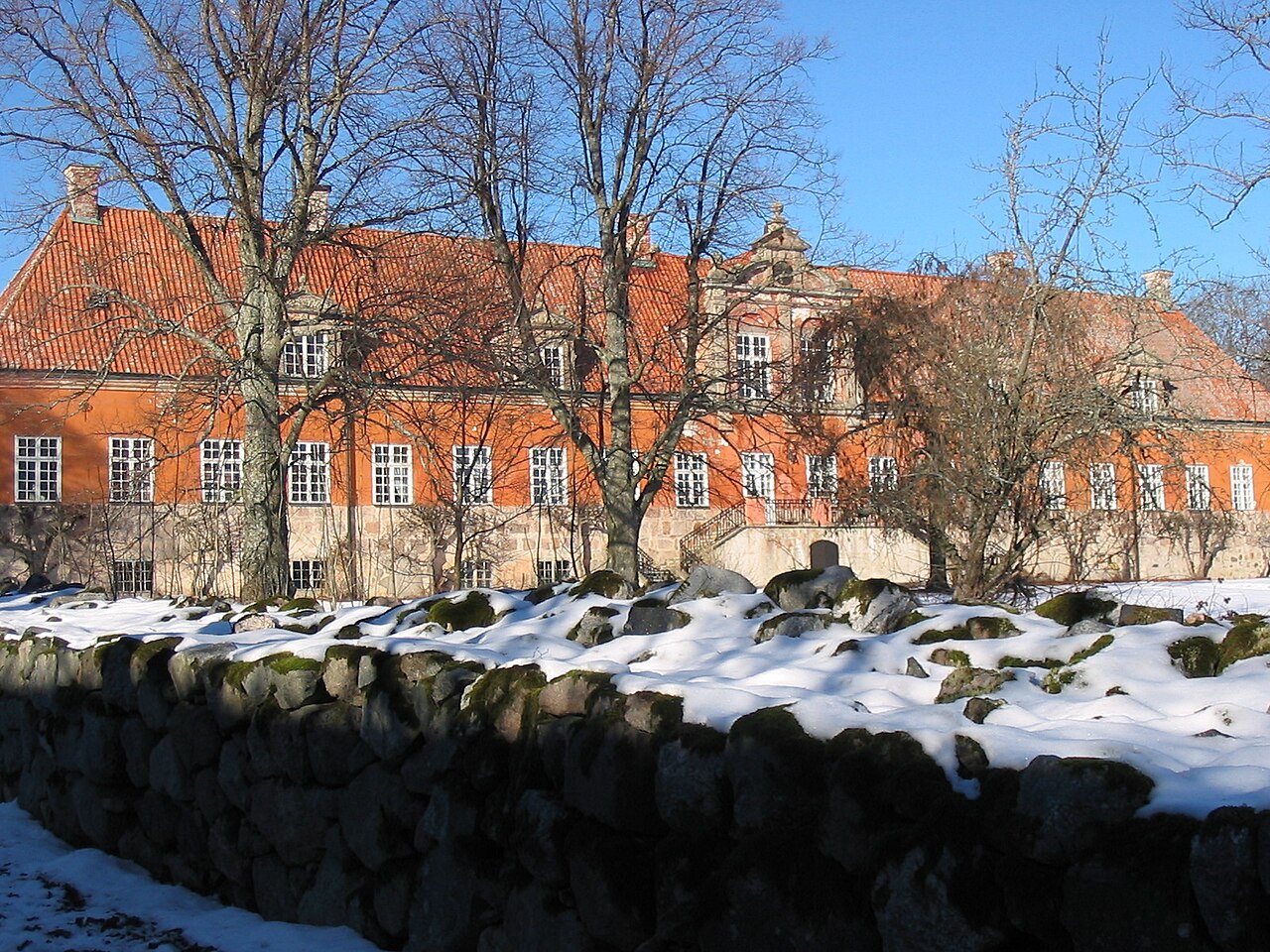
Rinkesta — Sweden castle

Rinkesta

Rinkesta Castle in Eskilstuna Municipality, Sweden
Eskilstuna Municipality, Sweden

Rinkesta Castle is a historically significant hill castle located in the Eskilstuna Municipality of Södermanland, Sweden. Situated in Ärla parish, it lies south of Norrsjön and north of Sörsjön, surrounded by the characteristic Swedish landscape of lakes and forests. The castle's location on elevated terrain provided strategic advantages typical of hill castles, offering natural defense and commanding views of the surrounding countryside.

Historical background and location

The origins of Rinkesta Castle trace back to the medieval period, although the exact date of its initial construction is not precisely documented. The castle has been associated with various noble families over the centuries, reflecting the typical Swedish manorial estate development during the Middle Ages and later periods. Its position in Södermanland, a region rich with historical estates and castles, underscores its role in the local aristocratic and agricultural history.

Architectural features and layout

As a hill castle, Rinkesta was built to take advantage of the natural elevation, which enhanced its defensive capabilities. The estate traditionally includes a main manor house surrounded by ancillary buildings such as stables, barns, and service structures, arranged around courtyards. While specific details about fortifications like walls or moats are limited, the castle's design likely incorporated typical features of Swedish manorial residences, blending defensive elements with residential comfort.

The architecture of Rinkesta reflects a blend of styles resulting from renovations and expansions over several centuries. Elements of Renaissance and later architectural influences may be present, although the core structure retains characteristics of earlier periods. The manor house is typically constructed with sturdy masonry, featuring pitched roofs and traditional Swedish wooden details.

Ownership and cultural significance

Throughout its history, Rinkesta Castle has been owned by various noble families, contributing to its development and preservation. The estate has played a role in the agricultural and social history of Södermanland, serving as a center for local governance and rural economy. Its cultural significance is tied to its representation of Swedish aristocratic life and architectural evolution from the medieval period onward.

Current status and accessibility

Today, Rinkesta Castle remains a notable landmark within Eskilstuna Municipality. While it is primarily a private estate, its historical and architectural value is recognized locally. The castle and its surroundings offer insight into Sweden's manorial traditions and the evolution of noble residences in the region. Visitors interested in Swedish castles and history may appreciate the castle's setting, although public access may be limited due to private ownership.

Surrounding environment and tourism

The castle's location near lakes Norrsjön and Sörsjön provides a scenic backdrop typical of the Södermanland countryside. The area is popular for outdoor activities such as hiking, fishing, and boating, complementing visits to historical sites like Rinkesta. Nearby towns in Eskilstuna Municipality offer additional cultural and historical attractions, enhancing the visitor experience.

Frequently asked questions (FAQ)

What is the historical significance of Rinkesta Castle?
Rinkesta Castle, located in Eskilstuna Municipality, is a remarkable example of 17th-century Swedish architecture. Its history is intertwined with local nobility and reflects the political and cultural landscape of the period, making it a vital part of Sweden's heritage.
When was Rinkesta Castle built?
Rinkesta Castle was constructed in the early 17th century, with its completion dating back to 1640. This historic structure has undergone various restorations over the centuries, preserving its architectural integrity and historical value.
Can I visit Rinkesta Castle?
Yes, Rinkesta Castle is open to visitors, offering guided tours that allow you to explore its rich history and stunning architecture. Check the castle's official website for specific visiting dates and tour schedules.
What are the opening hours for Rinkesta Castle?
Rinkesta Castle typically opens from May through September, with varying hours depending on the day of the week. It's advisable to verify the current opening hours on the castle's website before planning your visit.
Is it possible to access Rinkesta Castle by public transportation?
Yes, Rinkesta Castle is accessible via public transportation, with several bus routes operating in the Eskilstuna Municipality area. Visitors can easily reach the castle from nearby towns and cities, making it a convenient destination.
What is the best time to visit Rinkesta Castle?
The best time to visit Rinkesta Castle is during the summer months when the weather is pleasant, and the castle hosts various events and activities. This period also allows you to enjoy the beautiful surrounding gardens and grounds.
Are there any nearby attractions to visit along with Rinkesta Castle?
Yes, nearby attractions include the Eskilstuna Art Museum and the beautiful Munktell Museum, which showcases the industrial history of the region. Combining these sites with your visit to Rinkesta Castle makes for a rich cultural experience.
What are the ticket prices for visiting Rinkesta Castle?
Ticket prices for Rinkesta Castle vary depending on the type of tour and the visitor's age. Discounts may be available for students, seniors, and groups, so be sure to check the website for detailed pricing information before your visit.
How do I get more information about Rinkesta Castle?
For more information about Rinkesta Castle, including upcoming events and detailed visitor guidelines, visit the official website or contact their visitor information center. They provide comprehensive details to enhance your experience.

Photo gallery

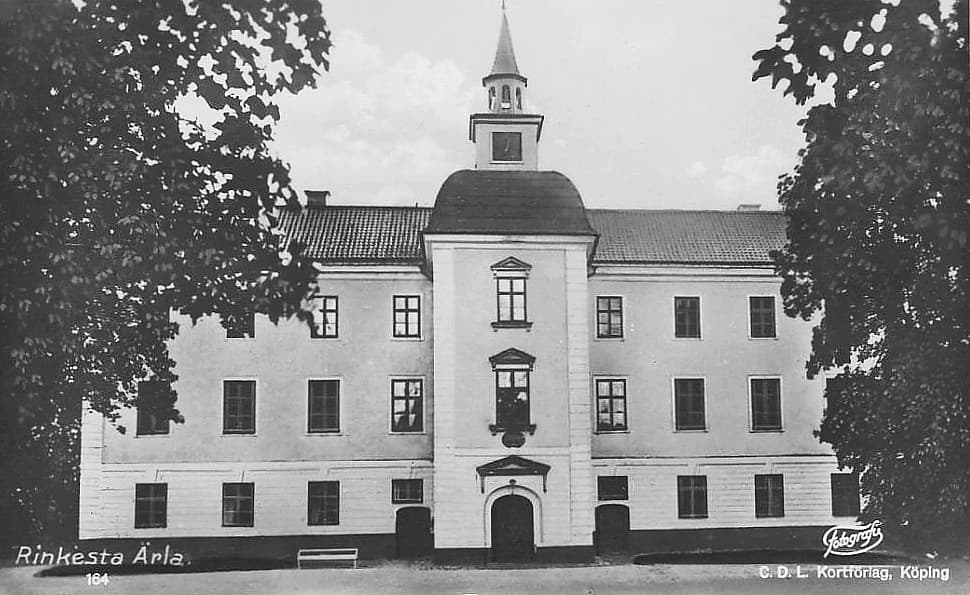
Rinkesta
Click to view

Photo by C.C.L. Kortförlag Köping•Public domain

1 photo • Click any image to view in full screen

Information

Hill Castle

Loading map...

Visitor reviews

No reviews yet. Been here? Write the first review and help other travelers!

Write the first review

Visited this castle? Share your experience

Your review helps other travelers and adds first-hand knowledge to our encyclopedia.
Write a review

(5/5)

0/2000 characters

Your review will be visible after admin approval

Nearby castles

11.5 km
Sundbyholm Castle — Sweden castle

Sundbyholm Castle

Eskilstuna, Sweden

Sundbyholm Castle stands as a distinguished example of 17th-century Renaissance architecture in Sweden, located near the town of Eskilstuna on the southern shore of Lake Mälaren. Originally part of an estate owned by the Order of St. John, which maintained an abbey in Eskilstuna, the property was confiscated by the Crown following the Reformation. This transition marked a significant shift in ownership and use, reflecting the broader religious and political changes sweeping Sweden during the early modern period. The core of Sundbyholm Castle was constructed in 1648 by Carl Gyllenhielm, the Admiral of the Navy and illegitimate son of King Charles IX of Sweden. Gyllenhielm was granted the estate in 1627, and under his direction, the castle was built as a fortified residence that combined both defensive and residential functions typical of Renaissance manors. The castle's design integrates elements characteristic of the Renaissance style, including symmetrical layouts, classical proportions, and decorative details that emphasize balance and harmony. Architectural features and layout Sundbyholm Castle is classified as a hill castle, situated on elevated ground that overlooks the surrounding landscape and the expansive waters of Lake Mälaren. This strategic positioning provided natural defense advantages and commanding views, which were important considerations for noble residences of the period. The castle complex includes a main building with robust stone walls, rectangular towers, and a courtyard that was historically enclosed by ancillary buildings and defensive walls. The Renaissance influence is evident in the castle's orderly façade and the use of classical elements such as pilasters and cornices. The interiors were designed to accommodate both the practical needs of the noble family and the representational functions of a high-status residence. Later modifications and expansions Following its initial construction, Sundbyholm Castle underwent enlargement and modifications under the ownership of Seved Bååts, a notable figure who contributed to the castle's architectural evolution. These changes maintained the Renaissance character while adapting the structure to contemporary needs and tastes. The expansions included additional wings and enhancements to the living quarters, reflecting the castle’s ongoing role as a noble estate. Historical significance and ownership The castle's origins with the Order of St. John link it to the medieval religious military orders that played a significant role in the region's history. The confiscation of the estate during the Reformation represents the secularization of church properties that was common across Europe in the 16th century. The association with Carl Gyllenhielm connects Sundbyholm Castle to the Swedish royal family and the military elite of the time. Gyllenhielm’s naval career and royal lineage underscore the castle’s importance as a symbol of power and prestige. Over the centuries, the estate has passed through various hands, each contributing to its preservation and adaptation. Artistic and cultural importance Sundbyholm Castle is renowned not only for its architecture but also for its picturesque setting and beautiful grounds. The castle and its surrounding landscape have been the subject of numerous artistic works, most famously the painting "The Old Castle" by Prince Eugen, Duke of Närke. This artwork highlights the castle’s aesthetic appeal and its place in Sweden’s cultural heritage. The estate’s location on the shore of Lake Mälaren adds to its scenic charm, with gardens and parklands that have been carefully maintained over the centuries. These grounds contribute to the castle’s reputation as a site of natural beauty and historical interest. Modern use and visitor information Today, Sundbyholm Castle functions as a hotel and event venue, offering facilities for conferences, weddings, and private parties. The castle’s preservation and adaptive reuse allow visitors to experience its historical ambiance alongside modern comforts. The castle's well-preserved condition and accessible location near Eskilstuna make it a popular destination for tourists interested in Swedish history, architecture, and natural landscapes. Its combination of historical significance, architectural merit, and scenic environment positions Sundbyholm Castle as a notable heritage site in the region.

Renaissance (15th–17th c.)
Details
13.7 km

Rinkesta Castle

Eskilstuna, Sweden

Rinkesta Castle is a notable historic estate located in Eskilstuna Municipality within the province of Södermanland, Sweden. The castle's origins are closely tied to prominent Swedish noble families and state officials, reflecting the region's aristocratic history and architectural evolution from the Renaissance onward. Early history and ownership The estate of Rinkesta was originally part of the Swedish crown's holdings but was withdrawn in 1594 when it was granted to Privy Councillor Gustaf Gabrielsson Oxenstierna (1551–1597). Oxenstierna was a significant figure in the Swedish government, and his acquisition marked the beginning of private noble ownership of the estate. The Oxenstierna family was influential in Swedish politics and administration during the late 16th and early 17th centuries. Architectural development and fire damage The main building of Rinkesta Castle suffered a damaging fire in 1698, necessitating substantial repairs. The reconstruction efforts after the fire were crucial in preserving the castle's structure and adapting it to contemporary needs of the period. While the original Renaissance elements remained foundational, the repairs introduced modifications that reflected the architectural trends of the late 17th century. 18th-century renovations and stylistic changes In 1768, the estate was acquired by Thure Leonard Klinckowström (1735–1821), who served as the Swedish Supreme Court marshal (Överstemarskalk). Under Klinckowström's ownership, the castle underwent extensive renovations culminating in 1775. These renovations gave Rinkesta its current appearance, blending Renaissance foundations with 18th-century stylistic influences. The work likely included updates to the castle’s façade, interiors, and possibly the addition or remodeling of outbuildings and gardens to suit the tastes and functions of the time. Architectural features and style Rinkesta Castle is primarily classified within the Renaissance period due to its origins and initial construction phases. However, the extensive 18th-century renovations introduced elements reflecting the architectural sensibilities of the late Baroque or early Neoclassical styles, common in Swedish noble estates of that era. The castle features a prominent main building with symmetrical façades, traditional masonry construction, and carefully proportioned windows and doors. The estate likely includes ancillary structures such as stables, service buildings, and landscaped grounds typical of Swedish manor houses. Historical significance and cultural heritage Rinkesta Castle holds cultural and historical importance as a representation of Swedish noble estates transitioning from royal to private ownership. Its association with figures like Gustaf Gabrielsson Oxenstierna and Thure Leonard Klinckowström highlights its role in Sweden’s political and judicial history. The castle’s survival through fire and renovation illustrates the resilience and adaptability of such estates over centuries. Current status and visitor information Today, Rinkesta Castle remains a well-preserved example of a Swedish Renaissance manor house with later stylistic adaptations. While specific visitor information is limited, the castle is part of the historical landscape of Eskilstuna and Södermanland and may be accessible during special events or by arrangement. Its architectural and historical value continues to attract interest from historians, architects, and visitors to the region.

Renaissance (15th–17th c.)
Details
15 km
Fiholm Castle — Sweden castle

Fiholm Castle

Eskilstuna, Sweden

Fiholm Castle is a notable example of Renaissance architecture located near Eskilstuna in Södermanland County, Sweden. The estate's history dates back to at least 1275, when it was first mentioned in a letter by King Valdemar Birgersson. Over the centuries, Fiholm changed hands several times, reflecting the turbulent political and religious shifts in Sweden. In 1404, it was donated by King Eric of Pomerania to the Eskilstuna monastery, which was managed by the powerful Order of Saint John. Following the Reformation, the monastery was demolished, and in 1562 the estate was granted as a fiefdom to the Privy Council member Kristiernson Gabriel Oxenstierna by King Erik XIV. The most significant phase of Fiholm's development began in the early 17th century when Axel Oxenstierna, one of Sweden's most influential statesmen, inherited the estate in 1617. Oxenstierna planned to transform Fiholm into a grand manor house befitting his status. For this ambitious project, he engaged the young architect Nicodemus Tessin the Elder, who was only 25 years old at the time but would later become one of Sweden's foremost architects. Architectural design and construction Between 1640 and 1642, two magnificent wings were constructed in the Franco-Dutch Renaissance style, showcasing intricate brickwork and elegant gables characteristic of this architectural movement. These wings were intended to flank a central main building, which was designed in 1642 by the French architect Simon de la Vallée. De la Vallée's design reflected the Dutch Renaissance style and was meant to create a stately manor house that would stand as a symbol of Oxenstierna's power and influence. Despite these grand plans, the main building was never realized, leaving the two wings as the only surviving structures of the original vision. The wings remain some of the finest preserved examples of Swedish Renaissance architecture and demonstrate the early work of Nicodemus Tessin the Elder, who oversaw the construction. Historical context and significance Fiholm Castle's history is closely tied to the broader religious and political transformations in Sweden during the 15th and 16th centuries. The transition from monastic ownership to noble estate reflects the impact of the Reformation and the redistribution of church properties. The involvement of the Oxenstierna family, particularly Axel Oxenstierna, places Fiholm within the narrative of Sweden's rise as a European power in the 17th century. Nearby Jäder Church, also commissioned by Axel Oxenstierna around the same time as the manor's construction, serves as the family burial church and provides insight into the grandeur that the main manor house might have achieved had it been completed. The church's imposing architecture complements the Renaissance style of Fiholm's wings and emphasizes the cultural ambitions of the Oxenstierna family. Present-day status and visitor information Today, Fiholm Castle remains privately owned by Charlott and Goran Mörner. The estate includes a barn dating from 1864 that has been converted into a café and gift shop, offering visitors a chance to experience the historic atmosphere of the manor grounds. While the main building was never constructed, the existing wings provide a rare glimpse into 17th-century Swedish noble architecture and the early career of Nicodemus Tessin the Elder. The castle is classified as a hill castle, situated on elevated terrain that would have provided strategic advantages and scenic views of the surrounding landscape. Its preservation as a well-preserved Renaissance manor makes it an important heritage site that reflects Sweden's architectural and aristocratic history. Architectural features of the surviving wings The two wings of Fiholm Castle exhibit hallmark features of the Franco-Dutch Renaissance style, including steeply pitched roofs, decorative brick façades, and stepped gables. The windows are symmetrically arranged, framed by stone mullions and transoms that add to the elegance of the structures. Inside, the wings were designed to accommodate the residential and administrative functions of a noble estate, with spacious halls and chambers that would have supported the daily life and governance of the manor. The choice of materials and craftsmanship reflects the high standards of 17th-century Swedish aristocratic architecture, blending functionality with aesthetic refinement. The wings stand as a testament to the ambitions of Axel Oxenstierna and the architectural innovation of Nicodemus Tessin the Elder during a period of significant cultural development in Sweden. Legacy of Nicodemus Tessin the Elder and Simon de la Vallée Nicodemus Tessin the Elder, who supervised the construction of Fiholm's wings, would later become one of the most prominent architects in Sweden, contributing to major projects such as the Royal Palace in Stockholm. His early work at Fiholm demonstrates his skill in adapting Renaissance styles to Swedish contexts. Simon de la Vallée, the French architect commissioned to design the main manor house, brought continental influences to Sweden, blending French and Dutch Renaissance elements. Although his grand design was never realized, his involvement at Fiholm marks an important moment in the introduction of European architectural trends to Swedish noble estates.

Renaissance (15th–17th c.)
Details