Sundbyholm Castle
Sundbyholm Castle stands as a distinguished example of 17th-century Renaissance architecture in Sweden, located near the town of Eskilstuna on the southern shore of Lake Mälaren. Originally part of an estate owned by the Order of St. John, which maintained an abbey in Eskilstuna, the property was confiscated by the Crown following the Reformation. This transition marked a significant shift in ownership and use, reflecting the broader religious and political changes sweeping Sweden during the early modern period.
The core of Sundbyholm Castle was constructed in 1648 by Carl Gyllenhielm, the Admiral of the Navy and illegitimate son of King Charles IX of Sweden. Gyllenhielm was granted the estate in 1627, and under his direction, the castle was built as a fortified residence that combined both defensive and residential functions typical of Renaissance manors. The castle's design integrates elements characteristic of the Renaissance style, including symmetrical layouts, classical proportions, and decorative details that emphasize balance and harmony.
Architectural features and layout
Sundbyholm Castle is classified as a hill castle, situated on elevated ground that overlooks the surrounding landscape and the expansive waters of Lake Mälaren. This strategic positioning provided natural defense advantages and commanding views, which were important considerations for noble residences of the period.
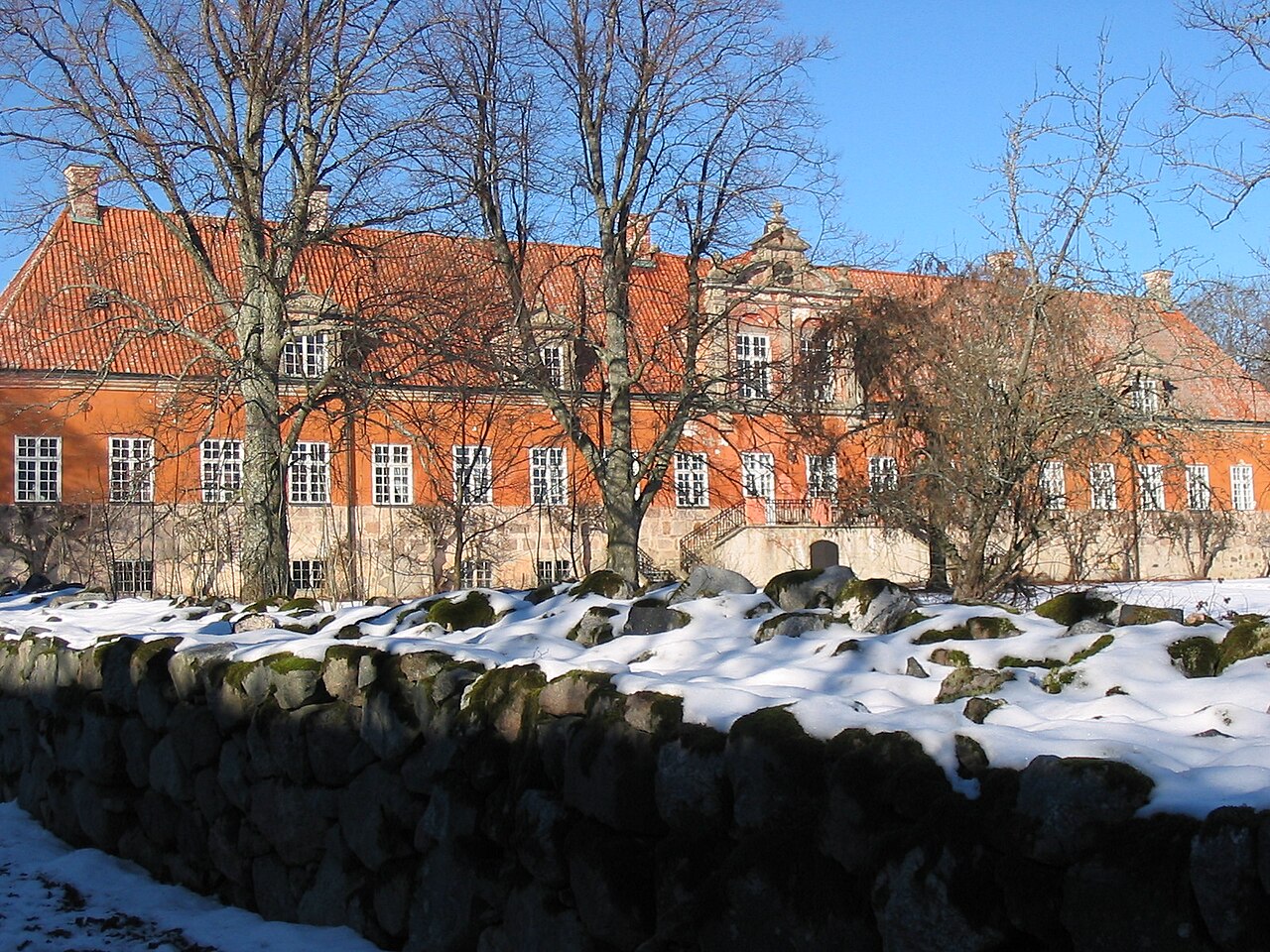
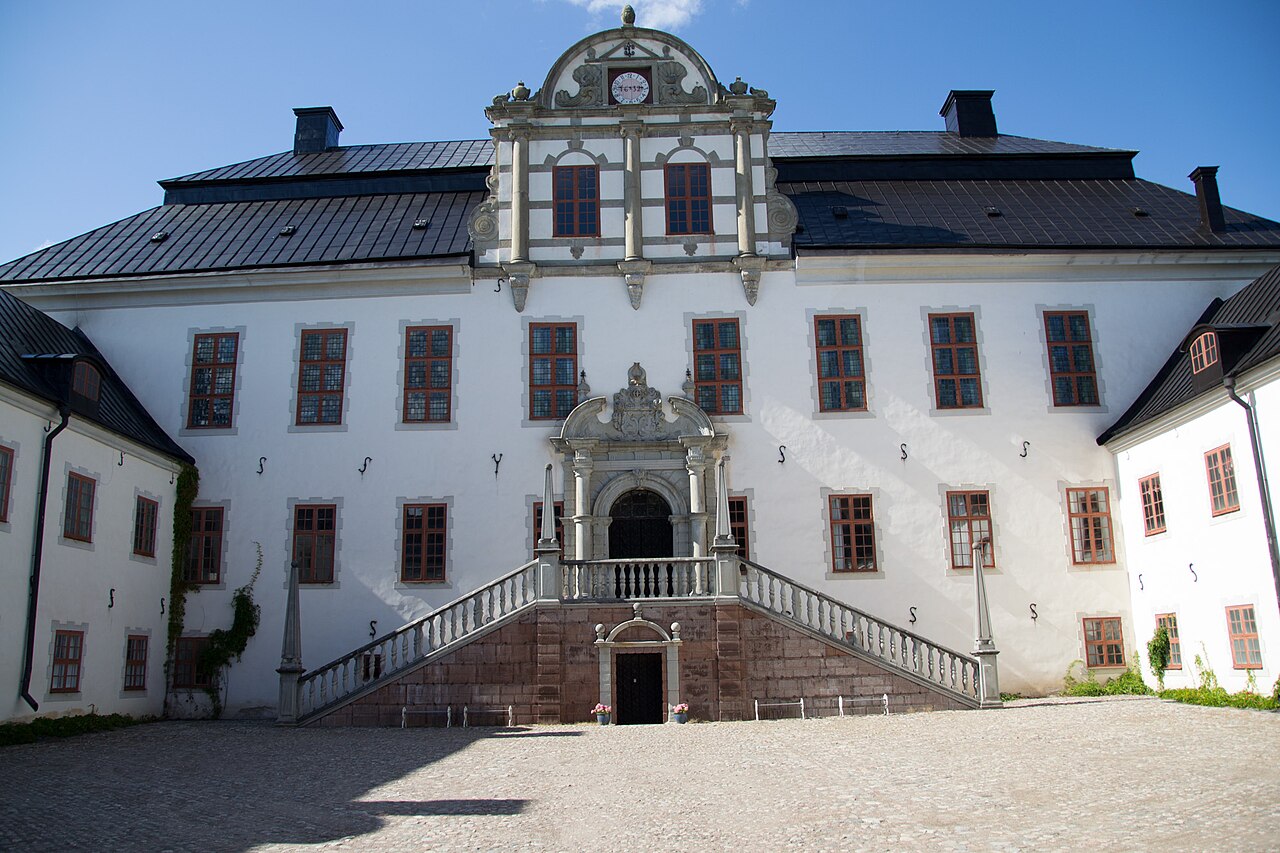
The castle complex includes a main building with robust stone walls, rectangular towers, and a courtyard that was historically enclosed by ancillary buildings and defensive walls. The Renaissance influence is evident in the castle's orderly façade and the use of classical elements such as pilasters and cornices. The interiors were designed to accommodate both the practical needs of the noble family and the representational functions of a high-status residence.
Later modifications and expansions
Following its initial construction, Sundbyholm Castle underwent enlargement and modifications under the ownership of Seved Bååts, a notable figure who contributed to the castle's architectural evolution. These changes maintained the Renaissance character while adapting the structure to contemporary needs and tastes. The expansions included additional wings and enhancements to the living quarters, reflecting the castle’s ongoing role as a noble estate.
Historical significance and ownership
The castle's origins with the Order of St. John link it to the medieval religious military orders that played a significant role in the region's history. The confiscation of the estate during the Reformation represents the secularization of church properties that was common across Europe in the 16th century.
The association with Carl Gyllenhielm connects Sundbyholm Castle to the Swedish royal family and the military elite of the time. Gyllenhielm’s naval career and royal lineage underscore the castle’s importance as a symbol of power and prestige. Over the centuries, the estate has passed through various hands, each contributing to its preservation and adaptation.
Artistic and cultural importance
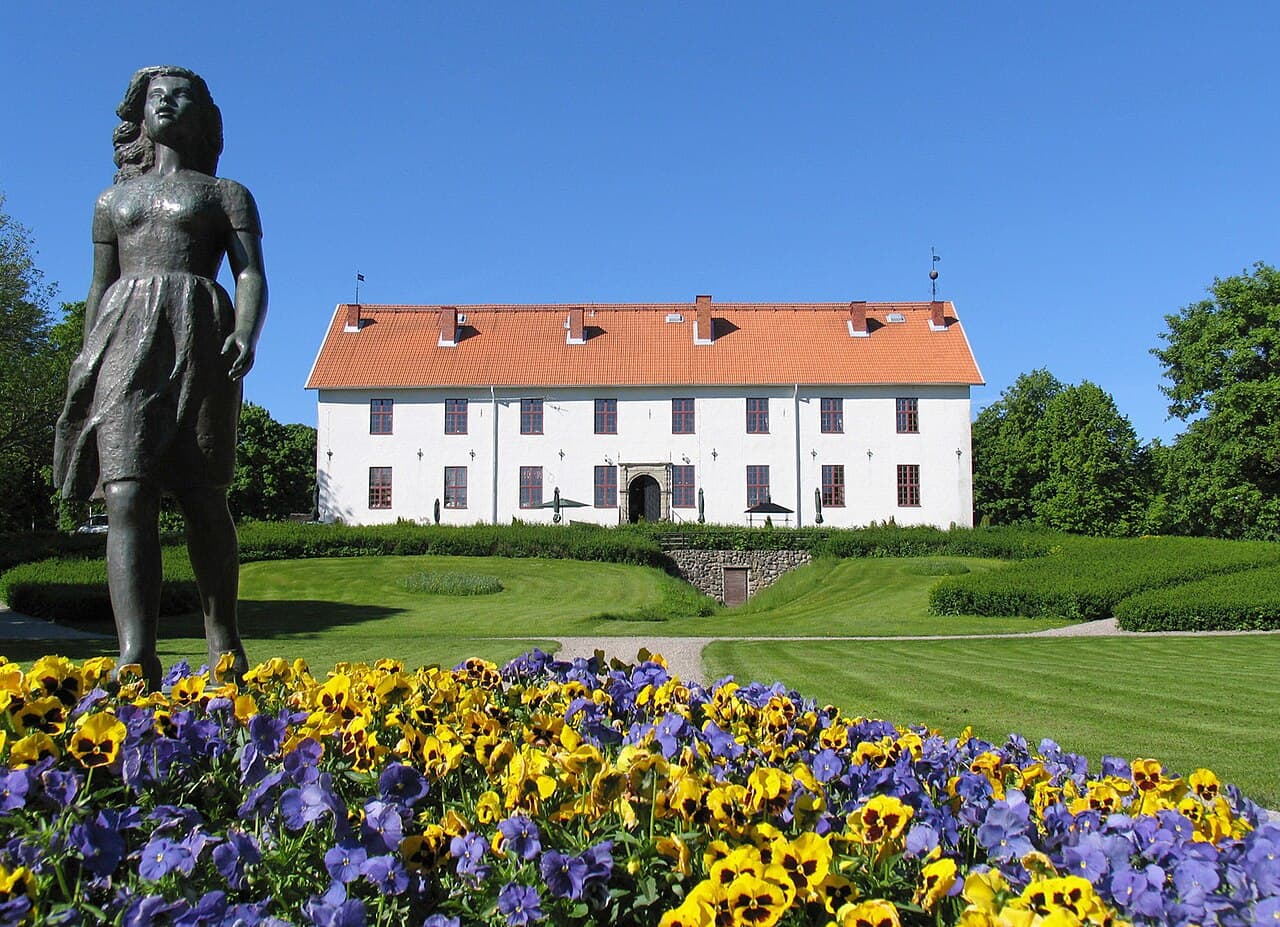
Sundbyholm Castle is renowned not only for its architecture but also for its picturesque setting and beautiful grounds. The castle and its surrounding landscape have been the subject of numerous artistic works, most famously the painting "The Old Castle" by Prince Eugen, Duke of Närke. This artwork highlights the castle’s aesthetic appeal and its place in Sweden’s cultural heritage.
The estate’s location on the shore of Lake Mälaren adds to its scenic charm, with gardens and parklands that have been carefully maintained over the centuries. These grounds contribute to the castle’s reputation as a site of natural beauty and historical interest.
Modern use and visitor information
Today, Sundbyholm Castle functions as a hotel and event venue, offering facilities for conferences, weddings, and private parties. The castle’s preservation and adaptive reuse allow visitors to experience its historical ambiance alongside modern comforts.
The castle's well-preserved condition and accessible location near Eskilstuna make it a popular destination for tourists interested in Swedish history, architecture, and natural landscapes. Its combination of historical significance, architectural merit, and scenic environment positions Sundbyholm Castle as a notable heritage site in the region.
Frequently asked questions (FAQ)
- What is the historical significance of Sundbyholm Castle?
- Sundbyholm Castle, located in Eskilstuna, Sweden, dates back to the late 17th century and has played a vital role in the region's history. Originally built as a noble residence, it has witnessed various historical events and changes in ownership, reflecting the rich heritage of Swedish nobility.
- When was Sundbyholm Castle built?
- Sundbyholm Castle was constructed between 1684 and 1687. The castle's architecture showcases the Baroque style, typical of the era, with elegant designs and expansive grounds that highlight its historical importance.
- What are the opening hours for visiting Sundbyholm Castle?
- Sundbyholm Castle is typically open to visitors from May to September, with specific opening hours varying by day. It's recommended to check the official website for the most current information regarding hours of operation and any seasonal changes.
- Can I visit Sundbyholm Castle with children?
- Yes, Sundbyholm Castle is family-friendly and welcomes visitors of all ages. The grounds offer plenty of space for children to explore, and there are often activities and events suitable for younger guests.
- Is it possible to host events at Sundbyholm Castle?
- Yes, Sundbyholm Castle provides facilities for hosting various events, including weddings, conferences, and private gatherings. The picturesque setting and historical ambiance make it an ideal location for memorable occasions.
- What is the best time to visit Sundbyholm Castle?
- The best time to visit Sundbyholm Castle is during the summer months when the gardens are in full bloom and outdoor activities are available. Additionally, the castle often hosts special events and guided tours during this season, enhancing your visit.
- How do I get to Sundbyholm Castle from Eskilstuna city center?
- Sundbyholm Castle is conveniently located just a short drive from Eskilstuna city center, approximately 10 kilometers away. Visitors can also take public transportation or enjoy a scenic bike ride to reach the castle.
- What are the ticket prices for Sundbyholm Castle?
- Ticket prices for Sundbyholm Castle vary depending on the type of visit, such as guided tours or special events. It's advisable to check the official website for the latest pricing information and any available discounts for groups or families.
- Are there any nearby attractions to visit while at Sundbyholm Castle?
- Yes, visitors to Sundbyholm Castle can explore several nearby attractions, including the beautiful Sundbyholm Nature Reserve and the historical Eskilstuna city center. These locations offer additional recreational opportunities and insights into the region's rich culture and history.
Photo gallery

Information
Website
Visit websiteSources & official resources
Verify the information above using these authoritative references.
Loading map...
Visitor reviews
No reviews yet. Been here? Write the first review and help other travelers!
Write the first reviewVisited this castle? Share your experience
Your review helps other travelers and adds first-hand knowledge to our encyclopedia.