Rinkesta Castle

Rinkesta Castle in Eskilstuna, Sweden
Eskilstuna, Sweden
Renaissance (15th–17th c.)

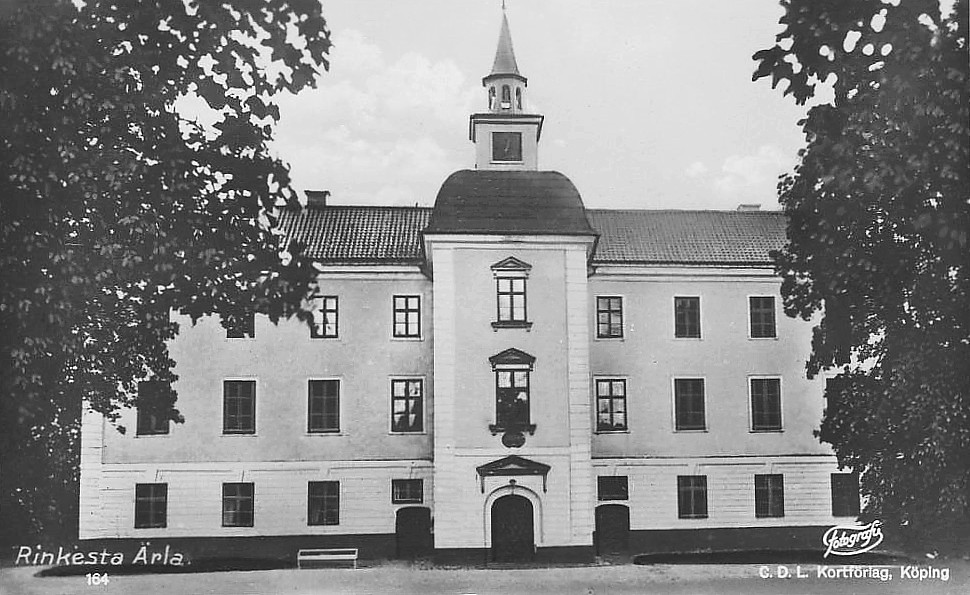
Rinkesta Castle is a notable historic estate located in Eskilstuna Municipality within the province of Södermanland, Sweden. The castle's origins are closely tied to prominent Swedish noble families and state officials, reflecting the region's aristocratic history and architectural evolution from the Renaissance onward.

Early history and ownership

The estate of Rinkesta was originally part of the Swedish crown's holdings but was withdrawn in 1594 when it was granted to Privy Councillor Gustaf Gabrielsson Oxenstierna (1551–1597). Oxenstierna was a significant figure in the Swedish government, and his acquisition marked the beginning of private noble ownership of the estate. The Oxenstierna family was influential in Swedish politics and administration during the late 16th and early 17th centuries.

Architectural development and fire damage

The main building of Rinkesta Castle suffered a damaging fire in 1698, necessitating substantial repairs. The reconstruction efforts after the fire were crucial in preserving the castle's structure and adapting it to contemporary needs of the period. While the original Renaissance elements remained foundational, the repairs introduced modifications that reflected the architectural trends of the late 17th century.

18th-century renovations and stylistic changes

In 1768, the estate was acquired by Thure Leonard Klinckowström (1735–1821), who served as the Swedish Supreme Court marshal (Överstemarskalk). Under Klinckowström's ownership, the castle underwent extensive renovations culminating in 1775. These renovations gave Rinkesta its current appearance, blending Renaissance foundations with 18th-century stylistic influences. The work likely included updates to the castle’s façade, interiors, and possibly the addition or remodeling of outbuildings and gardens to suit the tastes and functions of the time.

Architectural features and style

Rinkesta Castle is primarily classified within the Renaissance period due to its origins and initial construction phases. However, the extensive 18th-century renovations introduced elements reflecting the architectural sensibilities of the late Baroque or early Neoclassical styles, common in Swedish noble estates of that era. The castle features a prominent main building with symmetrical façades, traditional masonry construction, and carefully proportioned windows and doors. The estate likely includes ancillary structures such as stables, service buildings, and landscaped grounds typical of Swedish manor houses.

Historical significance and cultural heritage

Rinkesta Castle holds cultural and historical importance as a representation of Swedish noble estates transitioning from royal to private ownership. Its association with figures like Gustaf Gabrielsson Oxenstierna and Thure Leonard Klinckowström highlights its role in Sweden’s political and judicial history. The castle’s survival through fire and renovation illustrates the resilience and adaptability of such estates over centuries.

Current status and visitor information

Today, Rinkesta Castle remains a well-preserved example of a Swedish Renaissance manor house with later stylistic adaptations. While specific visitor information is limited, the castle is part of the historical landscape of Eskilstuna and Södermanland and may be accessible during special events or by arrangement. Its architectural and historical value continues to attract interest from historians, architects, and visitors to the region.

Frequently asked questions (FAQ)

How do I get to Rinkesta Castle?
Rinkesta Castle is located in Eskilstuna, Sweden, and is accessible by car or public transportation. The nearest train station is Eskilstuna Central, from where you can take a bus or taxi to the castle. Parking is available on-site for visitors arriving by car.
What is the historical significance of Rinkesta Castle?
Rinkesta Castle dates back to the late 17th century and has served various purposes throughout its history, including being a noble residence and a military stronghold. The castle is an important example of Swedish Baroque architecture and reflects the region's rich cultural heritage. Today, it stands as a testament to the historical narratives of Eskilstuna.
When was Rinkesta Castle built?
Construction of Rinkesta Castle began in 1688 and was completed in the early 1700s. The castle has undergone several renovations over the centuries, preserving its historical character while adapting to modern needs. This long history makes it an intriguing site for visitors interested in Swedish architecture and history.
Can I visit Rinkesta Castle year-round?
Yes, Rinkesta Castle is open to visitors year-round, although certain areas may be restricted during the winter months. Guided tours are typically available from spring through autumn, providing insights into the castle's history and architecture. It is recommended to check the official website for any seasonal changes in visiting hours.
Why is Rinkesta Castle a popular tourist destination?
Rinkesta Castle attracts visitors for its stunning architecture and beautiful surrounding gardens, making it a picturesque spot for photography and relaxation. The castle also hosts various cultural events and exhibitions, enriching the visitor experience. Its historical significance and scenic location contribute to its popularity among both locals and tourists.
Is it possible to host events at Rinkesta Castle?
Yes, Rinkesta Castle offers facilities for hosting events such as weddings, conferences, and private gatherings. The picturesque setting and historical ambiance provide a unique backdrop for any occasion. Interested parties should contact the castle administration for more information on availability and services.
What are the ticket prices for visiting Rinkesta Castle?
Ticket prices for visiting Rinkesta Castle vary depending on the type of tour and age of the visitor. Generally, adult tickets are priced reasonably, with discounts available for children and seniors. Special rates may apply for group visits, so it's advisable to check the official website for the latest pricing information.
What are the opening hours for Rinkesta Castle?
Rinkesta Castle typically opens at 10 AM and closes at 5 PM during the peak season, which runs from May to September. Off-peak hours may vary, and certain days may have extended hours for special events. Visitors are encouraged to verify specific opening hours before planning their visit.
Are there any nearby attractions to Rinkesta Castle?
Yes, there are several attractions near Rinkesta Castle, including the Eskilstuna Art Museum and the beautiful City Park. Visitors can also explore the local shops and restaurants in Eskilstuna, making it a great day trip destination. The scenic surroundings offer opportunities for hiking and enjoying nature, enhancing your visit to the castle.

Loading map...

Visitor reviews

No reviews yet. Been here? Write the first review and help other travelers!

Write the first review

Visited this castle? Share your experience

Your review helps other travelers and adds first-hand knowledge to our encyclopedia.
Write a review

(5/5)

0/2000 characters

Your review will be visible after admin approval

Nearby castles

13.7 km
Rinkesta — Sweden castle

Rinkesta

Eskilstuna Municipality, Sweden

Rinkesta Castle is a historically significant hill castle located in the Eskilstuna Municipality of Södermanland, Sweden. Situated in Ärla parish, it lies south of Norrsjön and north of Sörsjön, surrounded by the characteristic Swedish landscape of lakes and forests. The castle's location on elevated terrain provided strategic advantages typical of hill castles, offering natural defense and commanding views of the surrounding countryside.Historical background and locationThe origins of Rinkesta Castle trace back to the medieval period, although the exact date of its initial construction is not precisely documented. The castle has been associated with various noble families over the centuries, reflecting the typical Swedish manorial estate development during the Middle Ages and later periods. Its position in Södermanland, a region rich with historical estates and castles, underscores its role in the local aristocratic and agricultural history.Architectural features and layoutAs a hill castle, Rinkesta was built to take advantage of the natural elevation, which enhanced its defensive capabilities. The estate traditionally includes a main manor house surrounded by ancillary buildings such as stables, barns, and service structures, arranged around courtyards. While specific details about fortifications like walls or moats are limited, the castle's design likely incorporated typical features of Swedish manorial residences, blending defensive elements with residential comfort.The architecture of Rinkesta reflects a blend of styles resulting from renovations and expansions over several centuries. Elements of Renaissance and later architectural influences may be present, although the core structure retains characteristics of earlier periods. The manor house is typically constructed with sturdy masonry, featuring pitched roofs and traditional Swedish wooden details.Ownership and cultural significanceThroughout its history, Rinkesta Castle has been owned by various noble families, contributing to its development and preservation. The estate has played a role in the agricultural and social history of Södermanland, serving as a center for local governance and rural economy. Its cultural significance is tied to its representation of Swedish aristocratic life and architectural evolution from the medieval period onward.Current status and accessibilityToday, Rinkesta Castle remains a notable landmark within Eskilstuna Municipality. While it is primarily a private estate, its historical and architectural value is recognized locally. The castle and its surroundings offer insight into Sweden's manorial traditions and the evolution of noble residences in the region. Visitors interested in Swedish castles and history may appreciate the castle's setting, although public access may be limited due to private ownership.Surrounding environment and tourismThe castle's location near lakes Norrsjön and Sörsjön provides a scenic backdrop typical of the Södermanland countryside. The area is popular for outdoor activities such as hiking, fishing, and boating, complementing visits to historical sites like Rinkesta. Nearby towns in Eskilstuna Municipality offer additional cultural and historical attractions, enhancing the visitor experience.

Details
16.3 km

Ekensholm Castle

Flen, Sweden

Ekensholm Castle is a distinguished manor house situated in Flen Municipality, within the historic province of Södermanland County, Sweden. This estate is renowned not only for its architectural qualities but also as the residence of the Archduchess of Austria, reflecting its significant cultural and noble heritage. The castle is prominently located on the northern shore of Dunkern lake, in close proximity to the quaint villages of Dunker and Hässelby, and lies within the bounds of Dunker Parish. Historical background and ownership The current manor house was constructed in 1827 for Baron Knut Kurck, a notable Swedish lieutenant and politician. Baron Kurck is a figure of historical interest, having been briefly suspected and arrested in connection with the 1792 assassination of King Gustav III of Sweden. Despite this turbulent episode, Kurck's legacy includes the establishment of Ekensholm Castle as a prominent estate in the region. Today, Ekensholm Castle remains a private residence, inhabited by Count Archibald Douglas and his wife, Walburga Habsburg Douglas. The presence of Walburga Habsburg Douglas, a member of the historic Habsburg family, underscores the manor's continued association with European nobility. Architectural features and style Ekensholm Castle exemplifies early 19th-century Swedish manor architecture, constructed during the Modern period. The building reflects the restrained elegance typical of manorial estates of this era, with a focus on symmetry and functional design rather than elaborate ornamentation. While specific architectural details of the castle are less documented, the manor likely incorporates traditional Swedish construction methods combined with influences from contemporary European styles prevalent in the 1820s. The estate's setting on the lakeshore enhances its aesthetic appeal, with the natural landscape playing a significant role in the manor's overall ambiance. The proximity to Dunkern lake not only provides scenic views but historically may have contributed to the estate's agricultural and leisure functions. Equestrian tradition and royal connections Ekensholm Castle has a notable equestrian tradition, highlighted by its association with the Swedish Royal Guard. Between 2007 and 2008, the manor's equestrian trainer prepared a horse named Salut specifically for use by the Swedish Royal Guard. This connection emphasizes the estate's ongoing role in supporting Swedish cultural and ceremonial practices. Location and surrounding environment The castle's location in Södermanland County places it within a region rich in history and natural beauty. The area around Flen is characterized by mixed forests, lakes, and agricultural land, providing a tranquil setting for the manor. The nearby small towns of Dunker and Hässelby contribute to the rural charm and accessibility of the estate. Access and current status As a private residence, Ekensholm Castle is not generally open to the public. However, its historical significance and connection to notable figures in Swedish and European history make it an important cultural landmark. The manor remains well-preserved and continues to function as a noble estate, maintaining its heritage and architectural integrity into the present day.

Modern (19th–20th c.)
Details
19.4 km

Yxtaholm Castle

Flen, Sweden

Yxtaholm Castle is a distinguished historic manor located near Flen in Sweden. Its earliest known mention dates back to 1329, marking it as a site with centuries of Swedish heritage. The current main structure was constructed in 1752 by Gustaf Nils Clodt, a notable figure of the time, embodying the post-renaissance architectural style that characterizes the castle today. Historical background and origins The estate of Yxtaholm has a documented history stretching back to the early 14th century, with the first written record appearing in 1329. Over the centuries, the property evolved through various ownerships and functions, reflecting the social and economic shifts in Swedish nobility and landholding. The 18th century marked a significant transformation when the current castle was erected, replacing earlier structures and adapting to contemporary tastes and needs. Architectural features and style The castle's post-renaissance style is evident in its balanced proportions and classical influences, typical of Swedish manor houses from the mid-18th century. The building features a symmetrical façade, rectangular windows, and a steep, tiled roof. The use of local materials and traditional construction methods blend with refined decorative elements, such as pilasters and cornices, giving the castle a dignified yet restrained elegance. Layout and structural elements Yxtaholm Castle is designed as a manor house rather than a fortified castle, focusing on residential comfort and estate management. Its layout includes a central main building with adjoining wings, creating a courtyard that historically served as a functional space for estate activities. The interiors, while modernized, retain period details such as wooden paneling and fireplaces that hint at the castle's aristocratic past. The castle in modern times Today, Yxtaholm Castle operates as a modern hotel, restaurant, and conference centre, successfully integrating its historical ambiance with contemporary hospitality services. This adaptive reuse allows visitors to experience the castle's heritage firsthand while enjoying modern amenities. The estate grounds offer scenic views and tranquil surroundings, enhancing its appeal as a destination for events and leisure. Preservation and cultural significance Maintaining the castle's structural integrity and historical character has been a priority in its ongoing upkeep. The preservation efforts respect its 18th-century origins while accommodating necessary updates for safety and comfort. Yxtaholm Castle stands as a cultural landmark within the region, representing Swedish post-renaissance architecture and noble estate traditions. Visiting Yxtaholm Castle Visitors to Yxtaholm can enjoy guided tours that explore the castle's history, architecture, and the stories of its past inhabitants. The venue also hosts cultural events and private functions, making it a vibrant part of the local community. Its location near Flen makes it accessible for travelers interested in Swedish heritage and countryside retreats.

Post-Renaissance (17th–18th c.)
Details

