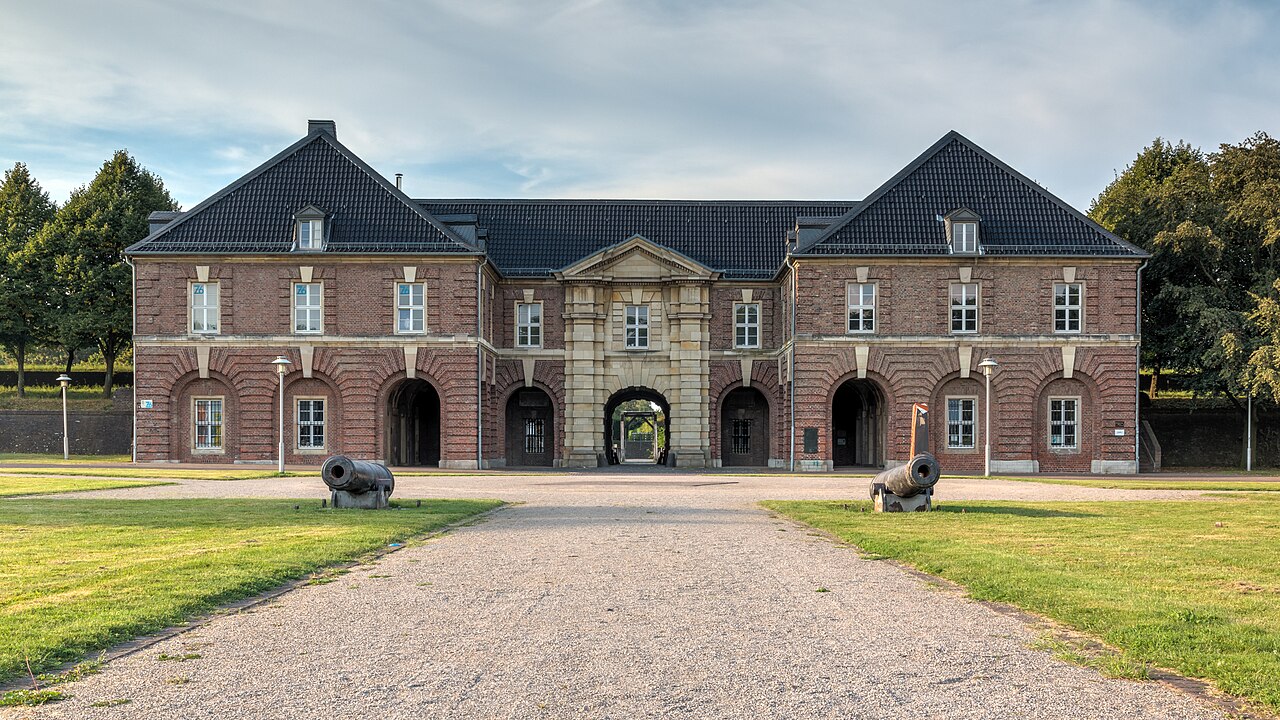
Ringenberg Castle
Ringenberg Castle, located in Hamminkeln, North Rhine-Westphalia, is a notable example of a moated Renaissance castle with deep historical roots stretching back to the 13th century. The castle's origins lie in a medieval fortress constructed in a strategically significant border region between the County of Cleves, the Archbishopric of Cologne, and the Prince-Bishopric of Münster. This location made it a critical defensive and administrative site during the Middle Ages, reflecting the complex territorial disputes and shifting alliances of the period.
Medieval origins and strategic importance
The original fortress on this site was built in the 13th century as a fortified stronghold to control and defend the borderlands. Its position was pivotal for overseeing trade routes and military movements in the region. The castle's initial construction would have featured typical medieval defensive elements such as thick stone walls, a moat, and possibly a keep, designed to withstand sieges and attacks common in this turbulent era.
Destruction and 17th-century reconstruction
During the course of the Thirty Years' War and other conflicts involving Dutch forces, the original fortress suffered destruction. In the 17th century, the estate was acquired by Baron Alexander von Spaen, a prominent military figure and nobleman. He undertook a significant rebuilding project that transformed the medieval fortress into a Renaissance-style moated castle. This reconstruction incorporated the architectural trends of the period, emphasizing symmetry, proportion, and decorative elements while maintaining the defensive moat and adapting the structure for more comfortable noble residence.
Architectural features and style
The castle exemplifies Renaissance architecture with its balanced layout and ornamental details. The moat surrounding the castle remains a defining feature, providing both defense and aesthetic appeal. The building likely includes characteristic Renaissance elements such as arched windows, pilasters, and classical motifs integrated into the facade. The transformation under Baron von Spaen would have modernized the castle, shifting its function from purely military to a status symbol and residential estate.
Modern usage and preservation
Recognized for its cultural and historical value, Ringenberg Castle was designated a historic monument in 1984 and listed as an archaeological monument in 1987. Today, it is owned by the city of Hamminkeln and serves multiple community purposes. The castle houses the city's civil registry office, providing a unique setting for official ceremonies such as weddings. Additionally, it hosts an artist studio center managed by the Derik Baegert Society, fostering local arts and culture. A restaurant within the castle grounds offers visitors a chance to experience the historic ambiance while enjoying regional cuisine.
Cultural significance and visitor experience
Ringenberg Castle stands as a testament to the region's layered history, from medieval fortification to Renaissance residence and modern cultural hub. Its preservation allows visitors to explore architectural evolution and the historical narrative of North Rhine-Westphalia's borderlands. The castle's setting within the Ringenberg district adds to its charm, providing a picturesque backdrop of moats and historic masonry. Visitors can appreciate the blend of defensive architecture with Renaissance elegance, alongside contemporary uses that keep the site vibrant and accessible.
Exploring the grounds
The moat encircling the castle remains a prominent feature, offering scenic views and a sense of the castle's original defensive purpose. The castle's exterior reveals Renaissance stylistic touches, while interior spaces adapted for modern use retain historical character. The artist studios contribute to a lively creative atmosphere, and the restaurant invites guests to linger in a setting rich with history.
Historical context and legacy
The castle's location at the crossroads of significant medieval territories underscores its role in regional power dynamics. The transition from a military fortress to a Renaissance manor reflects broader shifts in warfare, politics, and architectural preferences in early modern Europe. Ownership by Baron Alexander von Spaen connects the castle to notable historical figures and events of the 17th century, enriching its narrative.
Architectural details and layout
While specific architectural plans are scarce, the castle's layout likely includes a central residential building surrounded by the moat, with ancillary structures such as stables or service buildings within the estate. The Renaissance style would emphasize harmonious proportions and decorative stonework, contrasting with the earlier fortress's more utilitarian design. The moat not only served defensive purposes but also enhanced the castle's visual impact, a common feature in Renaissance moated castles.
Preservation efforts and status
Designation as a historic and archaeological monument has ensured the castle's preservation and maintenance. The city of Hamminkeln's stewardship supports ongoing use and conservation, balancing public access with protection of the site's heritage. The castle's adaptation for civic and cultural functions exemplifies sustainable preservation practices, allowing historical architecture to remain relevant and appreciated.
Frequently asked questions (FAQ)
- How do I visit Ringenberg Castle?
- Ringenberg Castle is open to the public during regular business hours. Visitors can explore the grounds, enjoy the restaurant, and attend events held at the castle. It is advisable to check the castle's official website or contact the city of Hamminkeln for the latest visiting hours and any guided tour availability.
- What is the historical significance of Ringenberg Castle?
- Ringenberg Castle originated as a 13th-century fortress in a strategic border region and was rebuilt in the 17th century in Renaissance style by Baron Alexander von Spaen. It reflects the military and cultural history of North Rhine-Westphalia and the evolution of castle architecture.
- Can I have a wedding at Ringenberg Castle?
- Yes, the castle houses the civil registry office for Hamminkeln, making it a popular venue for weddings and civil ceremonies. The historic and picturesque setting provides a unique backdrop for such events.
- What architectural style is Ringenberg Castle?
- Ringenberg Castle is primarily built in the Renaissance architectural style, featuring balanced proportions, decorative stonework, and a surrounding moat typical of Renaissance moated castles.
- Is there a restaurant at Ringenberg Castle?
- Yes, there is a restaurant located within the castle grounds where visitors can enjoy regional cuisine while experiencing the historic atmosphere of the castle.
Information
Current owner
City of Hamminkeln
Loading map...
Visitor reviews
No reviews yet. Been here? Write the first review and help other travelers!
Write the first reviewVisited this castle? Share your experience
Your review helps other travelers and adds first-hand knowledge to our encyclopedia.