Riggisberg Castle
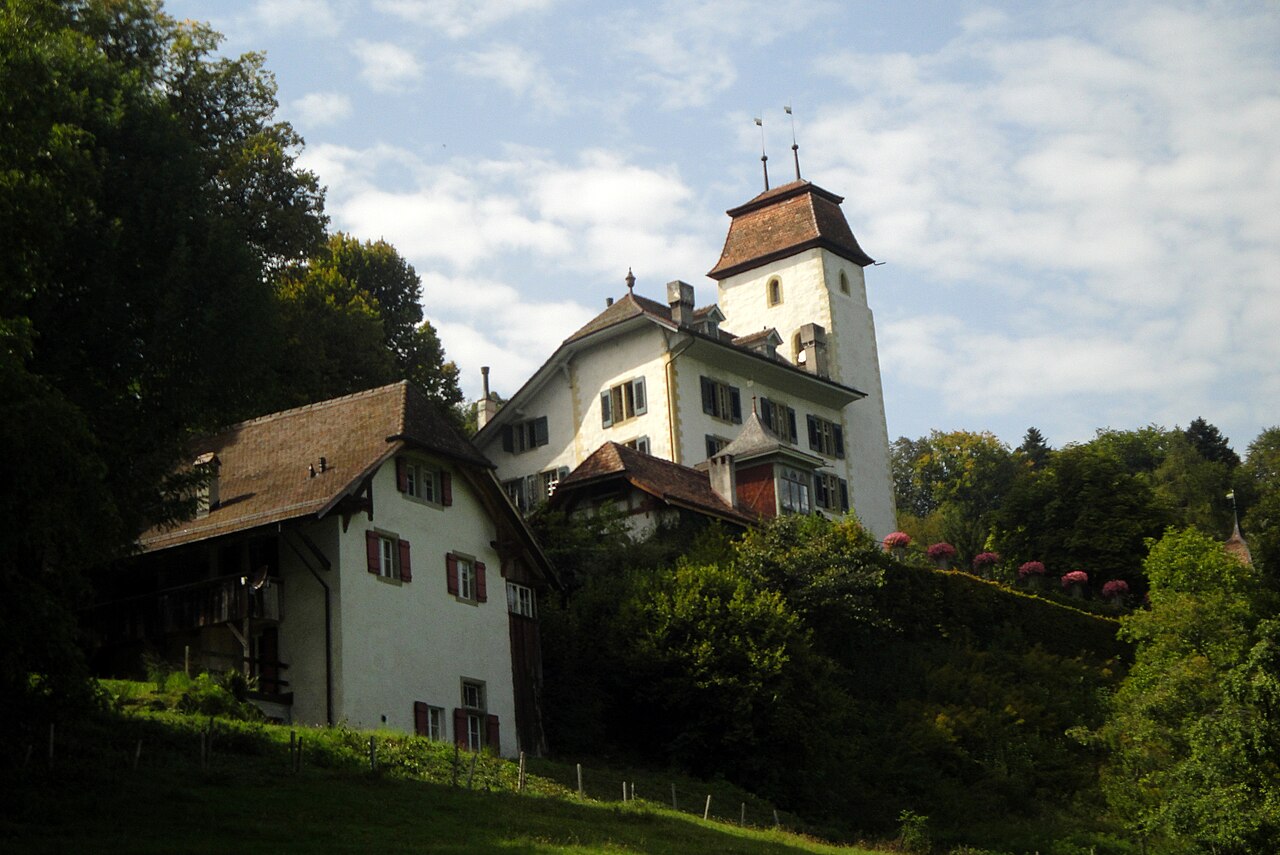
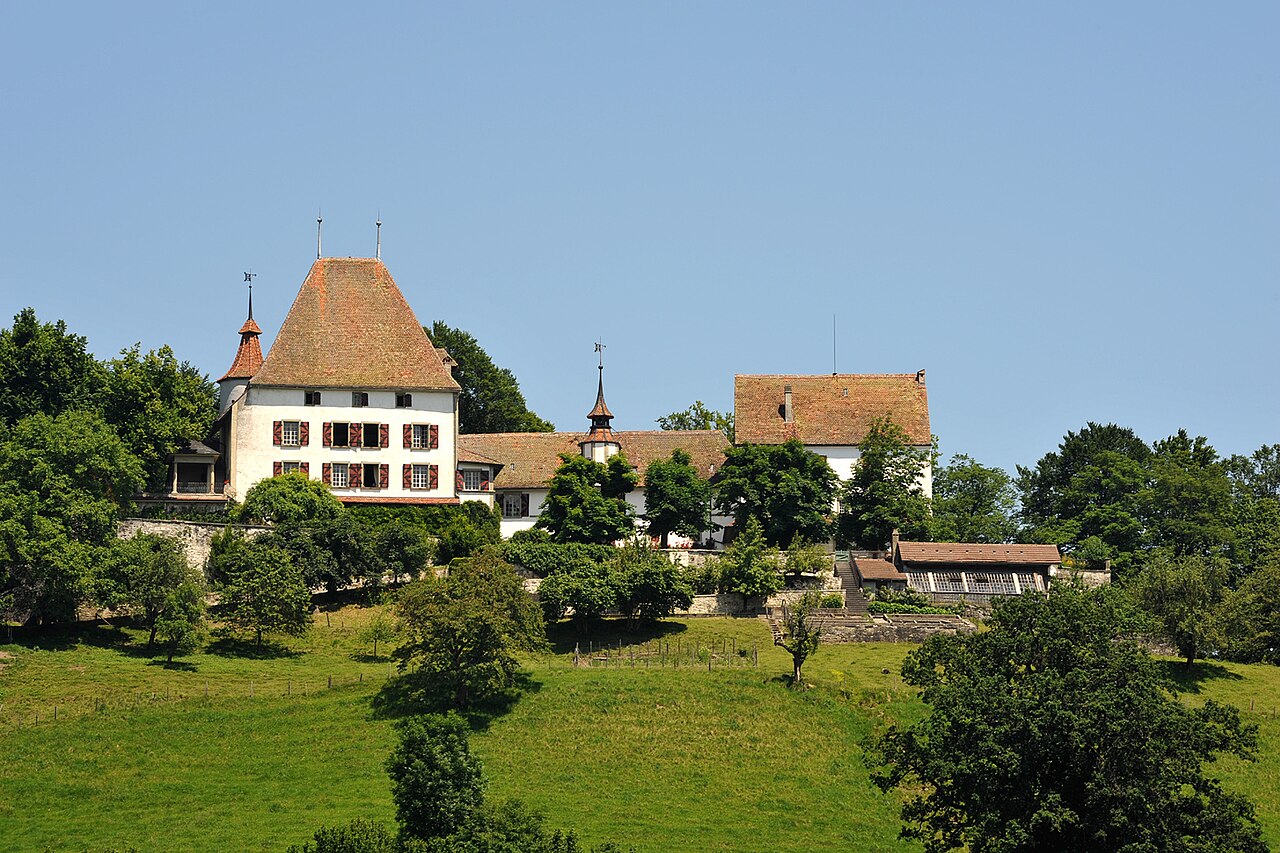
Riggisberg Castle stands as a significant architectural and historical landmark in the municipality of Riggisberg, Switzerland. Constructed around the year 1700, this post-Renaissance castle embodies the transition from medieval fortifications to more comfortable noble residences, reflecting broader European trends of the era. Its story intertwines with the fortunes of prominent noble families, political upheavals, and evolving civic functions.
The noble origins and medieval heritage
The origins of the castle site trace back to the Middle Ages when the noble family of Riggisberg held sway in the region. The earliest recorded member, Constantin de Rucasperc, appears in documents from 1140. Over the succeeding centuries, the family gradually lost control of their lands and rights in the village. By the 13th century, ownership was fragmented among various nobles and monasteries, reflecting the complex feudal landscape of medieval Switzerland.
In 1337, the original Riggisberg family line ended, and their estates passed to other noble families. The castle and its lands changed hands multiple times, involving notable families such as the von Erlach and von Wattenwyl. These transitions illustrate the fluidity of noble property ownership in the region during the late Middle Ages and early modern period.
Construction of the new castle around 1700
By the late 17th century, the existing medieval structures were likely outdated for the needs of the nobility. In 1686, after a legal dispute, Hans Rudolf von Erlach lost ownership of the castle, which was briefly held by Gabriel von Wattenwyl. Shortly thereafter, the estate returned to the von Erlach family when Albrecht von Erlach acquired it.
Albrecht von Erlach commissioned the construction of a new, more comfortable residence near the site of the earlier castle, completed around 1700. This new castle reflects the post-Renaissance architectural style, characterized by a move away from purely defensive features toward elegance and domestic comfort. The design likely included spacious halls, refined living quarters, and ornamental details typical of noble residences of the period.
Architectural features and style
The castle’s architecture embodies the post-Renaissance style prevalent in Swiss noble estates of the 17th and early 18th centuries. While specific architectural plans or the architect’s identity remain undocumented, the castle’s layout and decorative elements emphasize residential comfort over military defense. The structure would have included formal reception rooms, private chambers, and service areas arranged around a central courtyard or garden space.
Political turmoil and ownership in the 18th and 19th centuries
During the turbulent period surrounding the Helvetic Republic (1798-1803), the castle’s owners were involved in significant political events. The Steiger family, who opposed the Republic, used the castle as a base during this time. Karl Friedrich Steiger, a key figure, resided mainly in Neuchâtel while plotting against the reformist government. The Republic’s weakness led to its collapse in 1802, and Karl Friedrich subsequently joined the governing Committee until the Act of Mediation in 1803 restored a degree of Swiss autonomy under Napoleonic influence.
Karl Friedrich Steiger later served as a Bernese Senator until 1826, spending summers at Riggisberg Castle. Ownership passed to his son, Franz Georg von Steiger, in 1830. Notably, in 1832, the castle was linked to a political conspiracy when weapons were discovered at the Erlacherhof, though Franz Georg was only fined and released.
Transformation and modern use
In 1869, ownership transferred to Robert Pigott, an Irish cousin of the Steiger family. About a decade later, in 1880, the castle was sold to the Canton of Bern. The canton repurposed the estate as a poorhouse, marking a shift from noble residence to public institution.
Between 1965 and 1970, the castle underwent significant renovation and was converted into a district administration building. This adaptive reuse preserved the castle’s structural integrity and ensured its continued relevance in the community. The renovations respected the castle’s historical character while accommodating modern administrative functions.
Preservation and current condition
Today, Riggisberg Castle is well preserved and maintained as a functional public building. Its preservation allows visitors and scholars to appreciate the architectural evolution from medieval stronghold to elegant post-Renaissance residence and finally to a civic institution. The castle’s integration into local governance highlights the adaptive reuse potential of historic properties.
Riggisberg castle in the context of Swiss noble architecture
Riggisberg Castle exemplifies the transition in Swiss castle architecture from the defensive medieval fortresses to the more comfortable and stylistically refined residences of the post-Renaissance period. This period saw nobles prioritizing domestic comfort, aesthetic appeal, and status display over military utility.
The castle’s history of ownership reflects broader socio-political changes in Switzerland, including the decline of feudal noble power, the impact of the Helvetic Republic, and the eventual integration of noble estates into state functions. Its survival and adaptive reuse demonstrate the layered history common to many Swiss castles.
Architectural legacy and cultural significance
As a post-Renaissance castle in the Bernese region, Riggisberg Castle contributes to understanding the architectural and social transformations of Swiss nobility during the 17th and 18th centuries. Its preservation allows for study of noble lifestyle, architectural trends, and the impact of political upheavals on estate ownership.
The castle remains a tangible link to the region’s medieval past and the evolving nature of Swiss governance and society. Its current role as a district administration building ensures ongoing public engagement with this heritage site.
Visiting and accessibility
While primarily used for administrative purposes today, Riggisberg Castle’s historical significance and architectural features attract interest from visitors and historians alike. Its location in the town of Riggisberg makes it accessible for those exploring the Bernese countryside and Swiss heritage sites.
Frequently asked questions (FAQ)
- What is the historical significance of Riggisberg Castle?
- Riggisberg Castle, built in the 13th century, played a crucial role in the region's defense and governance during the Middle Ages. It served as a residence for local nobility and is a testament to the architectural styles of its time, reflecting the socio-political dynamics of medieval Switzerland.
- When was Riggisberg Castle built?
- Riggisberg Castle was constructed in the early 1200s, with its establishment marking a significant period in the history of the region. The castle has undergone various renovations over the centuries, but its original structure still showcases the medieval architectural style.
- Can I visit Riggisberg Castle?
- Yes, Riggisberg Castle is open to the public for visits. Guests can explore the castle grounds and learn about its history through guided tours, which provide insightful information about its past and architectural features.
- What are the opening hours for Riggisberg Castle?
- Riggisberg Castle is typically open from 10 AM to 5 PM, Wednesday through Sunday. It is advisable to check the official website for any seasonal changes in hours or special events that may affect access.
- Is Riggisberg Castle accessible for visitors with mobility challenges?
- While Riggisberg Castle does have some pathways and areas that are manageable, certain parts of the castle may present challenges for visitors with mobility issues due to stairs and uneven terrain. It is recommended to contact the castle administration in advance to inquire about specific accessibility options available.
- What is the best time to visit Riggisberg Castle?
- The best time to visit Riggisberg Castle is during the spring and early autumn months when the weather is pleasant for outdoor exploration. Additionally, visiting during these seasons allows you to enjoy the surrounding natural beauty and local events that may be taking place.
- Are there any nearby attractions to Riggisberg Castle?
- Yes, there are several attractions near Riggisberg Castle, including the scenic hiking trails in the surrounding region and the picturesque village of Riggisberg itself. Visitors can also explore other historical sites and enjoy the local Swiss cuisine in nearby restaurants.
- What are the ticket prices for Riggisberg Castle?
- Ticket prices for Riggisberg Castle are generally affordable, with discounts available for children, students, and seniors. It is recommended to check the official website for the most current pricing information and any special offers that may be available.
Information
Loading map...
Visitor reviews
No reviews yet. Been here? Write the first review and help other travelers!
Write the first reviewVisited this castle? Share your experience
Your review helps other travelers and adds first-hand knowledge to our encyclopedia.