Burgistein Castle
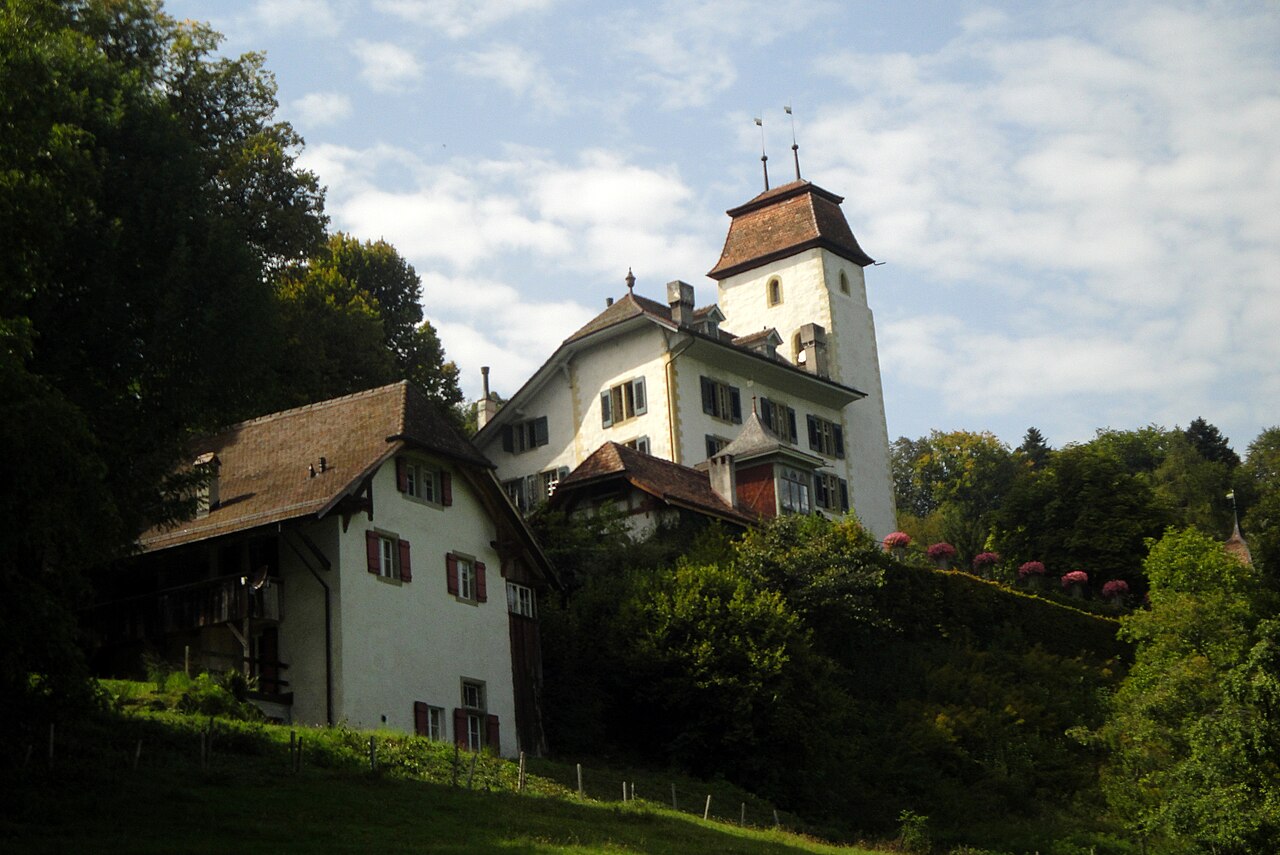
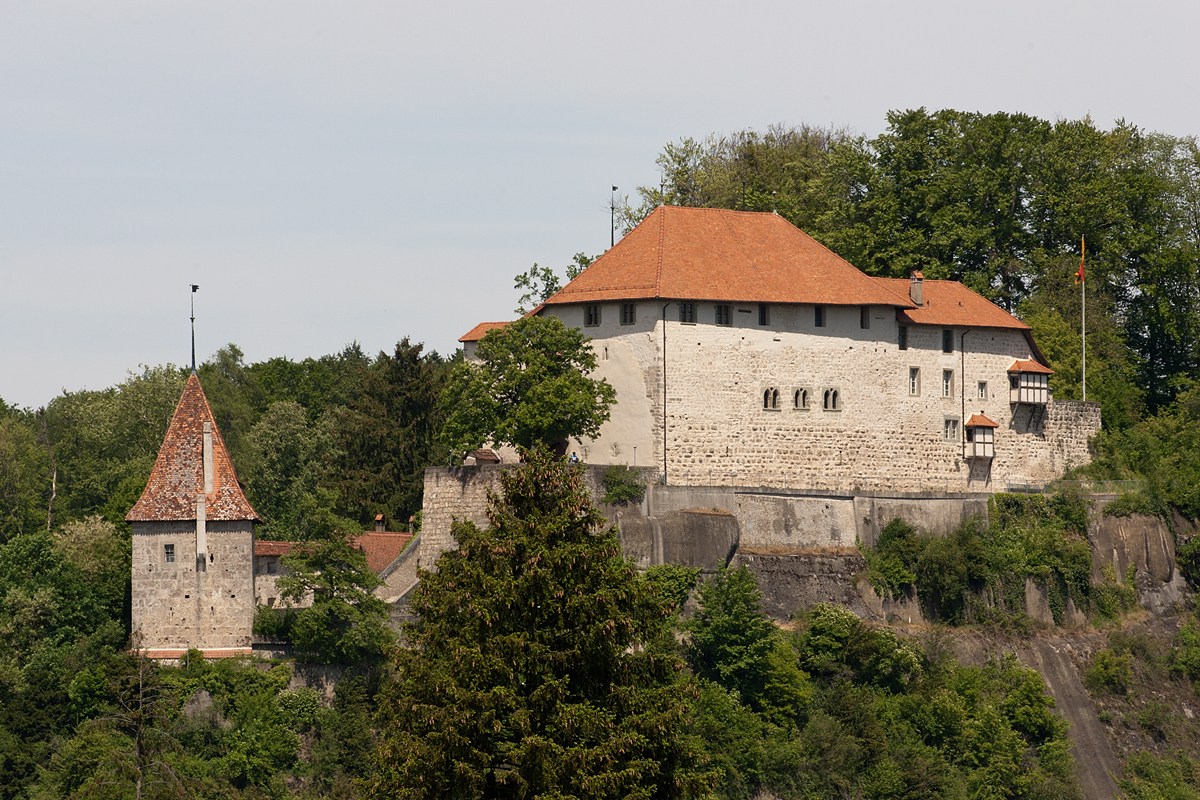
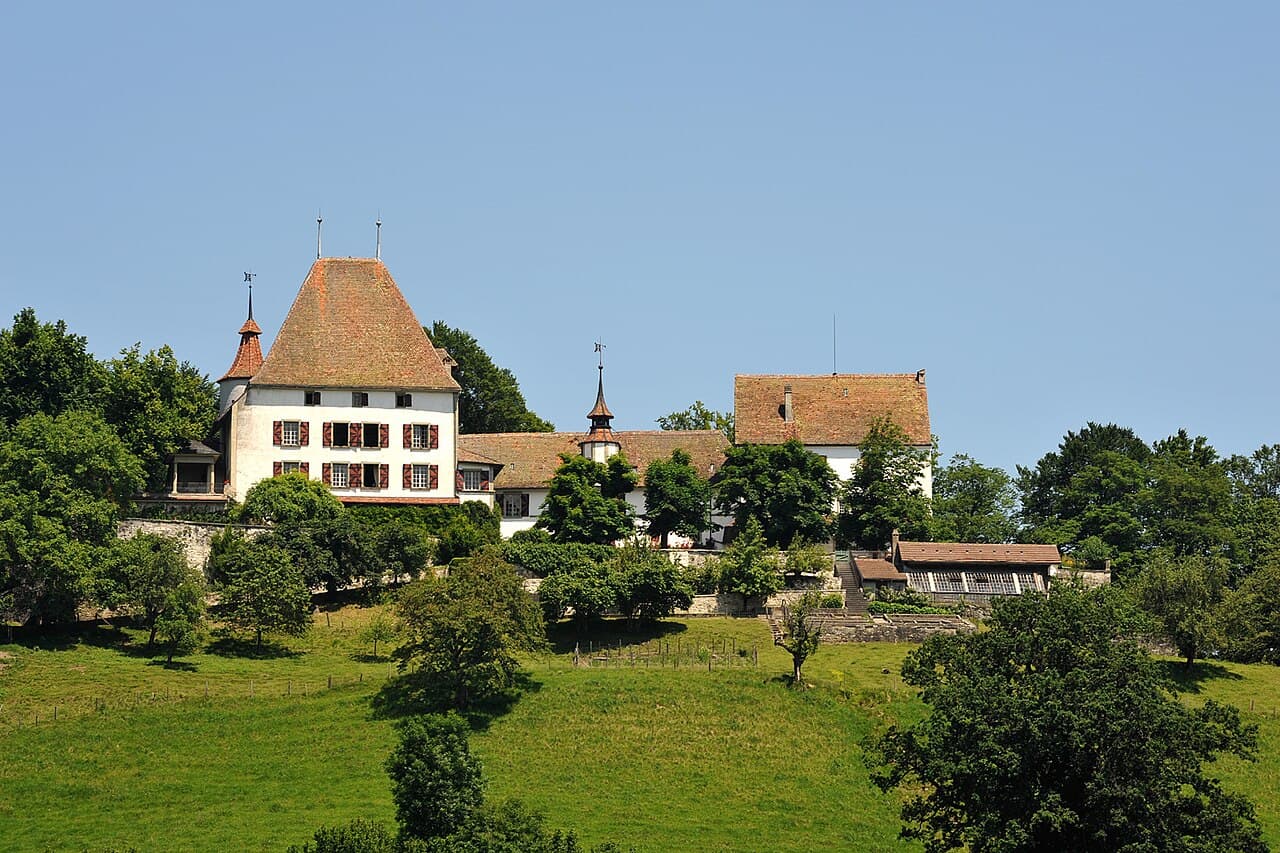
Burgistein Castle, located in the municipality of Burgistein in the canton of Bern, Switzerland, is a notable example of a late medieval hill castle with a complex history of construction, destruction, and ownership spanning several centuries. Originally constructed in the mid-13th century, the castle has undergone significant rebuilding and renovations, reflecting the architectural and political changes in the region.
Early construction and strategic significance
The first castle at Burgistein was established in 1260 by Jordan I of Thun, who later took the name Jordan I of Burgistein. This initial fortification was strategically positioned on a hill to oversee and control the surrounding territory, a common defensive tactic in the high and late medieval periods. The castle's location allowed its owners to exert influence over local trade routes and agricultural lands, making it an important stronghold in the region.
Destruction and rebuilding in the 14th century
The castle's early history was marked by conflict. In 1339, Jordan III of Burgistein participated in the Battle of Laupen on the losing side against the forces of Bern. Following this defeat, the victorious Bernese army retaliated by attacking and destroying Burgistein Castle in 1340. The destruction was substantial, but the castle was rebuilt in the subsequent years, reflecting its continued strategic and residential importance.
Ownership transitions and architectural evolution
After the original Burgistein family line ended in 1397, the castle passed to Werner Münzer. Over the next century, Burgistein Castle changed hands multiple times, indicative of the shifting political alliances and fortunes of the Swiss nobility during the late medieval period. In 1484, the Wattenwyl family acquired the castle and maintained ownership until 1714, when it was inherited by the Graffenried family.
Throughout the 15th and 16th centuries, the castle underwent significant rebuilding and renovations. These changes were likely influenced by evolving defensive needs and the transition from purely military fortifications to more comfortable noble residences. Architectural modifications from this period may include the strengthening of walls, the addition of residential wings, and updates to the castle's internal layout to reflect Renaissance influences.
Architectural features and style
Burgistein Castle exemplifies the characteristics of a hill castle, built on elevated terrain to maximize defensive advantages. The castle's core structure dates back to the 14th century, with substantial additions and alterations made during the late medieval period. Its architecture reflects a blend of functional military design and residential comfort, typical of Swiss castles transitioning from fortress to noble estate.
The castle likely features robust curtain walls, towers for surveillance and defense, and a fortified gatehouse. The internal buildings would have included a great hall, private chambers, and service areas. While specific stylistic details are less documented, the renovations in the 15th and 16th centuries suggest incorporation of elements from the Gothic and early Renaissance architectural styles prevalent in the region during that time.
Cultural significance and heritage status
Burgistein Castle holds a prominent place in Swiss heritage as a site of national significance. Its enduring presence offers insights into the feudal history of the Bernese region, the architectural evolution of medieval castles, and the socio-political dynamics of Swiss nobility. The castle's survival through wars, ownership changes, and architectural transformations makes it an important cultural landmark.
Today, Burgistein Castle stands as a testament to centuries of Swiss history, reflecting the resilience and adaptation of medieval fortifications into noble residences. Its preservation allows visitors and scholars to explore the layered history of the region and the architectural developments from the 13th to the 16th centuries.
Visiting Burgistein Castle
While specific visitor information such as opening hours and ticket prices may vary, Burgistein Castle's status as a heritage site often means it is accessible for tours, educational visits, and cultural events. Visitors can appreciate the castle's historical architecture, its strategic hilltop location, and the surrounding Bernese landscape.
Frequently asked questions (FAQ)
- When was Burgistein Castle originally built?
- Burgistein Castle was originally built in 1260 by Jordan I of Thun, marking its origins in the 13th century.
- What happened to Burgistein Castle after the Battle of Laupen?
- After the Battle of Laupen in 1339, where Jordan III of Burgistein fought on the losing side, the castle was attacked and destroyed by a Bernese army in 1340 but was rebuilt in the following years.
- Which families owned Burgistein Castle through history?
- The castle was first owned by the Burgistein family, then passed to Werner Münzer in 1397, later to the Wattenwyl family in 1484, and finally to the Graffenried family in 1714.
- What architectural styles are reflected in Burgistein Castle?
- Burgistein Castle showcases architectural elements from the late medieval period, with renovations in the 15th and 16th centuries reflecting Gothic and early Renaissance influences.
- Is Burgistein Castle open to visitors?
- As a Swiss heritage site of national significance, Burgistein Castle is often accessible for tours and cultural events, though specific visiting hours and ticket prices may vary.
Photo gallery

Information
Loading map...
Visitor reviews
No reviews yet. Been here? Write the first review and help other travelers!
Write the first reviewVisited this castle? Share your experience
Your review helps other travelers and adds first-hand knowledge to our encyclopedia.