Richmond Castle
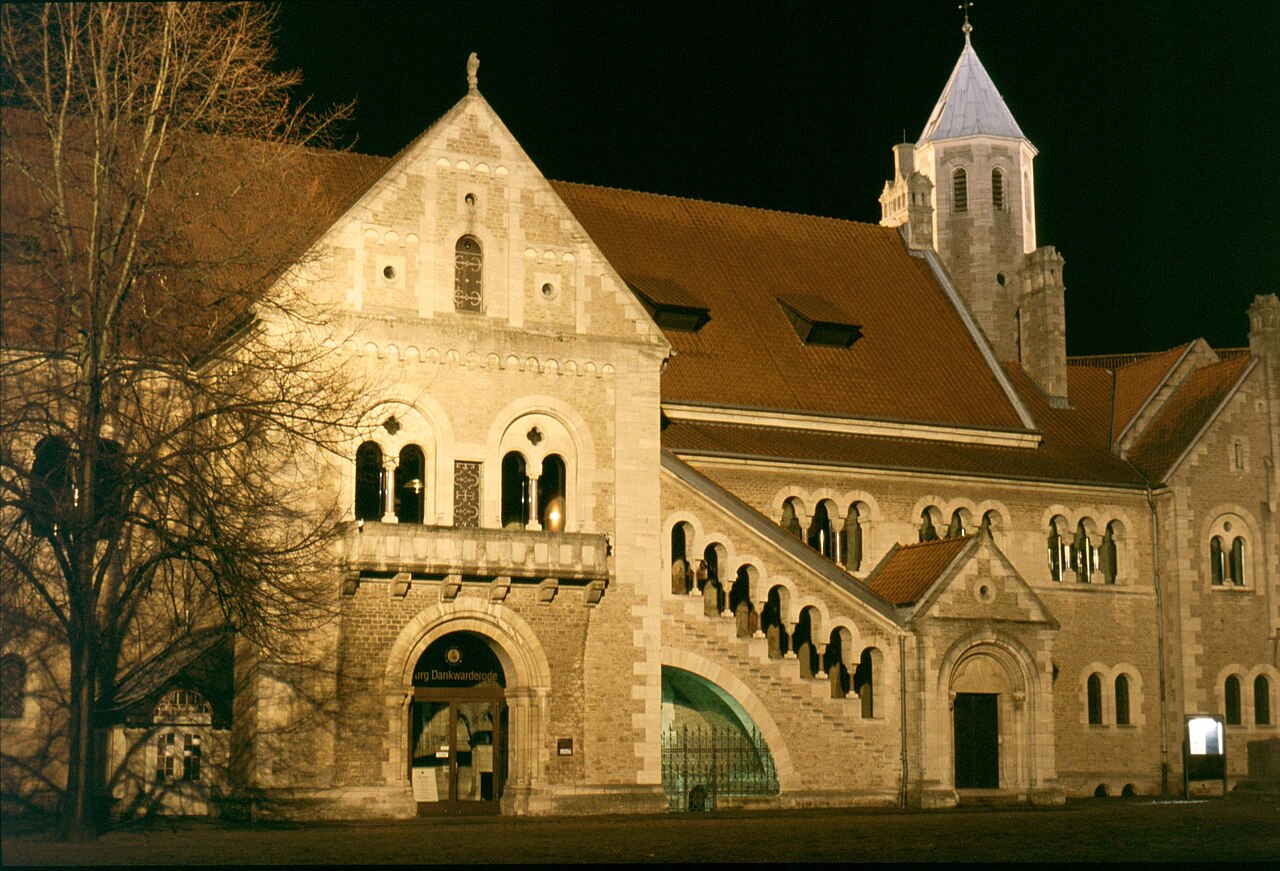
Richmond Castle in Braunschweig, Germany, stands as a distinguished example of 18th-century post-Renaissance architecture combined with the elegance of an English landscape garden. Constructed between 1768 and 1769, the castle was commissioned by Princess Augusta, later Duchess of Braunschweig, wife of Karl Wilhelm Ferdinand. Its name pays homage to the princess's English roots, specifically her home in Richmond Park in London, which inspired the castle's design and surrounding parkland.
Situated near the Oker river in the southern part of Braunschweig, the castle and its grounds represent one of the earliest examples of the English landscape garden style in northern Germany. This style was characterized by naturalistic landscaping, sweeping lawns, and carefully arranged groves and water features, a marked departure from the formal, geometric gardens of earlier periods.
Architectural design and style
The castle exemplifies the post-Renaissance architectural period, with influences from Baroque and early Neoclassical styles that were prevalent in the mid to late 18th century. Its design reflects the tastes of the European aristocracy of the time, emphasizing elegance, symmetry, and harmony with the natural environment.
The structure itself is relatively modest in scale compared to medieval fortresses, focusing instead on residential comfort and aesthetic appeal. The building features a balanced façade with large windows, classical pilasters, and a hipped roof. The interiors were designed to accommodate the refined lifestyle of the duchess and her court, including reception rooms, private chambers, and service areas.
Construction and landscaping
The construction of Richmond Castle was completed swiftly within two years, a testament to the efficient coordination of architects and craftsmen. The castle's location near the Oker river not only provided scenic views but also allowed for the integration of water elements within the landscape garden.
The accompanying park was laid out simultaneously with the castle, embodying the principles of the English landscape garden movement. This movement sought to create naturalistic landscapes that appeared untouched by human hands, featuring rolling lawns, serpentine paths, and strategically placed clusters of trees and shrubs. The park at Richmond Castle is notable for its early adoption of these ideas in northern Germany, alongside the famous Worlitzer Park.
Historical significance and cultural context
Princess Augusta, for whom the castle was built, was a significant figure in Braunschweig's history. Her marriage to Karl Wilhelm Ferdinand linked the duchy to important European royal families. Richmond Castle served not only as a private residence but also as a symbol of cultural exchange between England and Germany during the Enlightenment period.
The castle and its park reflect the 18th-century aristocratic fascination with English culture and landscape design, which influenced many noble estates across continental Europe. Richmond Castle stands as a physical manifestation of these cross-cultural ties and the era's aesthetic values.
Later history and preservation
Over the centuries, Richmond Castle has retained much of its original charm and landscape setting. Unlike medieval castles built for defense, Richmond Castle's purpose was primarily residential and recreational, which has contributed to its well-preserved condition.
The castle and park remain important heritage sites in Braunschweig, attracting visitors interested in architecture, history, and garden design. Conservation efforts have focused on maintaining the integrity of the landscape garden and the castle's architectural features, ensuring that Richmond Castle continues to exemplify 18th-century aristocratic culture.
Visiting Richmond Castle today
Today, Richmond Castle offers visitors a glimpse into the refined lifestyle of 18th-century German nobility influenced by English tastes. The castle's location near the Oker river provides a picturesque setting for walks and cultural events. The park's design encourages leisurely exploration, with its winding paths and scenic vistas.
Visitors can appreciate the harmonious integration of architecture and landscape, a hallmark of the English landscape garden style. The castle occasionally hosts exhibitions and public events that celebrate its historical and cultural legacy.
Frequently asked questions (FAQ)
- What are the opening hours of Richmond Castle?
- Richmond Castle is open to visitors from 10 AM to 6 PM during the summer months, and from 10 AM to 4 PM in the winter. It's advisable to check the official website for any seasonal variations or special holiday hours before planning your visit.
- Can I purchase tickets online for Richmond Castle?
- Yes, visitors can purchase tickets online through the official Richmond Castle website. Buying tickets in advance is recommended to avoid long queues, especially during peak tourist seasons.
- When was Richmond Castle built?
- Richmond Castle was originally constructed in the late 11th century, around 1080, as a strategic fortification. It has a rich history that reflects the architectural styles and military needs of its time.
- Is Richmond Castle accessible for visitors with disabilities?
- Richmond Castle is committed to making its facilities accessible to all visitors. There are ramps and designated pathways to assist those with mobility challenges, and staff are available to provide any additional assistance needed.
- What is the historical significance of Richmond Castle?
- Richmond Castle played a crucial role in the defense and administration of the region during the medieval period. Its well-preserved structures provide insight into the feudal system and the architectural advancements of the time.
- What is the best time to visit Richmond Castle?
- The best time to visit Richmond Castle is during the spring and early autumn when the weather is pleasant and the castle grounds are in full bloom. Additionally, these seasons tend to have fewer tourists, allowing for a more relaxed experience.
- Are there any nearby attractions to Richmond Castle?
- Yes, nearby attractions include the historic Old Town of Braunschweig, with its charming streets and buildings, and the beautiful gardens of the Cathedral of St. Blasius. These sites can enhance your visit and provide a fuller experience of the area's rich history.
- Why is Richmond Castle considered an architectural gem?
- Richmond Castle is considered an architectural gem due to its blend of Romanesque and Gothic styles, which reflect the evolution of castle design over the centuries. Its impressive towers and well-preserved walls showcase the craftsmanship of its builders and the historical significance of fortifications in medieval Europe.
Information
Website
Visit websiteSources & official resources
Verify the information above using these authoritative references.
Loading map...
Visitor reviews
No reviews yet. Been here? Write the first review and help other travelers!
Write the first reviewVisited this castle? Share your experience
Your review helps other travelers and adds first-hand knowledge to our encyclopedia.