Richborough Roman Fort, also known historically as Richborough Castle, stands as a significant example of a Roman Saxon Shore fort in the United Kingdom. Located near the town of Sandwich in Kent, this site features substantial remains of massive fort walls that rise several metres high, showcasing the scale and strength of Roman military architecture. The fort is an archaeological landmark that provides insight into Roman Britain's coastal defenses and urban development during the Roman occupation.
Strategic location and historical context
The fort is situated near the mouth of the River Stour and the large natural harbour that was once part of the Wantsum Channel, a significant waterway connecting the North Sea to the English Channel. This location made Richborough a critical gateway for Roman forces entering Britain, especially following the Roman conquest of Britain in AD 43. The area around the fort developed into a larger Roman town known as Rutupiae or Portus Ritupis, which functioned as a vital commercial and military hub.
Originally, the site was positioned on the coast, but due to centuries of silting and changes in the landscape, it now lies approximately 2.5 miles inland from the current coastline. This shift illustrates the dynamic nature of the coastal environment and its impact on historical sites.
Early fortifications and Roman military presence
Initial fortifications on the site were earthworks constructed in the 1st century AD. These early defenses likely served as a storage depot and a bridgehead for the Roman army during their initial campaigns in Britain. The earthwork fortifications laid the groundwork for the later, more permanent stone structures.
Over time, the military importance of the site grew, and the surrounding civilian settlement expanded, reflecting the dual military and commercial roles of the location. The town of Rutupiae became a thriving port and urban centre, facilitating trade and supply routes inland via the road now known as Watling Street.
Construction of the stone Saxon Shore fort
Around the year 277 AD, the Romans constructed a large stone fortification on the site as part of the Saxon Shore defense system. This was a network of coastal forts built to defend the southeastern coast of Roman Britain from seaborne raids by Saxon pirates and other hostile groups.
The stone fort at Richborough featured bastioned walls designed to provide strong defensive capabilities. Its construction is attributed to the rebel emperor Carausius, who ruled a breakaway Roman regime in Britain and northern Gaul during the late 3rd century. The fort's robust architecture reflects the military tensions and strategic priorities of the period.
Architectural features and layout
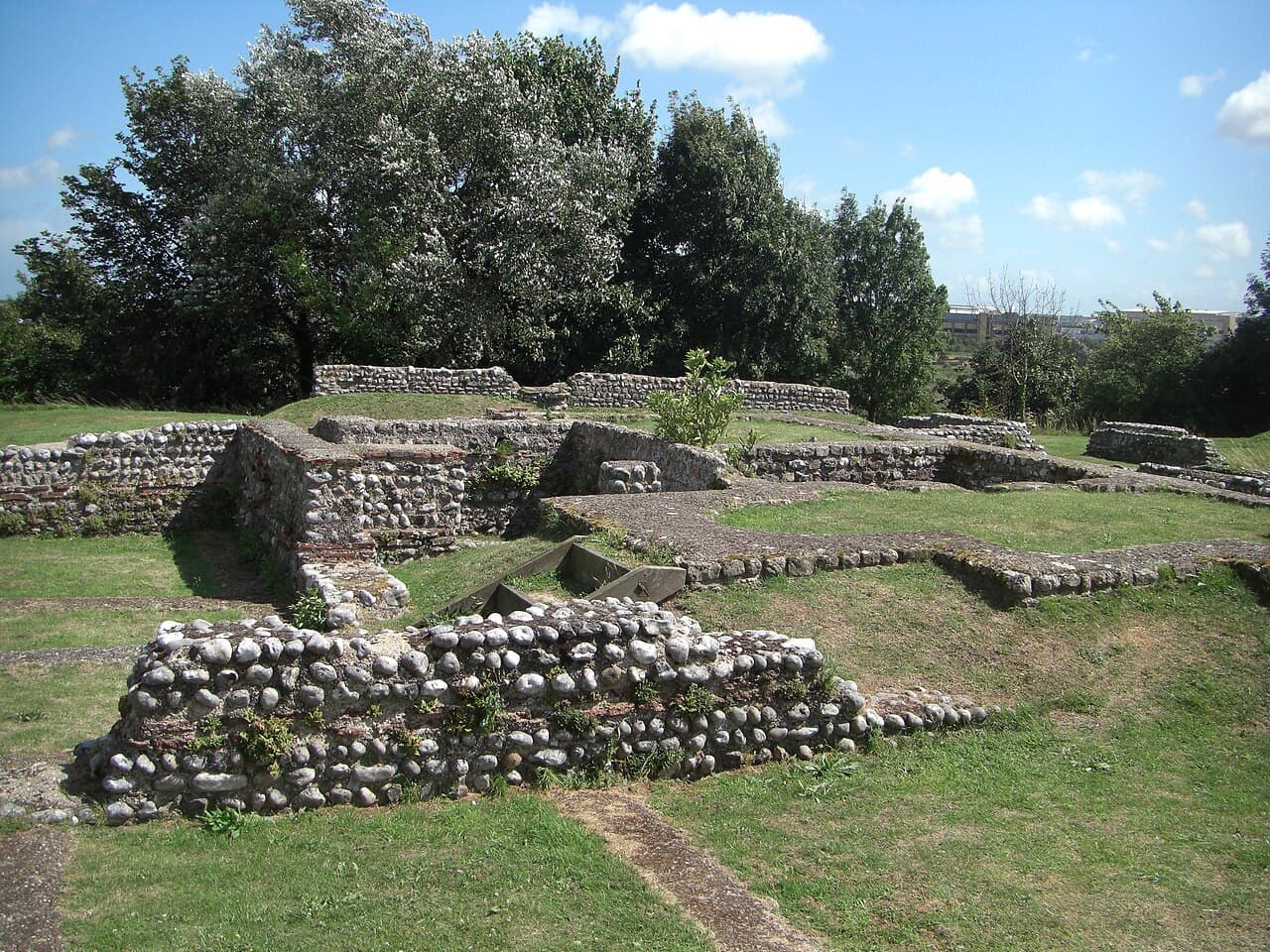
The fort's walls were built using large stone blocks and included multiple bastions projecting outward to allow defenders to cover the curtain walls with overlapping fields of fire. The fort likely contained a range of internal buildings such as barracks, granaries, and command facilities, although much of the internal structure is known primarily through archaeological excavation.
The site also contained a port area linked to the fort and town, facilitating the movement of troops and supplies by sea. The integration of military and civilian functions illustrates the complexity of Roman frontier settlements.
Later history and preservation
After the Roman withdrawal from Britain in the early 5th century, the fort and town declined but left a lasting imprint on the landscape and local history. The ruins of Richborough Roman Fort have been the subject of archaeological study since the 19th century, revealing much about Roman military engineering and urban life.
Today, the site is managed by English Heritage and is accessible to the public. Visitors can explore the remains of the bastioned fortress walls and learn about the site's role in Roman Britain's coastal defense system.
Richborough's role in Roman Britain's network
Richborough was a key node in the Roman road network, particularly as the starting point of Watling Street, which connected the southeast coast to inland Roman towns and military sites. The fort's position at the mouth of a major waterway made it a vital entry point for goods, soldiers, and officials arriving by sea.
The fort's inclusion in the Saxon Shore system highlights its importance in the broader defensive strategy against maritime threats during the late Roman period.
Frequently asked questions (FAQ)
- How do I get to Richborough Roman Fort?
- Richborough Roman Fort is located in Kent, United Kingdom. You can reach it by car via the A256 road, and there is parking available on-site. Additionally, public transport options include local buses that connect to nearby towns.
- What is the historical significance of Richborough Roman Fort?
- Richborough Roman Fort was an important military site during the Roman conquest of Britain. It served as a main port and entry point for Roman forces in the early years of the Roman occupation. The fort's ruins provide valuable insights into Roman military architecture and the history of Britain during this period.
- When was Richborough Roman Fort built?
- Richborough Roman Fort was established around AD 43, shortly after the Roman invasion of Britain. It underwent several modifications and expansions over the centuries, reflecting the evolving military needs of the Romans in the region.
- Can I visit Richborough Roman Fort year-round?
- Yes, Richborough Roman Fort is open to visitors throughout the year, although hours may vary seasonally. It's advisable to check the official website for the most up-to-date information on opening hours before your visit.
- Why is Richborough Roman Fort considered an architectural marvel?
- Richborough Roman Fort features impressive remnants of Roman construction, including substantial walls and a gateway that once provided access to the fort. The fortification's design showcases the advanced engineering techniques of the Romans, making it a significant example of their architectural prowess.
- Is it possible to access all areas of Richborough Roman Fort?
- While many areas of Richborough Roman Fort are accessible to visitors, some sections may have restricted access due to preservation efforts. However, there are well-marked pathways that allow you to explore the main features of the fort comfortably.
- What are the ticket prices for visiting Richborough Roman Fort?
- Entrance to Richborough Roman Fort is generally free, but there may be fees for guided tours or special events. It’s best to check the official site for specific pricing details and any available discounts for families or groups.
- When is the best time to visit Richborough Roman Fort?
- The best time to visit Richborough Roman Fort is during the spring and summer months when the weather is mild and the landscape is vibrant. These seasons also often coincide with various events and activities that enhance the visitor experience.
- Are there any nearby attractions to visit after Richborough Roman Fort?
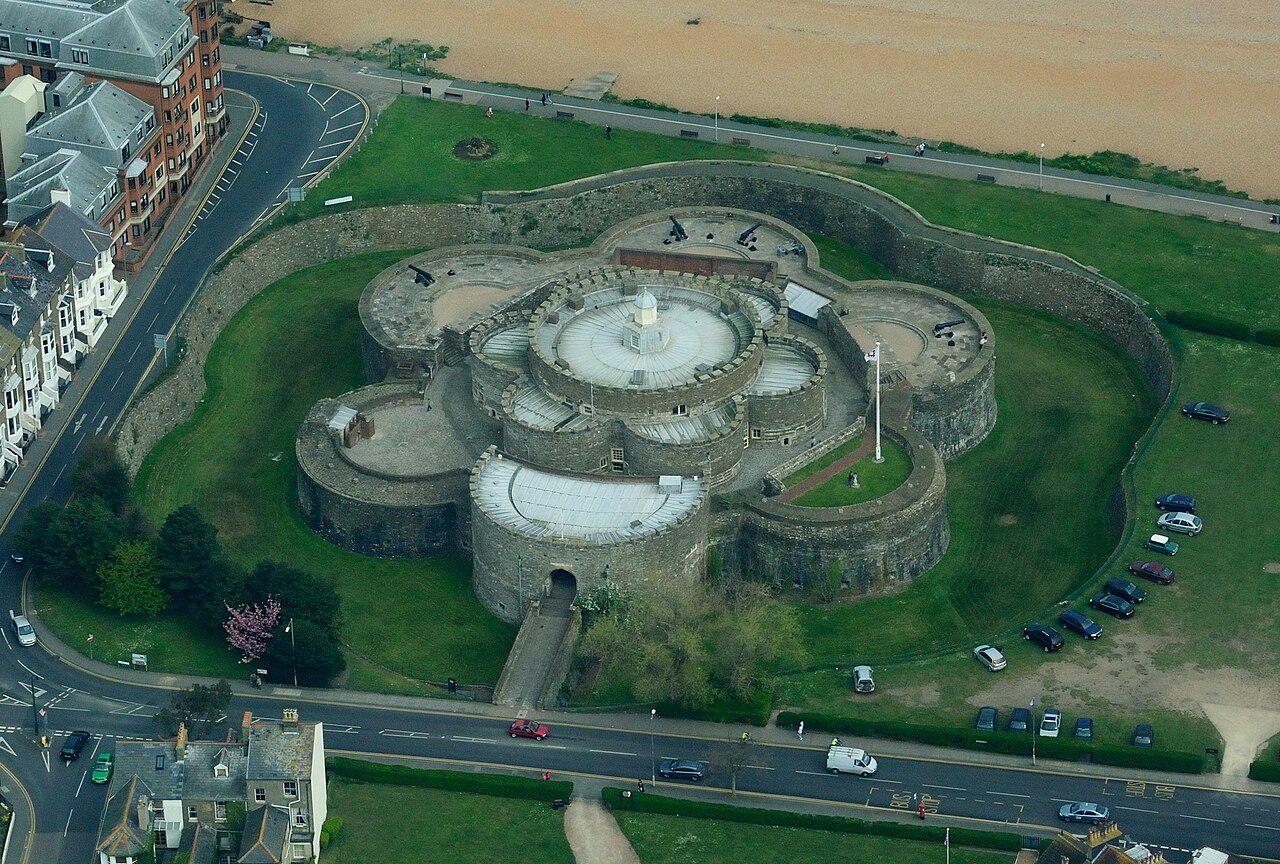
- Yes, there are several attractions nearby, including the picturesque village of Sandwich, which offers charming shops and cafes. Additionally, the nearby White Cliffs of Dover and Deal Castle make for excellent follow-up visits after exploring the fort.
Photo gallery

Photo by Midnightblueowl (talk)•Public domain
Information
Loading map...
Visitor reviews
No reviews yet. Been here? Write the first review and help other travelers!
Write the first reviewVisited this castle? Share your experience
Your review helps other travelers and adds first-hand knowledge to our encyclopedia.