Ribnica Castle
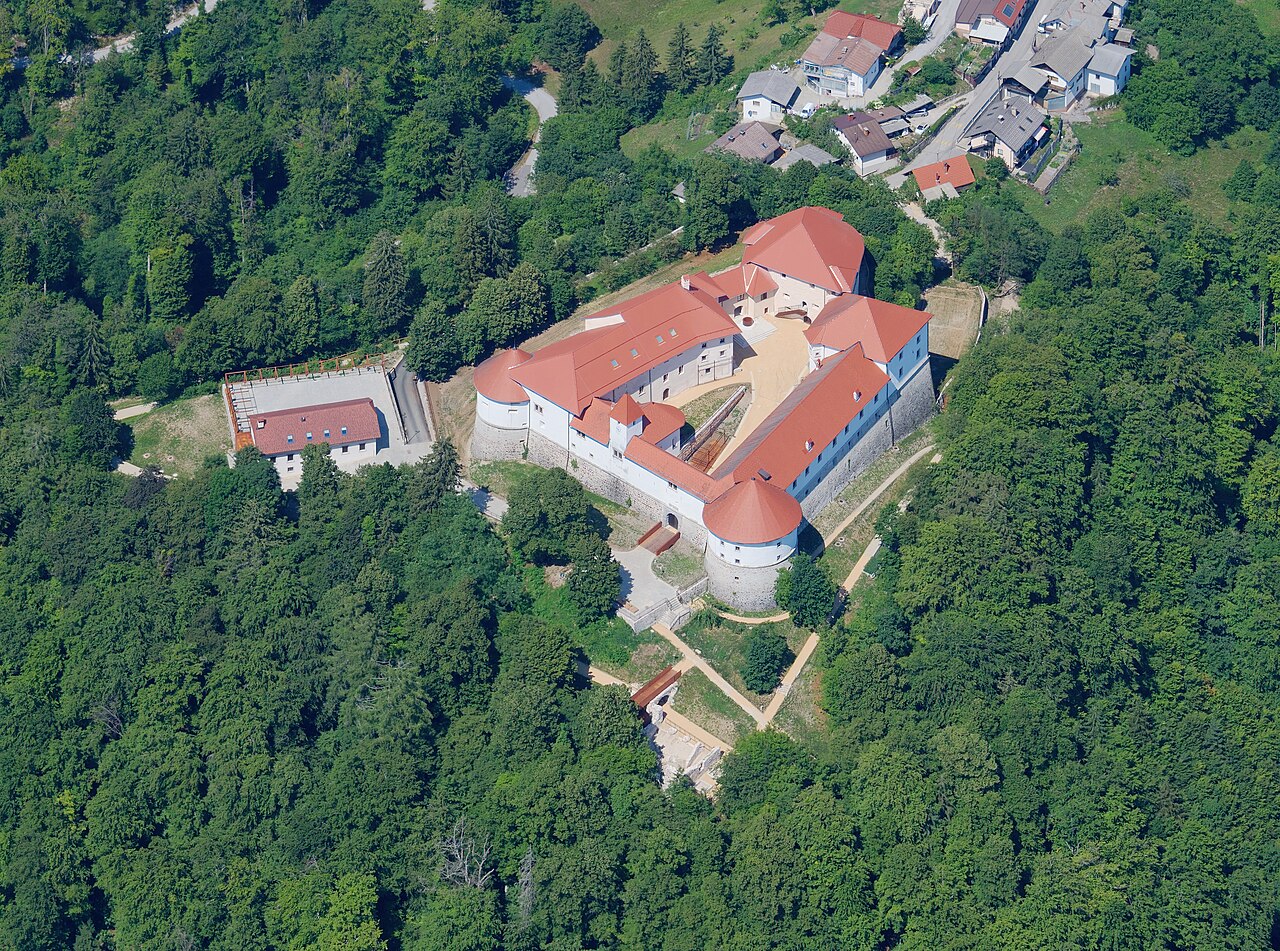
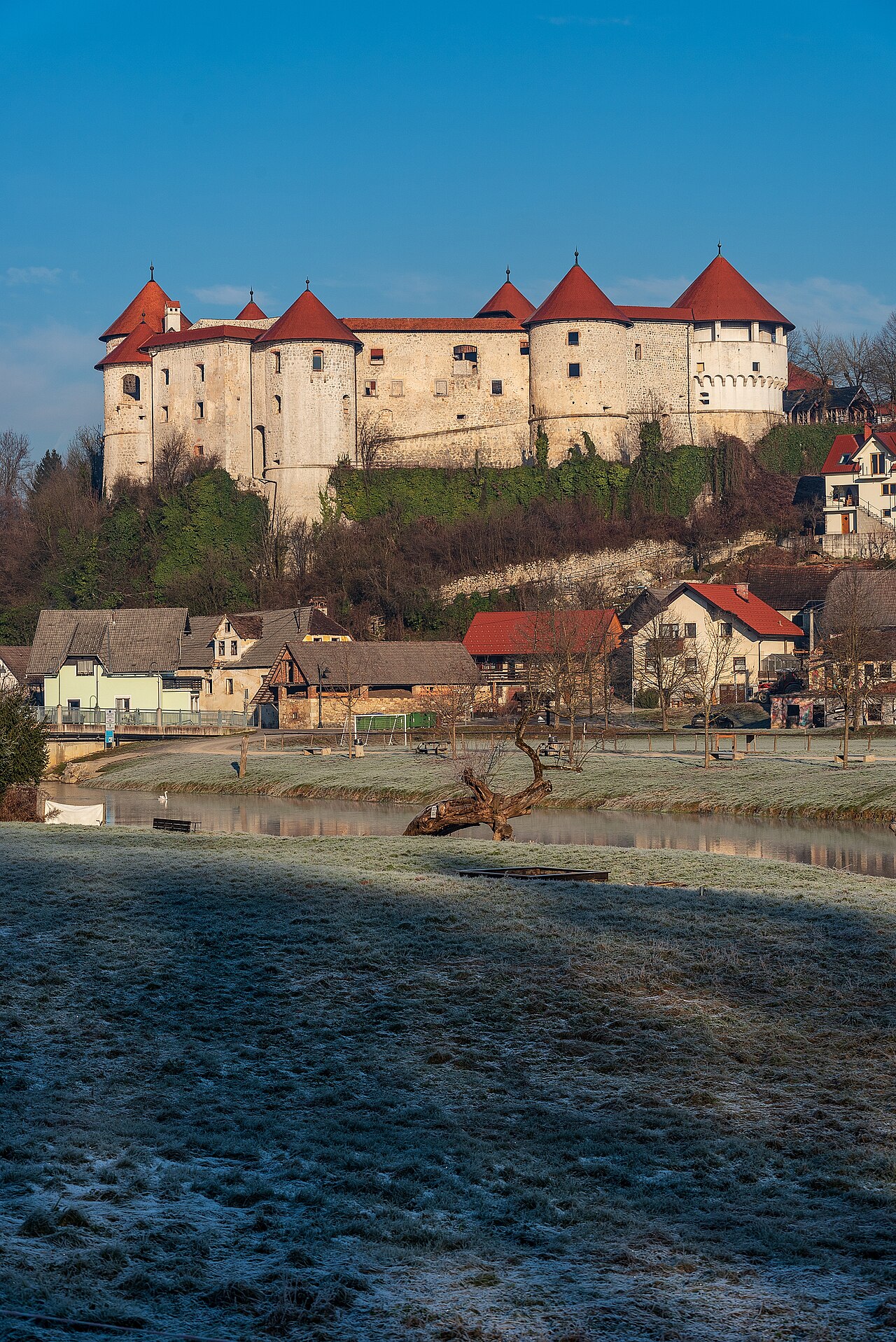
Ribnica Castle stands as a notable example of medieval fortification in Slovenia, located beside the Bistrica River in the town of Ribnica. Constructed primarily in the 12th century, it belongs to the group of early castles that emerged in the High Medieval period, reflecting the architectural and defensive needs of the time. Although much of the castle was damaged during World War II and subsequently demolished, significant portions of its historic structure remain visible today, offering insights into its evolution from a military fortress to an aristocratic residence and now a cultural center.
Historical development and architectural evolution
The original castle was built in the second half of the 12th century as a compact fortification featuring a two- or three-story residential building and an interior courtyard with a cistern, all enclosed by a defensive wall. This setup was typical for early medieval castles designed to provide both habitation and protection. Over the centuries, the castle underwent several modifications to enhance its defensive capabilities and adapt to changing military technologies.
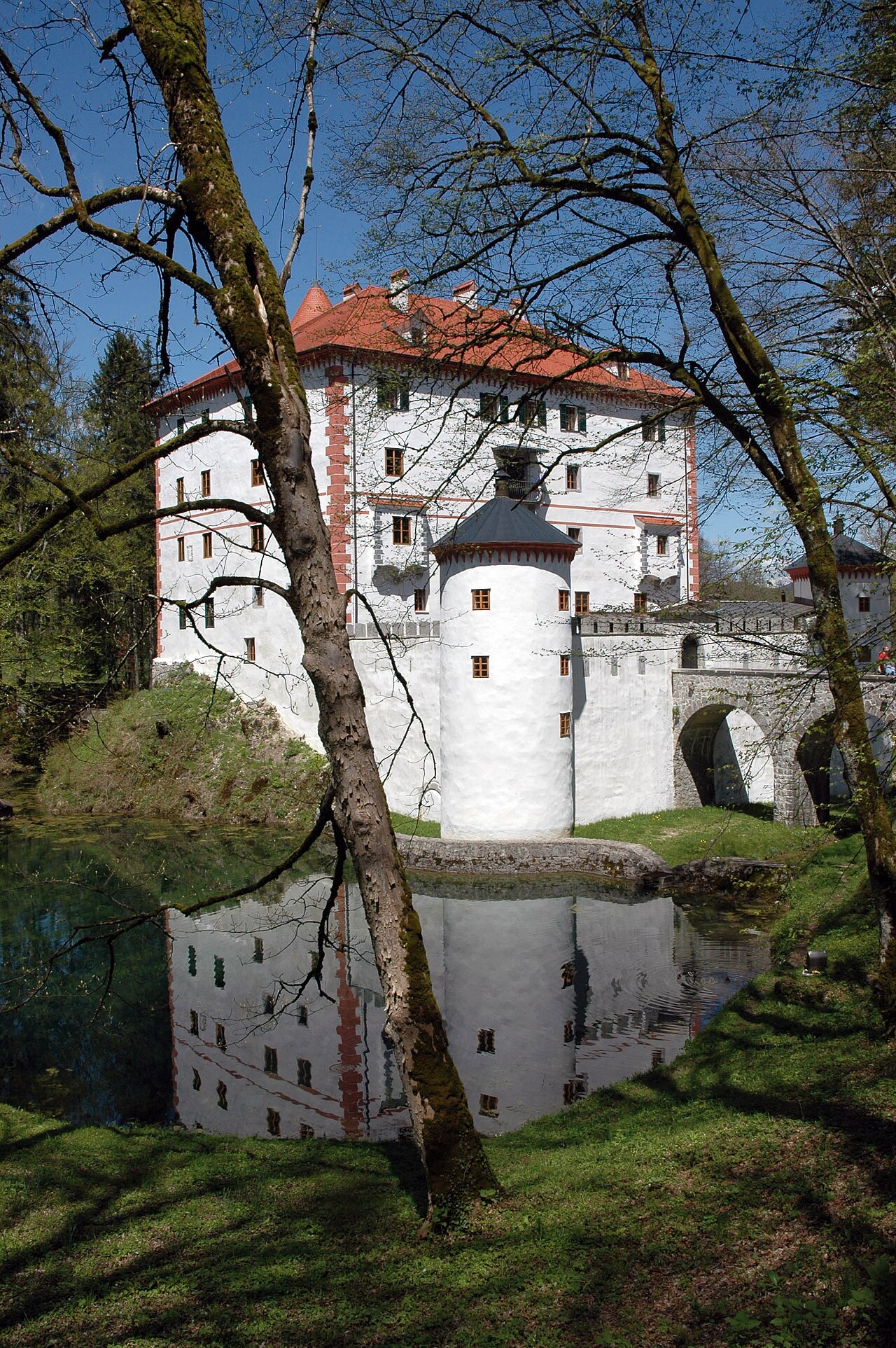
During the Middle Ages, the castle’s basic interior walls were reinforced to withstand sieges and attacks. By the late 15th century and through the 16th century, a new outer curtain wall was constructed, featuring towers that took on the primary defensive role. This outer wall created a fortified perimeter, often surrounded by a moat, which was a common feature in castles aiming to deter invaders and provide a stronghold for the ruling nobility.
Architectural features and layout
The surviving elements of Ribnica Castle include parts of the outer defensive wall with its characteristic arcades and two remaining towers. These towers were integral to the castle’s defense system, providing vantage points for surveillance and platforms for archers or artillery. The moat, which once encircled the castle, added an additional layer of security, making direct assault more difficult.
Inside the walls, the castle evolved from a purely military fortress into a more comfortable aristocratic residence during the later centuries. This transformation included modifications to the living quarters and the addition of spaces suitable for social and administrative functions, reflecting the changing role of castles in society from military bastions to noble homes.
Ribnica Castle in modern times
Despite the destruction it suffered in the 20th century, Ribnica Castle has been preserved as a significant cultural landmark. It is currently managed under the auspices of the Miklova House Public Institute, which operates a small museum within the castle grounds. The museum features an ethnographic exhibit showcasing Ribnica’s renowned woodenware and pottery, traditional crafts that highlight the region’s cultural heritage.
Additionally, an archaeological exhibit presents findings from the Bronze Age, connecting the site to a much longer historical timeline and illustrating the area’s continuous human occupation. These exhibits provide visitors with a broad understanding of both the local cultural traditions and the deep historical roots of the region.
Current cultural and community uses
The castle remains a vibrant part of Ribnica’s community life. The Wedding Hall, located within the castle, hosts traditional wedding marches on Saturdays, reviving the festive atmosphere of earlier times. The castle grounds have been developed into a cultural park that features statues of notable local figures, celebrating Ribnica’s heritage.
Within the park, visitors can also find a small Forma Viva sculpture exhibition and a summer theatre that serves as the venue for an annual festival of amateur theatres. These cultural activities contribute to the castle’s role as a center for arts and community gatherings.
Every year on the first Sunday in September, Ribnica Castle hosts performances connected to the Ribnica Fair, an event that draws locals and tourists alike to experience traditional music, crafts, and festivities within the historic setting of the castle walls.
Architectural significance and preservation
Ribnica Castle exemplifies the architectural transition from early medieval fortifications to Renaissance-era enhancements, illustrating the adaptation of defensive structures to new military challenges and social functions. The remaining arcades and towers provide valuable examples of medieval masonry and castle design in the Slovenian context.
Though the castle is largely in a partially preserved state due to wartime damage and later demolition, ongoing conservation efforts aim to maintain its structural remains and promote its historical and cultural importance. The integration of museum exhibits and cultural events ensures that Ribnica Castle continues to be a living monument rather than a static ruin.
Frequently asked questions (FAQ)
- How do I visit Ribnica Castle?
- Ribnica Castle is open to visitors primarily during cultural events and exhibitions. It is best to check local schedules for museum opening hours and special events hosted by the Miklova House Public Institute.
- What exhibits can I see at Ribnica Castle?
- Visitors can explore ethnographic exhibits featuring Ribnica's traditional woodenware and pottery, as well as archaeological displays of Bronze Age artifacts found in the area.
- When was Ribnica Castle originally built?
- Ribnica Castle was originally constructed in the 12th century, during the High Medieval period, as a defensive fortress beside the Bistrica River.
- Is Ribnica Castle accessible for events and weddings?
- Yes, the castle features a Wedding Hall that hosts wedding marches and ceremonies, especially on Saturdays, providing a historic and atmospheric venue.
- What cultural events take place at Ribnica Castle?
- The castle hosts a summer theatre festival of amateur theatres, a Forma Viva sculpture exhibition, and performances during the annual Ribnica Fair on the first Sunday of September.
Information
Current owner
Miklova House Public Institute
Loading map...
Visitor reviews
No reviews yet. Been here? Write the first review and help other travelers!
Write the first reviewVisited this castle? Share your experience
Your review helps other travelers and adds first-hand knowledge to our encyclopedia.