Rheineck Castle
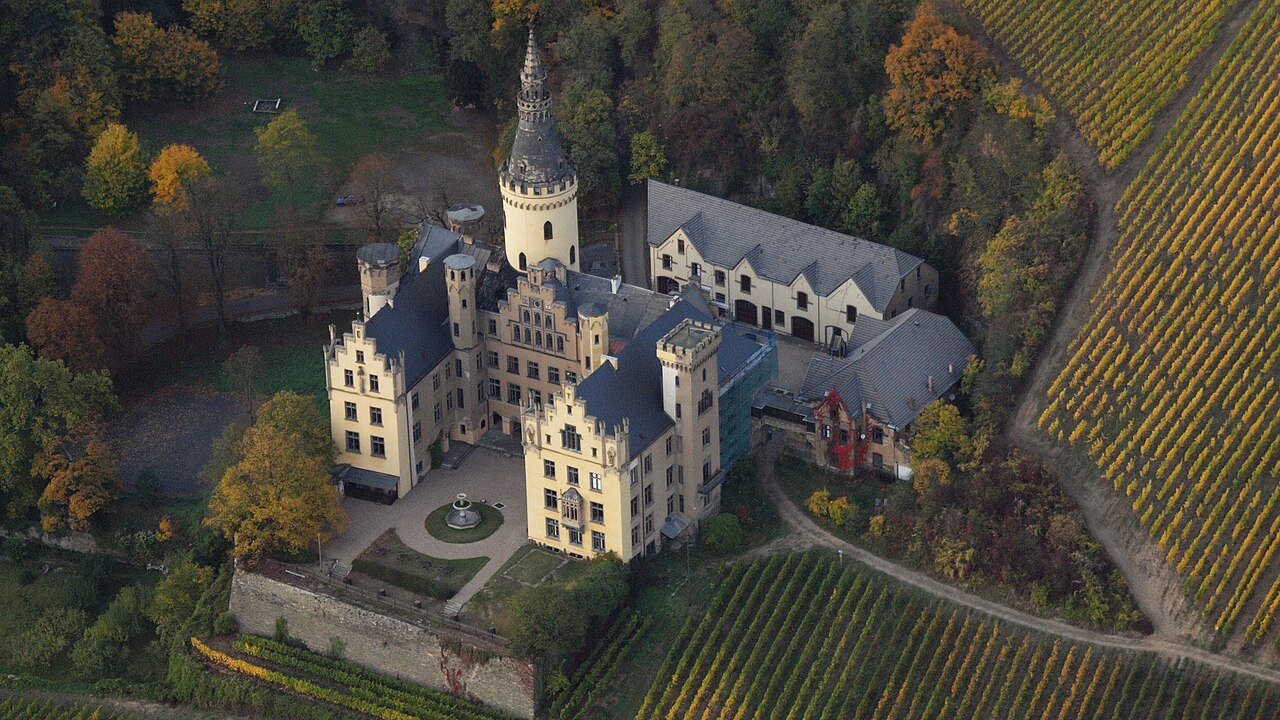
Rheineck Castle stands as a notable example of a High Medieval fortress located in Bad Breisig, Germany. Its origins trace back to the 12th century, with historical records attributing its foundation to Count Palatine Otto I of Salm. The castle's strategic position along the Rhine River made it a significant stronghold during the turbulent medieval period.
Foundation and early history
The castle was initially constructed in the early 12th century to serve as a defensive and administrative center for the County Palatine of the Rhine. Following the death of its founder, the estate was seized by King Konrad III, who transferred ownership to his brother-in-law, Count Herman of Stahleck. This transfer sparked a fierce conflict over control of the County Palatine, a struggle that culminated in the castle's complete destruction by royal forces in 1151.
Rebuilding and architectural features
By 1164, the Archbishopric of Cologne had rebuilt Rheineck Castle, restoring its role as a fortified residence and regional power center. The reconstruction likely incorporated typical High Medieval defensive features, including thick curtain walls, a gatehouse, and defensive towers, although detailed architectural records from this period are limited.
One of the castle's most distinctive surviving elements is its castle chapel, notable for its octagonal design. This architectural feature draws inspiration from the Carolingian Octagon of Aachen Cathedral, reflecting a rare and sophisticated medieval ecclesiastical style. The chapel's design emphasizes the castle's dual role as both a military fortress and a place of worship.
Later history and decline
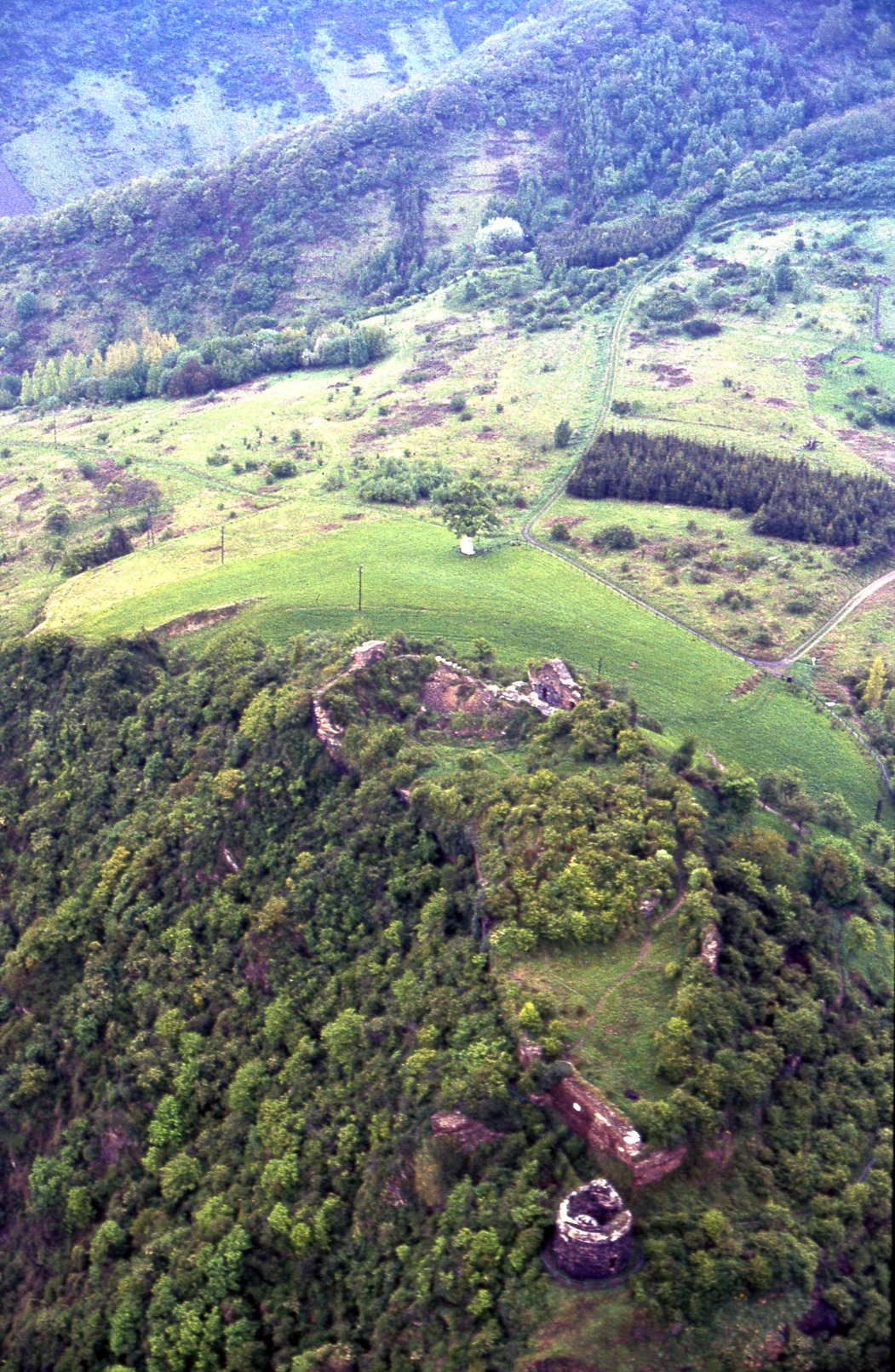
Rheineck Castle endured several centuries of regional conflicts, including the Palatine War of Succession in the 17th century, during which it suffered significant damage and ultimately fell into ruin. The castle's military importance waned as the political landscape of the Rhineland changed and newer fortifications emerged.
19th-century restoration and modern status
In 1832, the ruin was inherited by the Prussian politician von Bethmann-Hollweg, who undertook the reconstruction of the main building and the chapel. This restoration preserved the castle's historical and architectural significance, particularly highlighting the unique octagonal chapel, which remains a key feature of the site.
Today, Rheineck Castle remains in private ownership and is not open to the public. Despite this, it continues to be an important cultural landmark within the region, representing the layered history of medieval fortifications along the Rhine.
Architectural significance and legacy
The castle exemplifies the High Medieval architectural style with its robust defensive structures and ecclesiastical elements. Its octagonal chapel is especially significant as it connects Rheineck Castle to broader Carolingian architectural traditions, a rarity among Rhineland castles.
Rheineck Castle's history of destruction and rebuilding illustrates the shifting power dynamics of medieval Germany, particularly the contested control of the County Palatine of the Rhine. The castle's legacy endures through its architectural features and its role in regional history.
Frequently asked questions (FAQ)
- When was Rheineck Castle originally built?
- Rheineck Castle was originally built in the 12th century, likely founded by Count Palatine Otto I of Salm.
- Can visitors tour Rheineck Castle today?
- No, Rheineck Castle is currently privately owned and is not open to the public for tours.
- What is unique about the castle chapel at Rheineck Castle?
- The castle chapel is notable for its octagonal design, inspired by the Carolingian Octagon of Aachen Cathedral, which is rare among medieval castles.
- What happened to Rheineck Castle during the 17th century?
- The castle suffered significant damage during the Palatine War of Succession in the 17th century, leading to its decline and ruin.
- Who was responsible for the 19th-century restoration of Rheineck Castle?
- The Prussian politician von Bethmann-Hollweg inherited the ruins in 1832 and reconstructed the main building and chapel.
Information
Current owner
Private owner
Loading map...
Visitor reviews
No reviews yet. Been here? Write the first review and help other travelers!
Write the first reviewVisited this castle? Share your experience
Your review helps other travelers and adds first-hand knowledge to our encyclopedia.