Rezekne castle ruins stand as a historical monument in Rēzekne, Latvia, marking the site of a significant fortress that played a crucial role in the region's medieval military and administrative history. Originally constructed in 1285 by the Livonian Order master Vilhelms Šurborgs, the castle was built on the strategic Rositten stone hill, replacing an earlier Latgalian wooden fortress that archaeological evidence shows existed from the 9th to 12th centuries. This earlier wooden stronghold was part of the local Latgalian tribal defense system, although the exact circumstances and timing of its destruction remain unknown.
Architectural design and construction
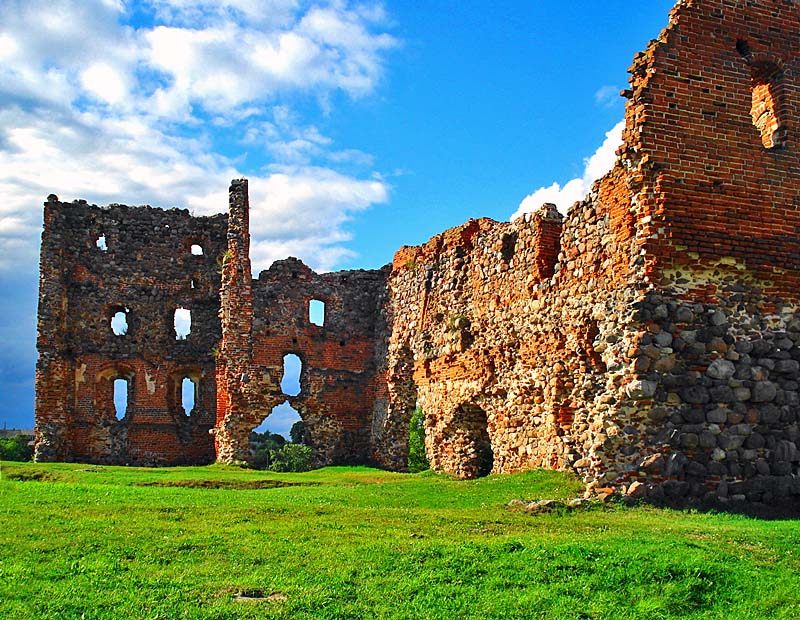
The stone fortress erected in the late 13th century was a formidable structure for its time. It featured a two-story castle constructed from brick and stone, complemented by three-storey towers and thick brick walls designed to withstand sieges and attacks. The castle's design reflected typical High Medieval military architecture of the Baltic region, emphasizing defense and administrative functionality. It served as the administrative seat for the Livonian Order's local landlords, overseeing the surrounding territory.
Military significance and historical events
Rezekne castle was a military stronghold central to the Livonian Order's campaigns against neighboring powers such as the Russians and Lithuanians. Its location made it a key base for controlling the region and launching defensive and offensive operations.
Occupation and conflicts
Between 1577 and 1579, the castle was occupied by the forces of Czar Ivan IV Vasilyevich, also known as Ivan the Terrible, during the Livonian War. Following this period, the castle became part of the Duchy of Livonia. In the early 17th century, during the Polish-Swedish War, the castle was seized by the Swedish army in 1601 and again from 1625 to 1626.
The Second Northern War and destruction
In 1656, during the Second Northern War, the castle was the site of a decisive battle where Swedish troops defeated a larger Russian force. This conflict resulted in the castle's near-total destruction. Although it was reinstated in 1660, the fortress never regained its former military importance.
Decline and current state
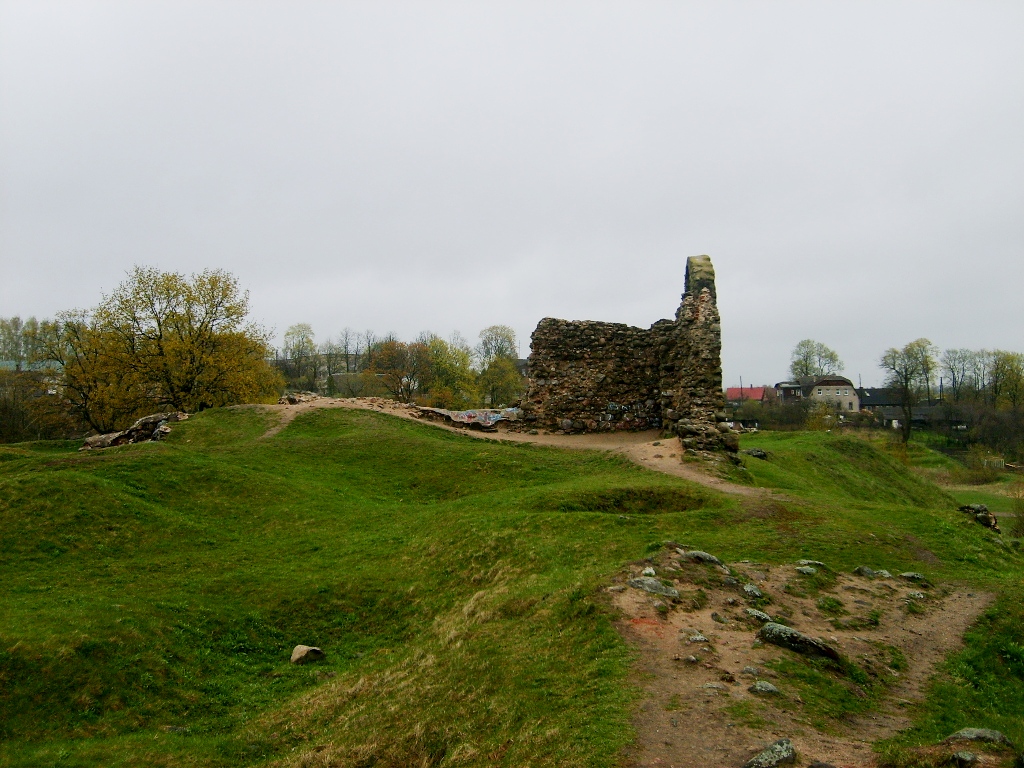
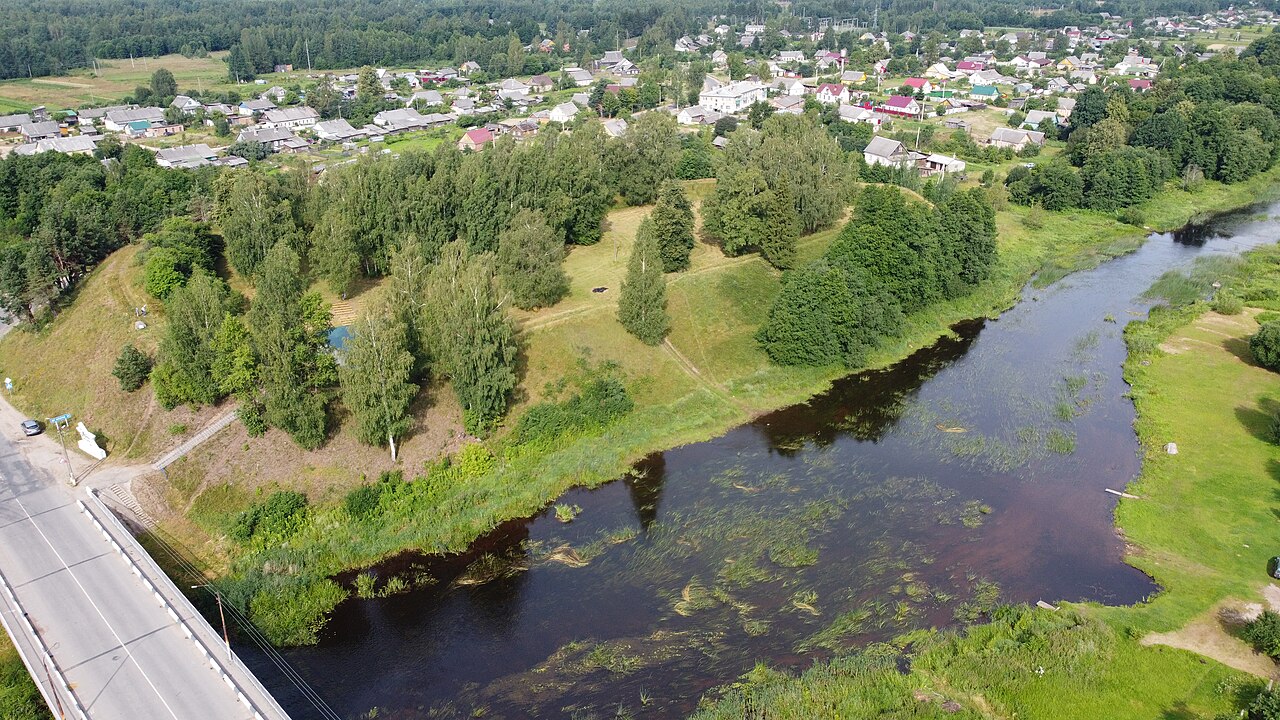
After 1712, Rezekne castle was abandoned and left in ruins. Today, visitors can see fragments of the original stone walls and the castle's foundation on the ancient hill, which serve as a testament to its historical significance and architectural heritage. The site is an important archaeological and cultural landmark in Latvia, reflecting the turbulent history of the Baltic region during the Middle Ages and early modern period.
Archaeological research and cultural importance
Extensive archaeological excavations at the site have uncovered artifacts and structural remains that provide insight into the castle's construction phases and the earlier Latgalian fortress. These findings contribute valuable knowledge about medieval fortifications in the Baltic area and the region's shifting political landscape. The ruins of Rezekne castle continue to attract historians, archaeologists, and tourists interested in the military and administrative history of the Livonian Order and the broader Baltic region.
Information
Website
Visit websiteSources & official resources
Verify the information above using these authoritative references.
Loading map...
Visitor reviews
No reviews yet. Been here? Write the first review and help other travelers!
Write the first reviewVisited this castle? Share your experience
Your review helps other travelers and adds first-hand knowledge to our encyclopedia.