Reposaari Fortress

Reposaari Fortress coastal defence system in Pori, Finland
Pori, Satakunta, Finland
Post-Renaissance (17th–18th c.)
Restored

Reposaari Fortress, also known as Reposaaren linnakepuisto, is a significant coastal defence system constructed in the 1930s to protect the vital harbor of Pori, Finland. This fortress was strategically designed to defend against naval threats, specifically from the Russian fleet, during a period of increasing geopolitical tensions in the Baltic Sea region.

Strategic importance and historical context

The fortress was built as part of Finland's efforts to secure its western coastline and maritime infrastructure. The harbor of Pori was a critical economic and military asset, necessitating robust defensive measures. The Reposaari Fortress was constructed during the interwar period, reflecting the military architecture and coastal defence strategies of the time.

Architectural layout and features

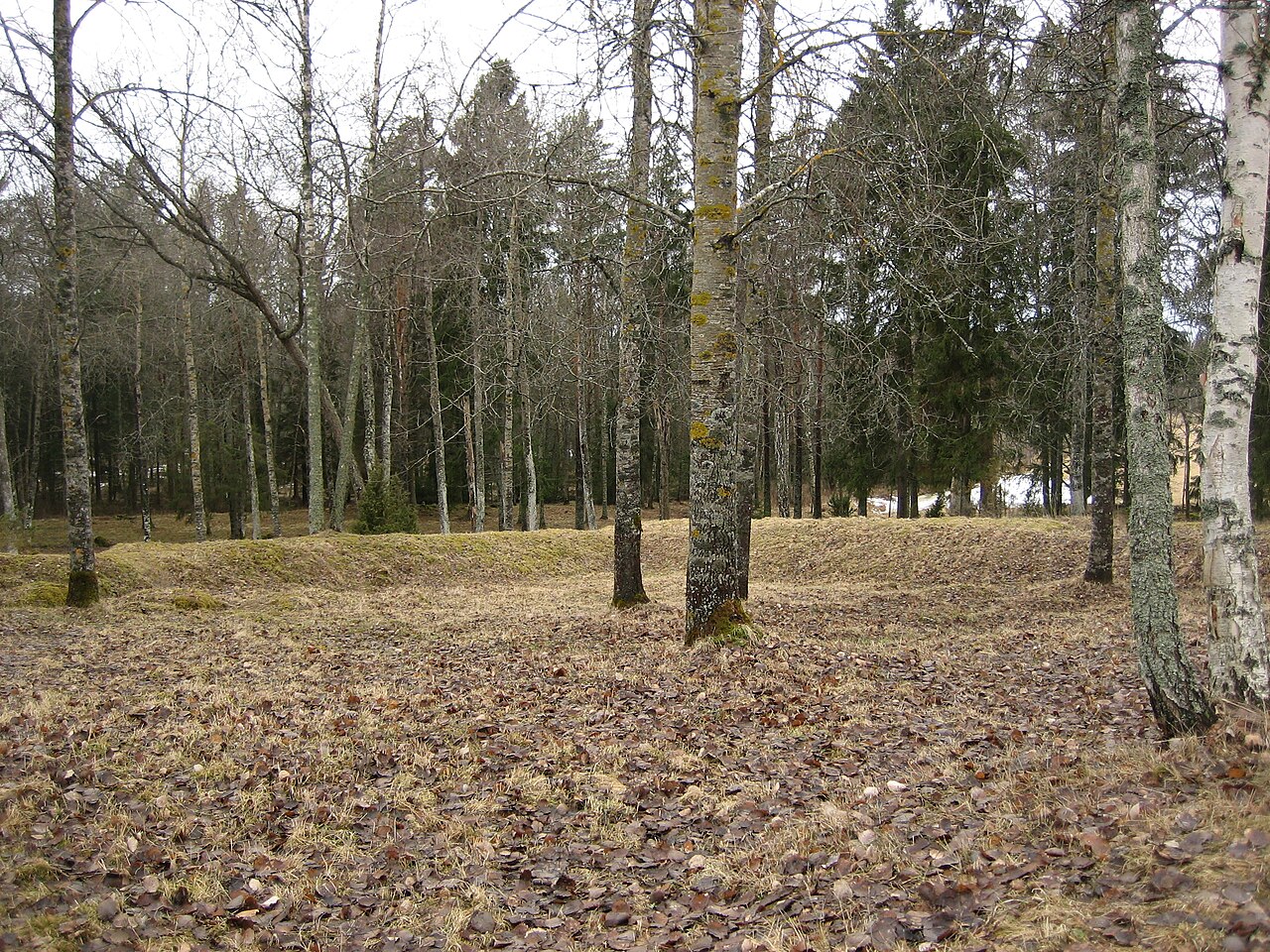
The fortress complex covers approximately 20 hectares and includes two main gun positions equipped to engage enemy ships approaching the harbor. These gun emplacements were supported by magazines for ammunition storage, dugouts providing shelter for personnel, and an extensive network of trenches for movement and protection.

The design of the fortress emphasizes both offensive and defensive capabilities, with gun positions positioned to maximize coverage of the sea approaches. The trenches and dugouts were constructed to offer protection from bombardment and to facilitate troop movements within the fortress.

Reconstructed wooden buildings

Although the original wooden structures suffered from decay, several buildings have been carefully reconstructed during the 1990s and 2000s. These reconstructions help visitors visualize the living and operational conditions of the fortress during its active years.

Military use and wartime role

During the Winter War (1939-1940), the fortress played an active role in Finland's coastal defence. It successfully shot down a Russian bomber and disrupted several bombing raids targeting the Pori harbor and surrounding areas. This defensive action highlights the fortress's operational effectiveness during a critical period of Finnish military history.

The Finnish Defence Forces continued to use the fortress until 1964, after which it was decommissioned as military technology and strategic needs evolved.

Preservation and public access

Today, Reposaari Fortress is a restored historical site open to the public. The site offers visitors a chance to explore the extensive fortifications, including the gun positions, trenches, and reconstructed buildings. Interpretive signage and guided tours provide educational insights into the fortress's history and architectural features.

The fortress stands as a well-preserved example of 20th-century coastal military architecture in Finland, reflecting the country's efforts to secure its maritime borders during a turbulent era.

Visitor information and experience

Visitors to Reposaari Fortress can walk along the preserved trenches and explore the gun emplacements, gaining a tangible sense of the defensive strategies employed. The surrounding natural environment and views of the Baltic Sea enhance the historical experience, connecting the site's military purpose with its coastal setting.

The site is accessible year-round, with seasonal variations in opening hours. Visitors are encouraged to wear suitable footwear for walking on uneven terrain and to respect the site's preservation guidelines.

Information

Coastal Castle / Fortress

Loading map...

Visitor reviews

No reviews yet. Been here? Write the first review and help other travelers!

Write the first review

Visited this castle? Share your experience

Your review helps other travelers and adds first-hand knowledge to our encyclopedia.
Write a review

(5/5)

0/2000 characters

Your review will be visible after admin approval

Nearby castles

44.2 km
Liinmaa Castle — Finland castle

Liinmaa Castle

Eurajoki, Finland

Liinmaa Castle, also known by its Swedish name Vreghdenborch, is a medieval hill castle located in Eurajoki, in the historical province of Satakunta, Finland. Constructed around 1370, this castle served as a strategic stronghold during the late medieval period but was abandoned early in the 15th century. Today, only earth walls remain of this once fortified site, offering a glimpse into Finland's medieval military architecture and regional power struggles. Historical context and origins The castle's origins are closely tied to the reign of King Albrecht von Mecklenburg of Sweden, who ruled from 1364 to 1389. In 1367, he ordered the demolition of a castle in Kokemäki, a nearby stronghold, replacing it with two new fortifications: Liinmaa Castle and another at Linnaluoto (Aborch). This move was likely part of a broader strategy to consolidate royal control over the region and to secure important trade and military routes along the Finnish coast. Liinmaa Castle was first mentioned in historical records in 1395, named after Dietrich Vieregge (Wereghede), a German noble mercenary serving under King Albrecht. This connection highlights the castle's role as a military outpost staffed by foreign knights loyal to the Swedish crown. Architectural features and layout The castle was primarily constructed from wood and bricks, typical materials for Finnish castles of the period. It was classified as a hill castle, built on elevated terrain to maximize defensive advantages. Archaeological excavations conducted in the 1970s and again in 2004–2005 revealed that Liinmaa Castle featured two inner ground walls, which formed concentric defensive rings around the core structures. These walls were complemented by wooden buildings inside the enclosure and a surrounding moat, which would have hindered attackers and controlled access. The castle's design reflects the transitional medieval fortification techniques in Finland, combining earthworks with wooden and brick elements to create a defensible position. Defensive structures The earth walls that remain today mark the perimeter of the castle's defensive works. These embankments would have been topped with wooden palisades or towers, although no stone towers survive. The moat, likely fed by nearby water sources, added an additional barrier against siege engines and infantry assaults. Role and historical significance Liinmaa Castle had a relatively brief active history. It was abandoned in the early 1400s when administrative and military functions were transferred to more prominent fortresses such as Kastelholm Castle and Turku Castle. This shift reflects changes in regional power dynamics and the centralization of authority within the Swedish realm. Legend associates the castle with piracy, possibly linked to the Victual Brothers, a group of privateers and pirates active in the Baltic Sea during the late 14th century. These brothers were hired by King Albrecht von Mecklenburg around 1392 to combat Danish influence, suggesting that Liinmaa Castle may have served as a base for naval operations or pirate activities during this turbulent period. Archaeological investigations and preservation Excavations in the 20th and early 21st centuries have provided valuable insights into the castle's structure and usage. The digs uncovered foundations of wooden buildings, remnants of the brick walls, and the earthworks that defined the castle's footprint. These findings confirm the castle's construction during the 14th and 15th centuries and its role as a military fortification rather than a residential palace. Today, Liinmaa Castle is preserved as an archaeological site with only earth walls remaining. It is lightly maintained, with limited visitor infrastructure. The site offers a tangible connection to Finland's medieval past and the complex history of Swedish rule in the region. Location and accessibility The castle is situated in Eurajoki, a municipality in western Finland. The site lies within the Satakunta region, an area known for its rich medieval heritage and proximity to the Baltic Sea. Visitors to the region interested in medieval history can explore the castle ruins alongside other historical sites such as Turku Castle and Kastelholm Castle. Access to the site is generally open, though facilities are minimal. The castle's remote and natural setting provides an authentic experience of medieval fortification remains in a Finnish landscape.

Late Medieval (14th–15th c.)
Details
58.7 km

Kokemäki Castle

Kokemäki, Finland

Kokemäki Castle (Kokemäen linna) was a significant medieval fortress located in the town of Kokemäki, Finland. Although the exact date of its foundation remains somewhat uncertain, historical evidence strongly suggests that the castle was completed around 1324-1325. It was strategically situated on Linnaluoto Island in the Kokemäenjoki River, serving as an important administrative center for the Kokemäenkartano slottslän, a local jurisdictional district during the medieval period.The castle played a pivotal role in regional governance and defense, functioning similarly to other contemporary Finnish strongholds such as the castles of Turku, Häme, and Vyborg, which have survived to the present day. Architecturally, Kokemäki Castle was likely constructed from limestone, a common building material in the region, and featured a distinctive round tower that was typical of fortifications in the Late Medieval period.Historical context and significanceThe castle's history is closely intertwined with the political struggles of 14th-century Sweden and Finland. In 1364-1365, Kokemäki Castle was the site of a siege by the army of King Albert of Sweden. At that time, the castle was under the control of Magnus IV of Sweden, reflecting the turbulent power dynamics of the era. This siege is one of the few recorded events directly associated with the castle.Despite its strategic importance, Kokemäki Castle was demolished in 1367 by royal order. The demolition was decreed by King Albert himself, reportedly in response to complaints from local residents who were burdened by heavy taxation imposed to maintain the castle. This event marked the end of the castle's active role in regional defense and administration.Architectural features and archaeological findingsWhile no substantial above-ground remains of Kokemäki Castle survive today, archaeological excavations carried out in 1885 have provided valuable insights into its construction and historical context. These excavations uncovered various artifacts dating not only to the 13th and 14th centuries but also to the Late Bronze Age, indicating the long-term human presence at the site.The castle's probable limestone construction and the presence of a round tower suggest it was built with defensive considerations typical of the Late Medieval fortifications in the region. The round tower would have offered a vantage point for surveillance and defense against attackers, a common feature in castles designed to withstand sieges and military conflicts.The aftermath and legacyFollowing the demolition of Kokemäki Castle, a new fortress known as Aborch was established approximately 1.5 kilometers upstream. The exact location of Aborch remains uncertain, and it was eventually disbanded in the early 15th century, around the 1410s. It is believed that Aborch was situated near the site of the later Kokemäenkartano manor, continuing the tradition of fortification and administration in the area.Today, Kokemäki Castle exists primarily as an archaeological site, with no visible structures remaining above ground. Its historical significance lies in its role as a medieval administrative center and its connection to the broader political and military history of Finland and Sweden during the Late Medieval period.Visiting kokemäki castle siteVisitors to the Kokemäki area interested in medieval history can explore the general vicinity of the former castle site on Linnaluoto Island. Although the castle itself no longer stands, the site offers a glimpse into Finland's medieval past through its archaeological heritage. Nearby, the Kokemäenjoki River provides a scenic backdrop that reflects the strategic importance of the location for controlling river traffic and regional defense.Information about the site is limited, and there are no dedicated visitor facilities or extensive interpretive displays. Prospective visitors should prepare accordingly and consider combining their visit with other historical and cultural attractions in the Kokemäki region.

Late Medieval (14th–15th c.)
Details
111.4 km

Katanpää Fort

Kustavi, Finland

Katanpää Fort stands as a significant example of early 20th-century coastal defense architecture in Finland. Constructed in 1915 during a period of heightened military tension, the fort was the northernmost link in a chain of sea forts designed by the Russian Empire to protect the vital maritime approaches to St. Petersburg. This strategic location in the Kustavi archipelago was chosen to guard important sea lanes, secure naval traffic, and maintain communications along the Baltic Sea coast. Historical context and construction The origins of Katanpää Fort trace back to the mid-19th century when the nearby island of Lypertö hosted a telegraph station during the Crimean War. By the early 20th century, the Russian Empire intensified its fortification efforts in the region, reflecting the growing importance of coastal defense amid rising geopolitical tensions. Construction began in the early 1910s, with a workforce comprising prisoners from eastern Russia, Manchuria, and the Amur region, as well as local Finnish laborers. These prisoners were responsible for building extensive infrastructure, including kilometers of cobblestone roads that remain a testament to their labor. A notable local legend emerged about the construction, fueled by the appearance of oriental prisoners, some of whom were women with distinctive clothing and long braids. This folklore highlights the diverse and often harsh conditions under which the fort was built. The fort's construction included the erection of approximately twenty ornate wooden buildings in traditional Russian style, cannon batteries, and a railway system to support military logistics. Architectural features and military significance Katanpää Fort is characterized by its combination of Russian wooden architecture and modern military fortifications. The fort includes four concreted cannon batteries, two of which date from the 1910s and two from the 1950s, reflecting continued military use and upgrades over several decades. These batteries were designed to defend the archipelago's sea lanes and provide a formidable deterrent against naval threats. The fort's layout includes defensive walls, bunkers, and support buildings that housed approximately 120 soldiers and their families during its operational peak. The isolated location contributed to a unique military community, with life at the fort described as relatively secluded. Despite its strategic importance, Katanpää Fort saw little direct combat, with its role during the Winter War and Continuation War focusing primarily on aerial surveillance and observation rather than active engagement. Post-independence history and usage Following Finland's independence, Katanpää Fort and its equipment were transferred to the Finnish state. The fort briefly came under the control of the Red Guards during the Finnish Civil War, a period marked by unrest and tension. Subsequently, the fort was used by the Finnish Coast Guard and army, serving as a training ground and sentry post. Between 1930 and 1940, the island also functioned as a prison, housing up to 100 inmates who worked in the island's quarry. This period coincided with a peak in prison populations across Finland due to social strains and the prohibition era. The prison's presence added a complex layer to the fort's history, intertwining military and civil uses. Preservation and current status After military personnel were withdrawn in the mid-1990s, Katanpää Fort was left unstaffed for the first time in its history. In 1999, control of the site passed to Metsähallitus, the Finnish state forestry administration, which opened the island to the public. The fort's remote location has contributed significantly to the preservation of its structures, including the well-maintained Russian-style wooden buildings and the concrete cannon batteries. Today, several buildings have been renovated, and the site serves as a cultural heritage destination. A local entrepreneur operates on the island, supporting tourism and educational activities. Visitors can explore the fortifications, admire the unique blend of military and architectural history, and experience the natural beauty of the Kustavi archipelago. Architectural legacy Katanpää Fort represents a rare example of a 20th-century coastal fortress that integrates traditional Russian wooden architecture with modern concrete military installations. The presence of ornate wooden buildings alongside functional military structures illustrates the dual purpose of the site as both a defensive position and a living community for soldiers and their families. Cultural and historical significance The fort's history reflects broader themes in Finnish and Russian history, including imperial military strategy, the impact of the Crimean War, the Finnish Civil War, and the World Wars. Its preservation provides valuable insights into the military and social history of the Baltic Sea region during a period of significant change. Visitor experience Visitors to Katanpää Fort can explore the extensive network of fortifications, including the cannon batteries and bunkers, as well as the distinctive wooden buildings. The island's natural setting offers scenic views and opportunities for hiking and photography. Interpretive materials and guided tours help contextualize the fort's historical role and architectural features.

Modern (19th–20th c.)
Details

