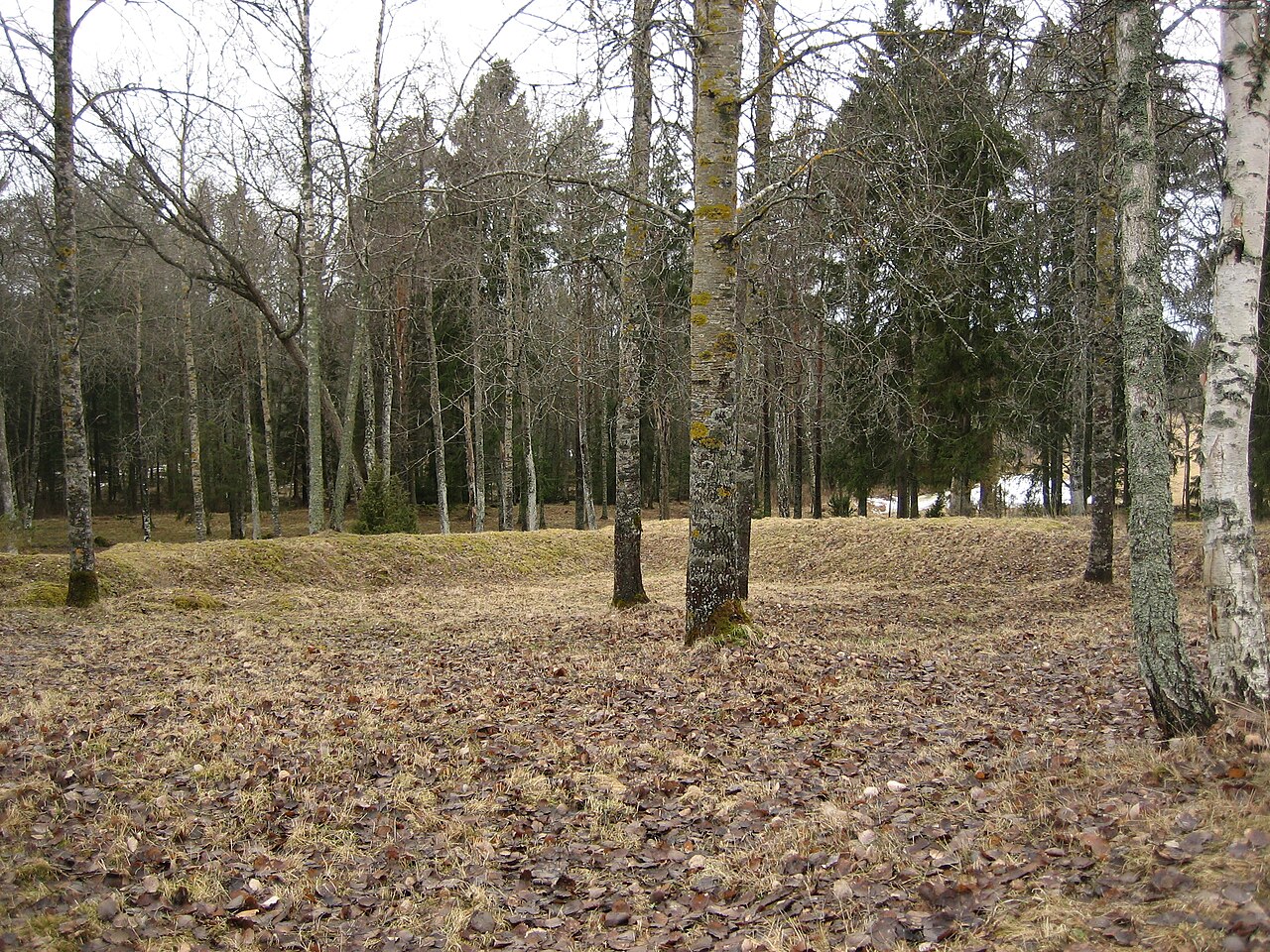
Kokemäki Castle
Kokemäki Castle (Kokemäen linna) was a significant medieval fortress located in the town of Kokemäki, Finland. Although the exact date of its foundation remains somewhat uncertain, historical evidence strongly suggests that the castle was completed around 1324-1325. It was strategically situated on Linnaluoto Island in the Kokemäenjoki River, serving as an important administrative center for the Kokemäenkartano slottslän, a local jurisdictional district during the medieval period.
The castle played a pivotal role in regional governance and defense, functioning similarly to other contemporary Finnish strongholds such as the castles of Turku, Häme, and Vyborg, which have survived to the present day. Architecturally, Kokemäki Castle was likely constructed from limestone, a common building material in the region, and featured a distinctive round tower that was typical of fortifications in the Late Medieval period.
Historical context and significance
The castle's history is closely intertwined with the political struggles of 14th-century Sweden and Finland. In 1364-1365, Kokemäki Castle was the site of a siege by the army of King Albert of Sweden. At that time, the castle was under the control of Magnus IV of Sweden, reflecting the turbulent power dynamics of the era. This siege is one of the few recorded events directly associated with the castle.
Despite its strategic importance, Kokemäki Castle was demolished in 1367 by royal order. The demolition was decreed by King Albert himself, reportedly in response to complaints from local residents who were burdened by heavy taxation imposed to maintain the castle. This event marked the end of the castle's active role in regional defense and administration.
Architectural features and archaeological findings
While no substantial above-ground remains of Kokemäki Castle survive today, archaeological excavations carried out in 1885 have provided valuable insights into its construction and historical context. These excavations uncovered various artifacts dating not only to the 13th and 14th centuries but also to the Late Bronze Age, indicating the long-term human presence at the site.
The castle's probable limestone construction and the presence of a round tower suggest it was built with defensive considerations typical of the Late Medieval fortifications in the region. The round tower would have offered a vantage point for surveillance and defense against attackers, a common feature in castles designed to withstand sieges and military conflicts.
The aftermath and legacy
Following the demolition of Kokemäki Castle, a new fortress known as Aborch was established approximately 1.5 kilometers upstream. The exact location of Aborch remains uncertain, and it was eventually disbanded in the early 15th century, around the 1410s. It is believed that Aborch was situated near the site of the later Kokemäenkartano manor, continuing the tradition of fortification and administration in the area.
Today, Kokemäki Castle exists primarily as an archaeological site, with no visible structures remaining above ground. Its historical significance lies in its role as a medieval administrative center and its connection to the broader political and military history of Finland and Sweden during the Late Medieval period.
Visiting kokemäki castle site
Visitors to the Kokemäki area interested in medieval history can explore the general vicinity of the former castle site on Linnaluoto Island. Although the castle itself no longer stands, the site offers a glimpse into Finland's medieval past through its archaeological heritage. Nearby, the Kokemäenjoki River provides a scenic backdrop that reflects the strategic importance of the location for controlling river traffic and regional defense.
Information about the site is limited, and there are no dedicated visitor facilities or extensive interpretive displays. Prospective visitors should prepare accordingly and consider combining their visit with other historical and cultural attractions in the Kokemäki region.
Frequently asked questions (FAQ)
- When was Kokemäki Castle built and demolished?
- Kokemäki Castle was most likely completed around 1324-1325 and was demolished by royal order in 1367.
- Where was Kokemäki Castle located?
- The castle was located on Linnaluoto Island in the Kokemäenjoki River in Kokemäki, Finland.
- What materials were used to build Kokemäki Castle?
- The castle was probably constructed from limestone, a common building material in the region during the Late Medieval period.
- What historical events involved Kokemäki Castle?
- The castle was besieged in 1364-1365 by King Albert's army during a conflict with Magnus IV of Sweden, reflecting the political struggles of the time.
- Are there any remains of Kokemäki Castle today?
- No visible structures remain above ground; the site is an archaeological location where excavations in 1885 uncovered artifacts from the 13th and 14th centuries.
Information
Loading map...
Visitor reviews
No reviews yet. Been here? Write the first review and help other travelers!
Write the first reviewVisited this castle? Share your experience
Your review helps other travelers and adds first-hand knowledge to our encyclopedia.