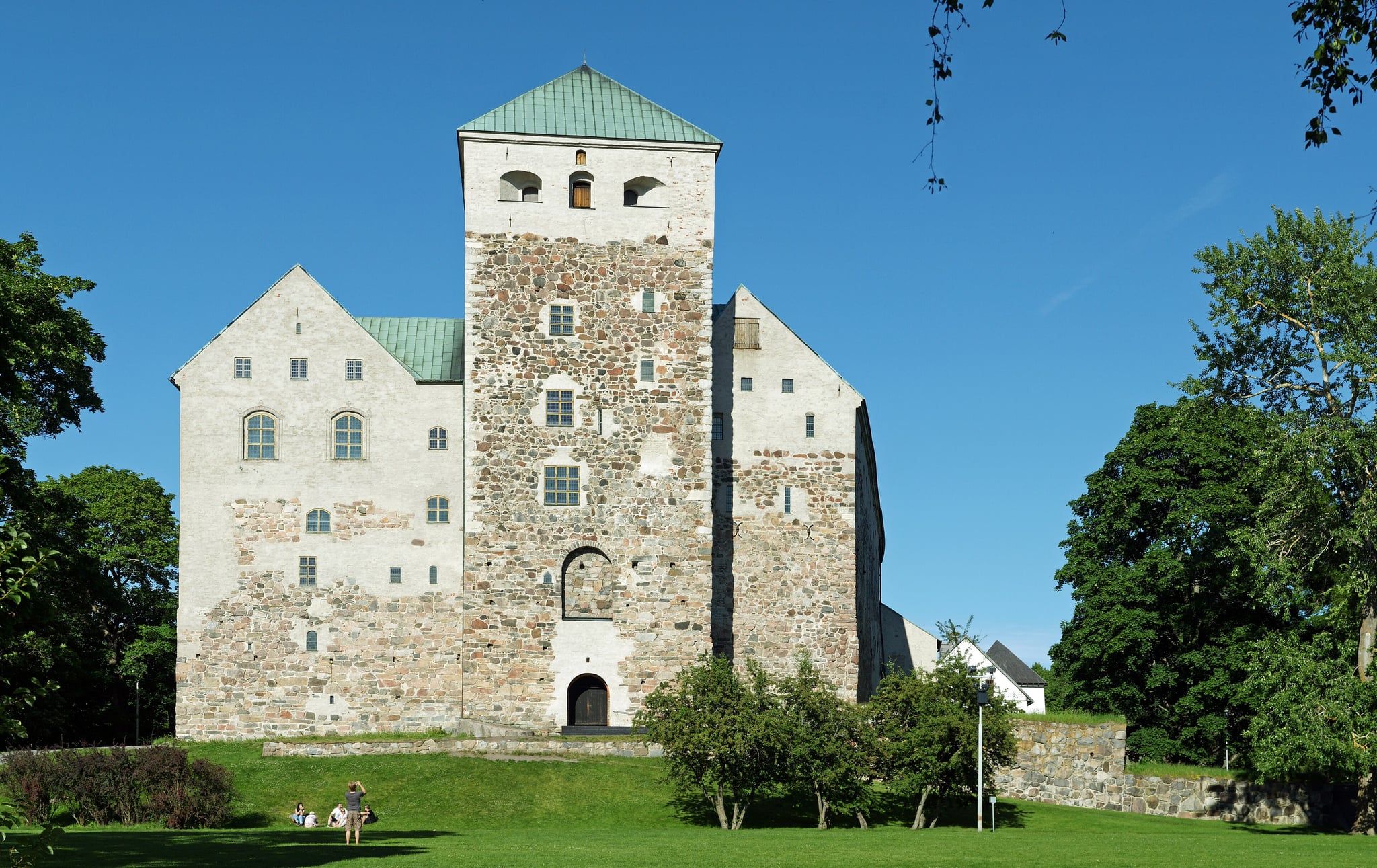
Katanpää Fort
Katanpää Fort stands as a significant example of early 20th-century coastal defense architecture in Finland. Constructed in 1915 during a period of heightened military tension, the fort was the northernmost link in a chain of sea forts designed by the Russian Empire to protect the vital maritime approaches to St. Petersburg. This strategic location in the Kustavi archipelago was chosen to guard important sea lanes, secure naval traffic, and maintain communications along the Baltic Sea coast.
Historical context and construction
The origins of Katanpää Fort trace back to the mid-19th century when the nearby island of Lypertö hosted a telegraph station during the Crimean War. By the early 20th century, the Russian Empire intensified its fortification efforts in the region, reflecting the growing importance of coastal defense amid rising geopolitical tensions. Construction began in the early 1910s, with a workforce comprising prisoners from eastern Russia, Manchuria, and the Amur region, as well as local Finnish laborers. These prisoners were responsible for building extensive infrastructure, including kilometers of cobblestone roads that remain a testament to their labor.
A notable local legend emerged about the construction, fueled by the appearance of oriental prisoners, some of whom were women with distinctive clothing and long braids. This folklore highlights the diverse and often harsh conditions under which the fort was built. The fort's construction included the erection of approximately twenty ornate wooden buildings in traditional Russian style, cannon batteries, and a railway system to support military logistics.
Architectural features and military significance
Katanpää Fort is characterized by its combination of Russian wooden architecture and modern military fortifications. The fort includes four concreted cannon batteries, two of which date from the 1910s and two from the 1950s, reflecting continued military use and upgrades over several decades. These batteries were designed to defend the archipelago's sea lanes and provide a formidable deterrent against naval threats.
The fort's layout includes defensive walls, bunkers, and support buildings that housed approximately 120 soldiers and their families during its operational peak. The isolated location contributed to a unique military community, with life at the fort described as relatively secluded. Despite its strategic importance, Katanpää Fort saw little direct combat, with its role during the Winter War and Continuation War focusing primarily on aerial surveillance and observation rather than active engagement.
Post-independence history and usage
Following Finland's independence, Katanpää Fort and its equipment were transferred to the Finnish state. The fort briefly came under the control of the Red Guards during the Finnish Civil War, a period marked by unrest and tension. Subsequently, the fort was used by the Finnish Coast Guard and army, serving as a training ground and sentry post.
Between 1930 and 1940, the island also functioned as a prison, housing up to 100 inmates who worked in the island's quarry. This period coincided with a peak in prison populations across Finland due to social strains and the prohibition era. The prison's presence added a complex layer to the fort's history, intertwining military and civil uses.
Preservation and current status
After military personnel were withdrawn in the mid-1990s, Katanpää Fort was left unstaffed for the first time in its history. In 1999, control of the site passed to Metsähallitus, the Finnish state forestry administration, which opened the island to the public. The fort's remote location has contributed significantly to the preservation of its structures, including the well-maintained Russian-style wooden buildings and the concrete cannon batteries.
Today, several buildings have been renovated, and the site serves as a cultural heritage destination. A local entrepreneur operates on the island, supporting tourism and educational activities. Visitors can explore the fortifications, admire the unique blend of military and architectural history, and experience the natural beauty of the Kustavi archipelago.
Architectural legacy
Katanpää Fort represents a rare example of a 20th-century coastal fortress that integrates traditional Russian wooden architecture with modern concrete military installations. The presence of ornate wooden buildings alongside functional military structures illustrates the dual purpose of the site as both a defensive position and a living community for soldiers and their families.
Cultural and historical significance
The fort's history reflects broader themes in Finnish and Russian history, including imperial military strategy, the impact of the Crimean War, the Finnish Civil War, and the World Wars. Its preservation provides valuable insights into the military and social history of the Baltic Sea region during a period of significant change.
Visitor experience
Visitors to Katanpää Fort can explore the extensive network of fortifications, including the cannon batteries and bunkers, as well as the distinctive wooden buildings. The island's natural setting offers scenic views and opportunities for hiking and photography. Interpretive materials and guided tours help contextualize the fort's historical role and architectural features.
Frequently asked questions (FAQ)
- How do I get to Katanpää Fort?
- Katanpää Fort is located in Kustavi, Finland, accessible by car or public transportation. The nearest major city is Turku, from which you can drive approximately 45 minutes. There are also local buses that connect Kustavi to surrounding areas, making it convenient for visitors.
- What is the historical significance of Katanpää Fort?
- Katanpää Fort was built in the late 19th century as part of Finland's coastal defense system. It played a crucial role during the Russian Empire era and is a testament to military architecture of that time. Today, it stands as a historical site, showcasing Finland's military heritage.
- When was Katanpää Fort constructed?
- Construction of Katanpää Fort began in the 1880s and was completed in 1891. The fort was strategically designed to protect the archipelago from potential naval threats. Its historical context provides insight into the military strategies of the period.
- Can I visit Katanpää Fort year-round?
- Yes, Katanpää Fort is open to visitors throughout the year, although accessibility may vary with the seasons. During the winter months, certain areas might be less accessible due to weather conditions. It's always best to check the official website for the latest updates on visiting conditions.
- Why is Katanpää Fort popular among tourists?
- Katanpää Fort is popular due to its unique blend of history and stunning natural surroundings. Visitors can explore the fort's architecture and learn about its role in Finnish history while enjoying picturesque views of the archipelago. The site also offers opportunities for photography and outdoor activities.
- Is it possible to take guided tours at Katanpää Fort?
- Yes, guided tours are available at Katanpää Fort, providing an in-depth look at its history and architecture. These tours are led by knowledgeable guides who share fascinating stories and insights about the fort's past. It's advisable to check the schedule and book in advance during peak season.
- What are the opening hours for Katanpää Fort?
- Katanpää Fort typically opens from May to September, with varying hours depending on the day of the week. During the peak summer months, the fort is usually open daily from 10 AM to 6 PM. Off-season hours may differ, so it's recommended to check the official website for current information.
- What are the ticket prices for visiting Katanpää Fort?
- Ticket prices for Katanpää Fort are generally affordable, with discounts available for students and seniors. Adult tickets typically range around €10, while children under a certain age may enter for free. Special rates may apply for guided tours, so be sure to inquire when purchasing tickets.
- Are there any nearby attractions to visit along with Katanpää Fort?
- Yes, there are several nearby attractions such as the beautiful archipelago, hiking trails, and local museums that showcase the region’s maritime history. Visitors can also enjoy water activities like kayaking and fishing in the surrounding waters. Exploring the quaint village of Kustavi offers a glimpse into local culture and traditions.
Information
Website
Visit websiteSources & official resources
Verify the information above using these authoritative references.
Loading map...
Visitor reviews
No reviews yet. Been here? Write the first review and help other travelers!
Write the first reviewVisited this castle? Share your experience
Your review helps other travelers and adds first-hand knowledge to our encyclopedia.