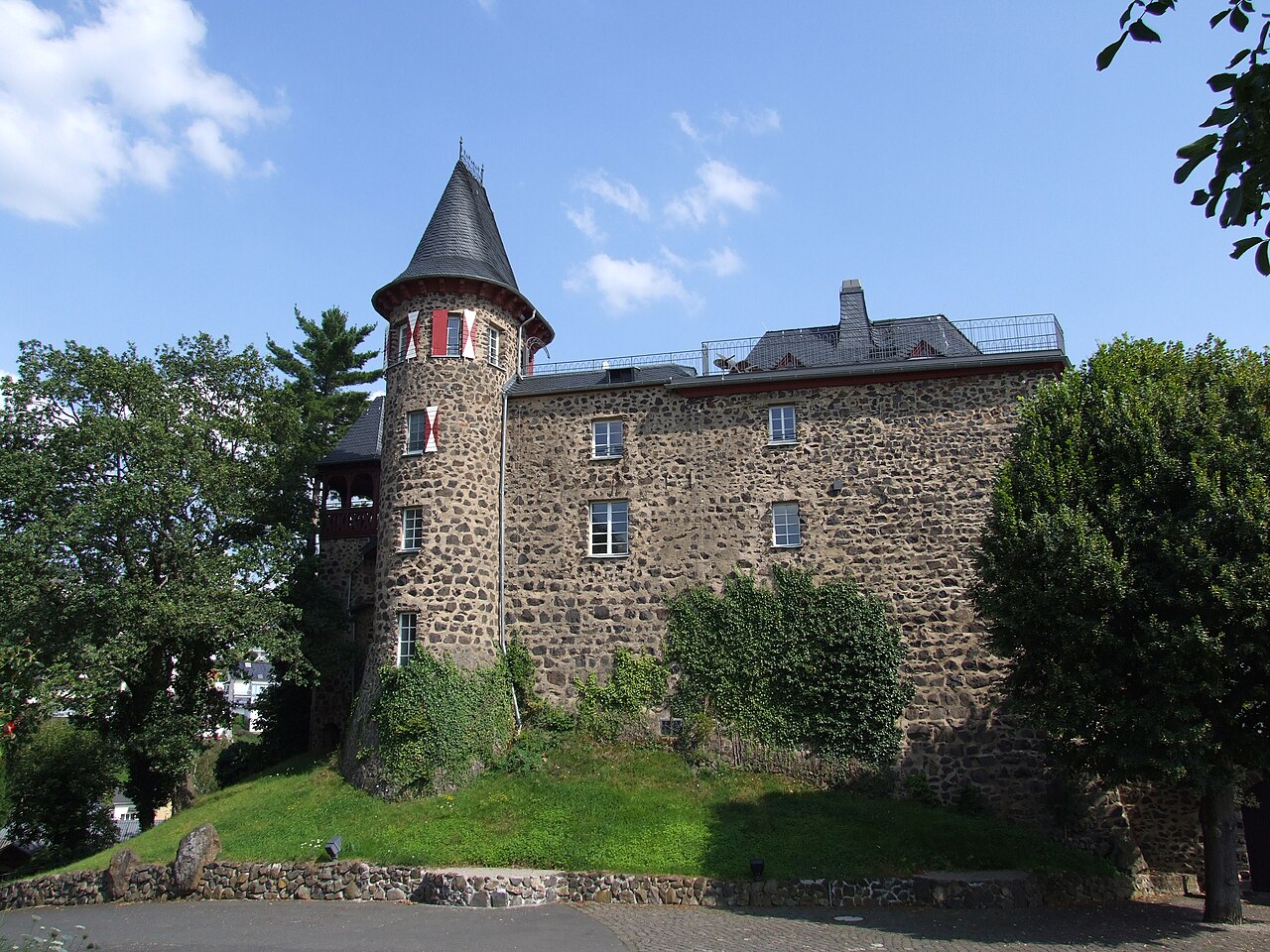
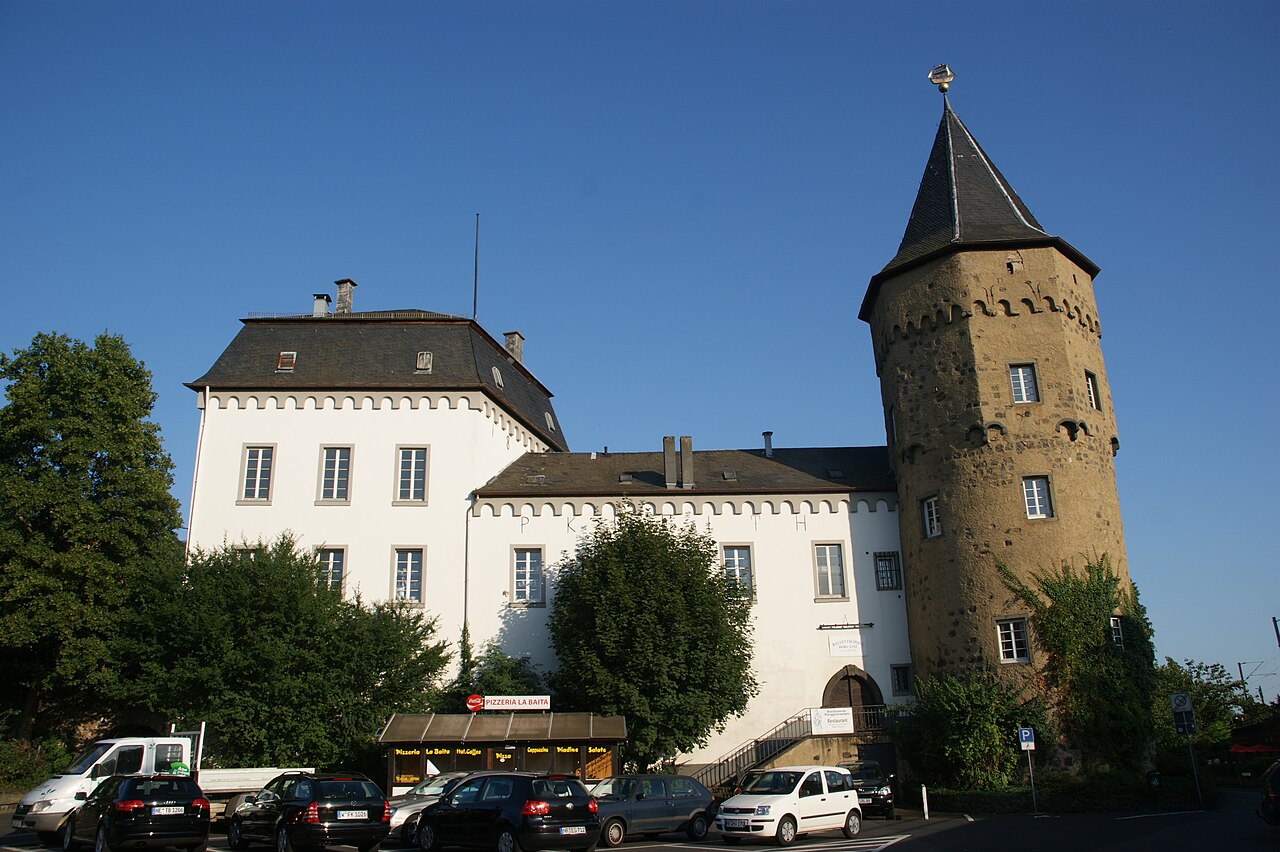
Rennenberg Castle
Rennenberg Castle is a notable example of a high medieval fortress located in Linz am Rhein, Germany. The castle was first documented in 1217, marking its importance during the early 13th century as a strategic stronghold in the region. Its early history is closely tied to the archbishopry of Cologne, which acquired the castle in 1321, reflecting its significance in the ecclesiastical and political landscape of medieval Germany.
Historical background and ownership
The castle's initial construction dates back to the 13th century, a period characterized by the proliferation of fortified structures across the Rhineland. As a high medieval castle, Rennenberg was part of the defensive network that secured territorial control and trade routes along the Rhine River. The transfer of ownership to the archbishopry of Cologne in 1321 placed Rennenberg under the jurisdiction of one of the most powerful ecclesiastical principalities of the Holy Roman Empire.
By 1585, records indicate that Rennenberg Castle was already considered dilapidated, suggesting a decline in its military and residential use. This decline was common among many medieval castles as advancements in warfare and changes in political structures rendered many such fortifications obsolete.
Architectural features and layout
Although detailed architectural records of Rennenberg Castle are limited, typical high medieval castles of this region featured robust stone walls, towers for defense and surveillance, and a keep or donjon serving as the last line of defense and residence. The castle’s location in Linz am Rhein would have allowed it to oversee important river traffic and control surrounding lands.
Its design likely included a courtyard enclosed by curtain walls, with access controlled through fortified gatehouses. Defensive elements such as battlements and arrow slits would have been integral to its fortifications, enabling defenders to repel attackers effectively.
Decline and current condition
The mention of the castle as dilapidated by the late 16th century indicates that Rennenberg Castle had fallen out of strategic and residential favor. This decline could be attributed to the changing nature of warfare, including the increased use of gunpowder artillery, which made traditional castle defenses less effective.
Today, Rennenberg Castle remains a site of historical interest, though it is categorized as ruins. Its remnants offer valuable insights into medieval military architecture and the region’s feudal history. Visitors to Linz am Rhein can explore the ruins and appreciate the castle’s role in the area's medieval heritage.
Significance in regional history
Rennenberg Castle’s association with the archbishopry of Cologne highlights its role in the complex political and religious dynamics of the Rhineland during the Middle Ages. The castle served not only as a military fortification but also as a symbol of ecclesiastical power and territorial control.
Its strategic position along the Rhine made it a key point in controlling trade and movement, contributing to the economic and political stability of the region under the archbishop's influence.
Visiting Rennenberg Castle
While the castle is in ruins, it remains accessible to visitors interested in medieval history and architecture. The site offers a glimpse into the construction techniques and defensive strategies of the high medieval period. Visitors can enjoy scenic views of the Rhine valley and explore the castle grounds, which evoke the atmosphere of a bygone era.
Frequently asked questions (FAQ)
- When was Rennenberg Castle first documented?
- Rennenberg Castle was first documented in the year 1217, marking its early significance in the region.
- What is the historical significance of Rennenberg Castle?
- The castle played a strategic role in the Rhineland during the high medieval period and was owned by the powerful archbishopry of Cologne from 1321.
- What is the current condition of Rennenberg Castle?
- Today, Rennenberg Castle exists as ruins, reflecting its decline since the late 16th century and offering historical insights into medieval fortifications.
- Can visitors access Rennenberg Castle?
- Yes, visitors can explore the ruins of Rennenberg Castle and enjoy views of the Rhine valley, making it a site of interest for history enthusiasts.
- Why was Rennenberg Castle considered dilapidated by 1585?
- The castle was described as dilapidated by 1585 likely due to changes in military technology and political shifts that reduced its strategic importance.
Information
Loading map...
Visitor reviews
No reviews yet. Been here? Write the first review and help other travelers!
Write the first reviewVisited this castle? Share your experience
Your review helps other travelers and adds first-hand knowledge to our encyclopedia.