Redoubt Kali — Georgia castle

Redoubt Kali

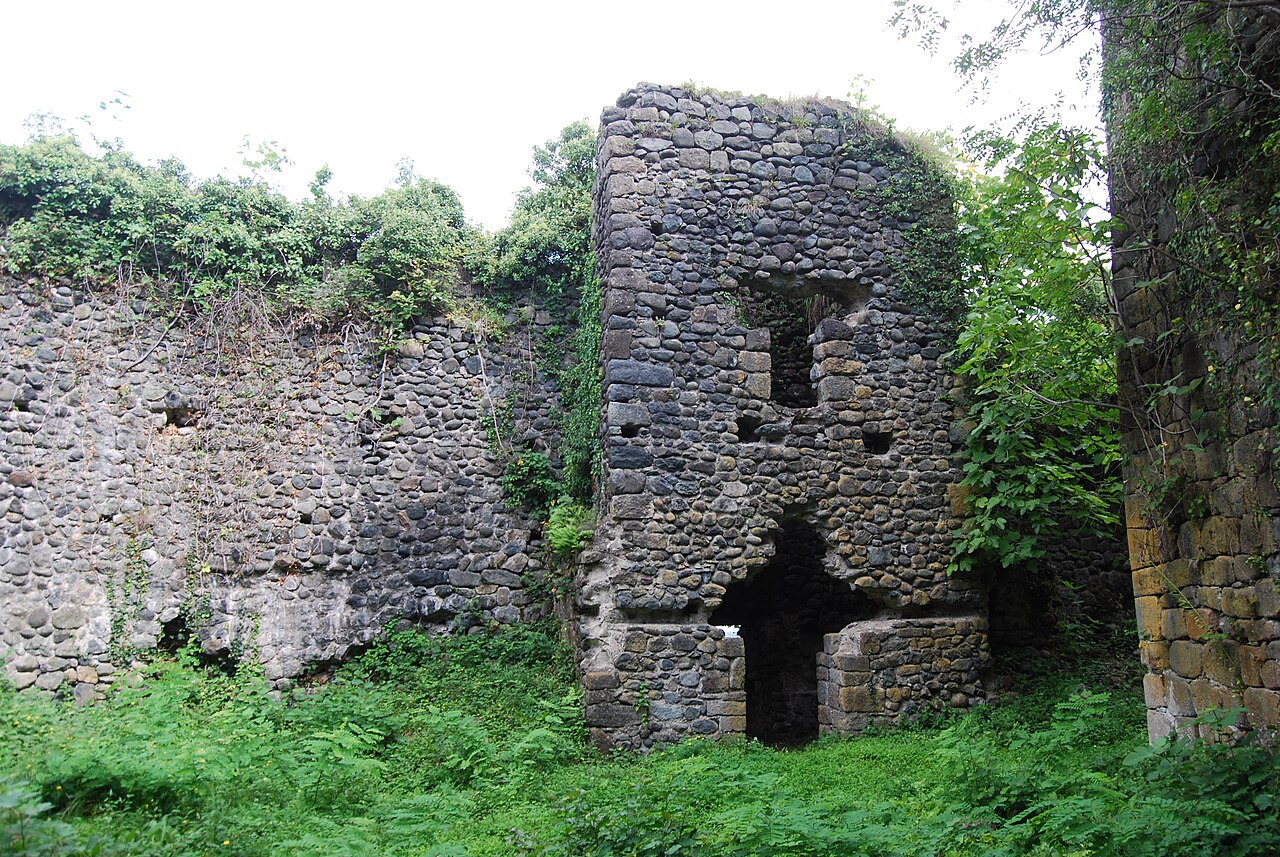
Redoubt Kali: 19th-century Russian bastioned fortress on the Black Sea coast
Samegrelo-Zemo Svaneti, Georgia
Modern (19th–20th c.)
Ruins

Redoubt Kali (Georgian: რედუტ-კალე) was a 19th-century Russian bastioned fortress located on the east coast of the Black Sea, approximately 10 miles north of the port city of Poti in Georgia. This fortification played a strategic role during the Crimean War and was part of the Russian Empire's efforts to secure its southwestern frontier along the Black Sea coast.

Strategic location and historical significance

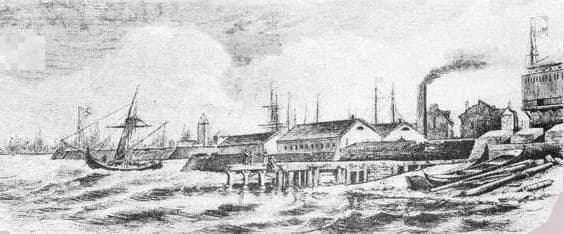
Situated near the modern settlement of Kulevi, Redoubt Kali was constructed to protect Russian interests in the region and to serve as a coastal defense point against naval threats. The fort's position was vital for controlling maritime access and safeguarding the approaches to Poti, an important Black Sea port. Its location also allowed it to monitor and deter enemy naval movements during periods of conflict.

Architectural features and fortification design

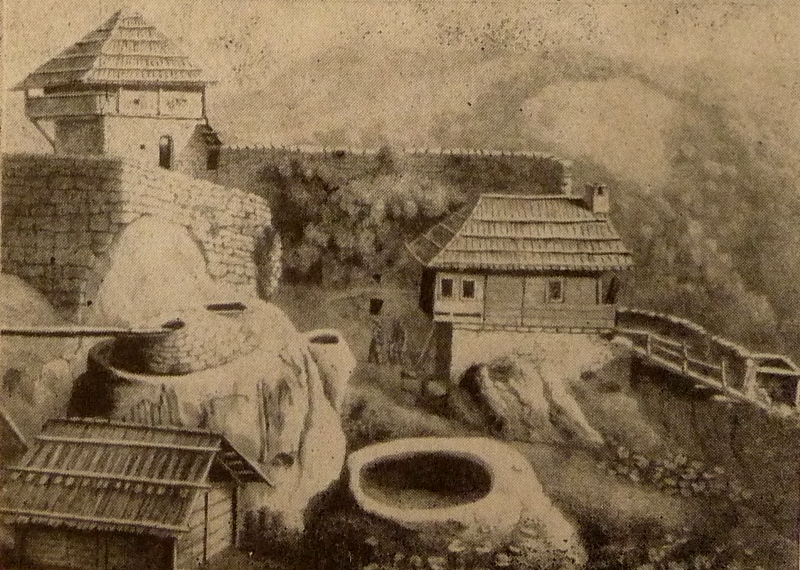
As a bastioned fortress, Redoubt Kali featured the classic elements of 19th-century military architecture designed for coastal defense. The bastioned design incorporated angular bastions projecting outward from the main fort walls, providing overlapping fields of fire to defend against attackers. This style was typical of the era's fortifications, emphasizing strong defensive capabilities against artillery and infantry assaults.

The fortress likely included thick masonry walls, earthworks, and artillery emplacements facing the sea. The design would have facilitated both offensive and defensive operations, with gun positions arranged to cover the approaches by sea and land. The fort's layout was adapted to the terrain and strategic requirements of the Black Sea coast.

Role during the Crimean War

Redoubt Kali gained historical prominence during the Crimean War (1853–1856), a major conflict involving Russia against an alliance of the Ottoman Empire, Britain, France, and Sardinia. In 1854, the fortress was captured by British forces as part of their campaign to weaken Russian control in the Caucasus and along the Black Sea coast.

The British seizure of Redoubt Kali disrupted Russian defensive lines and contributed to the broader strategic efforts to challenge Russian naval power in the region. The capture demonstrated the importance of coastal fortifications in controlling access to key maritime routes during the war.

Demolition and legacy

Following its military use, Redoubt Kali was demolished in 1907, reflecting changes in military technology and strategic priorities in the early 20th century. The demolition marked the end of its active role as a coastal fortress. Today, little remains of the original structure, and the site is primarily of historical interest.

The legacy of Redoubt Kali lies in its representation of 19th-century military engineering and its role in the geopolitical struggles of the Black Sea region. It serves as a reminder of the complex history of the Caucasus and the shifting control of strategic coastal areas during the era of imperial conflict.

Geographical and cultural context

Located in the region historically known as Colchis and later integrated into the Russian Empire, the area around Redoubt Kali has long been a crossroads of cultures and empires. The fortress's presence underscores the military and political significance of Georgia's Black Sea coast throughout history.

While the fortress itself no longer stands, the nearby city of Poti remains an important maritime hub, and the site of Redoubt Kali continues to attract interest from historians and military architecture enthusiasts.

Frequently asked questions (FAQ)

When was Redoubt Kali built and for what purpose?
Redoubt Kali was built in the 19th century by the Russian Empire as a bastioned fortress to defend its Black Sea coast near Poti, Georgia.
What role did Redoubt Kali play during the Crimean War?
During the Crimean War in 1854, Redoubt Kali was captured by British forces, disrupting Russian coastal defenses in the region.
Why was Redoubt Kali demolished?
The fortress was demolished in 1907 due to changes in military technology and strategic priorities, rendering such coastal forts obsolete.
Is Redoubt Kali accessible to visitors today?
Today, Redoubt Kali exists only as ruins with limited remains, and there are no established visitor facilities or regular opening hours.
Where exactly was Redoubt Kali located?
Redoubt Kali was located about 10 miles north of Poti on the east coast of the Black Sea, near the modern area known as Kulevi in Georgia.

Photo gallery

Redoubt Kali
Click to view

Photo by Anonymous author•Public domain

1 photo • Click any image to view in full screen

Information

Bastioned Fortress

Loading map...

Visitor reviews

No reviews yet. Been here? Write the first review and help other travelers!

Write the first review

Visited this castle? Share your experience

Your review helps other travelers and adds first-hand knowledge to our encyclopedia.
Write a review

(5/5)

0/2000 characters

Your review will be visible after admin approval

Nearby castles

36.7 km
Chakvinji Fortress — Georgia castle

Chakvinji Fortress

Jikhashkari, Georgia

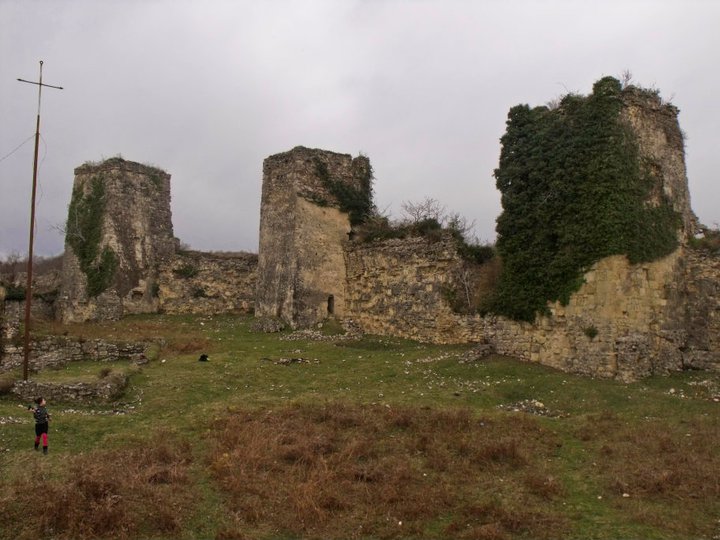
The Chakvinji fortress, also known as Jikhashkari fortress, is a historic bastioned fortress situated in the village of Jikhashkari, within the Zugdidi municipality of the Samegrelo-Zemo Svaneti region in western Georgia. This fortress commands a strategic position on a high mountain overlooking the Chanistsqali river, which historically provided natural defense and control over surrounding territories.Constructed primarily during the late medieval period, the fortress exhibits characteristic features of bastioned fortifications designed to withstand artillery assaults and improve defensive capabilities. Its robust stone walls are reinforced with angular bastions, which allowed defenders to cover all approaches with overlapping fields of fire, a significant advancement in military architecture for the region during its time.Historical context and significanceThe Chakvinji fortress played a crucial role in the defense system of the Samegrelo region, serving as a military stronghold against invasions and local conflicts. Its location near the river and on elevated terrain provided both defensive advantages and control over key trade and communication routes.The fortress is linked historically to the regional nobility and ruling families of Samegrelo, who maintained the stronghold as part of their territorial defense network. Over centuries, it witnessed various military engagements and served as a refuge during turbulent times.Architectural features and layoutBastioned design and wallsThe fortress's defining feature is its bastioned design, a style that emerged in response to the increasing use of gunpowder and cannon warfare. The bastions are positioned at corners and along the walls, providing defenders with the ability to fire along the curtain walls and cover blind spots.The stone masonry of the fortress is notable for its durability, with thick walls constructed from local stone. The walls incorporate embrasures and loopholes for firearms, reflecting adaptations to evolving military technologies.Gates and access pointsAccess to the fortress is controlled through a main gate, likely fortified with heavy wooden doors and metal reinforcements. The gatehouse would have been designed to resist direct assault and provide a choke point for attackers.Interior structuresWithin the fortress walls, there would have been various functional buildings such as armories, barracks, and storage facilities. The elevated position also allowed for lookout towers or platforms to monitor the surrounding landscape.Geographical setting and strategic importanceLocated on a high mountain beside the Chanistsqali river, the fortress's placement was carefully chosen to maximize defensive strength and regional control. The river valley below served as a natural barrier and a route for trade and military movements.This commanding position enabled the fortress's occupants to oversee and control the flow of goods and people, bolstering the economic and military significance of the site within the Samegrelo region.Current condition and preservationToday, the Chakvinji fortress remains a partially preserved historical monument. While some sections of the walls and bastions have survived, others have suffered from the effects of time and lack of continuous maintenance.Efforts to study and preserve the fortress contribute to understanding the military architecture and regional history of western Georgia. The site attracts visitors interested in medieval fortifications and Georgian heritage.Visiting information and cultural relevanceThe fortress is accessible to visitors who wish to explore its ruins and appreciate its historical context. Its location near the village of Jikhashkari makes it a point of interest for tourists traveling within the Samegrelo-Zemo Svaneti region.As a cultural landmark, the Chakvinji fortress represents the medieval defensive strategies employed in Georgia and reflects the region's historical challenges and resilience.

Late Medieval (14th–15th c.)
Details
53.1 km
Likhauri Fortress — Georgia castle

Likhauri Fortress

, Georgia

Likhauri Fortress is a notable example of a high medieval bastioned fortress located in the country of Georgia. Constructed in the 12th century, this fortress was designed primarily for military defense, featuring characteristic elements of fortification from the high medieval period. Historical context and strategic importance During the 12th century, Georgia was a kingdom experiencing significant political and military activity. The construction of Likhauri Fortress corresponded with a period when fortifications were crucial for protecting territories against invasions and local conflicts. The fortress likely served as a defensive stronghold to control important routes and safeguard the surrounding region. Architectural features of Likhauri Fortress As a bastioned fortress, Likhauri Fortress incorporates defensive bastions—protruding structures that allowed defenders to cover adjacent walls with flanking fire. This design improved the fortress's ability to repel attackers and provided overlapping fields of fire, a significant advancement over earlier medieval fortifications. The fortress's walls were constructed using local stone materials, typical of Georgian medieval masonry. The thick walls and bastions were designed to withstand sieges and artillery of the period. While detailed records of the fortress's internal layout are limited, bastioned fortresses generally included a keep or donjon, curtain walls, and gatehouses fortified with defensive mechanisms such as arrow slits and murder holes. Defensive bastions and walls The bastions at Likhauri Fortress would have been positioned at strategic points along the curtain walls, enabling defenders to cover blind spots and protect the fortress perimeter effectively. These bastions were likely angular or rounded, a common feature in medieval military architecture designed to deflect projectiles and resist mining attempts. Preservation and current condition The current condition of Likhauri Fortress is not extensively documented, but as a medieval bastioned fortress, it may exist in a state ranging from partially preserved to ruins. Such fortresses often show remnants of walls and bastions, with some sections possibly restored for cultural heritage purposes. Cultural significance and tourism Likhauri Fortress holds cultural and historical significance as part of Georgia's medieval heritage. It represents the military architecture and strategic defense systems of the region during the high medieval period. The fortress, if accessible, may attract visitors interested in medieval history, architecture, and Georgian cultural landmarks. Visiting Likhauri Fortress Information about visitor access, guided tours, and facilities at Likhauri Fortress is limited. Prospective visitors should seek local guidance or contact regional tourism offices in Georgia for up-to-date details on visiting hours and accessibility.

High Medieval (11th–13th c.)
Details
57.7 km
Askana Fortress — Georgia castle

Askana Fortress

, Georgia

Askana Fortress is a significant early medieval bastioned fortress located in Georgia, with origins tracing back to the 4th century. This fortress exemplifies the military architecture of the period, reflecting the strategic importance of fortifications in the Caucasus region during the early phases of medieval history. Historical context and significance The construction of Askana Fortress in the 4th century places it among the earliest fortifications in Georgia, a time when the region was a crossroads of empires and cultures. This period saw frequent conflicts and invasions, necessitating strong defensive structures. The fortress served as a military stronghold, protecting local settlements and trade routes from external threats. Throughout its history, Askana Fortress witnessed various phases of occupation and adaptation, reflecting the evolving military technologies and political dynamics of the Caucasus. Its strategic location allowed control over key passages and contributed to the defense system of the region. Architectural features and design Bastioned fortress characteristics Askana Fortress is classified as a bastioned fortress, a type of fortification that incorporates angular bastions projecting outward from the curtain walls. These bastions were designed to provide overlapping fields of fire, eliminating blind spots and enhancing the fortress's defensive capabilities. Although bastioned fortifications are more commonly associated with later periods, Askana's early medieval bastions represent an advanced understanding of military architecture for its time. Construction materials and techniques The fortress was constructed using locally sourced stone and mortar, typical of early medieval Georgian fortresses. The walls are thick and robust, designed to withstand sieges and artillery attacks. The masonry work demonstrates skilled craftsmanship, with carefully shaped stones fitted together to form durable defensive walls. Defensive structures Key defensive elements of Askana Fortress include high curtain walls, bastions at strategic points, and possibly a moat or natural defensive barriers such as steep terrain. The fortress likely contained towers for observation and archery, as well as a gatehouse controlling access. The interior would have housed barracks, storage facilities, and command quarters, although detailed archaeological evidence is limited. Geographical setting and strategic importance Situated in Georgia, Askana Fortress occupies a position that allowed control over important regional routes. The fortress's location leveraged natural topography to enhance its defenses, often built on elevated ground or rocky outcrops to provide visibility and tactical advantage against approaching enemies. This strategic placement was vital during the early medieval period when Georgia faced threats from neighboring empires and nomadic groups. The fortress formed part of a network of defensive sites that safeguarded the region's political and economic interests. Preservation and current condition Today, Askana Fortress remains a partially preserved monument, with sections of its walls and bastions still visible. The site offers valuable insights into early medieval military architecture in Georgia. Preservation efforts focus on stabilizing the existing structures to prevent further deterioration and to facilitate archaeological study. Visitors to the fortress can explore the ruins, which convey the scale and complexity of the fortification system. The fortress stands as a testament to the region's historical resilience and architectural ingenuity. Archaeological research and cultural heritage Archaeological investigations at Askana Fortress have uncovered artifacts and structural remains that contribute to understanding the early medieval period in Georgia. These findings help reconstruct the fortress's role in regional defense and daily life during its active use. The fortress is recognized as part of Georgia's cultural heritage, reflecting the country's rich history of fortification and military strategy. It attracts historians, archaeologists, and visitors interested in early medieval architecture and the Caucasus's historical landscape.

Early Medieval (5th–10th c.)
Details