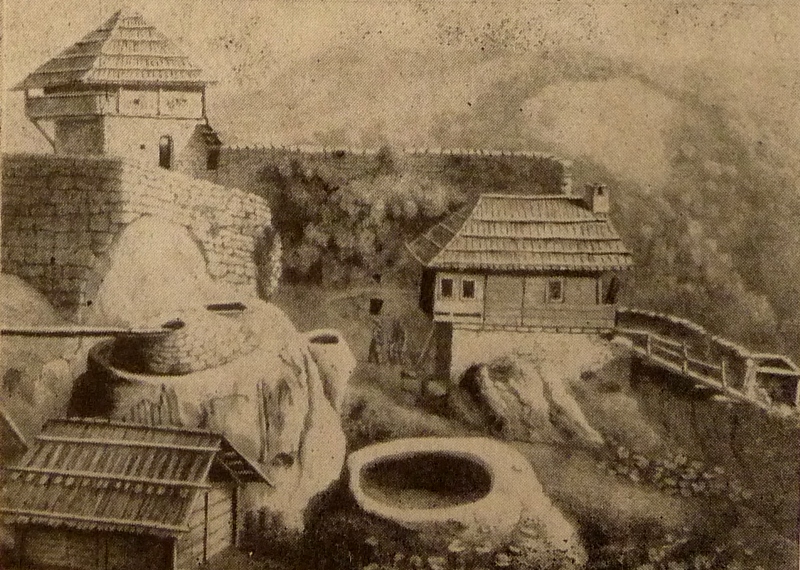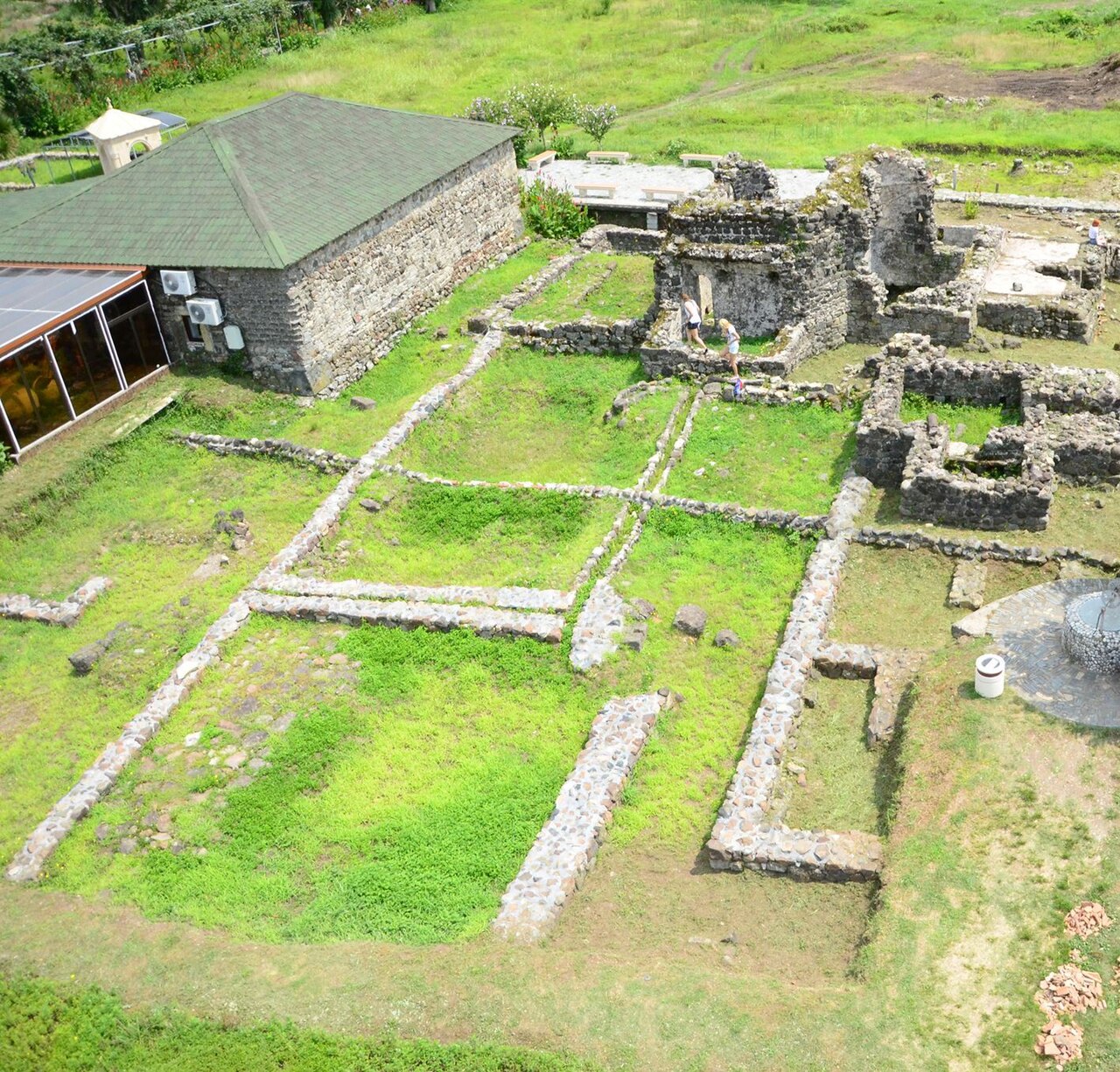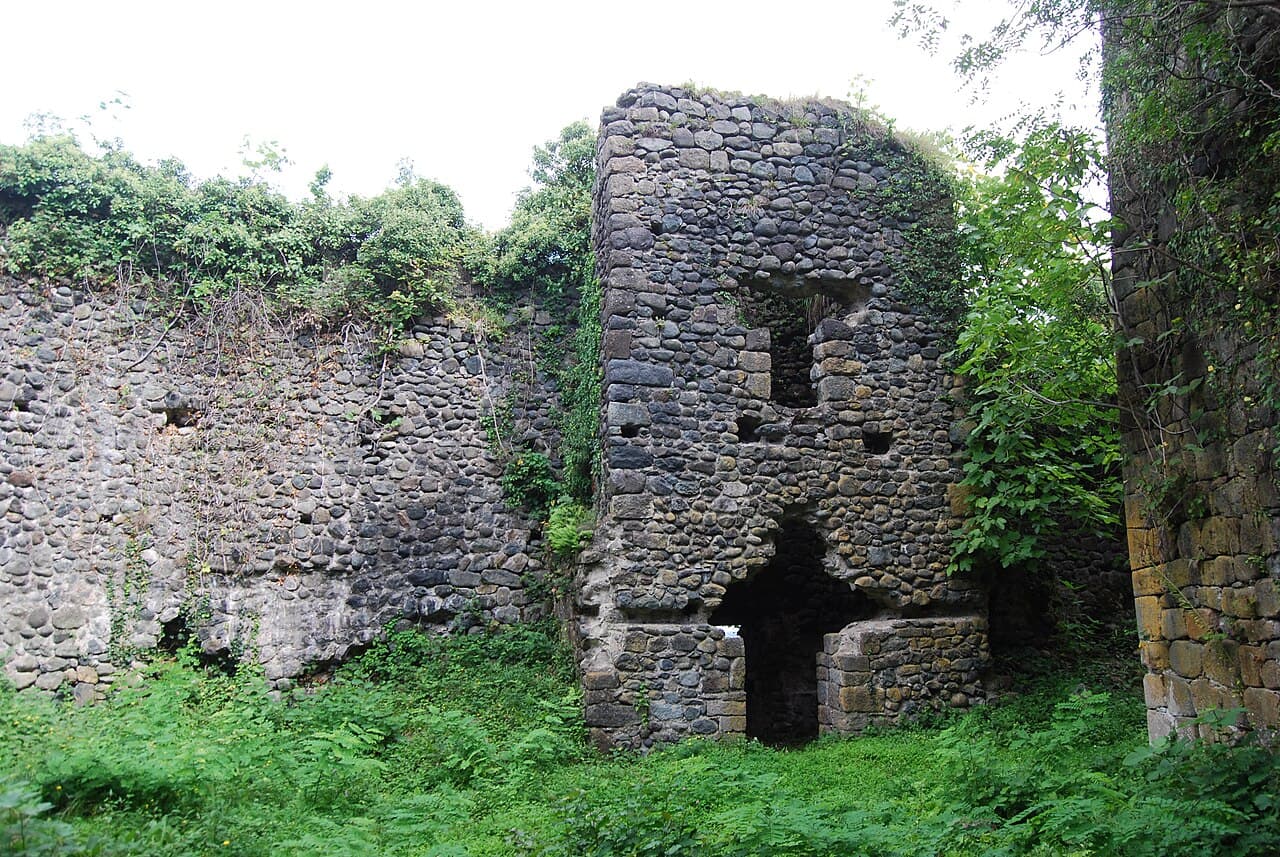
Likhauri Fortress is a notable example of a high medieval bastioned fortress located in the country of Georgia. Constructed in the 12th century, this fortress was designed primarily for military defense, featuring characteristic elements of fortification from the high medieval period.
Historical context and strategic importance
During the 12th century, Georgia was a kingdom experiencing significant political and military activity. The construction of Likhauri Fortress corresponded with a period when fortifications were crucial for protecting territories against invasions and local conflicts. The fortress likely served as a defensive stronghold to control important routes and safeguard the surrounding region.
Architectural features of Likhauri Fortress
As a bastioned fortress, Likhauri Fortress incorporates defensive bastions—protruding structures that allowed defenders to cover adjacent walls with flanking fire. This design improved the fortress's ability to repel attackers and provided overlapping fields of fire, a significant advancement over earlier medieval fortifications.
The fortress's walls were constructed using local stone materials, typical of Georgian medieval masonry. The thick walls and bastions were designed to withstand sieges and artillery of the period. While detailed records of the fortress's internal layout are limited, bastioned fortresses generally included a keep or donjon, curtain walls, and gatehouses fortified with defensive mechanisms such as arrow slits and murder holes.
Defensive bastions and walls
The bastions at Likhauri Fortress would have been positioned at strategic points along the curtain walls, enabling defenders to cover blind spots and protect the fortress perimeter effectively. These bastions were likely angular or rounded, a common feature in medieval military architecture designed to deflect projectiles and resist mining attempts.
Preservation and current condition
The current condition of Likhauri Fortress is not extensively documented, but as a medieval bastioned fortress, it may exist in a state ranging from partially preserved to ruins. Such fortresses often show remnants of walls and bastions, with some sections possibly restored for cultural heritage purposes.
Cultural significance and tourism
Likhauri Fortress holds cultural and historical significance as part of Georgia's medieval heritage. It represents the military architecture and strategic defense systems of the region during the high medieval period. The fortress, if accessible, may attract visitors interested in medieval history, architecture, and Georgian cultural landmarks.
Visiting Likhauri Fortress
Information about visitor access, guided tours, and facilities at Likhauri Fortress is limited. Prospective visitors should seek local guidance or contact regional tourism offices in Georgia for up-to-date details on visiting hours and accessibility.
Frequently asked questions (FAQ)
- How do I get to Likhauri Fortress?
- Likhauri Fortress is located in the beautiful region of Georgia, easily accessible by car or public transport from nearby cities. The nearest major city is Kutaisi, and from there, you can take a bus or hire a taxi to reach the fortress. Make sure to check local transport schedules for the most convenient options.
- What is the historical significance of Likhauri Fortress?
- Likhauri Fortress dates back to the medieval period and played a crucial role in the defense of the region against invasions. It served as a strategic military outpost that protected local communities and trade routes. Today, it stands as a testament to Georgia's rich history and architectural heritage.
- When was Likhauri Fortress built?
- Likhauri Fortress was constructed in the 11th century, during a time when fortifications were essential for the protection of territories in Georgia. Its construction reflects the medieval architectural styles of the period, highlighting the importance of defense in the region's history. The fortress has undergone several restorations to preserve its structure over the centuries.
- Can I visit Likhauri Fortress year-round?
- Yes, Likhauri Fortress is open to visitors throughout the year, but the best time to visit is during the spring and fall when the weather is mild. During the summer months, it can get quite hot, while winter may bring snow and colder temperatures. Be sure to check local conditions before planning your visit.
- Why is Likhauri Fortress considered an architectural gem?
- Likhauri Fortress showcases remarkable medieval architecture, with its robust stone walls and strategic layout. The fortress’ design reflects the military needs of its time, featuring defensive towers and a commanding view of the surrounding landscape. Its preservation allows visitors to appreciate the craftsmanship and engineering skills of that era.
- Is it possible to explore inside the fortress?
- Yes, visitors are allowed to explore the interior of Likhauri Fortress, where you can walk through its historic walls and enjoy panoramic views from its towers. Guided tours are available, offering insights into the fortress's history and architectural features. Be sure to wear comfortable shoes as the terrain can be uneven.
- What are the opening hours for Likhauri Fortress?
- Likhauri Fortress is typically open to visitors from 9 AM to 6 PM daily. However, hours may vary seasonally, so it's advisable to check ahead of your visit for any updates. Arriving early in the day allows you to enjoy the site with fewer crowds.
- What are the ticket prices for visiting Likhauri Fortress?
- Entry to Likhauri Fortress is usually free, but there may be a small fee for guided tours or special events. It's a good idea to bring some local currency for any additional expenses you might encounter during your visit. Always verify the latest information on ticketing before your trip.
- Are there any nearby attractions to visit?
- Yes, several intriguing sites are located near Likhauri Fortress, including the charming town of Kutaisi, known for its historical landmarks and vibrant culture. Additionally, the stunning natural landscapes of the Caucasus Mountains offer opportunities for hiking and outdoor activities. Be sure to plan some extra time to explore the area!

Information
Loading map...
Visitor reviews
No reviews yet. Been here? Write the first review and help other travelers!
Write the first reviewVisited this castle? Share your experience
Your review helps other travelers and adds first-hand knowledge to our encyclopedia.