Chakvinji Fortress
The Chakvinji fortress, also known as Jikhashkari fortress, is a historic bastioned fortress situated in the village of Jikhashkari, within the Zugdidi municipality of the Samegrelo-Zemo Svaneti region in western Georgia. This fortress commands a strategic position on a high mountain overlooking the Chanistsqali river, which historically provided natural defense and control over surrounding territories.
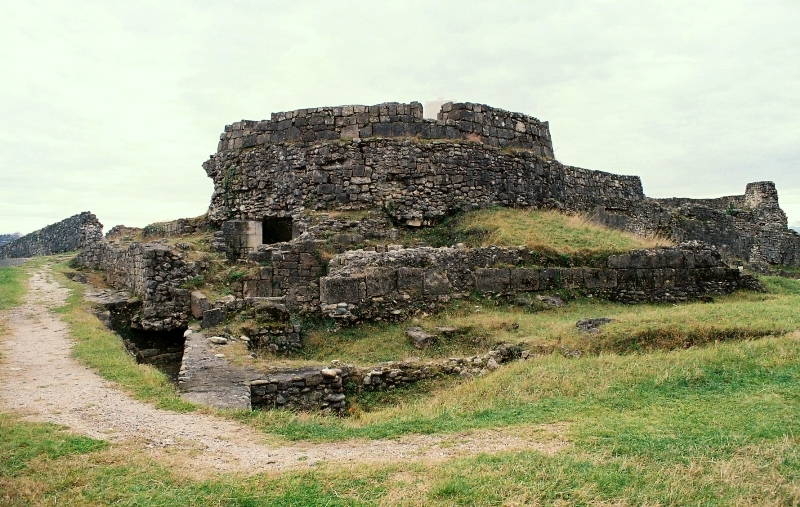
Constructed primarily during the late medieval period, the fortress exhibits characteristic features of bastioned fortifications designed to withstand artillery assaults and improve defensive capabilities. Its robust stone walls are reinforced with angular bastions, which allowed defenders to cover all approaches with overlapping fields of fire, a significant advancement in military architecture for the region during its time.
Historical context and significance
The Chakvinji fortress played a crucial role in the defense system of the Samegrelo region, serving as a military stronghold against invasions and local conflicts. Its location near the river and on elevated terrain provided both defensive advantages and control over key trade and communication routes.
The fortress is linked historically to the regional nobility and ruling families of Samegrelo, who maintained the stronghold as part of their territorial defense network. Over centuries, it witnessed various military engagements and served as a refuge during turbulent times.
Architectural features and layout
Bastioned design and walls
The fortress's defining feature is its bastioned design, a style that emerged in response to the increasing use of gunpowder and cannon warfare. The bastions are positioned at corners and along the walls, providing defenders with the ability to fire along the curtain walls and cover blind spots.
The stone masonry of the fortress is notable for its durability, with thick walls constructed from local stone. The walls incorporate embrasures and loopholes for firearms, reflecting adaptations to evolving military technologies.
Gates and access points
Access to the fortress is controlled through a main gate, likely fortified with heavy wooden doors and metal reinforcements. The gatehouse would have been designed to resist direct assault and provide a choke point for attackers.
Interior structures
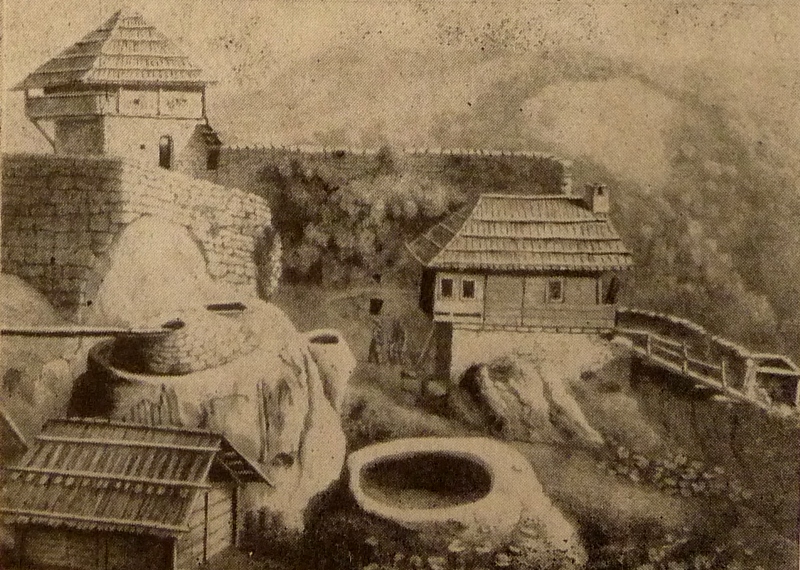
Within the fortress walls, there would have been various functional buildings such as armories, barracks, and storage facilities. The elevated position also allowed for lookout towers or platforms to monitor the surrounding landscape.
Geographical setting and strategic importance
Located on a high mountain beside the Chanistsqali river, the fortress's placement was carefully chosen to maximize defensive strength and regional control. The river valley below served as a natural barrier and a route for trade and military movements.
This commanding position enabled the fortress's occupants to oversee and control the flow of goods and people, bolstering the economic and military significance of the site within the Samegrelo region.
Current condition and preservation
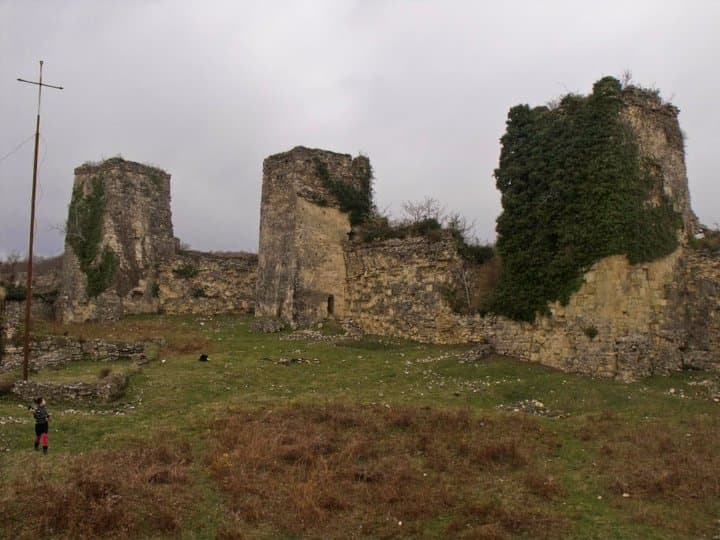
Today, the Chakvinji fortress remains a partially preserved historical monument. While some sections of the walls and bastions have survived, others have suffered from the effects of time and lack of continuous maintenance.
Efforts to study and preserve the fortress contribute to understanding the military architecture and regional history of western Georgia. The site attracts visitors interested in medieval fortifications and Georgian heritage.
Visiting information and cultural relevance
The fortress is accessible to visitors who wish to explore its ruins and appreciate its historical context. Its location near the village of Jikhashkari makes it a point of interest for tourists traveling within the Samegrelo-Zemo Svaneti region.
As a cultural landmark, the Chakvinji fortress represents the medieval defensive strategies employed in Georgia and reflects the region's historical challenges and resilience.
Frequently asked questions (FAQ)
- How do I get to Chakvinji Fortress?
- Chakvinji Fortress is located in Jikhashkari, Georgia, and can be accessed by car or local transportation. The nearest major city is Tbilisi, from where you can drive or take a bus to the village. Once in Jikhashkari, follow the signs leading to the fortress for a scenic hike to the site.
- What is the historical significance of Chakvinji Fortress?
- Chakvinji Fortress dates back to the medieval period and served as a strategic military stronghold in the region. It reflects the architectural styles of its time and has witnessed numerous historical events, contributing to the rich heritage of Georgia. The fortress is a testament to the defensive architecture that protected the area from invasions.
- When was Chakvinji Fortress built?
- Chakvinji Fortress was constructed in the 10th century, making it one of the oldest fortifications in the region. Its establishment was crucial for the defense of the surrounding territories during various conflicts. The structure has been well-preserved, allowing visitors to appreciate its historical context.
- Can I visit Chakvinji Fortress year-round?
- Yes, Chakvinji Fortress is open to visitors year-round, although the best time to visit is during the spring and early autumn when the weather is mild. During winter, the access roads may be affected by snow, so it's important to check local conditions. The surrounding natural beauty adds to the allure of visiting during these seasons.
- Why is Chakvinji Fortress popular among tourists?
- Chakvinji Fortress is popular due to its unique blend of history, architecture, and stunning views of the surrounding landscape. Visitors appreciate the opportunity to explore a lesser-known gem that offers insight into Georgia's medieval past. The fortress also provides excellent photography opportunities, making it a favorite among travelers.
- Is it possible to explore the fortress on my own?
- Yes, visitors can explore Chakvinji Fortress independently, which allows for a personalized experience. However, guided tours are also available for those who wish to learn more about the history and architecture from an expert. Whichever option you choose, be sure to wear comfortable shoes for the hike.
- What are the opening hours for Chakvinji Fortress?
- Chakvinji Fortress is typically open from 9 AM to 6 PM, but hours may vary seasonally. It’s advisable to check local resources or inquire upon arrival for the most accurate information. Planning your visit during these hours ensures you have ample time to explore the site.
- Are there any ticket prices for visiting Chakvinji Fortress?
- Visiting Chakvinji Fortress is generally free of charge, allowing everyone to enjoy this historical site without financial barriers. However, if you opt for a guided tour, there may be a fee associated with the service. Always check in advance for any updates regarding potential fees or donations.
- What nearby attractions should I visit while in Jikhashkari?
- While in Jikhashkari, you can also explore other historical sites and natural attractions nearby, such as the scenic landscapes of the Lesser Caucasus Mountains. The region is home to several churches and ancient ruins that reflect Georgia's rich cultural heritage. Additionally, local eateries serve traditional Georgian cuisine, enhancing your visit.
Photo gallery

Information
Loading map...
Visitor reviews
No reviews yet. Been here? Write the first review and help other travelers!
Write the first reviewVisited this castle? Share your experience
Your review helps other travelers and adds first-hand knowledge to our encyclopedia.